What Changes in a Bengal Cat After Ten
It's a common worry for any loving Bengal cat owner: will my spirited, acrobatic, endlessly curious companion ever slow down? And if they do, what will that look like? Reaching the age of ten for a Bengal can feel like a significant milestone, marking a new chapter in their life where changes, often subtle at first, begin to appear. This guide is here to walk you through the physical transformations, shifts in behavior, and emerging health considerations you can expect in your beloved Bengal cat as they journey into their senior years, offering practical advice to ensure their comfort and happiness.
Physical Transformations in Senior Bengal Cats
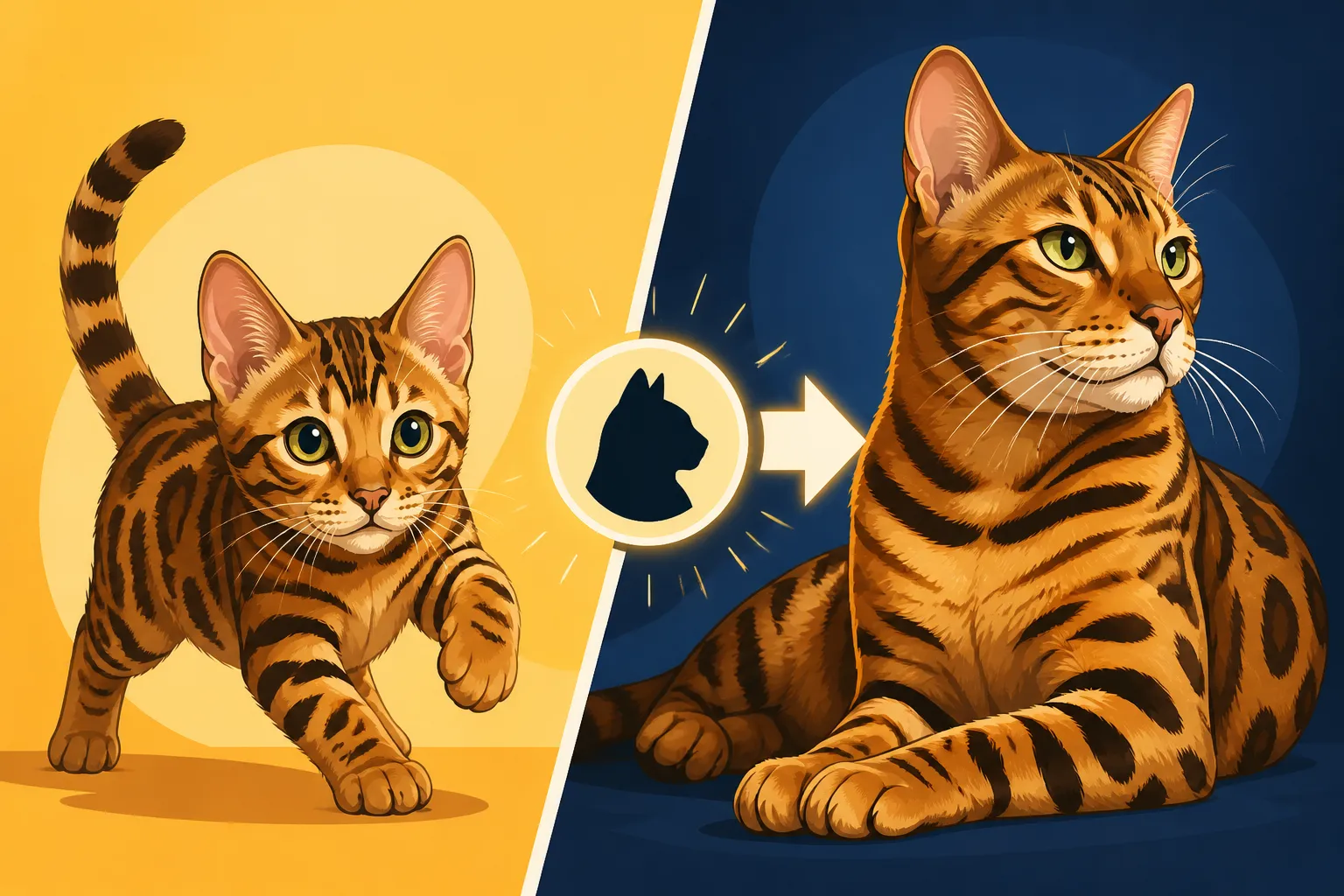
As your Bengal gracefully steps into their senior years, typically considered around age ten, you'll begin to notice some subtle shifts in their physical appearance and capabilities. It's not usually a dramatic overnight change, but a gradual evolution that reflects the natural aging process.
Coat and Skin Changes
One of the first things you might observe in your senior Bengal is a slight alteration in their magnificent coat. Remember that famous "pelted" feel, so sleek and close to their skin? While it largely remains, you might find it becoming a touch softer, perhaps a little less dense than in their prime. Their distinctive "glitter," the iridescent sheen on their individual hair shafts, might also start to diminish slightly, leading to their coat having a less vibrant, more subdued luster. This is a natural part of aging, and if you've been wondering Why an Aging Bengal Cat's Glitter Dulls, this gentle fading is usually the reason. Similarly, the sharp contrast and clarity of their rosettes and patterns, which were so crisp in their youth, can soften a bit, taking on a more blended appearance over time. You might notice How an Aging Bengal Cat's Rosettes Soften, making their markings appear less defined.
Beyond the aesthetics, their skin can also become a bit more delicate. You might find them needing a little less vigorous grooming themselves, or perhaps showing signs of drier skin, which can sometimes lead to flakiness. While Bengals are typically meticulous groomers, an aging cat might become less thorough in hard-to-reach spots, necessitating a bit more assistance from you to keep their coat healthy and tangle-free, though generally Why a Bengal Cat's Pelt Cannot Mat means matting is rarely a concern.
Muscle Mass and Body Condition
Your Bengal, known for their athletic prowess and lean, muscular build, might start to show signs of muscle loss as they age. This isn't necessarily about becoming "fat," but rather a decrease in the firm, toned musculature that defined their younger years. This sarcopenia, or age-related muscle wastage, can make them less agile and quick on their paws. That incredible leap onto the top of the bookshelf might become a more considered climb, or they might prefer a stepping stool. This gradual process is a common reason Why an Old Bengal Cat Loses Muscle First, impacting their strength and coordination.
Weight management can also become a trickier balancing act. Some senior Bengals might gain weight as their activity levels naturally decrease, making them prone to obesity if their diet isn't adjusted. Conversely, others might actually lose weight, especially if underlying health issues are at play or their appetite wanes. Monitoring their body condition is crucial, as maintaining a healthy weight is vital for their overall well-being. Keeping an eye on Why an Old Bengal Cat's Weight Should Be Watched helps you catch any significant changes early on. Feel along their ribs and spine – you should be able to feel them easily, but not see them prominently.
Sensory Decline
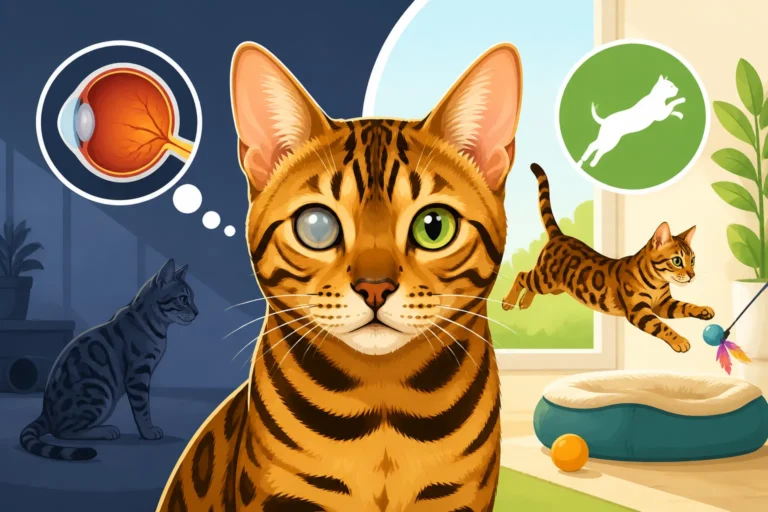
Just like humans, senior Bengals can experience a decline in their senses. Their eyesight might not be as sharp as it once was. You might notice them bumping into things in dim light, hesitating before jumping, or becoming more cautious in unfamiliar environments. While complete blindness is less common, cataracts or other age-related vision impairments can slowly progress. Changes in pupil responsiveness or a cloudy appearance to their eyes could be indicators.
Their hearing can also start to diminish. You might find yourself calling their name a few times before they respond, or they might not react to sounds that once had them on alert. They might startle more easily if you approach them from behind, as they can't hear you coming. This isn't a sign of them ignoring you, but rather a genuine reduction in auditory perception. Their sense of smell might also dull, which, while less obvious, can sometimes affect their appetite if food doesn't smell as enticing. Providing strong-smelling wet food can often help entice a finicky senior eater.
Behavioral Shifts in the Aging Bengal
The boundless energy and mischievous antics that define many Bengals can, and often do, evolve as they age. While your senior Bengal won't suddenly transform into a docile lap cat (they're still Bengals, after all!), you'll likely notice a shift in their daily routines and interactions.
Activity Levels and Play Drive
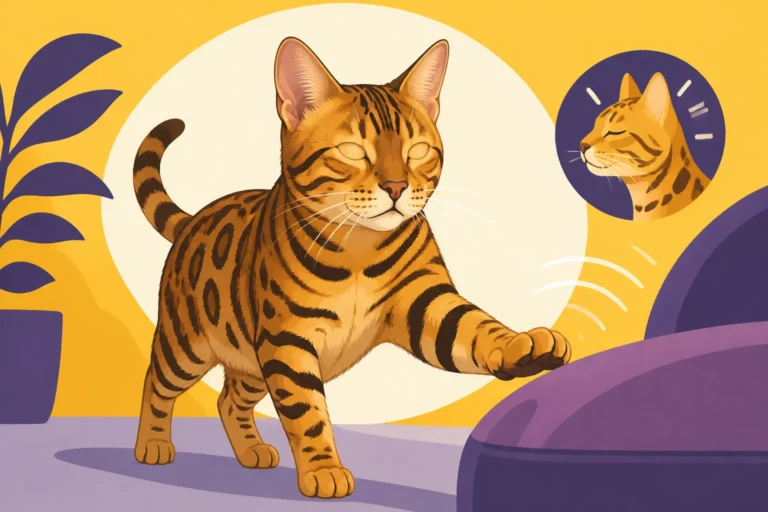
This is perhaps the most anticipated change for Bengal owners. The infamous "zoomies" might become less frequent, and those marathon play sessions with wand toys could shorten considerably. If you're wondering Whether an Aging Bengal Cat Slows Down, the answer is generally yes, but it's a gradual, nuanced process. They might still enjoy chasing a laser pointer or batting at a toy, but they'll tire more quickly and might opt for more frequent, shorter bursts of play rather than sustained activity.
Their enthusiasm for climbing the highest cat tree or running on their cat wheel might wane, or they might use them for shorter periods. You'll still see glimpses of their wild spirit, but it will be tempered with a newfound appreciation for naps in sunny spots. It's important not to force play when they're not interested, but to continue offering opportunities for gentle engagement. This shift in energy means their need for constant high-intensity stimulation might decrease, allowing for more relaxed companionship.
Changes in Social Interaction and Vocalization
An aging Bengal's personality can sometimes shift. Some might become more affectionate, seeking out more cuddles and quiet time with their humans, as if cherishing the connection. They might choose to nap on your lap more often, or follow you around the house with less urgency, simply enjoying your presence. Others, however, might become a bit more set in their ways, perhaps a little grumpier or less tolerant of disruptions to their routine. They might prefer quiet corners and fewer sudden surprises.
Their famous vocalizations might also mellow. While a Bengal's voice is known for being loud and demanding, a senior Bengal might become slightly less insistent with their yowls, or their "chirrups" might soften. They'll still communicate their needs, but perhaps with a little less urgency. If you notice a drastic change in vocalization – becoming much quieter or suddenly much louder and disoriented – it's worth a vet check, as it could indicate pain or cognitive decline.
Sleep Patterns and Routine
Unsurprisingly, senior Bengals tend to sleep more. Those long, deep naps become a more prominent feature of their day. They might seek out warmer, softer sleeping spots and settle in for longer stretches. This increased need for rest is perfectly normal and crucial for their aging bodies to recuperate.
You might also find that their internal clock shifts slightly. The dawn chorus demand for breakfast might become a little later, or their nocturnal antics might become less intense, allowing for a quieter household overnight. However, some senior cats can also develop cognitive dysfunction, leading to disorientation, increased vocalization at night, or changes in their sleep-wake cycle. Observing their sleep patterns carefully and noting any significant or confusing changes can help you communicate effectively with your vet.
Navigating Health Concerns for Senior Bengals
As your Bengal cat enters their golden years, proactive health monitoring becomes paramount. While Bengals are generally robust, aging brings with it an increased risk of certain conditions that require vigilance and regular veterinary care.
Common Ailments in Older Bengals
One of the most common concerns for senior cats, including Bengals, is kidney disease. Their kidneys, which filter waste from the blood, can become less efficient over time. Signs like increased thirst, more frequent urination, weight loss, and a dull coat can all point to kidney issues. Regular blood and urine tests, which are typically part of What a Bengal Cat's Yearly Bloodwork Should Cover, are crucial for early detection.
Dental disease is another widespread problem. Tartar buildup, gingivitis, and painful tooth resorption can lead to discomfort, difficulty eating, and even systemic health problems. Regular dental check-ups and professional cleanings are essential. Conditions like hyperthyroidism (an overactive thyroid gland) and diabetes also become more prevalent in older cats. Symptoms of hyperthyroidism include weight loss despite a ravenous appetite, hyperactivity, and a greasy coat, while diabetes often presents with increased thirst, urination, and weight loss.
Arthritis, though often hidden, is also common. Your Bengal might not limp dramatically, but subtle signs like reluctance to jump, stiffness after resting, or difficulty using the litter box can all indicate joint pain. This is directly related to Whether an Aging Bengal Cat Gets Stiff, a very common aging issue. Dealing with these potential health challenges can quickly add up, and many owners find that a good pet insurance plan, such as those offered by Healthy Paws, can provide invaluable peace of mind, helping to cover the costs of diagnostics and ongoing treatments.
Pain Management and Comfort
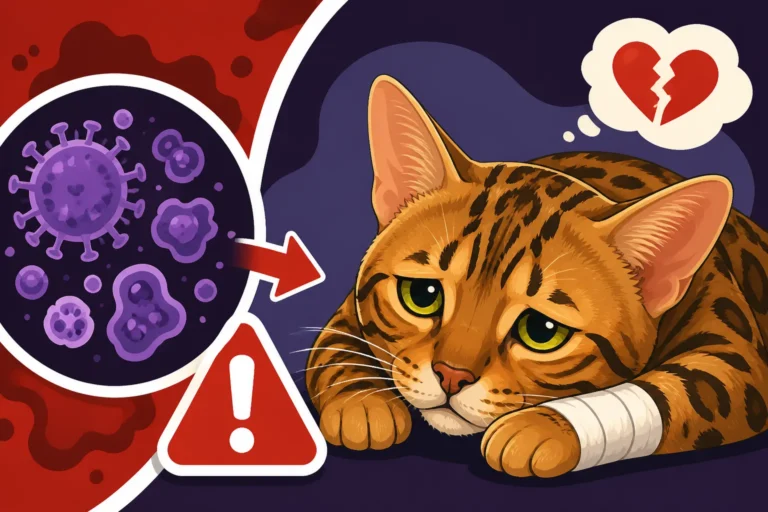
Bengals are incredibly adept at hiding pain, a trait inherited from their wild ancestors. This means you have to be extra vigilant for subtle clues. Instead of a clear limp, you might see a slight hesitation before jumping, a change in how they position themselves in the litter box, or a reduced desire to play. They might groom less, or conversely, over-groom a painful area. Understanding How a Bengal Cat Hides Pain is vital for their comfort.
If your vet identifies arthritis or other painful conditions, there are many ways to manage their discomfort. This can include prescription pain medications, joint supplements containing glucosamine and chondroitin, or even physical therapy exercises. Creating a comfortable environment by providing soft, orthopedic beds and ensuring easy access to food, water, and litter boxes can also make a huge difference.
Dietary Adjustments
As a Bengal's activity levels decrease and their metabolism changes, their nutritional needs will evolve. The high-energy, muscle-building foods of their youth might no longer be appropriate. Many senior cat foods are formulated with lower calorie counts to prevent weight gain, and different protein levels. While many Bengal owners obsess over high protein, Whether an Aging Bengal Cat Needs Less Protein is a nuanced question best answered by your vet, who can assess your cat's individual health status. Some senior cats may benefit from slightly lower protein if they have early kidney disease, while others still need a good quality protein source to maintain muscle mass.
Hydration becomes even more critical for older cats, particularly those with kidney concerns. Encouraging water intake with multiple water bowls, a cat fountain (Bengals love running water!), and a diet rich in wet food can be highly beneficial. If appetite declines, your vet might suggest appetite stimulants or prescription diets tailored to specific health conditions. Always consult your veterinarian before making significant changes to your senior Bengal's diet.
Supporting Your Aging Bengal's Well-being
Providing optimal care for a senior Bengal means adapting their environment and routines to support their changing needs, ensuring their twilight years are as comfortable and joyful as possible.
Environmental Modifications for Comfort
Think about making your home more accessible and comfortable for an older cat who might not jump as high or move as quickly. This means creating a senior-friendly environment. Ramps or pet stairs can be a godsend, allowing them easy access to their favorite elevated sleeping spots on the sofa or your bed without straining their joints. Lower-sided litter boxes are crucial, especially if they have arthritis, making it easier for them to get in and out without discomfort. The days of deep-digging might be past, but they still need room, so choose Which Litter Box Survives a Bengal Cat but one they can easily enter.
Ensure their favorite resting places are warm, soft, and away from drafts. Orthopedic beds can provide extra support for aching joints. Keep their food, water, and litter boxes easily accessible on one level if possible, reducing the need for them to navigate stairs frequently. Maintaining a consistent routine is also important; older cats can be less adaptable to change, so predictable mealtimes and play sessions help reduce stress.
Maintaining Mental and Physical Engagement
Even a senior Bengal still possesses that intelligent, curious mind and some desire for activity. The question Whether an Aging Bengal Cat Still Needs a Catio is often yes, but perhaps for gentler sunbathing and bird-watching rather than intense climbing. Gentle play sessions with a feather wand or puzzle toys can keep their minds sharp and bodies moving without overexertion. Think about short, interactive games that mimic hunting, but without the intense physical demands. They might not chase for 20 minutes straight, but two or three five-minute sessions throughout the day can be wonderfully enriching.
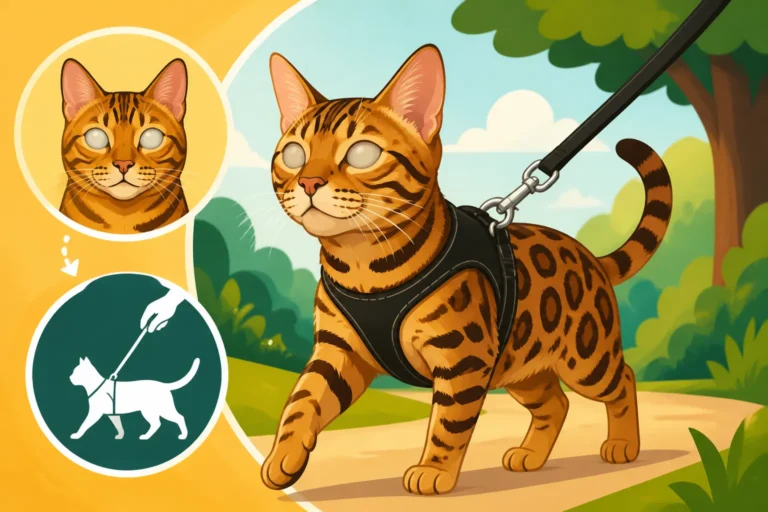
Continuing with leash walks, if they enjoy them, can be a great way to provide enrichment and gentle exercise. Just be prepared for a slower pace and shorter excursions, focusing on sniffing and exploring rather than power walking. Keep their world stimulating with new scents, safe outdoor access if possible, and plenty of one-on-one attention. The goal is engagement, not exhaustion.
Regular Veterinary Care and Monitoring
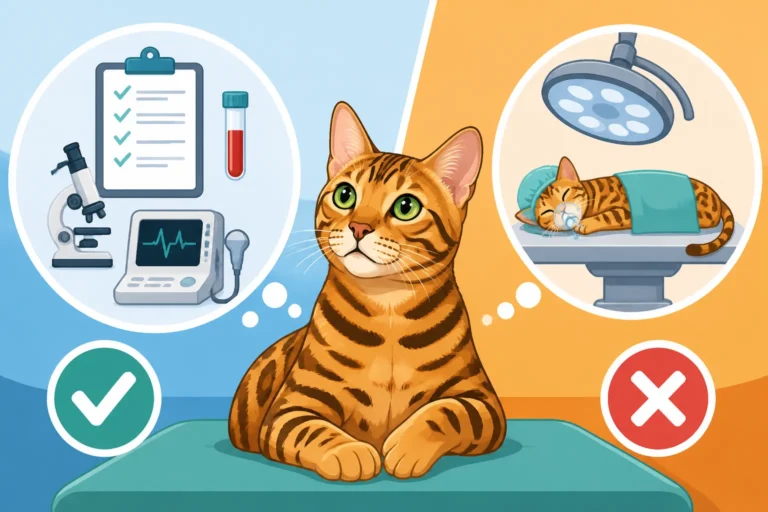
The cornerstone of caring for a senior Bengal is consistent, proactive veterinary care. At this age, annual wellness exams are often not enough; many vets recommend semi-annual check-ups to catch potential issues early. These visits will typically include a thorough physical examination, checking their weight, teeth, heart, and joints. Your vet will also likely recommend What a Bengal Cat's Yearly Bloodwork Should Cover, including a complete blood count, biochemistry panel, and thyroid levels, as well as a urinalysis. These tests can reveal early signs of kidney disease, diabetes, hyperthyroidism, and other age-related conditions before they become advanced.
Early detection is key to effective management, often leading to better outcomes and a higher quality of life for your aging feline friend. Given the potential costs associated with diagnosing and treating chronic conditions in senior cats, investing in pet insurance like Healthy Paws, which covers accidents and illnesses, can be a prudent decision. It ensures that you can make medical decisions based on what's best for your Bengal, rather than being constrained by financial worries. Regular communication with your vet, discussing any changes you observe in your cat's behavior or physical condition, is your best tool for helping your Bengal thrive in their senior years. While The Age a Bengal Cat Is Considered Senior is typically around ten, with dedicated care, many Bengals continue to live vibrant lives, reaching the upper end of The Twelve to Sixteen Years a Bengal Cat Gets and beyond.
Disclaimer
This article is for general informational purposes only and does not constitute professional advice. Laws, prices and regulations vary by location and change over time. Consult a qualified professional for guidance on your specific situation.