Why a Cardiologist Should Scan a Bengal Cat
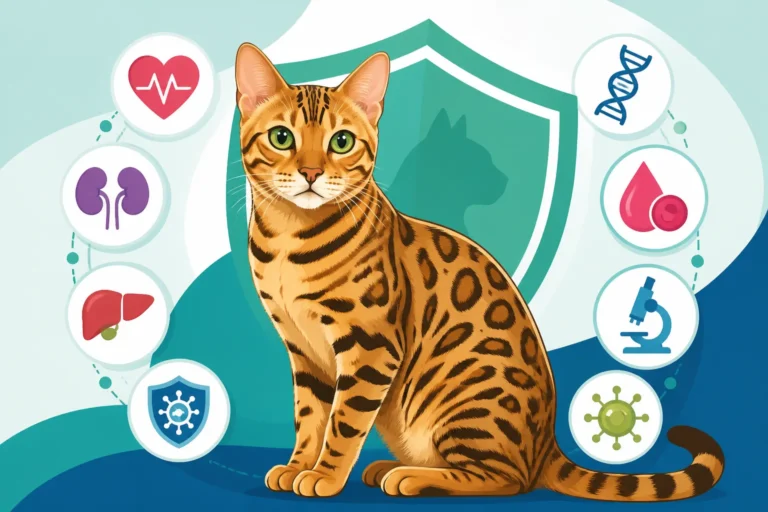
One of the most concerning truths about Bengal cats, and really, about many felines, is their incredible ability to mask illness. When it comes to something as serious as heart disease, specifically Hypertrophic Cardiomyopathy (HCM), this can be truly frightening. You might not see any outward signs until the condition is dangerously advanced, which is why a specialist cardiologist's scan is not just a recommendation, it's an essential part of responsible Bengal cat ownership. This guide will walk you through why this specific expertise is so crucial for your beloved spotted companion.
Understanding HCM in Bengal Cats: A Silent Threat
It’s truly disheartening to think that our vibrant, energetic Bengal cats could be harboring a serious heart condition without us even knowing. Hypertrophic Cardiomyopathy, or HCM, is unfortunately a significant concern for the breed, and understanding its nature is the first step in protecting your furry family member.
What HCM Does to a Bengal Cat's Heart
Imagine the powerful, agile heart of your Bengal – constantly working to pump blood throughout their athletic body. Now, picture that heart’s walls, specifically the main pumping chamber (the left ventricle), gradually thickening. This isn’t a healthy, muscular thickening from exercise; it’s an abnormal, progressive process that characterizes HCM. As the heart muscle gets thicker and stiffer, it struggles to relax properly and fill with enough blood between beats. This reduces the heart's efficiency, meaning less oxygenated blood gets out to the body, and blood can start to back up into the lungs.
The insidious nature of HCM is that it often develops slowly, allowing the cat’s body to compensate for a long time without showing any obvious symptoms. What can feel like a normal, active life for your Bengal could, in reality, be masking a deteriorating heart condition. This silent progression is why regular check-ups, especially specialized ones, are so incredibly important. For a deeper dive into the mechanics of this disease, you might find our article on What HCM Does to a Bengal Cat's Heart particularly enlightening.
Why Bengal Cats Are Particularly Susceptible
While HCM can affect any cat breed, Bengal cats are unfortunately one of the breeds with a higher genetic predisposition, alongside Maine Coons and Ragdolls. This means that even with the best care, your Bengal carries a higher inherent risk. It’s a bit like certain human families having a predisposition to specific health issues; it’s just part of their genetic makeup. This genetic link is why responsible breeders are so diligent about screening their breeding cats.
Because of this heightened risk, relying solely on a general veterinary check-up for heart health might not be enough. A standard stethoscope listen might pick up a very obvious murmur, but many early or even moderately advanced cases of HCM don't produce a detectable murmur. This doesn't mean your vet isn't skilled; it simply means the diagnostic tools available to a general practitioner are limited when it comes to subtle cardiac changes. Understanding How Common HCM Is in Bengal Cats really highlights the need for proactive screening in this breed.
The Crucial Role of a Veterinary Cardiologist
When you’re dealing with a breed prone to a silent killer like HCM, turning to a specialist isn't an extravagance, it's a necessity. A veterinary cardiologist brings a level of expertise and specialized equipment that simply isn't available in most general practices.
The Limitations of a General Vet's Exam
Most general veterinary visits involve a thorough physical examination, which includes listening to your cat's heart with a stethoscope – a process called auscultation. Your vet is listening for heart murmurs, which are abnormal whooshing sounds caused by turbulent blood flow. They might also check your Bengal's pulse, respiratory rate, and general demeanor. These are all vital components of a routine check-up, and your general vet is excellent at spotting a wide range of issues.
However, when it comes to HCM, a heart murmur isn’t always present, especially in the early stages. And even if a murmur is detected, it doesn't automatically mean your cat has HCM. Murmurs can be benign ("innocent") or caused by other, less severe heart conditions. Conversely, a cat can have significant HCM without any detectable murmur at all. This ambiguity is the frustrating reality of diagnosing early heart disease in cats. By the time obvious clinical signs appear – like difficulty breathing, lethargy, or even sudden collapse – the disease is often quite advanced. If you’re ever concerned about subtle changes, our article on Signs a Bengal Cat Has Heart Disease offers more details to watch for.
What a Specialist Cardiologist Brings to the Table
This is where a veterinary cardiologist truly shines. These dedicated professionals have completed extensive additional training (often 3-5 years post-veterinary school) in the diagnosis and treatment of heart and circulatory system diseases. They possess an in-depth understanding of feline cardiology that goes far beyond what a general practitioner can reasonably be expected to know.
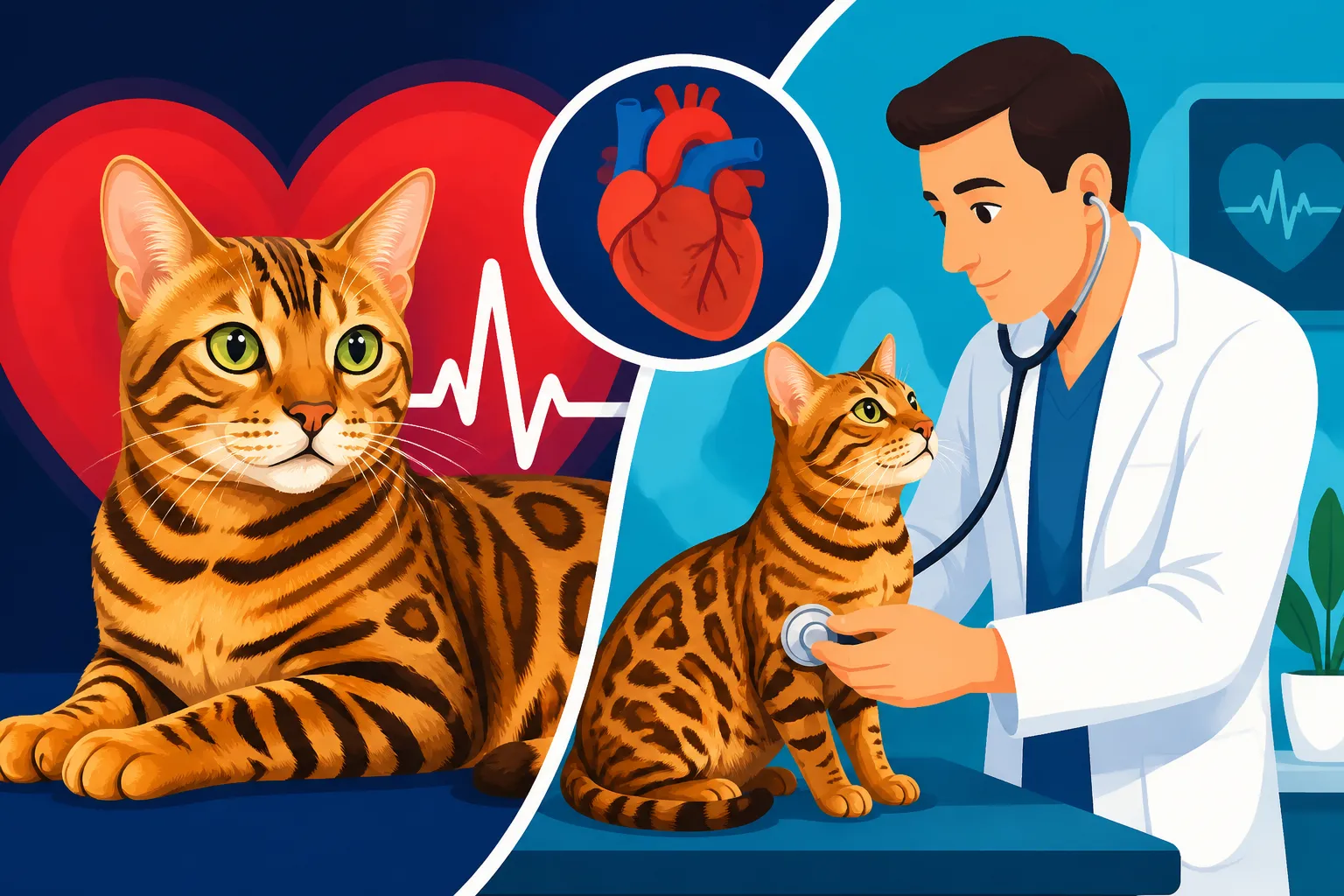
Their primary diagnostic tool for HCM is the echocardiogram, essentially an ultrasound of the heart. This non-invasive procedure allows the cardiologist to visualize the heart's structures in real-time, measure the thickness of the heart muscle walls, assess the size of the chambers, and observe how well the valves are functioning and how blood is flowing. They can detect the subtle thickening that indicates HCM long before any murmur develops or symptoms appear.
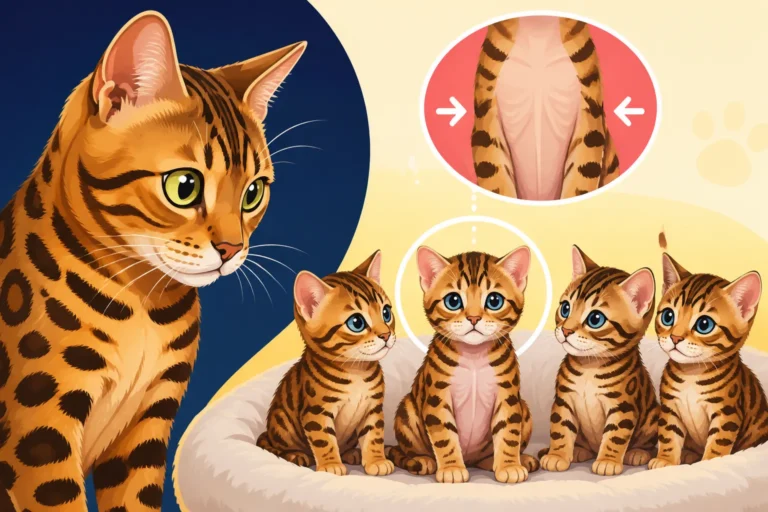
During an echo, your Bengal will typically be gently restrained, usually without sedation, lying on their side on a padded table with a small area of fur shaved on their chest to ensure good contact for the ultrasound probe. The cardiologist will then meticulously scan the heart from various angles, taking precise measurements and evaluating every aspect of its function. This level of detailed assessment is critical for identifying HCM in its earliest stages, allowing for timely intervention and management. Knowing How a Bengal Cat's Echo Is Performed can help ease any anxieties you might have about the procedure.
The Echo Scan: What It Entails and Why It's Necessary
The echocardiogram is the gold standard for diagnosing HCM in Bengal cats. It provides a complete, dynamic picture of your cat’s heart, giving the cardiologist the detailed information they need to make an accurate diagnosis and develop a treatment plan.
Preparing Your Bengal for an Echocardiogram
One of the great things about an echocardiogram for a cat is how straightforward the preparation usually is. Unlike some other veterinary procedures, your Bengal typically won’t need to fast beforehand. In fact, it's often better if they've eaten their regular meal, as this helps keep them settled. The most important "preparation" is simply ensuring your cat is as calm and relaxed as possible.
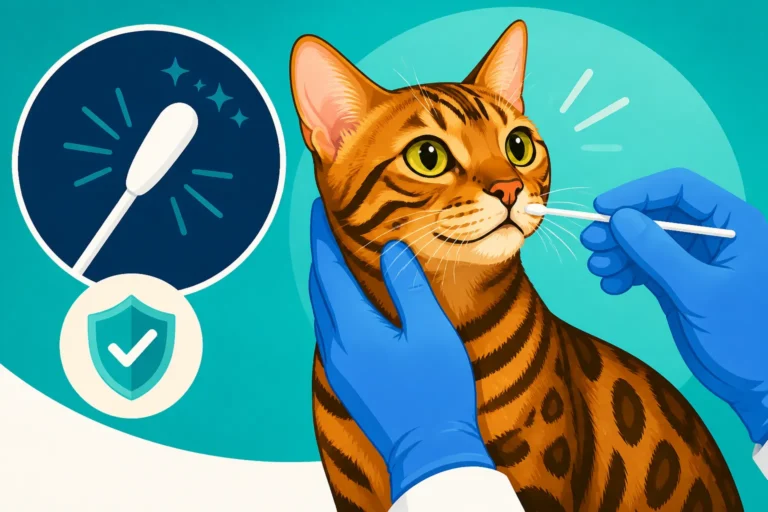
When you arrive at the specialist clinic, the veterinary staff are usually experts at handling cats, especially those who might be a bit anxious. They’ll likely take your Bengal into a quiet room, often called the "echo suite," where the lighting is usually dim, and the atmosphere is serene. A small patch of fur on your cat's chest will be gently shaved to allow the ultrasound probe to make direct contact with the skin, ensuring clear images. This is a painless process, much like getting a haircut. The entire procedure usually takes between 30 to 60 minutes, with your Bengal typically lying comfortably on their side, often with a technician gently comforting them throughout. Many Bengals tolerate the procedure very well, sometimes even dozing off!
Interpreting the Results and Next Steps
Once the echocardiogram is complete, the cardiologist will meticulously review all the images and measurements. They are looking for specific indicators of HCM, such as increased thickness of the left ventricular walls and papillary muscles, changes in the mitral valve, and altered blood flow dynamics. Based on these findings, the cardiologist will grade the severity of any present HCM. This comprehensive assessment is something only a highly specialized expert can provide.
If HCM is diagnosed, it's natural to feel overwhelmed, but remember that early detection is key. While there is currently no cure for HCM, there are medications that can significantly help manage the condition and improve your Bengal's quality of life. These might include beta-blockers to slow the heart rate and allow the heart to fill more effectively, ACE inhibitors to reduce the heart’s workload, or anti-clotting medications like Plavix to prevent the formation of dangerous blood clots, which are a serious complication of advanced HCM. Our article on Which Medication a Bengal Cat With HCM Takes elaborates on these treatments.
The cardiologist will then discuss a personalized management plan with you, which will include medication, regular re-check echoes, and advice on monitoring your cat at home. This proactive approach can make a huge difference in extending your Bengal’s healthy years. It's tough news to get, but understanding How Long a Bengal Cat Lives After an HCM Diagnosis with proper care can provide some much-needed perspective and hope.
Proactive Heart Health for Your Bengal
Taking a proactive approach to your Bengal's heart health is arguably the most loving thing you can do for them. It's about staying ahead of potential problems, rather than reacting to emergencies.
Recommended Screening Schedule
Given the breed’s susceptibility, establishing a regular screening schedule with a board-certified veterinary cardiologist is paramount. For breeding Bengals, a first echocardiogram is usually recommended around 12 months of age. For pet Bengals, a similar timeline is generally advisable, or at least before their second birthday. It's a foundational check to establish a baseline and catch any early signs of disease. For more on initial screenings, see When a Bengal Cat Should Have Its First Echo.
After the initial scan, the frequency of subsequent echocardiograms will depend on the initial findings and the cardiologist’s recommendations. Typically, if the heart is completely clear, an annual or biennial re-scan is advised. If minor changes are noted, or if your Bengal comes from a lineage with a history of early-onset HCM, more frequent checks might be recommended. This consistent monitoring allows the cardiologist to track any progression of the disease and adjust treatment plans as needed, ensuring your Bengal receives the best possible care throughout their life. Delving into How Often a Bengal Cat Needs an Echo can give you a better idea of what to expect over the years.
Financial Considerations and Pet Insurance
Let's be real – specialist veterinary care, including advanced diagnostics like echocardiograms, isn't cheap. A single cardiac ultrasound can range from a few hundred dollars to well over a thousand, depending on your location and the clinic. When you factor in potential follow-up scans, medications, and the possibility of emergency care for complications like a blood clot, the costs can add up quickly. It's a common frustration for pet parents: wanting the best for their beloved animal but worrying about the financial burden. Our article on What a Bengal Cat's Echo Costs provides a general idea of these expenses.
This is where pet insurance can be an absolute lifesaver. Companies like Healthy Paws offer comprehensive plans that can cover a significant portion of specialist consultation fees, diagnostic tests like echocardiograms, and ongoing treatments. Imagine the peace of mind knowing that if your Bengal is diagnosed with HCM, a substantial part of their medication costs – which can include daily pills for the rest of their life – could be covered. Policies from providers such as Healthy Paws often kick in for unexpected illnesses and accidents, which includes conditions like HCM once the waiting period is met.
It’s crucial to research policies carefully before signing up; some older pets or those with pre-existing conditions might not be eligible for full coverage. However, if you enroll your Bengal when they are young and healthy, a plan from Healthy Paws could genuinely alleviate much of the financial stress associated with managing a chronic condition. For instance, the cost of anti-clotting medication alone can be considerable, so having a good pet insurance plan from Healthy Paws can mean the difference between getting necessary treatment and facing difficult choices. Even unexpected emergencies like a sudden blood clot can lead to bills of several thousands of dollars, making the investment in pet insurance like Healthy Paws incredibly worthwhile. To understand the potential long-term medication costs, check out What a Bengal Cat's HCM Medication Costs and for emergency situations, What a Bengal Cat's Clot Emergency Costs.
Here’s a quick overview of what to expect from a general vet versus a cardiologist for heart health:
| Feature | General Vet Exam | Veterinary Cardiologist Exam (Echocardiogram) |
|---|---|---|
| Primary Tool | Stethoscope, general physical exam | Echocardiogram (heart ultrasound), EKG |
| Focus | Overall health, detection of obvious murmurs/symptoms | Detailed cardiac structure, function, blood flow |
| Detection of HCM | Often misses early/asymptomatic cases | Gold standard for early and accurate diagnosis |
| Interpretation | Identifies potential issues, often refers out | Provides definitive diagnosis, staging, treatment |
| Cost | Included in routine exam, lower for specific check | Higher, as it's a specialist diagnostic procedure |
| Frequency (if clear) | Annual general check-up | Annual to biennial specialized echo |
| Prognosis/Management | Limited insights, relies on specialist input | Guides long-term management, medication, monitoring |
Disclaimer
The information provided in this article is for educational purposes only and should not be considered a substitute for professional veterinary advice. Always consult with a qualified veterinarian or veterinary cardiologist for any health concerns or before making any decisions about your Bengal cat's care.