How a Bengal Cat’s PRA-b Swab Is Taken
Bringing a new Bengal cat home is an exciting time, full of playful antics and stunning beauty. But with that joy often comes a natural anxiety about their health, especially when it comes to genetic conditions like PRA-b (Progressive Retinal Atrophy, Bengal variant). Understanding how to perform a simple DNA swab for this condition can feel daunting, like navigating a complicated medical procedure, but it's actually quite straightforward, and this guide will walk you through every step, ensuring you feel confident and prepared.
Understanding PRA-b in Bengal Cats
First things first, let's talk a little about why we even do this test. Progressive Retinal Atrophy, particularly the Bengal variant (PRA-b), is a serious inherited eye condition that, sadly, leads to blindness in affected Bengal cats. It’s not something you want to discover too late, especially when prevention through responsible breeding and early detection through testing is so accessible.
Why PRA-b Testing Matters
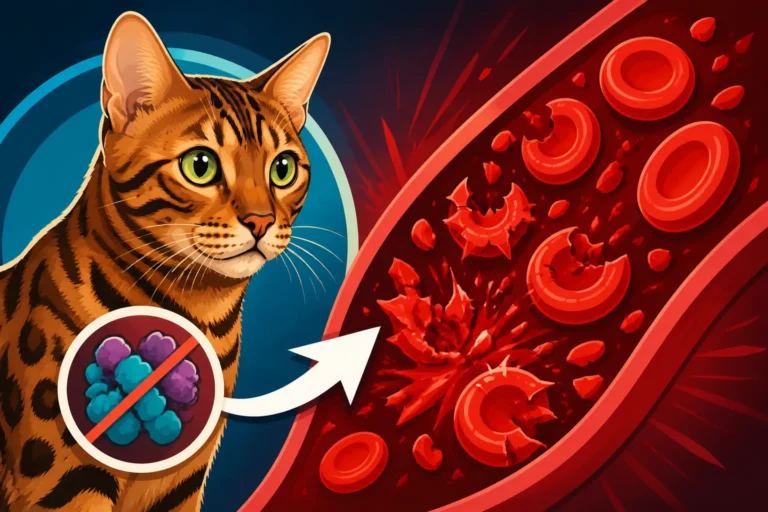
For any Bengal cat owner, especially those considering breeding, understanding the genetic health of their feline companion is paramount. PRA-b is a recessive genetic disorder, meaning a cat must inherit two copies of the defective gene (one from each parent) to be affected and eventually go blind. If a cat only inherits one copy, they are considered a "carrier" and won't develop the disease themselves, but they can pass it on to their offspring. This is why testing is so crucial for breeders, as it helps them make informed decisions to avoid breeding two carriers together, which would produce affected kittens. Even for pet owners, knowing your cat's status can prepare you for potential future health needs. For a deeper dive into what this condition does to their vision, you might want to read our post on What PRA-b Does to a Bengal Cat's Sight.
The Genetic Basis of PRA-b
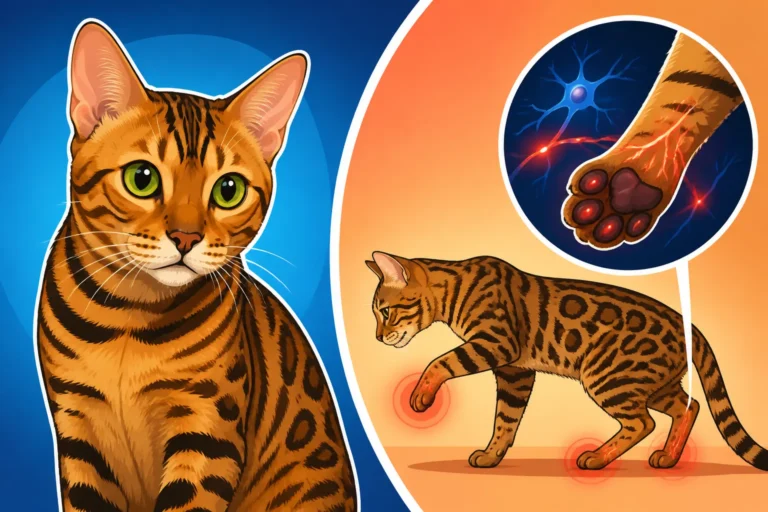
The science behind PRA-b is fascinating, albeit a bit complex. It's caused by a specific mutation in a particular gene, and this mutation is unique to the Bengal breed, making targeted DNA testing possible and highly effective. Unlike some other health issues that might manifest suddenly, PRA-b has a progressive nature, meaning the retina slowly degenerates over time. Kittens might show no signs at all, but as they mature, their night vision can start to decline, eventually leading to full blindness. Knowing Which Gene Causes PRA-b in a Bengal Cat helps breeders choose the right tests and helps owners understand the reports they receive from labs.
Preparing for Your Bengal Cat's Swab Collection
The thought of swabbing your Bengal cat might conjure images of wrestling a wild animal, but with a little preparation, it can be a surprisingly calm experience. The key is to make it as stress-free as possible for both you and your cat. Remember, Bengal cats are intelligent and observant; your calm demeanor will go a long way in keeping them relaxed.
Gathering Your Supplies
Before you even think about approaching your feline friend, make sure you have everything laid out and ready. This isn't the time to be rummaging through drawers! Most reputable labs, like Optimal Selection or Wisdom Panel, will send you a kit specifically designed for DNA collection. This kit usually contains sterile buccal swabs, which look a bit like long Q-tips with a brush-like tip, along with instructions, sample tubes, and return packaging.
Here's a quick checklist of what you'll need:
| Item | Purpose | Notes |
|---|---|---|
| DNA Collection Kit | Contains sterile swabs, tubes, instructions, and return envelope. | Ordered directly from the testing laboratory. |
| Treats | For positive reinforcement before, during, and after the swabbing. | Your Bengal's absolute favorite, irresistible treats. |
| Towels or Blanket | To comfortably wrap your cat if they need gentle restraint. | Soft, familiar scent, for security. |
| Another Person | An extra set of hands can be invaluable for holding and comforting. | Not strictly necessary but highly recommended. |
| Labeling Pen/Marker | To clearly label the sample tubes with your cat's information. | Permanent marker is best to prevent smudging. |
| Your Cat's Registration | If required by the lab, have your cat's registration number handy for labeling. | Check the kit instructions for specific requirements. |
It's also a good idea to ensure your Bengal hasn't eaten for about an hour before swabbing. Food particles in their mouth can sometimes contaminate the sample, leading to unclear results or requiring a retest, which nobody wants!
Creating a Calm Environment
Bengal cats thrive on routine and can be sensitive to changes in their environment. To minimize stress during the swab collection, choose a time when your cat is relaxed and comfortable. Maybe after a good play session when they're winding down, or during their usual cuddle time. Pick a quiet room where you won't be interrupted, free from loud noises or other pets that might cause a distraction.
Think about scent, too. Cats are very olfactory creatures. If you have any calming pheromone sprays, like Feliway, you might want to use them in the room about 15-20 minutes beforehand. Having a familiar blanket or their favorite bed nearby can also provide a sense of security. If your Bengal is particularly feisty or nervous, consider wrapping them gently in a towel – a technique often called a "purrito" – leaving just their head exposed. This can provide a comforting snugness and prevent them from wiggling away too much. Remember, the goal is to make this a positive or at least neutral experience, so keep your voice soft and reassuring throughout the process.
The Step-by-Step Swab Collection Process
Okay, you've got your supplies, your cat is (hopefully) relaxed, and the environment is calm. Now for the main event! Don't fret; it's simpler than it sounds. Most importantly, stay patient and remember to reward your Bengal generously.
Handling Your Bengal Cat Safely
Bengal cats are known for their high energy and intelligent, sometimes mischievous, nature. Getting them to sit still for a few moments might be the trickiest part of this whole operation! If you have a cooperative cat, simply holding them securely in your lap or having a second person gently hold them can work. The key is comfort and stability.
For those more active Bengals, a gentle "purrito" wrap can be a lifesaver. Take a soft towel or blanket and wrap your cat snugly, leaving only their head exposed. This prevents them from using their paws to swat at the swab or wriggle free. Be firm but gentle; you want them to feel secure, not trapped. Offer a few calming strokes and reassuring words. This isn't about force, but about a controlled, safe environment for both of you. Many pet owners find that training their cats to accept handling from a young age makes these tasks easier, and consistent positive reinforcement, maybe even from a pet insurance plan like Healthy Paws that encourages preventative care, can help build that trust.
The Actual Swabbing Technique
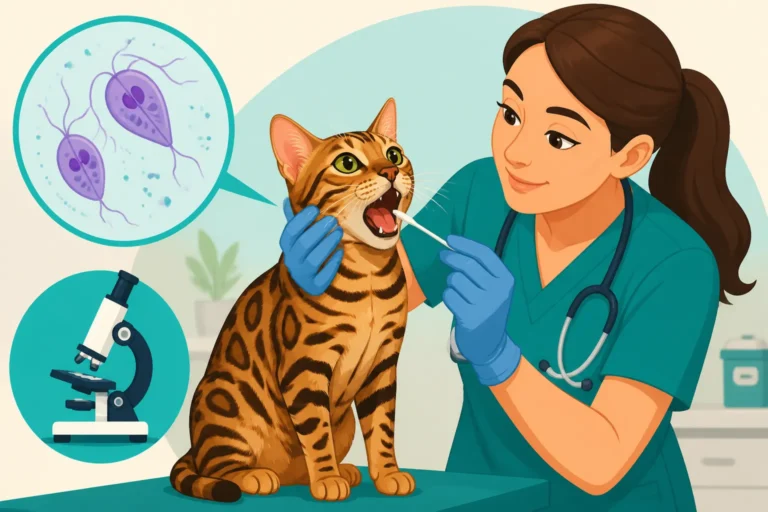
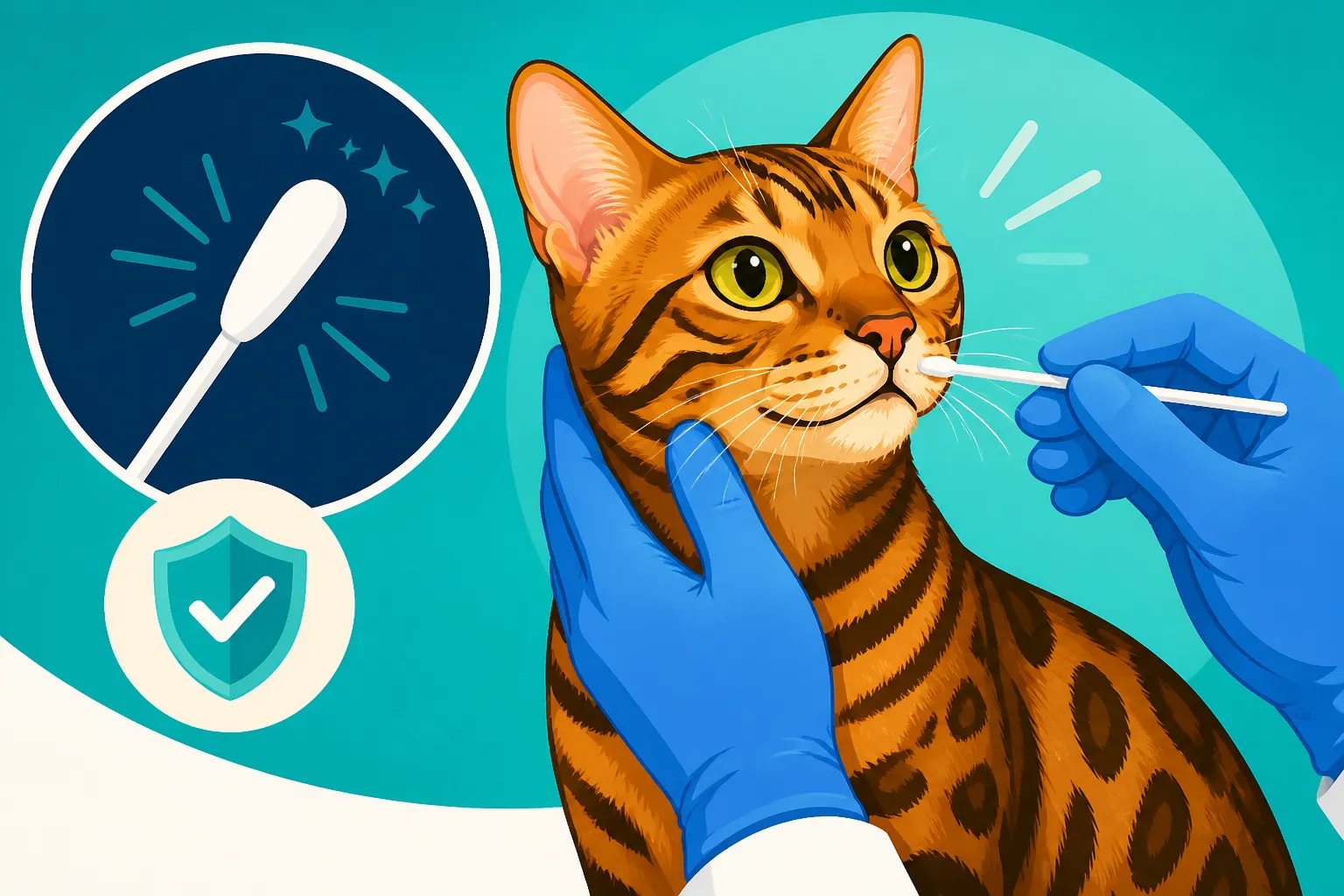
Now for the swab itself. Carefully open the sterile swab packaging, making sure to only touch the handle of the swab, not the soft, brush-like tip. The tip needs to remain sterile to ensure an accurate sample.
- Locate the Cheek Pouch: Gently lift your Bengal cat's lip to expose the inner cheek. You'll be swabbing the gumline and inside of the cheek.
- Swab Vigorously: Insert the swab into your cat's mouth, aiming for the area between their cheek and gums. Rotate the swab and rub it firmly against the inside of the cheek for about 10-20 seconds. You're trying to collect epithelial cells, not saliva, so a good, firm scrape is important. Think of it like brushing teeth, but against the inner cheek. Do this on both sides of the mouth, using the same swab, to get a sufficient sample.
- Air Dry (If Required): Some labs recommend air-drying the swab for a few minutes after collection to prevent mold growth during transit. Check your specific kit's instructions. If air-drying is recommended, hold the swab in the air, without letting the tip touch anything, for the specified time.
- Insert into Tube: Once the swabbing is complete (and air-dried if necessary), carefully insert the swab, tip first, into the collection tube provided in your kit. Break off the handle at the score line if indicated, so the tube can be sealed tightly.
- Repeat for Additional Swabs: Many kits come with two swabs per cat. It's always best to use both for a single sample if provided, as it increases the chances of getting enough DNA. If you have multiple cats being tested, ensure you keep each cat's swabs and tubes separate and clearly labeled. This is particularly important if you're testing multiple Bengal kittens from the same litter for conditions like PRA-b.
As soon as the swab is safely in its tube, immediately offer praise and plenty of those high-value treats! You want your Bengal to associate this experience with something positive, even if it was a little odd.
Packaging and Sending the Sample
Once you've collected the samples and secured them in their respective tubes, it's time for the final steps: labeling and shipping.
- Labeling: This is crucial. Use the permanent marker to clearly write your cat's name, your name, and any other identifying information (like a unique ID number provided by the lab or their TICA registration number, if applicable) on each tube. Double-check that the information on the tube matches any submission forms you're filling out. Errors here can lead to delays or incorrect results. If you’re checking How a Bengal Cat's PRA-b Swab Is Taken for a breeding cat, accurate labeling linked to their pedigree is absolutely essential for verifying results, especially when it comes to knowing Whether a Breeder Must Show a Bengal Cat's PRA-b Result to potential buyers.
- Filling Out Forms: Most kits include a submission form. Fill this out completely and accurately, providing all requested information, including your contact details, your cat's breed, date of birth, and any specific tests you've requested. Make sure the names and IDs on the form match the labels on the tubes.
- Packaging for Shipment: Place the labeled tubes and the completed submission form into the provided return envelope or box. Ensure everything is secure.
- Shipping: Follow the lab's instructions for shipping. Many provide a pre-paid, pre-addressed return envelope. Drop it off at the designated postal service. Most labs are located in central hubs; for example, if you're wondering Which Lab Runs the Bengal Cat PRA-b Test, many popular choices like Optimal Selection are based in major research areas, making shipping relatively straightforward.
A quick note on cost: the price of a DNA test for PRA-b can vary depending on the lab and whether it's part of a larger health panel. If you're curious about the financial aspect, our guide on What the Bengal Cat PRA-b Test Costs provides a comprehensive breakdown. Knowing this beforehand can also help manage expectations and budgets, especially if you have pet insurance like Healthy Paws, which might not cover genetic testing but is invaluable for future care.
What to Do After the Swab Collection
You've done the hard part – collecting the sample! Now comes the waiting game, which, let's be honest, can be the most nerve-wracking part for many Bengal cat owners. But rest assured, you've taken a proactive step in your cat's health journey.
Common Challenges and Troubleshooting
Even with the best preparation, things don't always go perfectly. What if your Bengal cat just won't cooperate? What if you feel like you didn't get a good enough sample?
- Uncooperative Cat: If your Bengal is truly resistant and you can't safely get the swab, don't force it. Stressing them out too much can damage your bond. You can try again later when they're calmer, perhaps after a nap or a vigorous play session that leaves them tired. Consider asking your veterinarian for assistance; they are skilled at handling even the most difficult cats and can often collect the sample quickly and efficiently. Some vets might even offer a brief consultation that could be covered by a wellness plan, if you have one through a provider like Healthy Paws.
- Insufficient Sample: If you're worried you didn't get enough cells, remember that most labs are designed to work with very small amounts of DNA. Using both swabs provided in the kit greatly increases the chances of a good sample. If the lab finds the sample insufficient, they will typically contact you and send new swabs for a retest, usually at no additional charge for the testing itself, though you might incur shipping costs again.
- Contamination: This is less common with buccal swabs than with blood samples, but it can happen if the swab touches surfaces other than your cat's cheek. That's why keeping the tip sterile is so important. If contamination is suspected, the lab will let you know.
The goal is always a stress-free process, so if you're struggling, don't hesitate to seek professional help. Your vet is a fantastic resource for all aspects of your Bengal's health.
Awaiting Results and Next Steps
The turnaround time for DNA test results can vary, typically ranging from a couple of weeks to over a month, depending on the lab and the tests requested. Most labs will notify you via email when the results are ready and provide access to an online portal where you can view and download them.
When the results arrive, they will usually clearly state whether your Bengal cat is "Clear," "Carrier," or "Affected" for PRA-b.
- Clear: Your cat does not carry the PRA-b gene mutation.
- Carrier: Your cat carries one copy of the PRA-b gene mutation but will not develop the disease. They can pass it on to offspring.
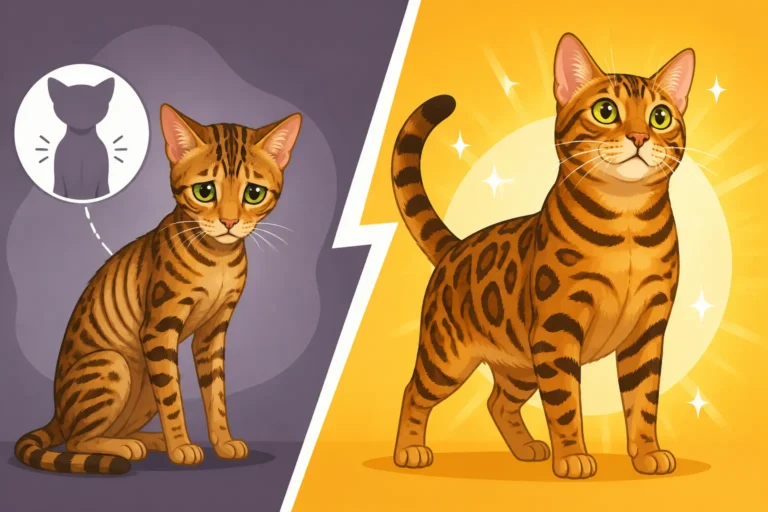
- Affected: Your cat carries two copies of the PRA-b gene mutation and will likely develop the disease, eventually leading to blindness. For affected cats, knowing The Age a Bengal Cat With PRA-b Goes Blind can help you prepare for their future needs and learn How a Blind Bengal Cat Copes.
If your cat is a carrier or affected, it's wise to discuss these results with your veterinarian, even if your cat is a pet and not intended for breeding. They can offer guidance on monitoring your cat's eye health and any special considerations for their care as they age. This information is invaluable for responsible pet ownership, and having insights into conditions like PRA-b truly embodies responsible care, a principle often supported by comprehensive pet health plans, such as those from Healthy Paws, which focus on your pet's overall well-being. Knowing your cat's genetic status allows you to provide the best possible preventative and ongoing care, offering peace of mind that you're doing everything you can for your beloved Bengal.
Disclaimer
This article is for general informational purposes only and does not constitute professional advice. Laws, prices and regulations vary by location and change over time. Consult a qualified professional for guidance on your specific situation.