What a Bengal Cat’s Clot Emergency Costs
Few things are more terrifying for a Bengal cat owner than witnessing their vibrant, energetic companion suddenly collapse, panting and unable to move a limb. This isn't just a scary moment; it's often a signal of a severe clot emergency, a crisis that requires immediate, expensive veterinary intervention. This guide will walk you through the various financial aspects of such an emergency, from the initial diagnostic scramble to ongoing treatment and how to potentially prepare for these unforeseen costs.
Understanding the Bengal Cat Clot Emergency
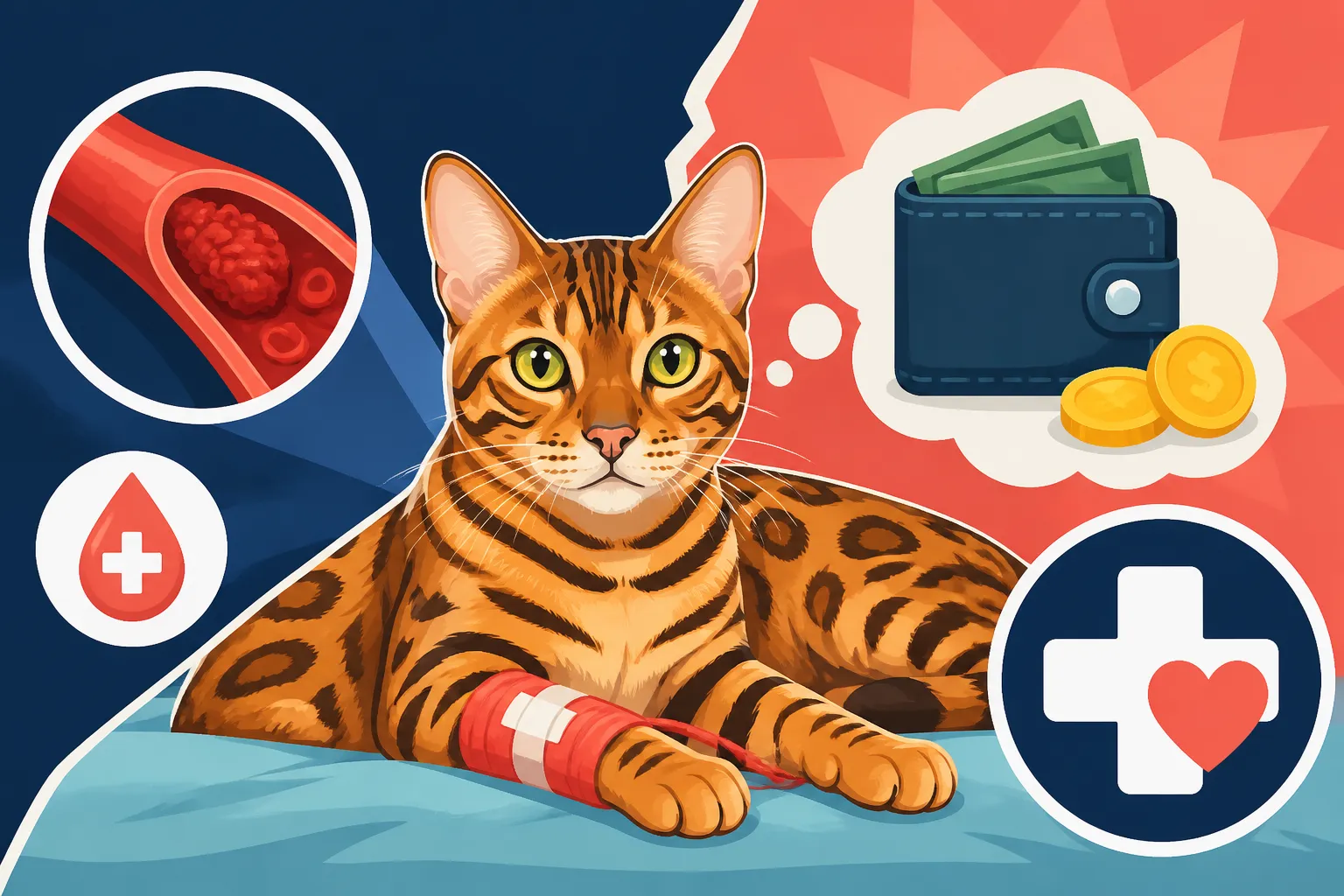
When your usually agile Bengal cat suddenly screams in pain, drags a back leg, or struggles to breathe, your mind races. It's a shocking experience, and for many Bengal owners, it's the first sign of a serious, life-threatening condition: an arterial thromboembolism, more commonly known as a "saddle thrombus" because the clot often lodges where the aorta splits to supply blood to the hind legs. This sudden blockage cuts off blood flow, causing acute pain and paralysis, and it's almost always a secondary complication of underlying heart disease.
What Exactly Is a "Clot Emergency" in a Bengal Cat?
A clot emergency, or saddle thrombus, occurs when a blood clot forms in the heart, usually due to turbulence and damage caused by heart disease, and then travels through the bloodstream. When this clot reaches a narrower artery, it gets stuck, blocking blood flow to the tissue beyond. The most common site for this to happen is at the bifurcation of the aorta, right where it branches off to supply the back legs. The sudden loss of oxygen to the muscles and nerves in the affected limb (or limbs) causes excruciating pain, paralysis, cold paws, and often, profound distress. It's a medical emergency that demands immediate veterinary attention, as every minute counts for potential recovery and pain management.
Why Are Bengal Cats at Higher Risk for Clots?
The primary reason Bengal cats, and other breeds, are at a higher risk for developing clots is an underlying heart condition called Hypertrophic Cardiomyopathy, or HCM. HCM Is What Kills Bengal Cats Early It’s a genetic disease that causes the muscular walls of the heart's pumping chambers to thicken. This thickening reduces the heart's efficiency and can lead to turbulent blood flow and an enlarged left atrium. The turbulent blood flow and stagnant blood in the enlarged atrium create the perfect conditions for a blood clot to form. Once formed, this clot can dislodge and travel, leading to the devastating saddle thrombus we discussed.
It’s a cruel irony that such a vibrant, active breed can be predisposed to a silent killer like HCM. Many cats show no Signs a Bengal Cat Has Heart Disease until a sudden, catastrophic event like a clot occurs. This is why regular screening, though not always perfect, is so crucial for the breed. If your Bengal cat has been diagnosed with HCM, even if they seem completely normal, the risk of a clot emergency is always a looming concern, and your vet will likely discuss preventative measures, which we’ll touch on later.
The Immediate Financial Shock: Emergency Vet Bills
When a clot emergency strikes, there's no time to spare. Your cat is in excruciating pain, and you're racing against the clock. This urgent need means you'll be heading straight to an emergency veterinary clinic, often outside regular hours, which immediately ramps up the costs. The initial assessment and stabilization are critical, but they come with a hefty price tag that can be a massive shock for unprepared owners.
Emergency Vet Visit and Diagnostics
The moment you arrive at the emergency vet with a suspected saddle thrombus, a flurry of activity begins. Your cat will be immediately assessed for pain, breathing difficulties, and vital signs. This initial emergency examination alone, especially after hours, can be a significant cost. But that's just the beginning. The vet needs to confirm the diagnosis and assess the extent of the damage. This usually involves several diagnostic tests:
- Physical Exam and Pain Assessment: The vet will check pulse, temperature, and examine the affected limbs for coldness and lack of sensation.
- Blood Work: Comprehensive blood tests are crucial to check for systemic issues, organ damage, and to assess clotting factors. This might include a complete blood count (CBC), chemistry panel, and sometimes specific cardiac biomarkers.
- Echocardiogram (Heart Ultrasound): This is paramount. A cardiac ultrasound allows the veterinary cardiologist to visualize the heart, confirm the presence and severity of HCM, assess heart function, and look for any existing clots within the heart chambers. This helps determine the prognosis and guide treatment. How a Bengal Cat's Echo Is Performed
- Doppler Ultrasound of Affected Limbs: To confirm the clot location and the absence of blood flow in the affected arteries.
- Radiographs (X-rays): Chest X-rays might be taken to check for fluid in the lungs, a common sign of congestive heart failure often associated with severe HCM.
The combined cost of these diagnostics can quickly climb into the hundreds to over a thousand dollars, and that's before any treatment even begins. It's a heartbreaking situation where you're making critical financial decisions under immense emotional pressure, all while your beloved cat is suffering.
Initial Treatment and Stabilization
Once the diagnosis is confirmed, the immediate goal is to stabilize your Bengal cat, manage their pain, and try to break down or prevent further clot formation. This phase is intense and resource-heavy.
- Pain Management: This is absolutely critical, as a saddle thrombus is incredibly painful. Your cat will likely receive powerful opioid pain medications, often delivered intravenously, to provide rapid relief.
- Anti-Clotting Medications: Drugs like heparin are often administered to prevent the clot from growing and to try to prevent new clots from forming. Depending on the situation, other anti-platelet medications may also be used.
- Fluids and Supportive Care: Intravenous fluids help maintain hydration and support circulation. Your cat will be monitored closely for breathing, heart rate, and blood pressure. Oxygen therapy might be necessary if they're in respiratory distress.
- Medications for Heart Disease: If HCM is diagnosed or confirmed, medications to support heart function, reduce fluid buildup, or control heart rate might be started immediately. Which Medication a Bengal Cat With HCM Takes
This initial stabilization period often means your Bengal cat will be admitted to the intensive care unit (ICU) for round-the-clock monitoring and care. ICU stays, especially with constant vet and tech attention, IV drips, and expensive medications, are a major cost driver. For instance, a single night in ICU could be several hundred dollars, not including the medication or procedures. It's truly an "all hands on deck" situation, and the bills reflect the specialized expertise and continuous care involved.
Beyond the Initial Crisis: Ongoing Care and Financial Planning
Surviving the initial clot emergency is a huge hurdle, but it's rarely the end of the financial journey. Your Bengal cat will need continued specialized care, rehabilitation, and long-term management of their underlying heart condition. This phase requires ongoing commitment, both emotionally and financially, and it's where careful planning and preparation truly make a difference.
Hospitalization and Specialist Care
After stabilization, if your Bengal cat's condition is improving, they might move out of the critical ICU but still require continued hospitalization for several days. This allows the veterinary team to closely monitor their recovery, adjust medications, and manage any complications. The length of stay can vary dramatically depending on the severity of the clot, the extent of limb damage, and how well your cat responds to treatment. During this time, they'll still be receiving medications, potentially physical therapy for the affected limb, and continuous nursing care.
Beyond the general emergency vet, your Bengal cat might need to see a board-certified veterinary cardiologist. These specialists have advanced training in diagnosing and treating heart conditions, which is essential for managing HCM and preventing future clots. Their consultations, follow-up echocardiograms, and specialized treatment plans can add another layer of significant expense. These experts can help determine How Long a Bengal Cat Lives After an HCM Diagnosis and provide guidance on optimizing their quality of life.
Medications and Follow-up Appointments
Even once your Bengal cat is home, the treatment doesn't stop. They will almost certainly be on a regimen of medications, potentially for the rest of their life. These can include:
- Anticoagulants/Antiplatelets: To prevent future clot formation (e.g., clopidogrel).
- Cardiac Medications: To manage HCM (e.g., beta-blockers, ACE inhibitors, diuretics).
- Pain Relievers: Especially during the initial recovery from the limb injury.
The cost of these medications can be substantial monthly. You'll also need frequent follow-up appointments with your regular vet, and potentially the cardiologist, to monitor your cat's heart health, assess the affected limb's recovery, and adjust medication dosages. These appointments might include repeat blood tests and echocardiograms. Think about setting up reliable refills for regular medication, or ask your vet about prescription diets if dietary changes for cardiac support are recommended, although this is less common for clot prevention specifically.
The Role of Pet Insurance and Budgeting
Given the high costs associated with a clot emergency and ongoing care, pet insurance can be an absolute lifesaver. Policies vary, but many can cover a significant percentage of emergency vet bills, diagnostics, hospitalization, and even long-term medication costs for conditions like HCM. It's vital to research policies carefully and understand what's covered, especially regarding pre-existing conditions. Many owners regret not having insurance until an emergency like this hits.
Healthy Paws is a well-regarded pet insurance provider that many Bengal cat owners consider. They offer comprehensive plans that could help cushion the financial blow of a saddle thrombus. For example, if your Bengal cat has an existing HCM diagnosis, some policies might not cover future HCM-related events like clots, but many will if the HCM was diagnosed after the policy was in effect and not considered a pre-existing condition. Always check the fine print! The monthly premiums for pet insurance can feel like an extra bill, but when you're facing thousands of dollars in emergency vet costs, that foresight pays dividends.
Here's a generalized table illustrating the typical cost breakdown, remembering that exact figures vary wildly by location, clinic, and severity:
| Cost Category | Typical Cost Shape (per event/month) | Description |
|---|---|---|
| Emergency Exam & Initial Consult | A few hundred dollars | Immediate assessment, triage, and vet consultation outside of normal hours. |
| Diagnostics | Hundreds to over a thousand dollars | Blood work, X-rays, Doppler ultrasound, echocardiogram to diagnose the clot and underlying HCM. |
| Pain Management & Stabilization | Hundreds to several hundred dollars | Immediate administration of strong pain relief, IV fluids, oxygen if needed. |
| Hospitalization (per day) | Hundreds of dollars | Overnight stay in ICU or general hospitalization, monitoring, nursing care. |
| Anti-clotting Medications | Tens to hundreds of dollars | Heparin, clopidogrel, often administered intravenously initially, then orally long-term. |
| Cardiac Medications (monthly) | Tens to hundreds of dollars | Medications like Atenolol, Vetmedin, Furosemide to manage HCM, often lifelong. |
| Follow-up Vet Visits | Tens to a hundred dollars | Recheck appointments with your primary vet, post-discharge. |
| Specialist Cardiologist Consult | Hundreds of dollars | Initial consultation with a board-certified cardiologist. |
| Follow-up Echocardiograms | Hundreds of dollars | Periodic heart ultrasounds to monitor HCM progression and treatment effectiveness. |
| Physical Therapy (if needed) | Tens to hundreds of dollars per session | For severe limb damage, rehabilitation to regain strength and mobility. |
Remember, these are general estimates, and actual costs can be higher, especially in metropolitan areas or for highly complex cases. Having a dedicated emergency fund or pet insurance from a provider like Healthy Paws can truly alleviate the stress of making critical medical decisions for your Bengal cat.
Preventing the Unthinkable: Investing in Proactive Health and Protection
While a clot emergency is often sudden, the underlying causes, like HCM, can be proactively managed to reduce risk. Investing in your Bengal cat's health before a crisis hits can not only improve their quality of life but also potentially save you from devastating emergency costs down the line. It's about being prepared, informed, and diligent as a responsible Bengal cat parent.
Proactive Health Management to Reduce Clot Risk
The best defense against a clot emergency is a good offense against HCM. If you own a Bengal, or are considering getting one, understanding and acting on this risk is crucial.
- Regular Cardiac Screening: This is paramount. Even if your Bengal cat shows no symptoms, annual echocardiograms performed by a veterinary cardiologist are highly recommended, especially for breeding cats and pet Bengals from lines known to have HCM. When a Bengal Cat Should Have Its First Echo can be as early as one year old, and How Often a Bengal Cat Needs an Echo is typically annually. Early detection allows for earlier intervention, potentially slowing the disease's progression and reducing clot risk.
- Genetic Testing (where applicable): While there isn't a direct gene test for HCM in Bengal cats like there is for Maine Coons, reputable breeders will test their breeding cats for other genetic conditions like PRA-b Blinds a Bengal Cat by Two and There Is a DNA Test and Pyruvate Kinase Deficiency in a Bengal Cat. While these don't directly relate to clots, they show a commitment to genetic health.
- Veterinary Care and Monitoring: Regular wellness exams with your primary vet are essential. They can listen for heart murmurs, monitor your cat's weight, and discuss any subtle changes in behavior that might indicate early heart disease. Your vet can advise on the best strategies for Caring for a Bengal Cat Past Ten, when health issues often become more prevalent.
- Diet and Lifestyle: While diet doesn't prevent HCM, a high-quality, species-appropriate diet can support overall health. Some owners opt for fresh food options or specific therapeutic diets recommended by their vet, especially if weight management is a concern. A balanced diet, adequate hydration (which a water fountain can encourage), and maintaining a healthy weight contribute to cardiovascular well-being. Look for foods from brands available on platforms like Chewy that offer transparent ingredient lists and high-quality protein.
Understanding the Importance of Pet Insurance
We've touched on this, but it bears repeating: pet insurance is your financial safety net for unexpected health crises. While the initial investment in premiums can seem like a lot, the peace of mind it offers when a life-threatening emergency like a clot occurs is invaluable. Imagine being able to say "yes" to every recommended treatment without having to agonizingly weigh your finances against your beloved cat's life.
When choosing a policy, especially for a Bengal cat, consider one that offers:
- Comprehensive Accident & Illness Coverage: This is key for conditions like HCM and its complications.
- High Reimbursement Percentage: Often 80-90% of covered veterinary costs.
- Deductibles You're Comfortable With: A higher deductible usually means lower monthly premiums.
- No Per-Incident Limits: Some policies cap payouts for each condition, which might be problematic for chronic issues like HCM.
Companies like Healthy Paws are popular choices because they often offer straightforward, comprehensive coverage. Always enroll your Bengal cat when they are young and healthy, before any conditions develop, to ensure maximum coverage. If you wait until a problem is diagnosed, it will likely be considered a pre-existing condition and excluded from coverage. This proactive step is one of the most powerful financial protections you can put in place for your energetic, adventurous Bengal.
Disclaimer
This article is for general informational purposes only and does not constitute professional advice. Laws, prices and regulations vary by location and change over time. Consult a qualified professional for guidance on your specific situation.