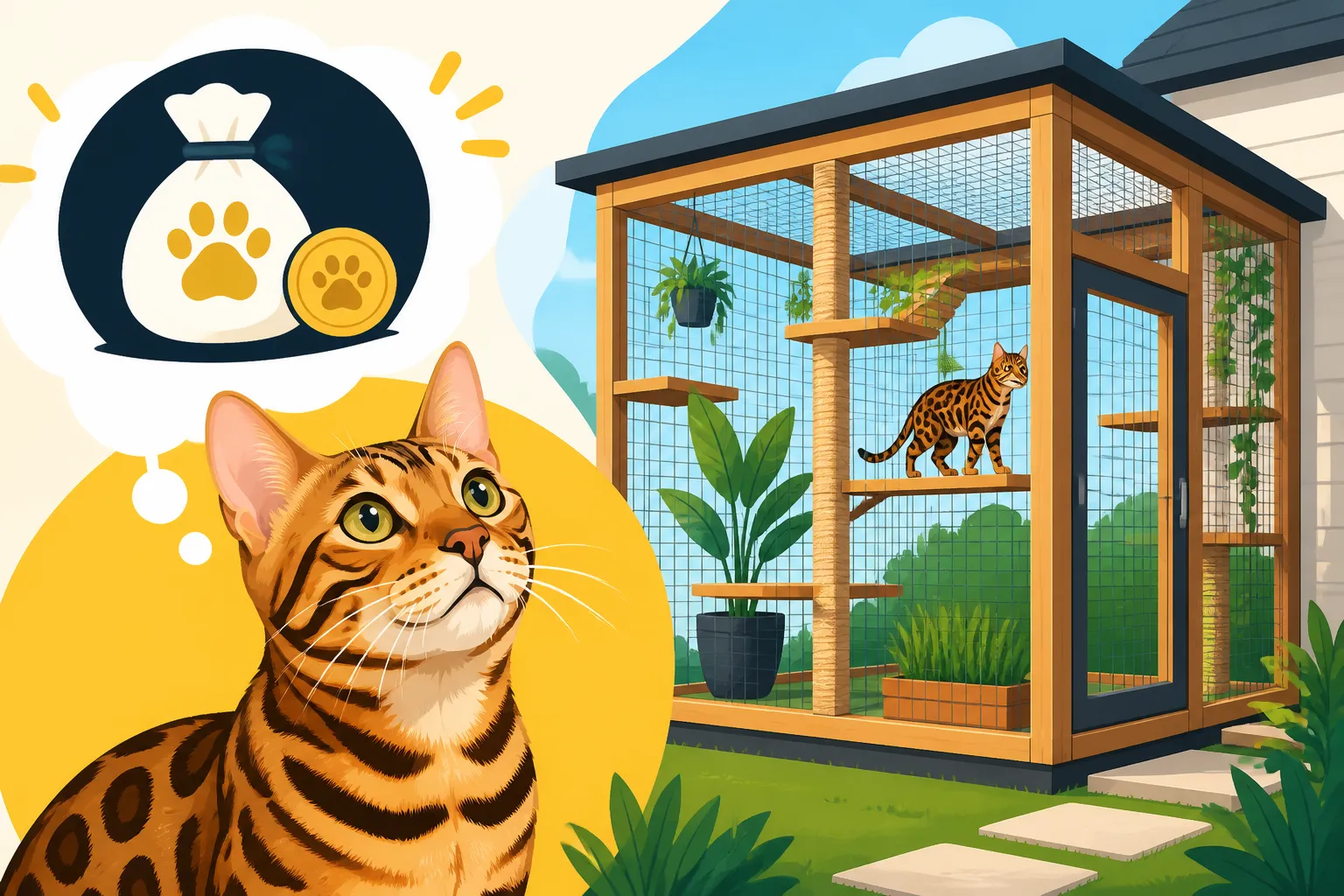
What a Catio for a Bengal Cat Costs
For Bengal cat owners, the desire to let their energetic, curious companions experience the great outdoors often clashes with very real safety concerns like traffic, predators, or simply the risk of them running off. It's a huge source of anxiety for many of us, torn between their enrichment and their well-being. This guide is here to shed light on one of the best solutions for this dilemma – the catio – and meticulously break down the various costs involved in giving your Bengal that safe outdoor adventure space.
Understanding Catio Types and Their Impact on Cost
When you first start looking into catios, it can feel like stepping into a whole new world of outdoor feline architecture. The range of options, from a simple window box to a sprawling multi-level structure, directly dictates the financial investment you'll need to make. It’s not just about the final product, but the journey to get there, whether you're a seasoned DIY enthusiast or prefer a hands-off approach.
DIY vs. Pre-fabricated Kits
Deciding whether to build your catio from scratch or opt for a pre-fabricated kit is often the first significant cost decision you’ll face. A do-it-yourself (DIY) approach can certainly save you money on labor, which can be substantial, but it demands a significant investment of your time, effort, and possibly some specialized tools. You'll be sourcing all the materials yourself, cutting, drilling, and assembling everything piece by piece. This path works best if you're handy with tools, have a clear vision, and are prepared for the project to take a while. It also allows for ultimate customization, which is a huge plus if you have a unique space or a specific design in mind to cater to your Bengal's adventurous spirit.
On the other hand, pre-fabricated kits offer convenience and a much faster assembly time. These kits arrive with all the necessary components pre-cut, pre-drilled, and often with clear, step-by-step instructions. While the initial purchase price of a kit tends to be higher than just buying raw materials for a DIY project, you're paying for the engineering, the convenience, and the assurance that all parts will fit together. For those of us who aren't master carpenters or simply don't have the bandwidth for a complex build, a kit can be a fantastic middle-ground solution. You can often find a variety of sizes and styles online, including through pet supply retailers like Chewy, making it easy to compare options that fit your budget and space.
Custom-Built Catios and Professional Installation
Stepping up from kits, custom-built catios offer an unparalleled level of integration with your home and yard, but they come with a premium price tag. These are bespoke solutions, designed from the ground up to match your aesthetic preferences, your Bengal's specific needs, and the unique layout of your property. Imagine a catio that seamlessly extends from a bedroom window, wraps around a corner of your house, or even connects to multiple access points. This level of customization ensures the catio looks like an intentional part of your home, not just an add-on.
When you opt for a custom-built catio, you’re almost certainly looking at professional installation. This means hiring skilled carpenters, contractors, or specialized catio builders who can bring complex designs to life. The labor costs here will be the most significant portion of the expense, as you’re paying for expertise, specialized tools, and the time it takes to construct a durable, safe, and beautiful structure. However, the benefits are clear: a high-quality, durable catio that enhances your home's value and provides maximum enjoyment and safety for your Bengal cat. You can also be sure that the structure will be secure, something vital when considering Whether a Bengal Cat Gets Stolen if they were free-roaming.
Materials Matter: From Wood to Wire Mesh
The choice of materials is a huge cost driver and also impacts the longevity and aesthetics of your catio. For the main frame, common options include pressure-treated lumber, cedar, or composite materials. Pressure-treated lumber is often the most budget-friendly wood option, offering good durability against rot and insects, but it needs to be sealed and maintained. Cedar is naturally rot-resistant and beautiful, but it comes at a higher cost. Composite materials are low-maintenance and highly durable, but also typically the most expensive.
For the enclosure itself, galvanized steel wire mesh is a popular and sturdy choice, providing excellent visibility and security. The gauge (thickness) of the wire will affect its strength and price. Thicker wire is more expensive but more resistant to determined escape artists or curious wildlife. Less expensive options might include chicken wire or plastic mesh, but these are generally not recommended for a Bengal cat, whose strength and agility mean they could easily breach weaker materials. You need something robust enough to withstand their climbing prowess and enthusiastic play, especially given How High a Bengal Cat Climbs. Don't forget the fasteners – stainless steel screws and heavy-duty hardware are crucial for a secure structure and will add to the overall material cost.
Factors Influencing Catio Size and Location Costs
The sheer scale of your catio project, and where you plan to put it, are two massive determinants of the final price tag. There’s a world of difference between a cozy window box and a full-blown outdoor adventure playground, not just in terms of materials, but also in the preparatory work and potential structural changes required for your home.
Small Balcony Enclosures vs. Large Yard Structures
A smaller catio, perhaps a compact enclosure for a window or a modest balcony space, will naturally be on the lower end of the cost spectrum. These are perfect for urban dwellers or those with limited outdoor real estate. They offer a contained, safe spot for your Bengal to bask in the sun, watch birds, and get some fresh air. The material requirements are minimal, and installation is often simpler, sometimes even a one-person job if it’s a kit. They provide a taste of the outdoors without requiring a massive commitment of space or funds, which can be a good entry point if you're wondering Whether a Bengal Cat Can Be an Indoor Only Cat but want to give them more.
In stark contrast, a large yard structure or a multi-level catio that spans a significant portion of your outdoor space will incur substantially higher costs. We're talking about more materials, more complex designs, and potentially more labor. These expansive catios can include tunnels, multiple platforms, and direct access from various points of your home, creating a true outdoor haven. For a highly active breed like the Bengal, a larger space truly allows them to burn off energy and explore safely, aligning with How Active a Bengal Cat Is. The investment in a larger structure reflects the enhanced enrichment and freedom it provides your energetic companion, proving that you truly understand How Much Enrichment a Bengal Cat Actually Needs.
Attaching to Your Home vs. Freestanding Structures
The way your catio integrates with your existing home structure also plays a big role in cost. A catio that attaches directly to your house, perhaps by a window or a pet door, offers seamless access for your Bengal. This type of attachment might require some modifications to your home, such as installing a cat flap through a wall or a window pane, which can add to the expense. However, it often reduces the amount of framing needed for the catio itself, as one or more sides are already provided by your house. It also simplifies the process for your cat to come and go as they please.
A freestanding catio, on the other hand, is a completely self-contained unit built entirely in your yard. While it doesn't require modifications to your home, it demands more materials for all four walls, a roof, and a secure base. These structures can be moved if necessary, offering flexibility, but they often require more robust construction to ensure stability and security, especially in areas prone to strong winds or inclement weather. You might also need to consider a secure tunnel or walkway to connect it to your house if you want your Bengal to have unsupervised access, adding another layer of complexity and cost.
Ground Preparation and Foundation Needs
Before any catio construction begins, you'll need to consider the ground where it will sit. This crucial step, often overlooked in initial budget planning, can significantly impact the overall cost. For smaller, lighter catios, a relatively level patch of ground might suffice, perhaps just requiring some basic leveling or the addition of pavers. However, if you're building a larger, heavier structure, more substantial ground preparation will be necessary. This could involve excavating and pouring a concrete slab, laying a gravel base, or installing sturdy footings to ensure the catio remains stable and secure for years to come.
Uneven terrain, soft soil, or areas prone to drainage issues will inevitably increase the cost of ground preparation. You might need to hire professionals for grading, trenching, or even a concrete pour, which adds considerable labor and material expenses. Proper foundation work is vital not only for the structural integrity of the catio but also for keeping your clever Bengal safely contained. A secure base prevents burrowing escapes and deters predators from digging their way in, protecting your furry friend while they enjoy their outdoor space.
Essential Features and Accessories That Add Up
Once the basic structure of your catio is decided and built, the fun truly begins: outfitting it to be a stimulating and comfortable haven for your Bengal. However, each thoughtful addition, while enhancing their quality of life, will contribute to the total investment.
Shelving, Ramps, and Climbing Structures
Bengal cats are renowned for their incredible athleticism and love for climbing. They thrive on vertical space, and a catio without ample climbing opportunities would be a missed opportunity for enrichment. How High a Bengal Cat Can Jump is truly impressive, so incorporating multiple levels of shelving, sturdy ramps, and engaging climbing structures is essential. These elements transform a simple enclosure into a dynamic playground.
The cost for these features can vary widely depending on the materials and complexity. Simple wooden planks or sturdy plastic shelves are more affordable, especially if you install them yourself. More elaborate options, such as multi-tiered platforms, sisal-wrapped climbing poles, or even tree branches (safely secured, of course), will cost more in materials and installation. Remember to choose materials that can withstand outdoor elements and the enthusiastic claws of a Bengal. Consider the structural integrity, ensuring that shelves are firmly anchored to support your cat's weight as they leap and climb. These additions are vital for keeping your Bengal engaged and providing the physical workout they need, which is important for them to build muscle.
Weather Protection, Shade, and Security Features
While the primary goal of a catio is safe outdoor access, it's also crucial to protect your Bengal from the elements. This means investing in features that provide shade from the harsh sun, shelter from rain, and a comfortable spot to retreat if the weather turns. A partial roof, made of clear polycarbonate panels or shaded fabric, can be a great addition. Waterproof tarps or custom canvas covers can be deployed during heavy rain. These protective elements ensure your Bengal can enjoy their catio comfortably in various weather conditions, extending its usability throughout the year.
Security is another paramount concern. While the wire mesh provides a basic barrier, additional security measures might be worth considering. Reinforced latches on doors, anti-dig skirts around the base, or even motion-activated lighting can deter unwanted visitors, whether they're curious children or opportunistic wildlife. For those with particularly clever Bengals known for their Houdini-like tendencies, double-entry doors or escape-proof locks might be necessary. Each of these security and weatherproofing elements adds to the overall cost but offers invaluable peace of mind, knowing your beloved pet is safe and comfortable.
Enrichment Toys and Comfort Items
A catio isn't just about the structure; it's about the experience it provides. Filling it with stimulating toys and cozy comfort items ensures your Bengal genuinely enjoys their time outdoors. Think about scratching posts made of durable cedar or sisal, puzzle feeders to engage their minds, and a variety of interactive toys. What to Put in a Bengal Cat's Catio goes beyond just climbing — it's about creating a stimulating environment. You might find excellent outdoor-friendly enrichment toys and durable scratching posts on pet supply sites like Chewy.
Consider comfortable perches, hammocks, or even a small, weather-resistant cat bed for napping in the sun. These soft touches make the catio a welcoming retreat. While individual toys and beds might seem small, the costs can add up, especially if you're frequently replacing items that wear out from enthusiastic Bengal play or exposure to the elements. Remember that the goal is to provide varied enrichment to keep your Bengal happy and prevent boredom, which can sometimes lead to destructive behaviors if they're not adequately stimulated.
Long-Term Catio Ownership Costs and Considerations
The initial build of a catio is just the first step. Like any home improvement, a catio requires ongoing attention, and there are long-term costs and considerations that every owner should be aware of to ensure its continued safety and enjoyment for their Bengal.
Maintenance, Repairs, and Cleaning Supplies
A catio, being an outdoor structure, will be exposed to the elements year-round, meaning it will require regular maintenance to stay in top condition. This isn't just about keeping it looking nice; it's about ensuring it remains a safe and secure environment for your Bengal. Over time, wood might need to be re-sealed or repainted to prevent rot and weathering. Wire mesh could get bent or damaged, requiring repairs or replacement sections. Fasteners can loosen, necessitating periodic tightening. These small tasks, if neglected, can lead to larger, more expensive problems down the line.
Beyond structural integrity, cleanliness is paramount. Leaves, dirt, and debris will accumulate, and regular sweeping or hosing down will be necessary. Pet waste, if not promptly removed, can create unpleasant odors and attract pests. You’ll need to invest in durable cleaning supplies that are safe for pets and effective for outdoor use. Think about pet-safe cleaners, brushes, and possibly a small vacuum or leaf blower. While these costs might seem minor individually, they add up over the years and are a necessary part of responsible catio ownership.
Insurance Implications and Health Benefits
It's wise to consider how a catio might affect your homeowner's insurance. Depending on its size, permanence, and how it’s attached to your home, it might be considered an addition that needs to be factored into your policy. It's always a good idea to speak with your insurance provider to understand any potential implications or if specific coverage is needed. While a catio is primarily a safety feature, designed to protect your Bengal from outdoor hazards, accidental injuries can still happen in any environment. Having robust pet insurance, from providers like Healthy Paws, can give you peace of mind should your adventurous Bengal ever have an unexpected veterinary need, whether it's a sprain from a high jump or a minor scrape.
On the flip side, the health benefits for your Bengal cat are immense and can indirectly save you money in the long run. An active Bengal who gets regular outdoor stimulation is often a happier, healthier cat. This can lead to fewer behavioral issues related to boredom or pent-up energy, potentially reducing stress-related vet visits or destructive behaviors indoors. The opportunity for fresh air and sunshine supports their physical and mental well-being, contributing to a vibrant life. A well-designed catio truly supports The Twelve to Sixteen Years a Bengal Cat Gets by promoting a healthy, active lifestyle.
Potential Resale Value or Removal Costs
While a catio is built primarily for your feline friend, it’s worth considering its long-term impact on your property. A custom-built, aesthetically pleasing catio that seamlessly integrates with your home could potentially add value to your property, especially for future buyers who are also cat owners. It can be seen as a desirable feature, similar to a deck or a landscaped garden. However, if the catio is a more rudimentary or temporary structure, it might not significantly enhance resale value, and in some cases, might even need to be removed before selling, which would incur additional costs.
If you ever decide to move or no longer need the catio, you’ll face either removal costs or the effort of disassembling it. Larger, more permanent structures will be more challenging and costly to take down, potentially requiring professional help. Smaller, modular kits might be easier to dismantle and even transport to a new home. Thinking about these potential future costs or benefits upfront can help you make more informed decisions about the type and scale of the catio you choose to build. Understanding the full financial picture, from initial investment to long-term care and potential future changes, is crucial to determining What a Catio for a Bengal Cat Costs over its entire lifespan.
Catio Cost Comparison
To give you a clearer picture of what you might expect, here’s a breakdown of common catio types and their general cost implications, keeping in mind that specific figures can vary wildly based on location, materials, and features.
| Catio Type | Initial Cost Range | Pros | Cons | Best For |
|---|---|---|---|---|
| DIY (Materials Only) | Entry-level to Mid-range | Maximum customization; lowest initial material cost; sense of accomplishment. | Requires significant time, skills, and tools; potential for errors; sourcing materials can be tedious. | Handy individuals with specific design visions and ample time. |
| Pre-fabricated Kits | Mid-range | Convenient; faster assembly; all parts included; good for standard spaces. | Less customization; still requires assembly; can be less durable than custom builds if lower quality. | Owners seeking a balance of convenience and affordability; limited building skills. |
| Professional Custom-Built | Premium to High-end | Seamless integration; tailored to specific needs; high durability and aesthetic appeal; expert installation. | Highest cost; longer build time; less control over minute details during construction. | Owners desiring a high-end, permanent solution; those with complex spaces or specific design requirements; maximum security. |
| Window Box Enclosures | Entry-level | Most affordable; minimal space required; easy installation; provides basic outdoor access. | Very limited space; not suitable for active Bengals needing extensive climbing; less weather protection. | Urban apartments; small homes; those on a very tight budget; an introduction to outdoor access. |
This table provides a general guide. Remember to always factor in local labor rates, material availability, and any specific features you want for your Bengal.
Disclaimer
This article is for general informational purposes only and does not constitute professional advice. Laws, prices and regulations vary by location and change over time. Consult a qualified professional for guidance on your specific situation.