How High a Bengal Cat Climbs
One of the most common anxieties for new Bengal cat owners, or even seasoned cat parents considering adding a wild-looking spotted friend to their home, is just how much this active breed will transform their living space. You've heard they're energetic, but what does that really mean for your walls, your shelves, and your sanity? This guide will dive deep into the Bengal cat's remarkable ability to climb, leap, and conquer heights, offering practical advice on how to manage their vertical ambitions safely and constructively within your home.
Understanding the Bengal Cat's Innate Drive for Heights
Let's face it, your Bengal isn't just a regular housecat in a fancy coat. There's a primal instinct bubbling under that sleek pelt, a connection to their wild heritage that manifests in many fascinating ways, not least of which is their absolute obsession with elevated spaces. It’s not just about curiosity; it’s deeply ingrained.
The Wild Ancestry of Vertical Exploration
Think about the Asian Leopard Cat, the wild ancestor of our domestic Bengal. These magnificent small wild cats are adept climbers. They hunt in trees, seek refuge from predators in high branches, and use elevated perches to survey their territory. This isn't just a preference; it's a survival mechanism. When you bring a Bengal cat into your home, you're tapping into generations of this instinctual behavior. They need to climb. They need to be high up. It's not a mischievous quirk; it's who they are, woven into their very DNA. Ignoring this need isn't just frustrating for you; it's genuinely detrimental to their well-being.
This inherent drive means that a flat, horizontal environment, no matter how spacious, will feel utterly incomplete and boring to a Bengal. They don't just see a sofa; they see a launching pad. They don't just see a bookshelf; they see a multi-tiered climbing wall. Every surface that offers a vertical challenge or a vantage point becomes an irresistible magnet. Understanding this foundational truth is the first step to creating a home environment that truly caters to your high-flying feline.
Why Every High Spot Is an Invitation
For a Bengal, being high up offers a sense of security and control. From a lofty perch, they can observe their entire domain, monitor the movements of everyone in the household (including you, their giant human companion), and feel safe from perceived threats on the ground, whether that's the vacuum cleaner or an overzealous toddler. It’s their personal watchtower, giving them a psychological edge that contributes to their confidence and contentment.
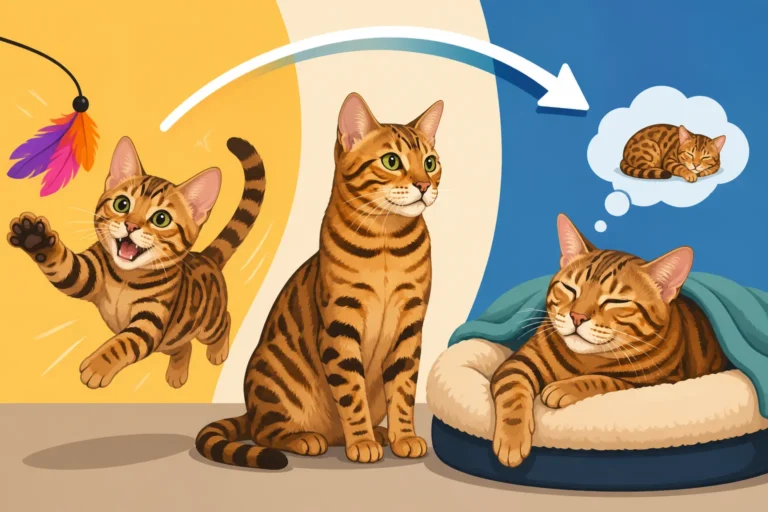
Beyond security, climbing is also incredibly stimulating both physically and mentally. It's a full-body workout that engages their powerful leg muscles, keen balance, and problem-solving skills. They'll assess jump distances, find paw holds, and figure out the most efficient routes up and down. This constant engagement is crucial for a breed that ranks high on the activity scale. If you've ever wondered The Bengal Cat Is the Most Active Cat You Can Own, you'll quickly realize that providing ample vertical territory is key to channeling that boundless energy.
Just How High Can a Bengal Cat Really Jump?
This is the question that often strikes fear into the hearts of homeowners with delicate decor. The short answer is: probably higher than you think, and certainly higher than most average domestic cats. Their athletic build isn't just for show.
The Athletic Prowess of the Bengal
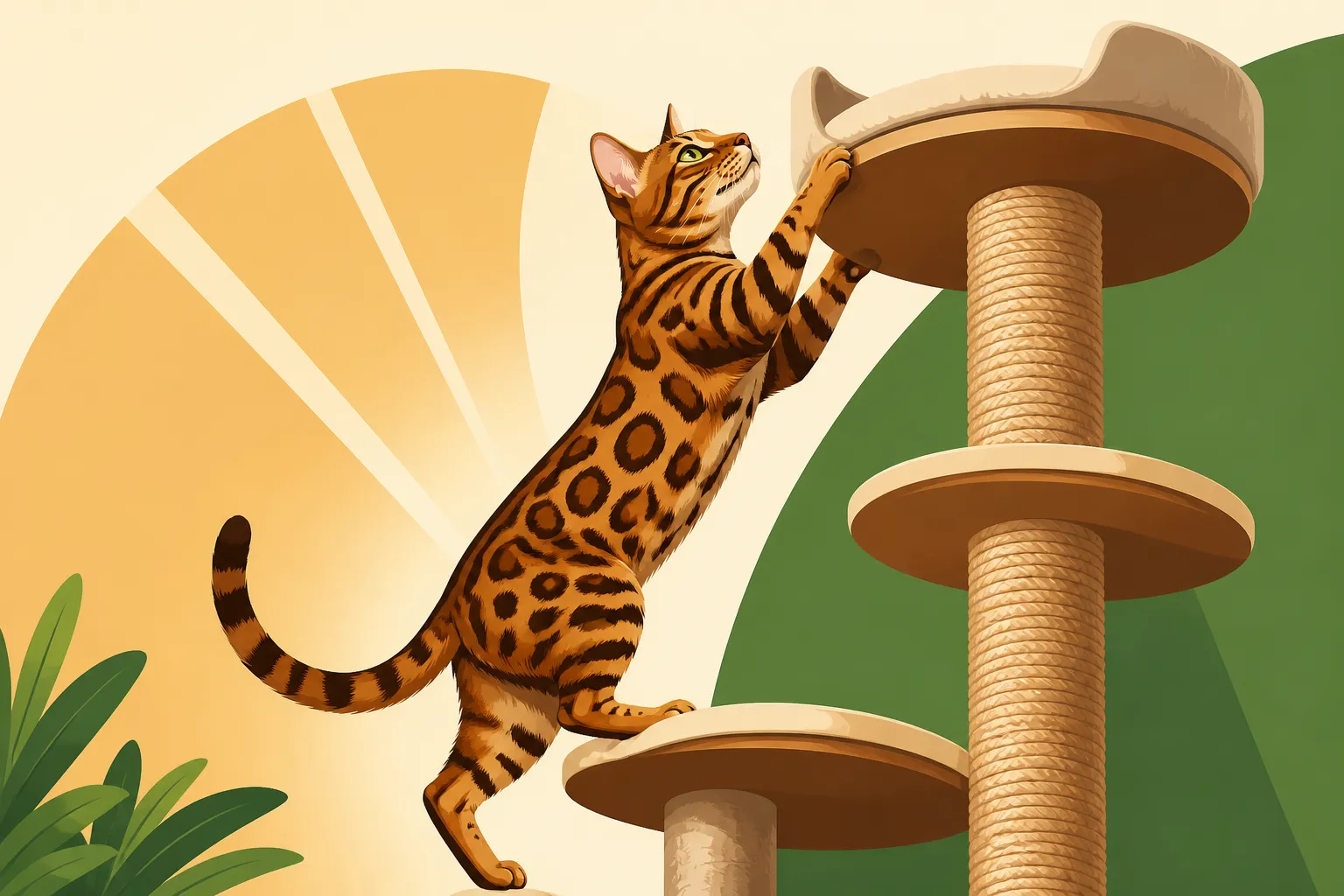
Bengal cats are incredibly agile and possess powerful hind legs that act like coiled springs. They are built for explosive bursts of speed and impressive vertical leaps. Unlike many domestic breeds that might casually hop onto a counter, a Bengal often launches themselves, clearing significant distances with startling ease. We're talking about a cat that can effortlessly reach the top of a standard refrigerator from a standing start, or scale a seven-foot cat tree in mere seconds.
Their lean, muscular bodies and incredible coordination mean they often land gracefully, even from impressive heights. This isn't to say they're invincible – falls can and do happen – but their natural athleticism makes them far more confident and capable in vertical spaces than a typical housecat. You might observe them eyeing a high shelf, making calculations, and then, poof, they're there, leaving you wondering if you even saw them move.
The Mechanics of a Bengal Cat's Leap
A Bengal cat's jumping ability isn't just raw power; it's a sophisticated combination of strength, balance, and precision. They use their strong hind legs to propel themselves upwards, their agile bodies to twist and adjust mid-air, and their long, thick tails for counter-balance. Their sharp claws are also essential, allowing them to gain purchase on surfaces, even seemingly smooth ones, for that extra boost or to secure a landing.
When considering How High a Bengal Cat Can Jump, it's not uncommon for a healthy adult Bengal to leap five or six feet vertically from a standstill. With a running start or a series of intermediate platforms, they can easily reach the highest points of a typical room, often scaling bookshelves, cabinets, and door frames. This incredible capability means that if you don't provide appropriate, sanctioned climbing opportunities, they will absolutely find their own, often to the detriment of your furniture or your peace of mind.
The Essential Need for Vertical Territory
Providing vertical territory for your Bengal isn't just about indulgence; it's a fundamental aspect of meeting their behavioral needs and promoting a harmonious household. Without it, you're setting yourself up for frustration.
Safety, Security, and Surveying Their Kingdom
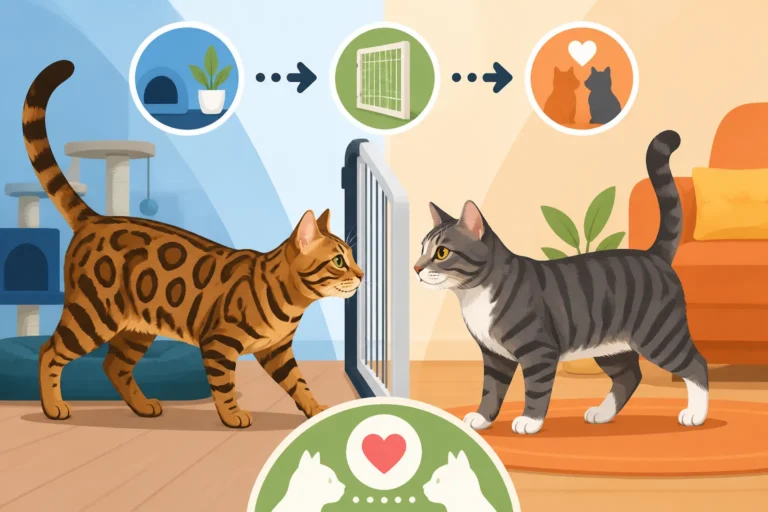
For a Bengal, a high perch isn't just a place to nap; it's a strategic outpost. From above, they feel less vulnerable to sudden movements or loud noises that might startle them on the ground. This is especially true in multi-pet households or homes with young children, where a high escape route offers an invaluable sense of safety. They can retreat, observe, and decide when they're ready to re-engage, rather than feeling trapped or overwhelmed.
Furthermore, these elevated spots allow them to "survey their kingdom." This monitoring behavior is hardwired. They want to know what's happening, where everyone is, and if there are any changes in their environment. A cat tree placed near a window, for example, allows them to watch the outside world – birds, squirrels, passing cars – adding immense mental stimulation to their day. It provides a sense of mastery over their environment, crucial for a confident and well-adjusted Bengal. This is part of How Much Vertical Space a Bengal Cat Needs to thrive.
The Consequences of Insufficient Vertical Space
If you fail to provide adequate vertical challenges and perching spots for your Bengal, you're practically inviting trouble. A bored or under-stimulated Bengal will find ways to entertain themselves, and these ways are often destructive or disruptive. They might scale your drapes, use your bookshelves as a ladder, or even try to climb your bare walls if they're desperate for elevation. You might find them counter surfing more frequently or constantly trying to get on top of appliances.
This isn't malicious behavior; it's simply a cat trying to fulfill an innate need. A lack of appropriate vertical enrichment can lead to stress, anxiety, and behavioral problems. You might notice increased vocalization, inappropriate scratching, or even aggression if they feel their territory is being encroached upon without a safe escape route. Remember, What a Bored Bengal Cat Destroys can be extensive, and often it's because their instinctual needs, like climbing, aren't being met.
Creating a Vertical Wonderland for Your Bengal
So, you understand the need. Now, how do you actually "catify" your home to satisfy your Bengal's climbing desires without turning your house into a jungle gym you can't live in? It’s all about smart choices and strategic placement.
Investing in Robust Cat Trees and Towers
When it comes to cat trees for a Bengal, size and stability are paramount. Forget those flimsy carpeted towers designed for dainty Persians; your Bengal needs something built like a fortress. Look for heavy bases, thick support posts, and platforms spacious enough for them to stretch out on. Natural wood, sisal rope, and sturdy carpeting are good material choices. A multi-level tree that reaches close to the ceiling is ideal, offering multiple perches and scratching opportunities.
Consider brands that specialize in large, active cat furniture, which you can often find on platforms like Amazon. These robust structures might seem like a significant investment, but they are crucial for both your Bengal's happiness and the longevity of your other furniture. A good cat tree will last years, providing endless hours of climbing, scratching, and napping satisfaction. Don't skimp here; a wobbly or too-small tree will quickly be ignored or, worse, become a hazard. This directly relates to Which Cat Tree a Bengal Cat Needs.
Innovative Wall-Mounted Solutions
If floor space is at a premium, or you simply want to add even more dynamic climbing options, wall-mounted cat shelves and hammocks are a fantastic solution. These can transform vertical wall space into an exciting aerial highway for your Bengal. You can create a staggered path leading up to a high perch, allowing them to jump and climb from one platform to the next. Look for sturdy designs that can be securely anchored into wall studs.
These systems come in various materials, from minimalist wood and fabric to elaborate carpeted steps. Many pet supply stores and online retailers, including Amazon, offer modular components that allow you to customize a climbing wall to fit your space and your Bengal's agility. Combining these with a traditional cat tree can create an expansive "cat superhighway" that your Bengal will adore. For practical advice on setting these up, consider reading How to Build Shelves for a Bengal Cat.
Utilizing Existing Home Structures
Beyond dedicated cat furniture, you can also leverage your home's existing architecture to create climbing opportunities. Sturdy bookshelves can be made cat-friendly by clearing off a few shelves and adding a non-slip mat. Large, stable cabinets or dressers can become launching points to higher surfaces. Just be mindful of what's on those higher surfaces – no breakables or dangerous items.
Remember to consider the path to these higher spots. Can your Bengal easily jump from a chair to a side table, then to a bookshelf? Create a logical, safe route. This isn't just about the destination but the journey. By thinking creatively, you can integrate climbing opportunities seamlessly into your home design, turning everyday objects into part of your Bengal's vertical playground. Just be sure to secure anything that could tip over if a high-energy Bengal launches themselves off it.
Safety Considerations for High-Flying Bengals
While Bengal cats are incredibly adept climbers, their enthusiasm can sometimes outstrip their caution, leading to potential hazards. Ensuring their vertical adventures are safe is paramount for their long-term health and your peace of mind.
Securing Your Vertical Furniture
The biggest safety concern with cat trees and wall-mounted shelves is stability. A large, active Bengal launching themselves at full speed can easily tip over a lightweight or poorly constructed cat tree. Always choose furniture with a wide, heavy base, and if possible, secure taller cat trees to a wall using anti-tip straps (often included, or available cheaply on Amazon). This prevents accidental tumbles that could result in serious injury.
For wall-mounted shelves, proper installation is critical. Always anchor them into wall studs, not just drywall, to ensure they can bear the weight of your jumping, climbing Bengal. Regular checks of all vertical structures are a good idea – tighten screws, check for wobbly parts, and replace worn-out sisal or carpeting. A safe climbing environment is a constantly maintained one.
Assessing Risks and Preventing Falls
Even the most agile Bengal can misjudge a jump or slip on a slick surface. Walk through your home and view it from your Bengal's perspective. Are there any precarious routes they might take? Any small, easily dislodged items on high shelves? Remove anything fragile, valuable, or dangerous from accessible high spots. Think about what's above the places they'll climb – exposed wires, loose blinds, or anything they could pull down.
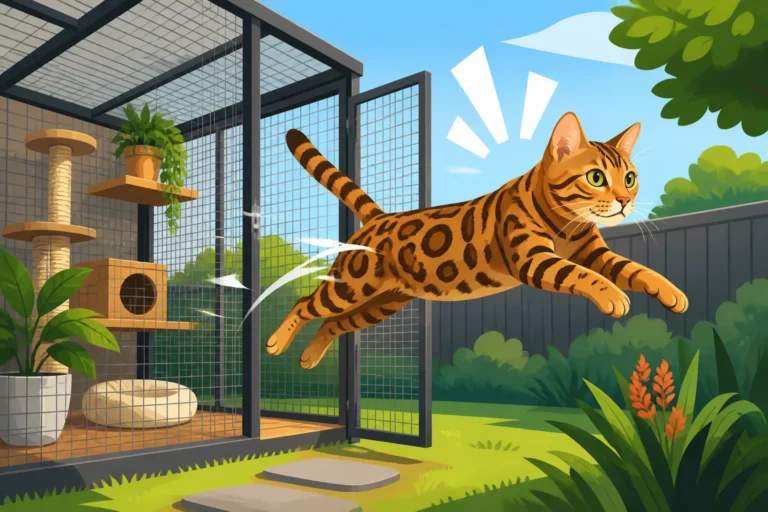
Consider adding non-slip mats or carpet squares to smooth, high surfaces where they might land or perch, especially on window sills or shelves. While a Bengal is typically very sure-footed, an extra bit of traction can prevent a nasty slip. Also, be mindful of windows – ensure they are securely closed or have sturdy screens if your Bengal is a window climber, as an open window presents a serious escape or fall risk. How Far a Bengal Cat Goes If It Escapes can be quite a distance, so prevention is key.
In the end, embracing your Bengal's love for heights means more than just buying a cat tree; it means consciously designing your shared space to fulfill their instincts safely and joyfully.
Disclaimer
This article is for general informational purposes only and does not constitute professional advice. Laws, prices and regulations vary by location and change over time. Consult a qualified professional for guidance on your specific situation.