How Much a Bengal Cat Eats a Month
One of the biggest surprises for new Bengal cat owners is just how much these stunning felines can eat! You might think a cat is a cat, but a Bengal’s energy levels and muscular build mean they often require significantly more fuel than your average house cat, leaving many owners scratching their heads about monthly food bills. This guide will delve deep into how much a Bengal cat truly eats each month, breaking down the factors that influence their diet, the different types of food, and how to manage the costs without compromising their health.
Understanding Your Bengal Cat's Unique Dietary Needs
It's easy to look at a sleek, spotted Bengal and think they're just like any other domestic cat, but their wild heritage runs deeper than their beautiful coat. This ancestry impacts everything from their activity levels to their digestive system, and it's key to understanding their voracious appetite.
Why Bengals Are Such Active Eaters
Let's be honest, if you've ever owned a Bengal, you know "active" is an understatement. These cats are bundles of boundless energy, constantly exploring, climbing, and playing. This isn't just a quirk; it's a direct link back to their Asian Leopard Cat ancestors, who were lean, agile hunters in the wild. All that leaping onto high shelves, running on a cat wheel, or even just chasing that elusive laser pointer burns a serious amount of calories.
Think about it: a regular domestic cat might spend most of its day napping, occasionally rousing itself for a meal or a brief play session. A Bengal, on the other hand, might have several intense play sessions a day, scale your tallest cat tree multiple times, and demand interactive playtime. This high metabolism means they need more calories just to maintain their body weight and fuel their incredible antics. You’ll often hear us veterans say, "the Bengal cat is the most active cat you can own," and their food bowl is direct evidence of that truth. This constant motion means they're constantly replenishing energy stores, and if they don't get enough, you might notice them getting a bit hangry or even trying to raid your pantry.
Protein: The Cornerstone of a Bengal Diet
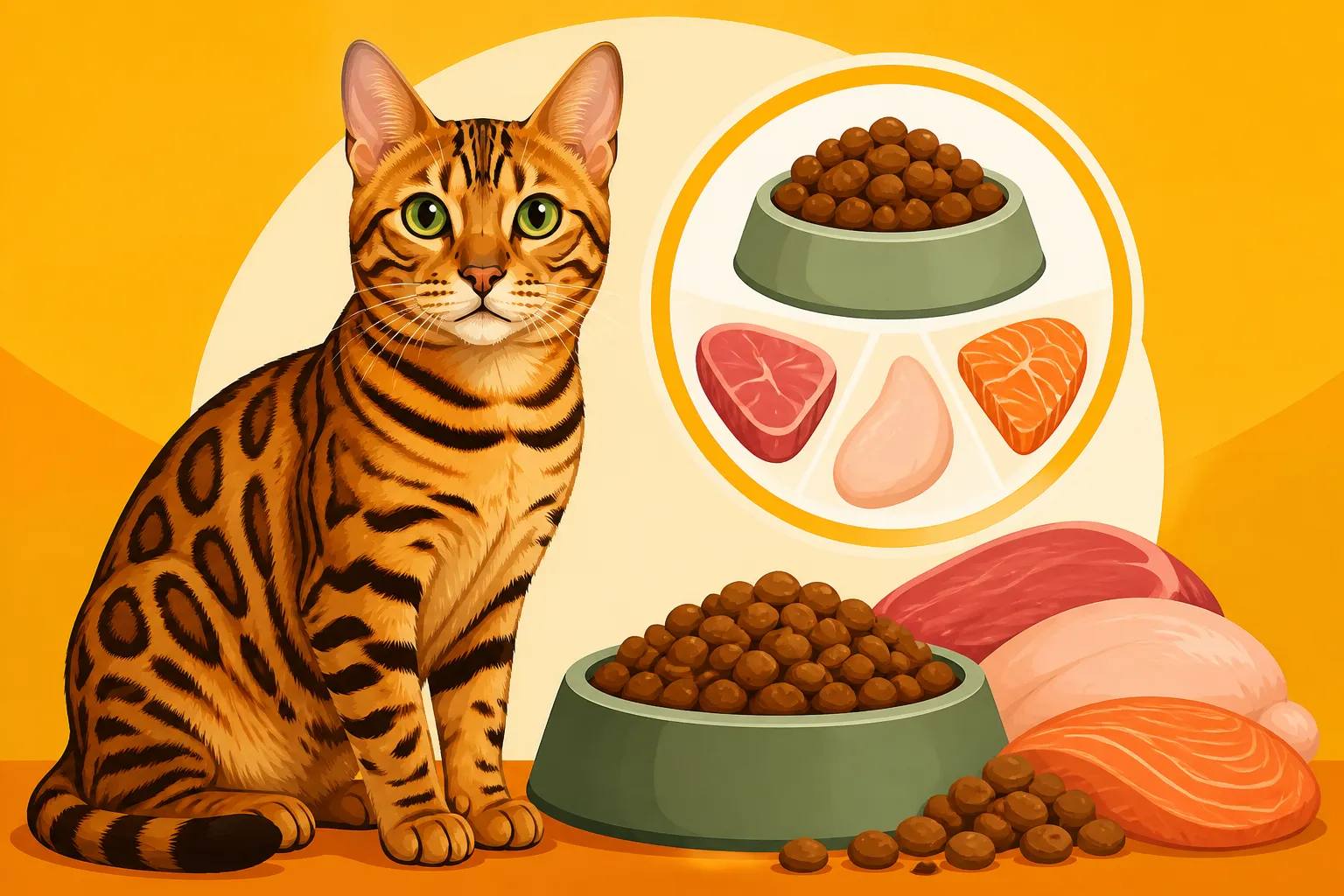
Because of their naturally lean, muscular build, protein isn't just important for a Bengal cat; it's absolutely critical. Cats are obligate carnivores, meaning their bodies are designed to derive nutrients primarily from animal protein. For a Bengal, this need is amplified. They don't just need protein; they need high-quality animal protein to maintain their magnificent physique and support their high energy output.
When you're looking at cat food, don't just glance at the protein percentage. Dig deeper and look at the first few ingredients. You want to see real meat sources like chicken, turkey, beef, or fish listed prominently. Avoid foods where grains, corn, or vegetable proteins are at the top of the ingredient list. These fillers don't provide the complete amino acid profile a Bengal needs, and while they might fill a cat up, they won't properly nourish them. Many Bengal owners find that a protein percentage in the high 30s or even 40s works best for their active companions. Which Protein Percentage Suits a Bengal Cat isn't just a matter of preference; it's a physiological necessity. Feeding them a diet rich in appropriate protein helps keep their muscles strong, their coat shiny, and their energy levels consistent, rather than experiencing sugar crashes from carb-heavy foods.
Calculating Monthly Food Consumption and Cost
Now that we understand why Bengals eat so much, let's get down to the practicalities of how much that actually translates to in terms of food quantity and, of course, cost. This is where many new owners find themselves surprised.
Deciphering Food Labels and Daily Portions
Pet food labels provide a starting point, but they're often based on an "average" cat, which, as we've established, your Bengal is definitely not! These guidelines usually give a range based on weight and activity level. For a Bengal, you'll almost always be looking at the higher end of that range, or even slightly above it, depending on their individual metabolism and how much they zoom around.
A typical adult Bengal might weigh anywhere from 8 to 15 pounds, with males often being on the larger, more muscular side. A good quality dry kibble, for example, might suggest feeding 1/2 to 3/4 cup per day for an average 10-pound cat. For a highly active Bengal, you might find yourself feeding closer to 1 cup or even slightly more, spread across multiple meals. How Much to Put Down for a Bengal Cat at Each Meal is less about one big bowl and more about frequent, smaller servings to keep their energy steady and prevent them from feeling ravenous. Factors like age (kittens and seniors have different needs), individual activity levels, and even the ambient temperature can influence how much your Bengal truly needs. It's a bit of an art, balancing the label's advice with your cat's actual needs, observed energy, and body condition.
Estimating Monthly Kibble and Wet Food Needs
Let's do a hypothetical scenario. Say your active 12-pound Bengal needs about 1 cup of dry kibble daily. That's approximately 30 cups per month. A typical large bag of premium kibble often contains around 20-25 cups. This means you'd likely be going through 1.5 to 2 large bags of dry food per month. If you incorporate wet food (which many Bengal owners do for hydration and palatability, especially given how common Chronic Diarrhea Is the Bengal Cat Complaint Nobody Warns About), that adds another layer.
Many Bengals thrive on a mixed diet of dry kibble and one or two wet food meals a day. If your Bengal eats one 3oz can of wet food daily, that's 30 cans a month, or roughly two cases of 12-16 cans. This means you're looking at significant quantities. Why Wet Food Suits a Bengal Cat's Gut is a common discussion among owners, as the added moisture can truly make a difference for their sometimes-sensitive digestive systems. This combination helps ensure they stay hydrated and get the rich protein they need in a more digestible format.
| Food Type | Daily Intake (Example) | Monthly Quantity (Approx.) |
|---|---|---|
| Dry Kibble | 1 cup | 1.5 – 2 large bags |
| Wet Food (cans) | 1 x 3oz can | 2 cases (12-16 cans/case) |
| Raw Food | 6-8 oz | 18-24 lbs |
Note: These are examples and actual amounts will vary based on brand, caloric density, and individual cat needs.
The Cost Spectrum: Budget to Premium
Now for the part that hits the wallet. The cost of feeding a Bengal cat can vary wildly, mostly depending on the quality of food you choose. Just like with human food, you can find budget options, but these often come with more fillers and less high-quality animal protein, which isn't ideal for a Bengal. Brands like Chewy offer a vast selection, ranging from everyday kibble to specialized raw diets, so you'll see a spectrum of prices.
Premium, high-protein dry kibbles typically come in larger bags and can range significantly in price. You might find a good quality large bag lasting a month or so. Wet food, while excellent for hydration and taste, generally costs more per serving than kibble. Those 30 cans a month can quickly add up. Then you have the boutique brands or specialized raw diets, which can be considerably more expensive. Whether a High Protein Food Costs a Bengal Cat Owner More is a common concern, and the answer is usually yes, but many owners feel it's a worthwhile investment in their cat's long-term health and vitality. When comparing costs, always factor in the caloric density and ingredient quality; a cheaper bag might mean you have to feed more of it to get the same nutritional value, negating any initial savings.
Beyond Basic Meals: Treats, Supplements, and Special Diets
Feeding your Bengal isn't just about their main meals. Just like us, they enjoy snacks, and sometimes, their specific health needs call for specialized nutrition that can add to the monthly food budget.
The Role of Treats and Training Rewards
Bengals are incredibly smart, and many respond wonderfully to positive reinforcement training. Treats become an essential part of teaching them tricks, encouraging good behavior, or simply strengthening your bond. And let's be honest, who can resist those pleading eyes? Whether you're teaching your Bengal to fetch, walk on a leash, or come when called, treats are a powerful motivator. Which Treats a Bengal Cat Will Work For often involve highly palatable, meaty options.
However, these little rewards do add up. If you're giving several small treats a day, a bag can disappear faster than you think. It's important to choose healthy, low-calorie treats that complement their main diet rather than filling them with empty calories. Many owners opt for freeze-dried single-ingredient treats (like chicken or salmon) or small, high-quality crunchy bites. While not a huge portion of the budget, factoring in a bag or two of treats each month is a realistic part of Bengal ownership.
When Special Diets and Supplements Are Necessary
One common frustration for Bengal owners is their notoriously sensitive digestive systems. Why a Bengal Cat's Gut Is So Sensitive is a question many of us have asked our vets more than once. Issues like chronic diarrhea, food sensitivities, or even inflammatory bowel disease can necessitate a special diet. This is where the monthly food bill can see a significant jump.
If your Bengal develops allergies or chronic digestive upset, your vet might recommend a limited ingredient diet, a hydrolyzed protein diet, or even a prescription gastrointestinal formula. These foods are specifically designed to be highly digestible and reduce allergens, but they often come with a premium price tag. For example, some prescription diets can cost significantly more per bag or can than standard premium foods. Fresh, human-grade food plans might also be considered a special diet if your vet approves. Similarly, supplements like probiotics, digestive enzymes, or Omega-3 fatty acids might be recommended to support gut health or overall well-being. When a Bengal Cat Needs a Limited Ingredient Diet it’s not just a passing phase; it can be a long-term commitment that impacts your budget. While these costs can feel daunting, providing the right nutrition is paramount for your Bengal's comfort and health, often preventing more expensive veterinary visits down the line.
Raw Feeding: A Different Cost and Preparation Model
For some Bengal owners, raw feeding is the preferred choice, believing it more closely mimics the diet of their wild ancestors. What a Raw Diet Involves for a Bengal Cat can range from commercially prepared frozen raw patties or chubs to a fully homemade Prey Model Raw (PMR) diet. While proponents swear by the benefits for coat, muscle tone, and digestion, it's a significant commitment in terms of both cost and preparation.
Commercially prepared raw diets are often the most expensive option per serving. You're paying for convenience and the assurance of a balanced formulation. These typically come in frozen packages and require dedicated freezer space. If you go the homemade route, you're buying various cuts of meat, organs, and bones, and meticulously balancing them to ensure complete nutrition – which usually requires guidance from a veterinary nutritionist. While the per-pound cost of raw meat might seem lower than premium kibble, the sheer volume required, plus the cost of supplements needed for a balanced homemade diet, often makes it a pricier option overall. It also requires more hands-on time, thawing, portioning, and strict hygiene practices.
Smart Strategies for Managing Your Bengal Cat's Food Budget
It's clear that feeding a Bengal cat well can be an investment. But that doesn't mean you can't be smart about it. Here are some strategies to help you manage your monthly food budget without sacrificing quality.
Buying in Bulk and Subscriptions
One of the most straightforward ways to save money on premium cat food is to buy in larger quantities. If your Bengal thrives on a particular brand of kibble, consider purchasing the largest bag available. The cost per pound is almost always lower for big bags compared to smaller ones. Just make sure you have a cool, dry place to store it to maintain freshness, and perhaps an airtight container to keep it free from pests.
Subscription services, like those offered by Chewy, can also be a lifesaver. Many retailers offer a discount (often 5-10%) when you sign up for auto-ship deliveries. This not only saves you money but also ensures you never run out of food, which is a major convenience when you have a hungry Bengal demanding dinner! You can set the frequency to match your Bengal's consumption rate, whether that's every three weeks or every five. It's a win-win for your wallet and your peace of mind.
Monitoring Weight and Adjusting Portions
Overfeeding your Bengal isn't just a waste of money; it's detrimental to their health. While Bengals are naturally lean, they can absolutely become overweight if their caloric intake exceeds their energy expenditure. An overweight cat is at higher risk for conditions like diabetes, arthritis, and heart disease. Regularly monitoring your Bengal's weight is crucial. A good rule of thumb is to feel for their ribs: you should be able to feel them easily but not see them protruding. How to Tell Muscle From Fat on a Bengal Cat can be tricky, but your vet can help you assess their body condition score.
Work closely with your veterinarian to determine your Bengal's ideal weight and caloric needs. What a Healthy Bengal Cat Weighs can vary, so personalized guidance is important. Adjust their food portions based on their activity levels and any changes in weight. If they seem to be gaining a little, slightly reduce their portions; if they're looking too thin, increase them. Sometimes, a high-quality food means they feel more satisfied with less volume because the nutrient density is higher. This constant adjustment ensures they're getting exactly what they need, optimizing both their health and your budget.
DIY and Homemade Options (with Caution)
The idea of making your Bengal's food at home can sound appealing, potentially saving money and giving you complete control over ingredients. However, this is a path that requires extreme caution and professional guidance. Simply throwing together some chicken and rice for your cat can lead to severe nutritional deficiencies that can have devastating long-term health consequences. Cats require a very specific balance of vitamins, minerals, and amino acids (like taurine), which are difficult to achieve in a homemade diet without expert knowledge.
If you are seriously considering a homemade diet, it is absolutely essential to consult with a board-certified veterinary nutritionist. They can formulate a balanced recipe tailored to your Bengal's specific needs, which you can then prepare at home. Without this professional oversight, you risk causing more harm than good. While the raw ingredients might initially seem cheaper than commercial food, the cost of supplements required to balance a homemade diet, along with the time investment, can sometimes make it comparable to, or even more expensive than, a high-quality commercial diet. It's a commitment that should not be taken lightly.
Disclaimer
This article is for general informational purposes only and does not constitute professional advice. Laws, prices and regulations vary by location and change over time. Consult a qualified professional for guidance on your specific situation.