Whether a Spotted Shelter Cat Is a Bengal Cat
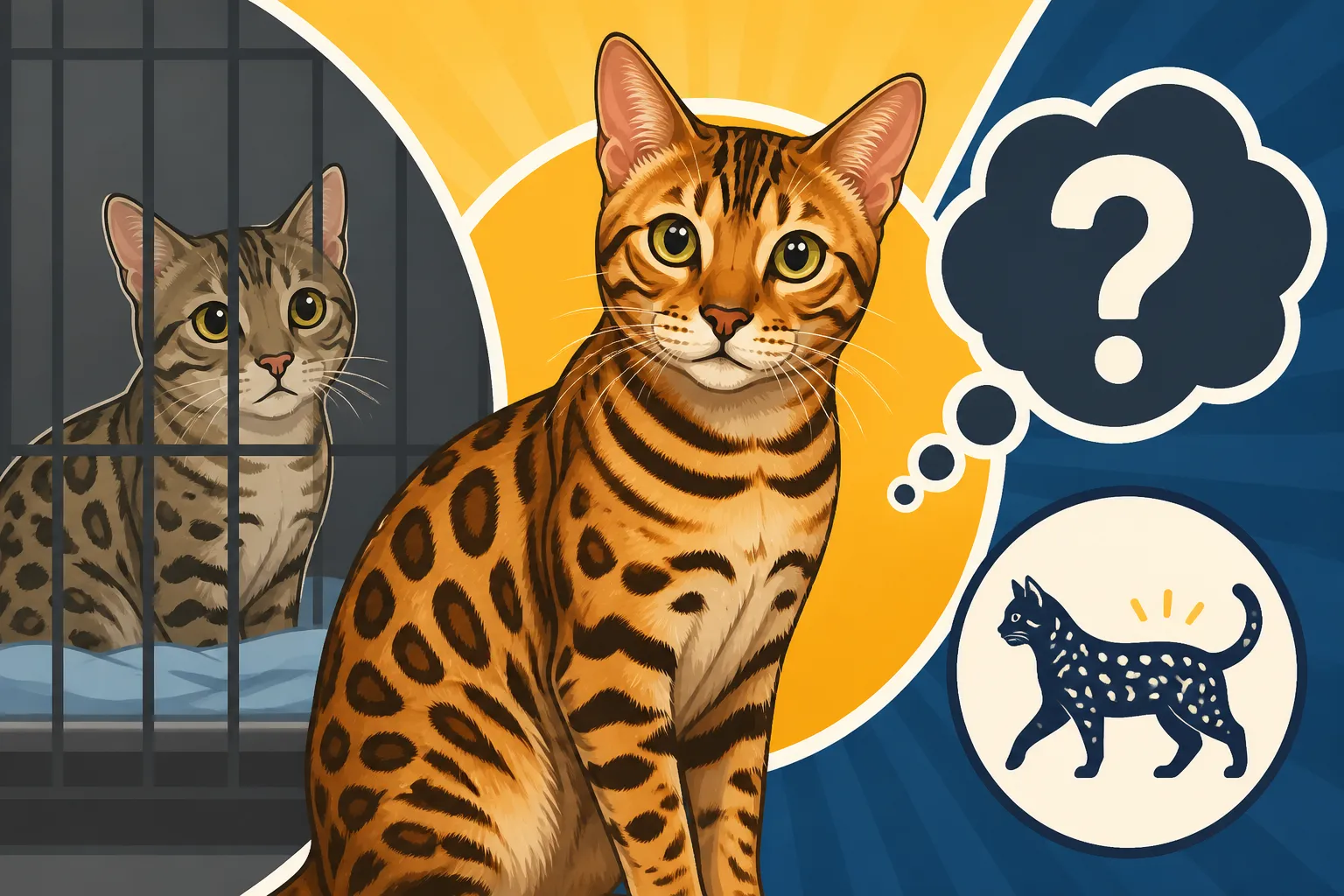
It’s a common and understandable wish for many cat lovers: you see a beautifully spotted cat at your local shelter or rescue, and your heart leaps. Could this striking feline, with its wild-looking coat, actually be a Bengal cat? The allure of owning a Bengal, often perceived as an exotic and expensive breed, makes the idea of finding one in a shelter incredibly tempting. However, the reality is that while many domestic cats can sport gorgeous spots, identifying a true Bengal goes far beyond their pattern. This guide will walk you through the tell-tale signs, common misconceptions, and definitive ways to determine if that spotted shelter cat truly has Bengal ancestry.
The Allure of a Spotted Coat: Why the Confusion Arises
The visual impact of a spotted cat is undeniable, drawing immediate comparisons to wild felines. This resemblance is precisely why so many people mistakenly identify regular domestic cats with spots as Bengals. It's easy to get swept up in the excitement, especially when a cat has a truly stunning pattern.
Superficial Similarities to the Wild Look
Many domestic shorthairs, and even some longer-haired mixed breeds, can exhibit spots, rosettes, or even marbled patterns that, at first glance, might remind you of a leopard or a Bengal. These cats might have a sleek body, striking green or gold eyes, and an overall athletic appearance that mimics the wild heritage of a Bengal. You see a beautiful pattern, and your mind immediately jumps to the most famous spotted domestic breed. It’s a natural leap, and frankly, a very hopeful one, especially if you’ve always admired Bengals but known they come with a hefty price tag. You might think, "Wow, I got lucky!" but it's important to look deeper.
Common Domestic Spotted Patterns
Believe it or not, a spotted coat isn't exclusive to the Bengal cat. Many domestic cats, without any wild bloodlines, can display a range of spotted patterns. These can be tiny, random specks, or more defined, uniform spots across their flanks. Some tabbies, for instance, might have broken mackerel stripes that look like spots, or classic tabbies might have swirled patterns that, when stretched out, resemble rosettes. These are natural genetic variations within the domestic cat population, a testament to the incredible diversity of our beloved companions. It's like seeing a dog with floppy ears and assuming it's a Basset Hound; while Basset Hounds do have floppy ears, many other breeds do too!
The "Bengal Look" in Mixed Breeds
Sometimes, a domestic cat might have a touch of something exotic in its lineage, but not enough to be considered a full Bengal, or it might be a distant cross. For example, a cat might be a mix of a Bengal and a domestic shorthair, inheriting some of the striking markings without all the other breed-specific traits. These cats are often referred to as "Bengal mixes" or "Bengal-type" cats. They can certainly possess an alluring wild appearance, but they won't typically carry a pedigree or exhibit the full spectrum of Bengal characteristics, such as the unique pelt-like coat or the intense activity levels. It's a wonderful outcome, getting a cat with some of the looks, but it's not the same as a purebred Bengal.
Beyond the Spots: Key Differences Between a Bengal and a Spotted Domestic
While spots are a Bengal's most recognizable feature, they are far from the only one. True Bengals possess a unique combination of physical traits and temperament characteristics that set them apart from even the most striking spotted domestic cat. Missing one of these key indicators is often the first clue that your spotted friend, while beautiful, is likely not a Bengal.
The Signature Bengal Coat and Body Type
One of the biggest giveaways for a true Bengal is their coat. It's often described as a "pelt" rather than fur. What does that mean? It feels incredibly soft, almost silky to the touch, and often has a shimmering quality known as "glitter." This glitter is due to hollow hair shafts that catch the light, giving the coat a distinct, almost golden sheen, especially on brown Bengals, or a pearlescent glow on snow Bengals. This isn't just a slight difference; it's truly unique. You can learn more about this in A Bengal Cat's Coat Is a Pelt, Not Fur or The Glitter Gene and What It Does to a Bengal Cat's Coat.
Beyond the coat, Bengals have a specific body type. They are typically muscular, agile cats with hind legs that are slightly longer than their front legs, giving them a powerful, athletic gait. They also often have a small, sleek head in proportion to their body, with wide-set ears and pronounced whisker pads. Their tails are usually thick, medium-length, and tapered to a rounded tip. Compare this to a domestic cat, which might be more slender, stockier, or have a much softer, denser fur coat without the glitter. Sometimes, it’s only when you see a true Bengal next to a spotted domestic that the differences truly hit you.
Temperament and Energy Levels
This is often where the rubber meets the road. Bengals are renowned for their incredibly high energy levels and playful, often mischievous, personalities. They are highly intelligent and require constant mental and physical stimulation. They love to climb, explore, and often have a fascination with water – many will happily play in sinks, drink from running faucets, or even jump into the shower with you! This extreme activity isn't just a kitten phase; it's a lifelong trait that owners need to be prepared for. If you've ever wondered The Bengal Cat Is the Most Active Cat You Can Own, you'll understand why their temperament is such a huge differentiator.
A spotted domestic cat, while certainly capable of playfulness and affection, will rarely exhibit the relentless energy and specific behavioral quirks of a Bengal. They might enjoy a good game of chase, but they're less likely to systematically dismantle your cabinets, demand leash walks, or spend hours running on a cat wheel. What a Bengal Cat's Temperament Is Really Like delves into just how different they are. If your spotted shelter cat is content with a few toys and a sunny window, they're probably not a Bengal, and that's perfectly fine—they'll still make a wonderful companion.
The Bengal's Distinctive Voice
Another surprising characteristic for many new Bengal owners is their voice. Bengals are known for being quite vocal, but it's not always a typical "meow." They often produce a range of sounds, from chirps and trills to deep, throaty growls and even a distinctive howl or yowl when they want something. It's a much broader and often louder vocabulary than most domestic cats possess. They use these sounds to communicate their desires, express excitement, or simply to tell you all about their day. If you live with one, you'll quickly become fluent in "Bengal speak."
A regular spotted domestic cat will certainly meow, purr, and chatter, but their vocalizations tend to be more in line with what you'd expect from a typical house cat. They might have a sweet, soft meow or a demanding one, but it's less likely to include the wilder range of sounds that come so naturally to a Bengal. If you're wondering How Vocal a Bengal Cat Is, just imagine a conversation with a cat that sounds like it's trying to communicate with its wild cousins!
Definitive Identification: How to Know if You Really Have a Bengal
If you've found a spotted cat and are genuinely curious about its heritage, relying on visual cues alone can be misleading. Thankfully, there are concrete steps you can take to determine if your feline friend is a true Bengal, rather than just a beautifully marked domestic cat.
The Importance of Pedigree Papers
For any purebred cat, the most reliable proof of breed is a pedigree. A pedigree is essentially a family tree, tracing your cat's lineage back several generations, and it's issued by a recognized cat registry like The International Cat Association (TICA). This document confirms the cat's breed, generation (F1, F2, SBT, etc.), and often lists its registered name and the names of its parents. If a cat is a purebred Bengal, its breeder would have provided these papers upon purchase.
If you adopt a spotted cat from a shelter, it's highly unlikely they will come with pedigree papers. Shelters typically deal with abandoned or surrendered animals, and breed documentation is rarely available. This doesn't mean the cat isn't wonderful, but it does mean you can't prove it's a Bengal without this crucial documentation. A lack of papers is a strong indicator that you have a domestic cat, not a registered purebred Bengal. It’s the definitive proof, much like a birth certificate for a person, that confirms identity and lineage.
Genetic Testing for Breed Confirmation
In recent years, genetic testing for cats has become more accessible. While no DNA test can perfectly recreate a full pedigree, some companies offer breed identification panels that can analyze your cat's DNA and look for markers associated with specific breeds, including the Bengal. These tests can often identify if your cat has a significant percentage of Bengal DNA or even specific markers tied to the Asian Leopard Cat, the wild ancestor of the Bengal.
Keep in mind that these tests vary in accuracy and comprehensiveness. They might give you a good indication, but they won't replace a traditional pedigree. If the test comes back showing no Bengal markers, it's safe to say your cat, despite its spots, is a domestic breed. If it shows a small percentage, it could indicate a distant Bengal mix. Companies like Optimal Selection or Basepaws offer such services, allowing you to Whether a DNA Test Confirms a Bengal Cat. It’s a fascinating way to learn more about your cat’s unique genetic makeup.
Expert Veterinary Opinion
While your regular veterinarian might be able to offer an educated guess based on their experience, it's important to understand that not all vets are breed experts. For a truly informed opinion, you might consider consulting a veterinarian who specializes in feline genetics, exotic animal medicine, or has extensive experience with purebred cats. They can evaluate your cat's physical characteristics, gait, and overall demeanor against the breed standard.
However, even an expert opinion isn't a substitute for a pedigree or a DNA test. Their assessment will be based on observation, which, as we've discussed, can be tricky with spotted cats. Think of it as a helpful piece of the puzzle, but not the final answer. An experienced vet might say, "This cat certainly has many Bengal-like qualities," but they typically won't definitively label it as a purebred Bengal without more concrete evidence.
Here's a quick comparison to help you differentiate:
| Feature | Purebred Bengal Cat (SBT) | Spotted Domestic Cat |
|---|---|---|
| Coat | Silky, pelt-like, often with "glitter" and distinct rosettes | Soft fur, may have spots or broken stripes, no glitter |
| Body Type | Muscular, athletic, hind legs slightly longer, wild appearance | Varies widely, generally less extreme athleticism |
| Energy Level | Extremely high, constantly active, needs immense stimulation | Moderate to high, but usually less intense and sustained |
| Vocalization | Wide range of sounds: chirps, trills, yowls, deeper tones | Standard meows, purrs, chattering |
| Water Fascination | Very common, loves playing in water, faucets, showers | Varies, most avoid water, some may tolerate |
| Pedigree | Always comes with TICA/other registry papers | Almost never has papers |
| DNA Test | Likely to show high percentage of Bengal/ALC DNA | May show no Bengal DNA, or very low percentage if mixed |
| Cost to Acquire | Significant investment, rarely found in shelters (unless rehomed directly) | Adoption fee, commonly found in shelters |
Embracing Your Spotted Companion, Whatever Their Ancestry
Ultimately, whether your spotted shelter cat is a purebred Bengal or a delightful domestic mix, what truly matters is the love and companionship they bring into your home. Focusing too much on breed can distract from the unique joy of any individual cat.
The Joy of a Unique Mixed Breed
A spotted domestic cat, whether a mix or a full-blooded mutt, is no less deserving of love and a forever home. These cats often come with robust health, wonderful personalities, and a charming individuality that is all their own. You might find a cat with the elegance of a Bengal, the playfulness of a tabby, and the cuddliness of a Ragdoll, all rolled into one unique package! They can offer all the affection, entertainment, and purrs you could ever want, without the specific demands or potential health predispositions that sometimes come with certain purebreds. Think of the endless fascination of getting to know your unique friend, without any preconceived notions of what a "Bengal" should be.
Many spotted domestics are fantastic mousers, affectionate lap cats, or engaging playmates. They bring their own special charm and make incredible companions. And let's be honest, finding a cat in a shelter means you're giving a deserving animal a second chance, which is a truly rewarding experience. Providing a high-quality diet can ensure your spotted companion thrives, no matter their background.
Meeting the Needs of an Active, Spotted Cat
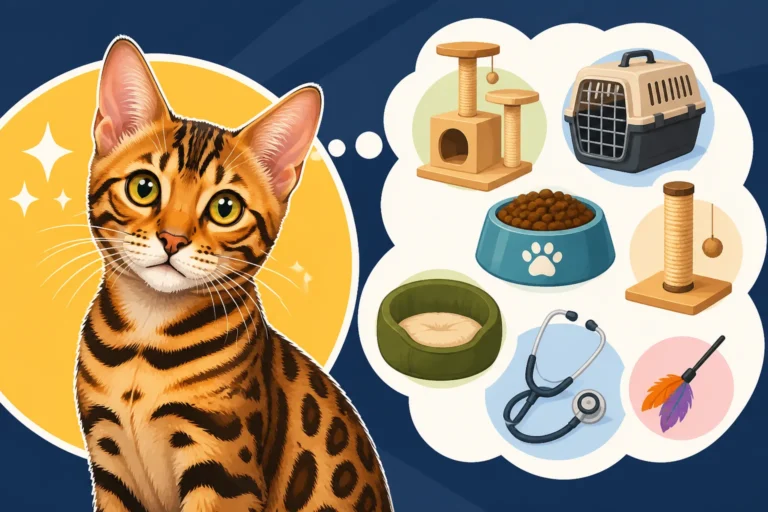
Even if your spotted cat isn't a Bengal, if they are active and playful, you'll want to ensure their needs are met. Many domestic cats, especially younger ones, can have significant energy levels. Provide plenty of vertical space with cat trees and shelves, engage them with interactive toys, and dedicate time each day for play sessions. A stimulating environment is key to a happy and well-adjusted cat, preventing boredom and potential destructive behaviors.
Consider investing in durable toys from stores like Chewy, puzzle feeders, and plenty of scratching posts. Regular playtime not only keeps them physically fit but also strengthens your bond. And remember, all cats, purebred or not, benefit from good veterinary care. Having pet insurance, such as through Healthy Paws, can provide peace of mind for those unexpected vet visits throughout your cat's life.
Adopting Responsibly
Regardless of whether you're looking for a specific breed or just a loving companion, adopting a cat is a commitment. If you are truly set on a Bengal cat, your best bet is to seek out reputable breeders who can provide pedigrees, health testing results (like those for HCM Is What Kills Bengal Cats Early or Pyruvate Kinase Deficiency in a Bengal Cat), and references. The initial cost of a purebred Bengal reflects the breeder's investment in health, genetics, and proper socialization.
However, if you're open to any spotted cat that captures your heart, consider visiting your local animal shelter or rescue organization. There are countless amazing cats waiting for homes, and many of them have stunning markings that rival any purebred. You might not get a Bengal, but you'll get a loyal, loving friend who is just as special. Ultimately, the best cat for you is the one who fits into your life, brings you joy, and receives your unconditional love.
Disclaimer
This article is for general informational purposes only and does not constitute professional advice. Laws, prices and regulations vary by location and change over time. Consult a qualified professional for guidance on your specific situation.