Whether a Bengal Cat Can Be an Indoor Only Cat
The thought of bringing a magnificent, wild-looking Bengal cat into your home often comes with a big question mark: can this energetic, intelligent, and famously active breed truly thrive within the confines of four walls? Many prospective owners worry they won't be able to provide enough stimulation or that their Bengal will feel deprived. It's a completely valid concern, as these cats are not your average couch potatoes. This guide will walk you through exactly how to create a fulfilling indoor life for your Bengal, ensuring they are happy, healthy, and thriving.
Understanding the Bengal Cat's Natural Instincts
Before we dive into how to make an indoor life work, it's crucial to understand why the question even arises. Bengal cats are special, and their unique needs stem directly from their fascinating origins.
The Wild Ancestry Factor
At the heart of every Bengal cat is the Asian Leopard Cat (ALC), a small, wild feline known for its striking spotted coat, incredible agility, and keen hunting instincts. While most pet Bengals are many generations removed from their wild ancestors (SBT or "Stud Book Tradition" Bengals are at least four generations removed), they still carry echoes of these traits. This isn't just about their stunning appearance; it's deeply ingrained in their behavior. They possess a natural athleticism, a sharp intelligence, and a strong prey drive that is more pronounced than in many domestic breeds.
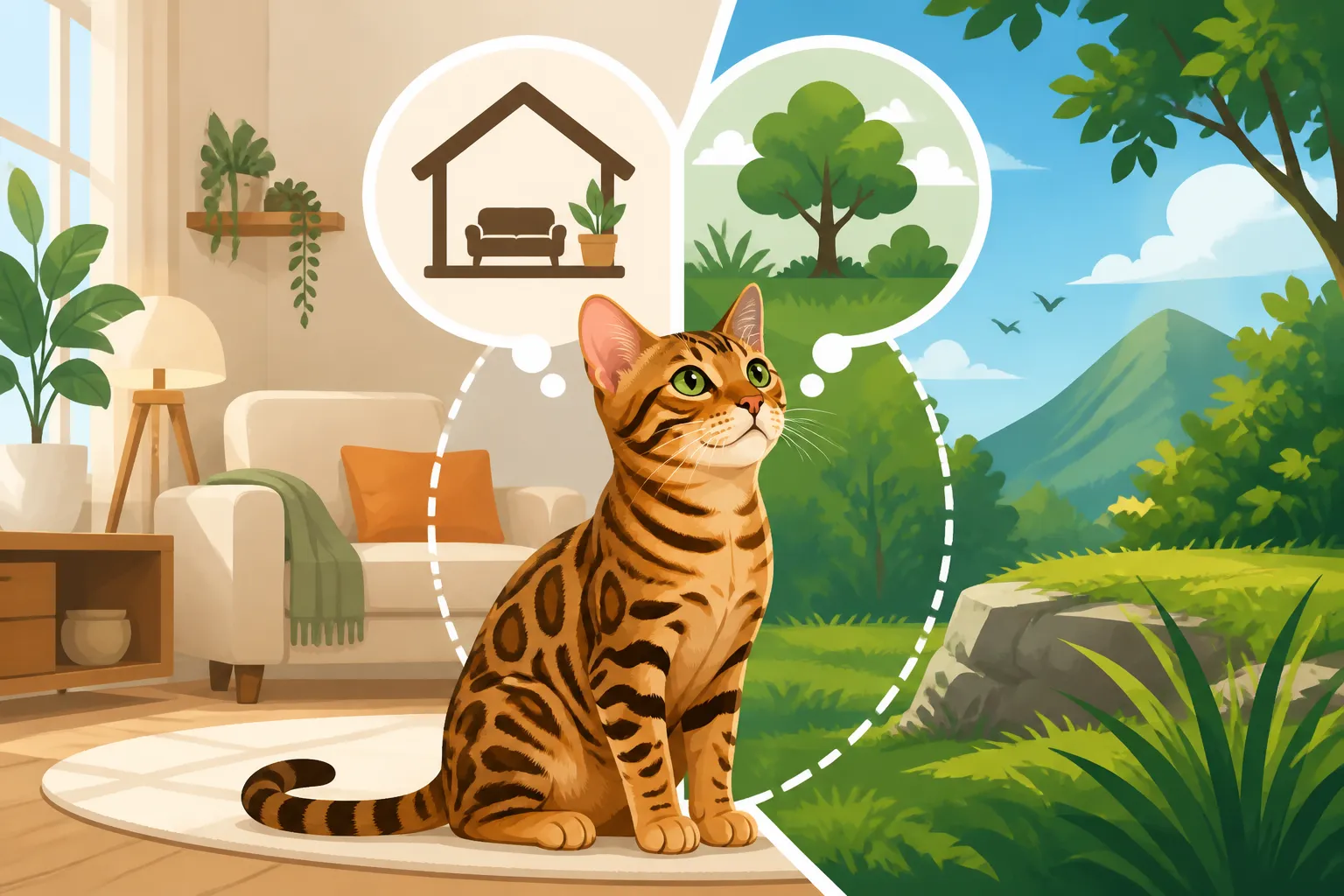
This wild heritage means they're hardwired for exploration, hunting, and constant activity. They're not content to simply lounge in a sunbeam all day, though they certainly enjoy a good nap after an intense play session! Their minds are always working, always observing, and always seeking interaction with their environment. If these instincts aren't met in a safe, appropriate way, that's when problems can arise. It's not that they need to be outdoors to be happy, but they do need an indoor environment that respects and caters to these deep-seated natural tendencies.
Boundless Energy and Curiosity
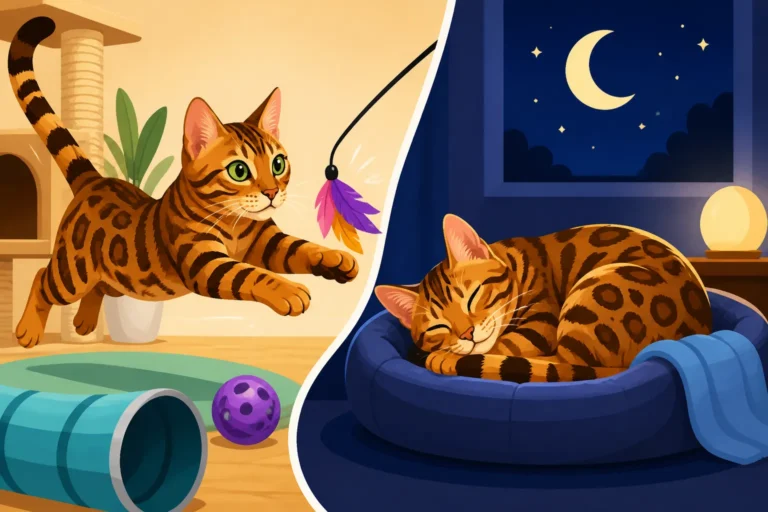
Anyone who has spent time with a Bengal will tell you they are the epitome of feline energy. They genuinely seem to possess an unending supply of it, often leaving their human companions feeling thoroughly exhausted after a play session that's just getting warmed up for the cat! This isn't just a kitten phase; many Bengals maintain a high activity level well into their senior years. This constant motion isn't just physical; it's mental, too. They are incredibly curious, driven to investigate every new smell, every crinkle of a bag, every high shelf.
This boundless energy and curiosity mean they are not content with a static environment. They need novelty, challenges, and opportunities to "hunt" and "explore" within their home. Without these outlets, their magnificent energy can quickly turn destructive or manifest as incessant demands for attention. It's a key reason why the common wisdom states that The Bengal Cat Is the Most Active Cat You Can Own. Understanding this fundamental aspect of their personality is the first step toward successfully providing for an indoor-only Bengal.
Why Keeping a Bengal Indoors is Crucial
Given their natural instincts and high energy, some might assume that a Bengal needs to be an outdoor cat. However, for the safety and well-being of the cat itself, and for the protection of local wildlife, keeping a Bengal strictly indoors (or in a secure outdoor enclosure) is overwhelmingly recommended.
Safety from Outdoor Hazards
The outdoor world, while seemingly full of exciting adventures for a curious Bengal, is also a minefield of potential dangers. For a start, vehicles pose an enormous threat. A Bengal's quick reflexes might help them navigate tight spaces, but they are no match for a speeding car. Sadly, traffic accidents are a leading cause of injury and death for outdoor cats.
Beyond cars, there's a whole host of other animals. Territorial neighborhood cats can engage in nasty fights, leading to abscesses, serious injuries, and the transmission of diseases like Feline Immunodeficiency Virus (FIV) and Feline Leukemia Virus (FeLV). Even seemingly friendly dogs can become aggressive when faced with a small, fast-moving cat, especially if they view it as prey. More concerning still are predators like coyotes, foxes, or even large birds of prey in some areas, which see a small cat as an easy meal. Poisons, either intentionally set or accidentally ingested (antifreeze, rat poison, slug pellets), are another silent killer that indoor cats are almost completely protected from.
Lastly, there's the heartbreaking risk of theft. Bengal cats, with their exotic appearance and often significant purchase price, are unfortunately targets for people looking to re-sell them or use them for breeding. An indoor Bengal is safe from all these preventable tragedies, allowing them to live out their full The Twelve to Sixteen Years a Bengal Cat Gets.
Protecting Local Wildlife
Bengal cats retain a strong hunting drive, a direct inheritance from their wild ancestors. While they may be small, they are incredibly efficient hunters. This means that if allowed to roam freely outdoors, they will inevitably prey on local birds, small mammals like mice, voles, and rabbits, and even reptiles or amphibians. This isn't out of malice; it's simply their instinct kicking in.
For many owners, this is a significant ethical consideration. Keeping your Bengal indoors ensures they aren't contributing to the decline of local wildlife populations, many of which are already under pressure from habitat loss and other environmental factors. It allows you to enjoy their natural hunting behaviors through interactive play indoors, without the guilt or ecological impact. Choosing to keep your Bengal indoors is a responsible choice that benefits both your cherished pet and the ecosystem around your home.
Creating an Enriched Indoor Environment
So, how do you satisfy a Bengal's wild spirit within the safety of your home? It's all about thoughtful design and consistent interaction. Think of your home as a jungle gym, a puzzle box, and a play arena all rolled into one.
Vertical Space and Climbing Opportunities
One of the most immediate ways to satisfy a Bengal's natural urges is to provide ample vertical space. In the wild, cats climb trees to survey their territory, escape predators, and stalk prey. Your indoor Bengal has the same need to ascend! This isn't just about a single cat tree; it's about thinking three-dimensionally.
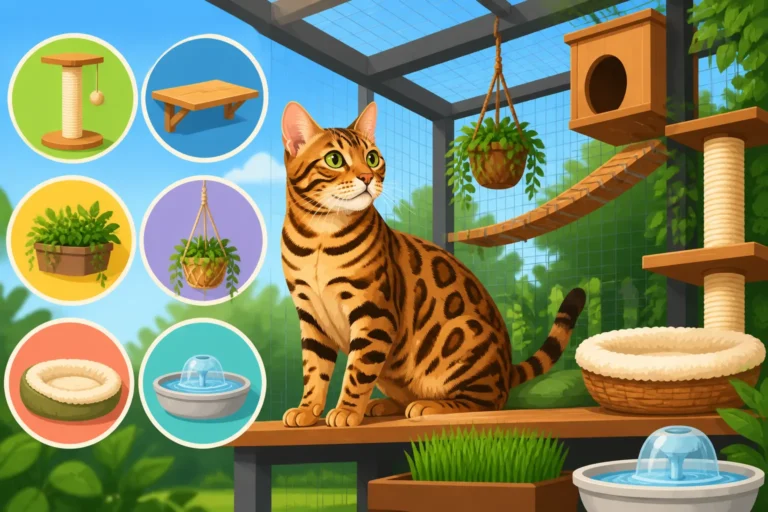
Invest in sturdy, tall cat trees that allow them to reach the ceiling, like those you can find on Amazon that feature multiple perches and scratching surfaces. But don't stop there. Consider installing cat shelves or "cat superhighways" along your walls. These can be simple planks mounted to studs, creating a continuous path for your Bengal to climb, jump, and patrol from above. They love to be up high, looking down on their domain. Not only does this fulfill their instinct to climb and survey, but it also dramatically increases their perceived territory, making a smaller living space feel much larger and more exciting. Without enough vertical outlets, their energy might be channeled into destructive climbing on curtains or furniture, a clear sign that they need more appropriate spaces. For ideas on how to integrate this, think about How High a Bengal Cat Climbs and How Much Vertical Space a Bengal Cat Needs.
Interactive Play and Mental Stimulation
Bengals are incredibly intelligent, and their minds need as much exercise as their bodies. Without mental engagement, they can become bored, leading to undesirable behaviors. This means interactive play is not just a nice-to-have; it's a non-negotiable part of their daily routine. Aim for several dedicated play sessions throughout the day, using wand toys that mimic the erratic movements of prey. These aren't just for fun; they allow your Bengal to engage their hunting instincts in a safe, controlled way.
Puzzle feeders are another fantastic tool for mental stimulation. Instead of simply putting food in a bowl, make your Bengal work for it. There are many different types available on Amazon, from simple treat balls to complex multi-stage puzzles. This taps into their problem-solving skills and makes mealtime an enriching activity. Don't forget clicker training! Bengals are highly trainable and love to learn tricks. Teaching them commands like "sit," "stay," or even "fetch" provides immense mental satisfaction and strengthens your bond. Rotating their toys regularly also helps keep things fresh and exciting, preventing boredom from setting in. This kind of consistent mental and physical engagement is key to preventing What a Bored Bengal Cat Destroys.
Water Features and Their Allure
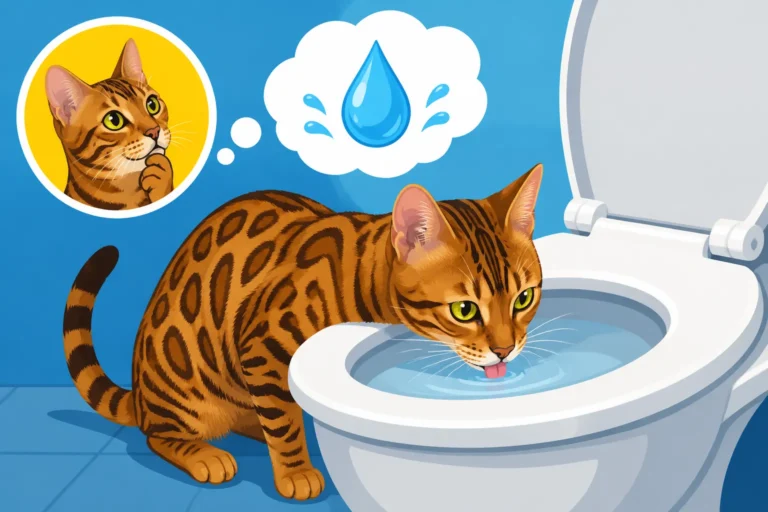
One of the most endearing and, at times, perplexing traits of many Bengal cats is their fascination with water. Unlike most domestic felines who treat water with suspicion, Bengals often enjoy playing in it, drinking from running taps, or even joining you in the shower. This unusual trait is thought to be a direct link to their ALC ancestors, who are known to enjoy water and even hunt in shallow streams.
To cater to this unique quirk and provide additional enrichment, consider investing in a good quality pet drinking fountain. Not only does running water encourage them to drink more, which is great for kidney health, but many Bengals find the bubbling, flowing water endlessly captivating. Some owners even provide shallow bowls or trays with a few floating toys for supervised water play. Just be prepared for a bit of splash! You can find durable, cat-friendly water fountains on Amazon that are designed to withstand even the most enthusiastic feline interactions. Knowing Why a Bengal Cat Loves Water can help you turn this quirk into a fun enrichment opportunity.
Specialized Gear for Indoor Bengals
While a stimulating environment goes a long way, some specific tools can be game-changers for managing an indoor Bengal's energy and providing safe "outdoor" experiences.
Cat Wheels for Energy Release
If there's one piece of specialized equipment that many Bengal owners swear by for indoor cats, it's the cat exercise wheel. These large, hamster wheel-like devices allow your Bengal to run, run, and run some more, burning off that incredible energy in a safe and contained manner. It's a fantastic solution for cats who Why a Bengal Cat Never Seems to Tire and need an outlet for their physical prowess.
Imagine your Bengal sprinting for 15-20 minutes, simulating a long-distance chase, all while staying securely indoors. It's an unparalleled way to keep them physically fit and mentally satisfied. While they are a significant investment, the benefits for an energetic Bengal are often priceless, contributing significantly to their overall well-being and preventing destructive behaviors born from pent-up energy. Many Bengals take to them almost immediately, often teaching themselves how to use the wheel with no training necessary. When choosing one, consider Which Cat Wheel Size a Bengal Cat Needs to ensure it's appropriate for their size and stride.
Harness and Leash Training for Safe Outings
While the goal is to keep your Bengal safely indoors, this doesn't mean they can never experience the outside world. Harness and leash training offers a fantastic compromise, allowing them to explore new sights, sounds, and smells under your supervision. This can be an incredibly enriching experience, especially for Bengals who are naturally curious and adventurous.
Starting early, even as a kitten, is key. Begin with short sessions indoors, getting them comfortable with the harness itself before adding the leash. Gradually introduce them to the outdoors in a quiet, safe area like your backyard or a calm park. The feeling of fresh air, the scent of grass, and the stimulation of new surroundings can be incredibly stimulating for a Bengal. It’s important to remember that this isn't like walking a dog; your Bengal will lead the way, stopping to sniff and investigate. It's about letting them explore on their terms, safely. For a detailed guide on how to get started, check out our article on A Bengal Cat Walks on a Leash. This controlled outdoor exposure can significantly enhance an indoor Bengal's quality of life without exposing them to the myriad dangers of free-roaming.
Managing Common Indoor Bengal Challenges
Even with the best intentions and an enriched environment, living with an indoor Bengal can present unique challenges. Their intelligence and energy mean they're often adept at finding trouble if not adequately stimulated or understood.
Destructive Behavior from Boredom
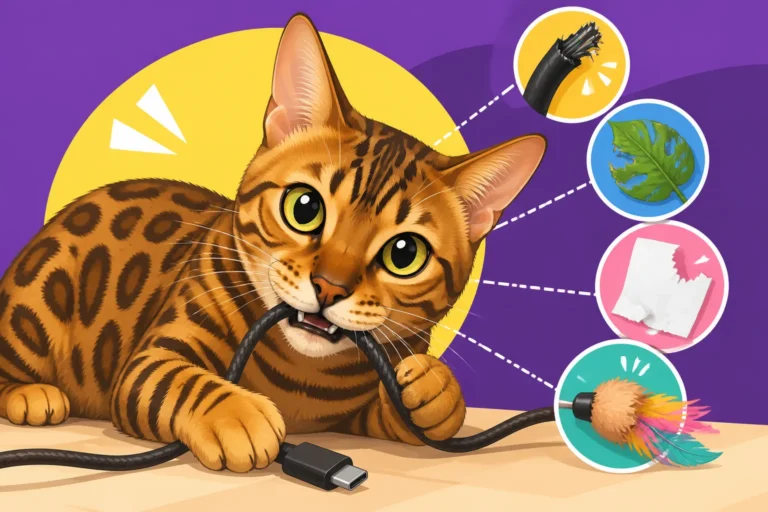
A bored Bengal is often a destructive Bengal. If they don't have appropriate outlets for their energy and intelligence, they will find their own, which often involves things you'd rather they didn't touch. This can manifest as relentless scratching of furniture, not just for sharpening claws, but sometimes purely out of frustration or boredom. They might systematically remove every item from your shelves, open cabinets to explore their contents, or even learn to open doors to "escape" to another room.
The solution isn't punishment, which rarely works with cats and can damage your bond. Instead, it's about redirection and prevention. Ensure you have plenty of appropriate scratching surfaces – tall posts, horizontal scratchers, and scratching lounges – in multiple locations. Secure cabinets with child-proof locks (many on Amazon work wonderfully for curious cat paws!). Increase their daily interactive play sessions and introduce more puzzle toys. Remember, these behaviors are often a cry for more engagement and stimulation. Understanding What a Bored Bengal Cat Destroys can help you proactively address these issues before they become ingrained habits.
Vocalization and Attention Seeking
Bengals are known for being vocal, but their voices aren't always a gentle meow. They have a wide range of sounds, from chirps and trills to demanding yowls and even barks. While some of this is simply their unique communication style, persistent or excessive vocalization, especially at inconvenient times (like 4 AM!), is often a sign of attention-seeking or unmet needs.
Your Bengal might be telling you they're bored, hungry, or simply want to play. It's crucial to distinguish between a casual "hello" and a genuine demand. If they are constantly yowling at you, try to engage them with a play session, offer a puzzle toy, or check if their basic needs are met. However, it's also important not to inadvertently reinforce demanding behaviors. If they learn that a loud yowl gets them immediate attention, they'll keep doing it. Try to preempt their demands by initiating play and interaction before they become overly vocal. Consistent routines for feeding and playtime can also help manage their expectations. Our article How Loud a Bengal Cat Is delves deeper into their varied vocalizations and what they mean.
The Social Needs of an Indoor Bengal
Beyond physical and mental enrichment, Bengal cats are highly social creatures. They thrive on interaction and can become quite attached to their human families. This social need is particularly important for indoor-only Bengals, as they rely entirely on their household for companionship.
Companion Animals
For many Bengals, especially those left alone for significant periods during the day, a companion animal can make a world of difference. Another energetic cat, particularly another Bengal or a similarly playful breed, can provide endless entertainment and interaction, helping to burn off energy and satisfy their social urges. They can chase, wrestle, and groom each other, fulfilling many instincts that a human simply can't.
However, introducing a new pet needs careful consideration. Not all cats get along, and a Bengal's intense play style might be overwhelming for a more sedate feline. If you're thinking about a second cat, look for one with a similar energy level and personality. Some Bengals also do well with cat-friendly dogs, especially if introduced correctly and early. Just be mindful of their prey drive with smaller pets like hamsters or birds. Researching How a Bengal Cat Accepts a Second Cat can provide valuable insights into a smooth introduction process.
Owner Engagement
Ultimately, no amount of toys or cat wheels can replace the bond and interaction they have with their human companions. Owners of indoor Bengals need to commit to daily, quality interaction. This isn't just about feeding them or scooping the litter box; it's about engaging with them on their level. Spend time petting, cuddling, talking to them, and, most importantly, playing with them.
Bengals often form deep bonds with their owners and crave attention and affection. Consistent positive interaction helps reinforce their sense of security and belonging within the home. If you're home, include them in your activities – they might "help" you type on the computer, watch you cook from a high perch, or even join you for a supervised bath or shower if they're particularly fond of water. This strong human-cat bond is what makes living with an indoor Bengal so incredibly rewarding. They give back tenfold the love and entertainment you invest in them, making them truly feel like a part of the family.
Summary of Indoor Bengal Enrichment
Creating a fulfilling indoor life for a Bengal cat is entirely achievable, but it requires commitment and a deep understanding of their unique needs. It's about proactive planning and providing a dynamic, stimulating environment that caters to their wild instincts, boundless energy, and sharp intelligence.
| Enrichment Category | Key Elements | Benefits for Bengal Cat | Recommended Tools (e.g., from Amazon) |
|---|---|---|---|
| Vertical Space | Tall cat trees, wall shelves, cat superhighways | Satisfies climbing instinct, increases territory, provides vantage points | Multi-level cat trees, wall-mounted cat perches |
| Interactive Play | Wand toys, laser pointers (with a "catch"), fetch | Mimics hunting, burns physical energy, strengthens bond, prevents boredom | Feather wands, laser pointers, crinkle balls, small plush toys |
| Mental Stimulation | Puzzle feeders, clicker training, rotating toys | Engages intelligence, provides challenges, slows down eating, prevents destructive habits | Food puzzle balls, treat dispensers, training clickers, varied toy rotation |
| Energy Release | Cat exercise wheels, long play sessions | Burns significant energy, keeps fit, reduces restlessness | Cat wheels (e.g., One Fast Cat, ZiggyDoo), long wand toys |
| Water Play | Drinking fountains, supervised tap/bowl play | Engages unique water fascination, encourages hydration, provides sensory enrichment | Ceramic or stainless steel drinking fountains, shallow water bowls |
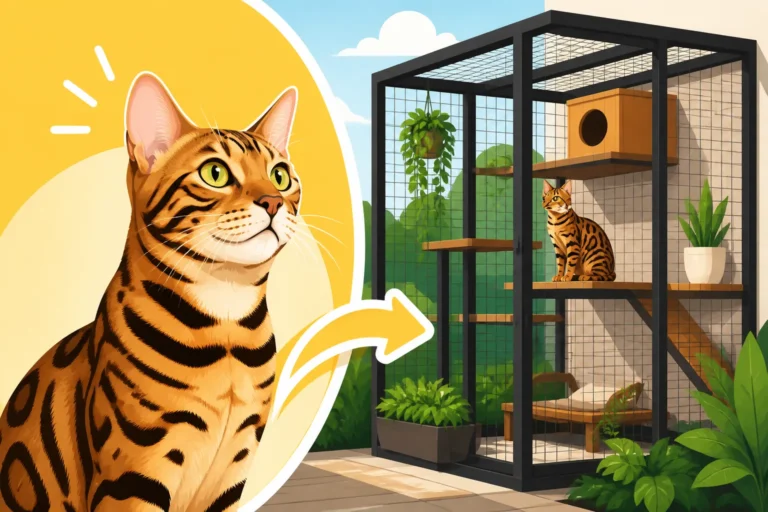
| Safe Outdoor Access | Harness & leash walks, secure catios | Provides sensory novelty, controlled exploration, fresh air, mental stimulation | Escape-proof harnesses, strong leashes, secure outdoor enclosures Why a Catio Is the Answer to a Bengal Cat |
| Social Interaction | Dedicated cuddle time, companion animals | Fulfills social needs, provides companionship, reduces anxiety, enhances well-being | Soft blankets, beds, another playful cat or pet |
By implementing these strategies, you can easily ensure that your Bengal cat thrives as a cherished indoor companion. You'll discover that their vivacious personality and intelligent antics are a constant source of joy, and your home will be a vibrant, exciting haven for your wild-at-heart friend.
Disclaimer
This article is for general informational purposes only and does not constitute professional advice. Laws, prices and regulations vary by location and change over time. Consult a qualified professional for guidance on your specific situation.