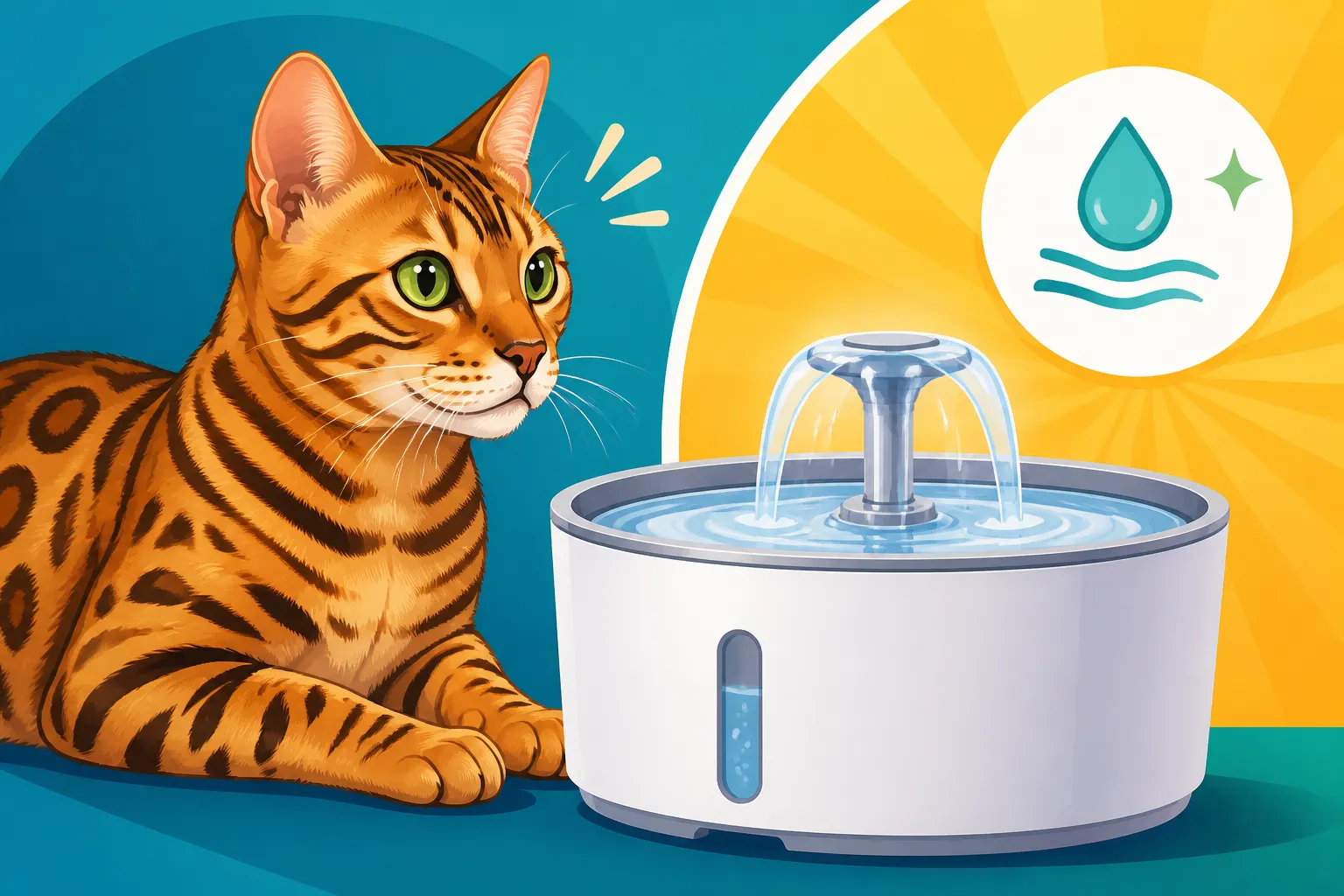
What a Water Fountain for a Bengal Cat Costs
If you've ever owned a Bengal cat, you know they're not like other felines. They're a whirlwind of energy, curiosity, and often, a fascination with water that can leave you scratching your head – and sometimes, cleaning up puddles. One common frustration for Bengal owners is ensuring their active, playful cat stays properly hydrated, especially when they insist on playing in the water bowl or trying to drink from the running faucet. This guide will walk you through the various aspects of purchasing and maintaining a water fountain for your Bengal cat, covering the different types available, their associated costs, and why this particular investment can be a game-changer for your spotted companion's health and happiness.
Why a Water Fountain is More Than a Luxury for Your Bengal Cat
Let's be real: Bengal cats are built differently. Their wild ancestry, stemming from the Asian Leopard Cat, gives them a unique set of instincts and behaviors that often surprise first-time owners. One of the most prominent is their undeniable pull towards water. Unlike many domestic cats who might turn their nose up at anything beyond a still bowl, Bengals often view water as a plaything, a hunting ground, or simply a more interesting source of hydration than what's typically offered.
You've probably noticed your Bengal pawing at their water bowl, tipping it over, or trying to drink from the running tap. This isn't just mischief; it's often an ingrained preference for moving water. In the wild, stagnant water can harbor bacteria, while moving water sources are generally fresher and safer. This instinct is still strong in our domestic Bengals. A water fountain taps directly into this primal preference, making drinking a far more appealing prospect. When your cat is well-hydrated, they are generally healthier, more energetic, and less prone to certain issues. Proper hydration is critical for kidney function, digestive health, and overall vitality, which is especially important for such an active breed.
The Bengal Cat's Unique Relationship with Water
It's truly a sight to behold, isn't it? Your Bengal cat might stalk the drips from a leaky faucet like a tiny jungle predator, or perhaps they've figured out how to turn on the tap themselves. Many Bengal owners share stories of their cats jumping into the shower with them, or even trying to swim in a bathtub. This isn't just a quirk; it's part of what makes them so special, but it also means their hydration needs are a bit different. Why a Bengal Cat Loves Water is a question many owners ponder, and the answer lies deep in their genetics. They're fascinated by the movement, the sound, and the freshness of flowing water.
A still bowl of water, no matter how clean, often doesn't hold the same allure. It might even be perceived as "dead" water, prompting them to seek out more "alive" sources like the toilet bowl (yuck!) or the kitchen sink. This isn't ideal for their health, nor for your peace of mind. A fountain mimics a fresh stream, encouraging them to drink more frequently and adequately.
Hydration and Your Bengal's Health
We all know water is vital, but for a Bengal, who expends so much energy bounding through the house, climbing curtains, and chasing toys, dehydration can creep up silently. They're always on the go, and they need to replenish their fluids constantly. Insufficient water intake can contribute to a host of health issues, some of which Bengals can be particularly susceptible to. Think about urinary tract issues, kidney problems, or even issues with their sensitive digestive system. Why a Bengal Cat's Gut Is So Sensitive means every aspect of their care, including hydration, plays a role in keeping them comfortable.
By providing a constant source of fresh, flowing water, you're not just indulging a preference; you're actively supporting their long-term health. Many vets will tell you that increasing water intake is one of the simplest yet most effective ways to prevent common feline ailments. A water fountain transforms a mundane necessity into an engaging activity, making sure your adventurous Bengal drinks enough to keep their powerful body running optimally.
Breaking Down the Costs: Initial Purchase, Filters, and Maintenance
So, you've decided a water fountain is a worthy investment for your energetic Bengal. Now, let's talk about the practical side: the cost. It’s not just the price tag of the fountain itself; there are ongoing expenses to consider. Understanding these will help you budget and choose a fountain that fits both your cat’s needs and your wallet.
The Upfront Cost of the Fountain Unit
The initial price of a water fountain for your Bengal cat can vary quite a bit, depending on the brand, material, size, and features. You might find basic plastic fountains on the lower end, sometimes costing as little as a few coffee shop visits. These are often compact, easy to assemble, and a good entry point if you're unsure if your Bengal will take to a fountain. However, plastic can sometimes scratch, potentially harboring bacteria over time, and some Bengals might be sensitive to the plastic smell or taste.
Mid-range options typically include ceramic or stainless steel fountains. These materials are generally more durable, easier to clean, and less likely to harbor bacteria or impart strange tastes to the water. They also tend to be heavier, making them harder for a particularly mischievous Bengal to knock over, which is a significant plus if your cat loves to play with their water. These can range more substantially in price, sometimes equivalent to a week's worth of groceries. The design and capacity also play a role; larger fountains, or those with multiple drinking levels, often cost more.
High-end fountains might offer advanced features like app connectivity for monitoring water levels, UV sterilization, or multiple filtration stages. These can cost significantly more, sometimes equivalent to a nice dinner out. While these features can be appealing, it's worth considering if your Bengal truly needs them, or if a simpler, robust model will do the trick. Websites like Chewy offer a wide array of choices, allowing you to compare features and prices easily.
The Ongoing Cost of Filters and Replacements
This is where the "hidden" costs sometimes surprise people. Water fountains require filters to keep the water clean, fresh, and free of debris like food particles, hair, and dust. Most fountains use a combination of activated carbon filters (to remove odors and tastes) and foam filters (to trap larger particles). These filters need to be replaced regularly – typically every two to four weeks, depending on the fountain and how many pets are using it.
The cost of replacement filters can add up over time. A pack of filters, usually containing two to six units, can range from the cost of a few specialty coffees to a takeout meal. While this might not seem like much per pack, if you're replacing them every month for fifteen years (which is The Twelve to Sixteen Years a Bengal Cat Gets), it becomes a significant investment. Some brands offer subscriptions for filters, which can sometimes provide a slight discount and the convenience of having them delivered right to your door when you need them. Neglecting to change filters can lead to decreased water quality, reduced pump efficiency, and ultimately, defeat the purpose of having a fountain in the first place.
Power Consumption and Cleaning Supplies
Compared to the cost of the fountain and filters, the power consumption is usually quite minimal. Most cat water fountains use low-wattage pumps, meaning they won't significantly impact your electricity bill. Think of it like charging your phone; it's a constant draw but a small one.
However, you'll also need cleaning supplies. Even with filters, a water fountain needs to be cleaned thoroughly every week or two to prevent slime, mold, and mineral buildup. This usually means a good scrub with dish soap and a brush, especially for the pump mechanism. Some fountains come with cleaning brushes, but if not, you might need to purchase a small bottle brush set. These are generally inexpensive, but it’s another small recurring cost. For more stubborn mineral deposits, you might need a descaling solution or a vinegar soak.
Choosing the Right Fountain: Features That Impact Price and Longevity
Selecting the right water fountain for your Bengal isn't just about price; it's about finding one that suits their specific needs, is durable enough to withstand their playful nature, and is easy for you to maintain. The material, capacity, and design all play a role in its cost and how well it integrates into your life.
Material Matters: Plastic, Ceramic, or Stainless Steel
The material of your chosen fountain is one of the biggest determinants of its initial cost and long-term durability.
- Plastic Fountains: These are typically the most budget-friendly option, often ranging from quite affordable. They come in a vast array of designs and colors. However, plastic can scratch over time, creating tiny crevices where bacteria can grow. Some cats, especially those with sensitive whiskers or who are prone to chin acne, might react poorly to plastic. They can also be lighter, making them easier for an energetic Bengal to move or even knock over during a particularly enthusiastic play session. If you choose plastic, opt for food-grade, BPA-free plastic, and be diligent with cleaning.
- Ceramic Fountains: These fountains often have a more aesthetically pleasing design and are heavier, making them much harder for a Bengal to tip. Ceramic is non-porous and easy to clean, resisting bacterial growth better than plastic. They also keep water cooler, which some cats prefer. The downside is they are usually more expensive than plastic and, being ceramic, they can break if dropped. These typically fall into the mid to higher price range.
- Stainless Steel Fountains: Often considered the gold standard, stainless steel fountains are incredibly durable, hygienic, and resistant to bacteria. They're heavy enough to stay put, easy to clean, and don't impart any taste to the water. Many vets recommend stainless steel due to its cleanliness. They tend to be in a similar price bracket to ceramic, or sometimes even a bit more, representing a solid long-term investment. They are highly resistant to the rough-and-tumble nature of a Bengal.
Capacity and Design Considerations
The size of the fountain, or its water capacity, impacts its price. Larger fountains hold more water, meaning less frequent refills, which can be convenient for busy owners or multi-cat households (though with a Bengal, you might find they demand it all to themselves!). However, a larger capacity generally means a higher initial cost.
Beyond capacity, consider the design:
- Flow Style: Does it have a bubbling top, a free-falling stream, or multiple streams? Some Bengals prefer a gentle bubble, while others are absolutely captivated by a tall, arching stream. Observe your cat's existing water-play habits to help inform your choice. If they love playing in the faucet, a fountain with a free-falling stream might be a hit.
- Noise Level: While most modern pumps are quiet, some can produce a slight hum or the sound of flowing water. For some cats (and owners!), this can be soothing, while for others, it might be a distraction. Look for models advertised as "whisper-quiet."
- Ease of Cleaning: This is crucial. A fountain that's difficult to disassemble and clean thoroughly will quickly become a chore, and you might find yourself skipping essential maintenance. Look for designs with minimal nooks and crannies, and an easily accessible pump.
When choosing, remember that a fountain is part of your home environment. You might want one that complements your decor, but function and hygiene should always take precedence, especially with a cat as demanding and active as a Bengal.
Long-Term Value and Unexpected Savings
Investing in a good quality water fountain for your Bengal cat isn't just about the initial purchase and filter costs; it's about considering the long-term benefits and even some potential savings you might not immediately realize. When we talk about What a Bengal Cat Costs Over Its Lifetime, things like health prevention truly add up.
Health Benefits That Reduce Vet Bills
A well-hydrated cat is generally a healthier cat. Bengals, like all felines, are prone to kidney issues and urinary tract infections, especially as they age. Encouraging them to drink more can significantly reduce the risk of these common and often expensive health problems. Think about the costs associated with treating a urinary blockage or chronic kidney disease – prescription diets, medications, and frequent veterinary visits can quickly surpass the cost of even the most premium water fountain over its lifetime.
By investing in a fountain, you're essentially making a preventative health investment. While good nutrition is essential, a complete wellness strategy also includes ensuring optimal hydration. Healthy Paws, and other pet insurance providers, are there for unexpected emergencies, but proactive care, like providing a water fountain, can help minimize those emergencies in the first place. You're not just buying a gadget; you're contributing to your Bengal's longevity and quality of life.
Environmental Impact and Convenience
While not a direct cost saving for your wallet, there's also the environmental aspect. If your Bengal currently insists on drinking from a running faucet, a fountain can save water by recirculating it. This means you're not constantly running the tap to appease their wild instincts, which can add up on your water bill over time.
From a convenience standpoint, a fountain reduces the need for constant bowl refills, especially if you have a larger capacity model. You're also less likely to find overturned water bowls or messy puddles from a cat trying to play with still water. This saves you time on cleaning up and ensures your cat always has access to fresh water, even if you're out for the day. This convenience, while not a direct financial saving, certainly contributes to a less stressful household, and sometimes, peace of mind is priceless.
Comparing Water Fountain Options for Your Bengal
To help you visualize the choices, here's a quick comparison of common water fountain types:
| Feature | Plastic Fountain | Ceramic Fountain | Stainless Steel Fountain |
|---|---|---|---|
| Initial Cost | Lower range | Mid to Higher range | Mid to Higher range |
| Durability | Good, but prone to scratches | Good, but can break if dropped | Excellent, highly robust |
| Hygiene | Can scratch and harbor bacteria | Very good, easy to clean, non-porous | Excellent, most hygienic, resistant to bacteria |
| Weight | Light, easily tipped by active Bengals | Heavy, stable | Heavy, stable |
| Aesthetics | Wide variety of designs, can look basic | Often stylish, complements home decor | Modern, sleek, professional look |
| Water Cooling | Little to none | Can keep water cooler | Excellent, often keeps water coldest |
| Maintenance | Regular cleaning essential, deep cleaning for scratches | Regular cleaning, easy | Regular cleaning, very easy |
Ultimately, the best water fountain is one your Bengal will actually use and one you can commit to maintaining. Observing your cat's current drinking habits and preferences for different textures or sounds can guide your choice. Whether you opt for a simple, reliable model or a feature-rich smart fountain, providing fresh, flowing water is a gift to your Bengal cat's health and happiness. It's an investment that pays dividends in their well-being and your peace of mind, ensuring your beloved, active companion stays hydrated for all their adventures.
Disclaimer
This article is for general informational purposes only and does not constitute professional advice. Laws, prices and regulations vary by location and change over time. Consult a qualified professional for guidance on your specific situation.