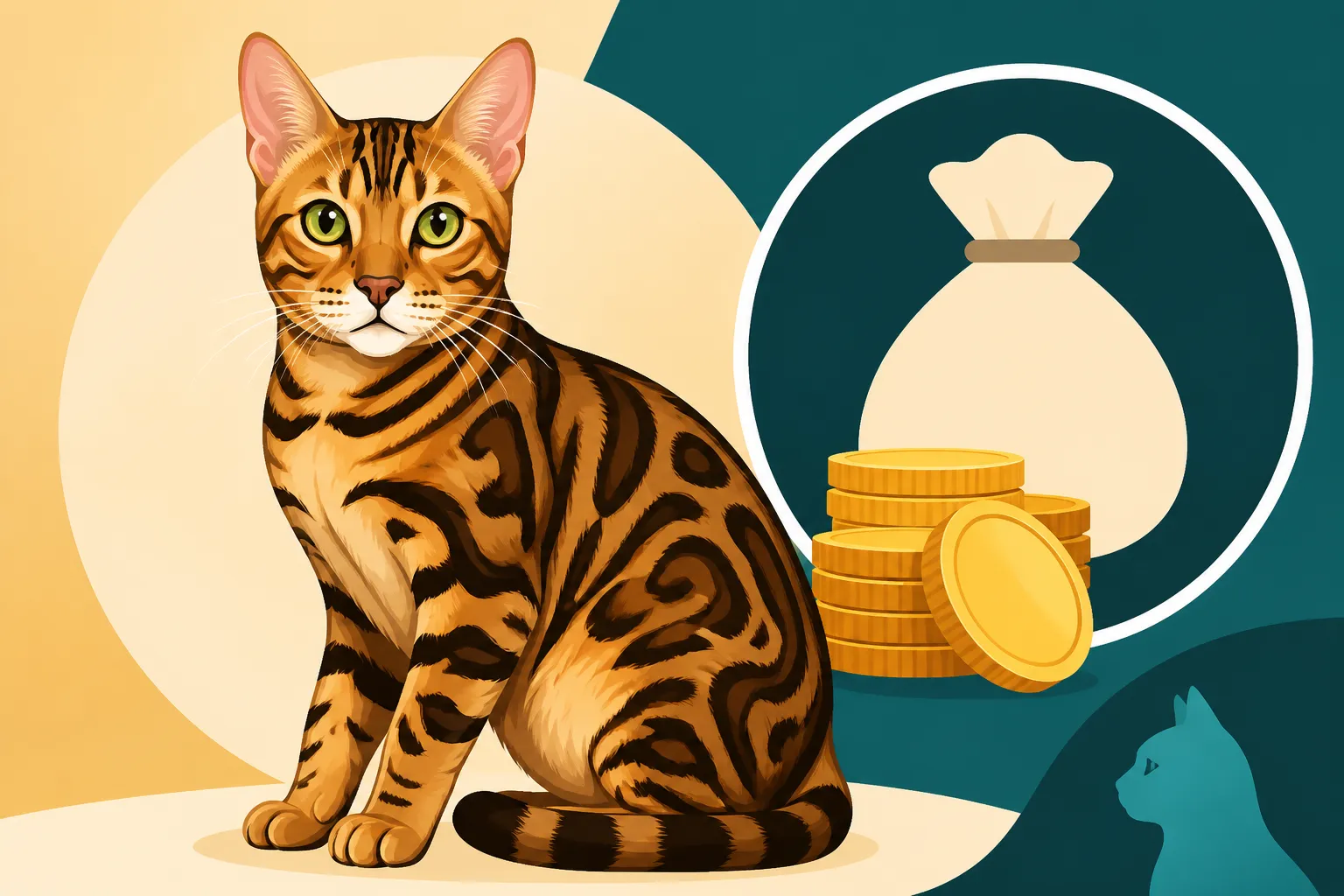
What a Marbled Bengal Cat Costs
Bringing a Bengal cat into your life is an incredibly exciting prospect, but if you've started looking at breeders, you’ve probably noticed that the price tags can be a bit of a head-scratcher. Specifically, if you're drawn to the unique beauty of a marbled Bengal cat, you might be wondering how that particular pattern impacts the overall cost. This guide will help you navigate the various factors that influence the price of a marbled Bengal, from the initial adoption fee to the essential long-term expenses, ensuring you understand the true financial commitment involved.
Understanding the Baseline Cost of Any Bengal Cat
Before we dive into the specifics of marbled Bengals, it’s vital to understand the foundational elements that contribute to the price of any Bengal cat. These majestic creatures are not your average housecats, and their pricing reflects their unique lineage, careful breeding, and extensive health screenings. You’re not just paying for a kitten; you’re investing in years of dedicated genetic planning and health assurance.
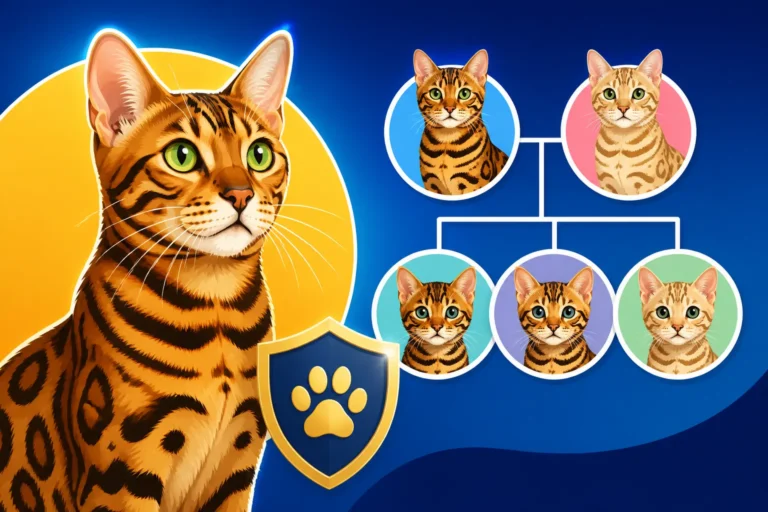
First and foremost, the generation plays a huge role. Bengal cats are hybrids, meaning they are a cross between a domestic cat and an Asian Leopard Cat (ALC). Early generation Bengals (F1, F2, F3) are closer to their wild ancestors and often command a significantly higher price due to their rarity, specialized care requirements, and unique temperament. An F1, the direct offspring of an ALC and a domestic cat, will be substantially more expensive than an SBT (Stud Book Traditional) Bengal, which is at least four generations removed from the ALC. Most pet owners are looking for an SBT Bengal, as these are considered fully domesticated and generally more suitable for a typical household.
Next up is the breeder's reputation and ethics. A reputable breeder invests heavily in their cats. This means extensive health testing for genetic conditions common in the breed, such as Pyruvate Kinase Deficiency in a Bengal Cat and PRA-b Blinds a Bengal Cat by Two and There Is a DNA Test. They will also ensure their breeding cats are scanned regularly for cardiac issues like Hypertrophic Cardiomyopathy (HCM), a serious heart condition that affects many breeds, including Bengals. HCM Is What Kills Bengal Cats Early is a real concern, and a good breeder will conduct regular echocardiograms. These health screenings are not cheap, but they are absolutely critical to producing healthy kittens and saving future owners immense heartache and vet bills. A cheap kitten often means a breeder cut corners on these vital checks, passing on potential health problems to you.
The pedigree and show quality of the kitten also factor into the cost. A kitten from championship lines, or one deemed to have "show quality" markings and conformation, will naturally cost more than a "pet quality" kitten. Pet quality simply means it might have a minor imperfection in its pattern or conformation that makes it unsuitable for the show ring, but it’s still a perfectly healthy and loving companion. Most marbled Bengals sold as pets fall into this category. Finally, basic care for the breeding cats, proper nutrition, vet visits for the queen and kittens, registration fees with associations like TICA (The International Cat Association), and socialization efforts all contribute to the final price.
How the Marbled Pattern Influences a Bengal Cat's Price Tag
Now, let's talk about that gorgeous marbled coat! The marbled pattern in Bengal cats is distinct from the more commonly seen spotted or rosetted patterns. Instead of distinct spots or rosettes, a marbled Bengal features swirling, horizontal stripes and patterns that resemble marble stone or flowing water. It's truly a work of art.
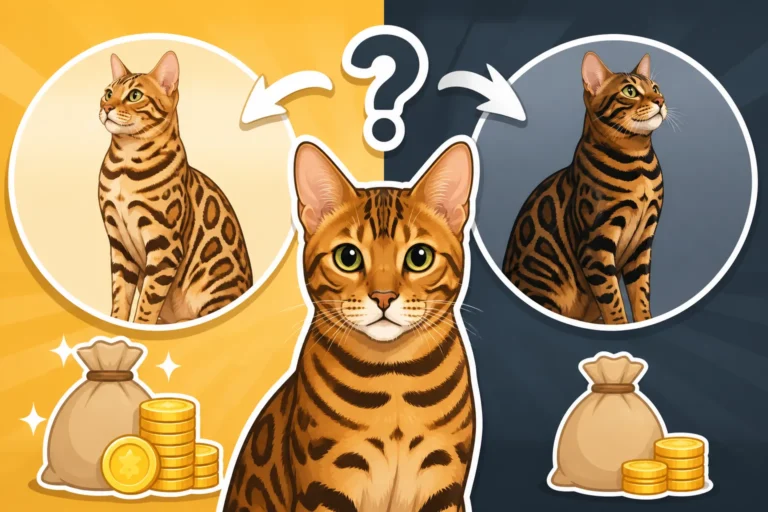
The primary reason a marbled Bengal cat might influence the price is its relative rarity and demand compared to the spotted or rosetted varieties. While marbled Bengals are recognized by cat registries, the overwhelming popularity and demand tend to lean towards the rosetted patterns, particularly those with strong, clear rosettes. This can sometimes mean that a well-marked marbled Bengal, while beautiful, might not command the absolute highest price tag that an exceptionally well-rosetted show-quality Bengal would. However, this is not a hard-and-fast rule, and the quality of the marbling itself is paramount.
The quality and clarity of the marbling are critical in determining its value. Breeders look for several characteristics in a high-quality marbled pattern:
- Horizontal Flow: The markings should ideally flow horizontally across the cat's body, creating a striking, artistic look, rather than appearing too vertical or broken.
- Good Contrast: There needs to be a clear, strong contrast between the darker pattern and the lighter ground color. Fuzzy or unclear marbling, often called "fading," is less desirable.
- Symmetry and Definition: The patterns should be well-defined and aesthetically pleasing, creating an overall impression of elegance and unique artistry.
- "Glitter": Many Bengal cats possess a unique trait called "glitter," where their coat appears to be dusted with gold or pearlescent shimmer. This is highly prized and can add to the cat's appeal and, consequently, its price, regardless of the pattern.
A marbled Bengal with exceptional horizontal flow, strong contrast, and clear definition will be priced higher than one with less defined or more broken marbling. Think of it like a piece of abstract art; some patterns are simply more striking and harmonious. While What a Rosetted Bengal Cat Costs might often be at the higher end of the spectrum for pet pricing due to popularity, a truly outstanding marbled pattern can certainly be competitive. It's less about which pattern is "better" and more about the quality of that specific pattern.
Here’s a general idea of how patterns might influence perceived value:
| Pattern Type | Description | General Demand/Perception | Price Impact (Relative) |
|---|---|---|---|
| Spotted | Distinct, individual spots across the coat. | Common, well-loved | Moderate |
| Rosetted | Spots that are outlined, forming "rosettes" (e.g., donut, paw-print). | Very High, desirable | High to Very High |
| Marbled | Swirling, horizontal patterns, like marble or cinnamon rolls. | Niche, but highly valued for quality | Moderate to High |
| Clouded Rosette | Large, irregular rosettes that merge, giving a "clouded leopard" look. | Very High, coveted | Very High |
It’s important to clarify that How Marbling Differs From Rosetting in a Bengal Cat isn't just a visual distinction; it's genetically determined. A breeder specializing in marbled Bengals may have a smaller, more dedicated following, but they are equally passionate about perfecting this stunning pattern. Ultimately, the cost of a marbled Bengal cat will be a combination of the general factors (generation, breeder, health) and the specific beauty and quality of its unique marbled pattern.
Beyond the Purchase Price: Long-Term Costs for a Marbled Bengal Cat
The initial price you pay for your marbled Bengal kitten is just the beginning of your financial journey together. Owning a Bengal cat, particularly one with their high energy and specific needs, involves ongoing expenses that can be higher than those for a typical domestic cat. It's a long-term commitment, and What a Bengal Cat Costs Over Its Lifetime can be a significant sum.
One of the most significant ongoing costs is food. Bengal cats are incredibly active and muscular, and they thrive on a high-quality, high-protein diet. Many owners opt for premium kibble, wet food, or even a raw diet to meet their nutritional needs. You can expect to spend more on food than for a less active cat. Premium or fresh food will be a regular purchase. Remember, a cheap food can lead to health issues down the line, and given that Why a Bengal Cat's Gut Is So Sensitive, investing in good nutrition is key to preventing problems like chronic diarrhea.
Veterinary care is another crucial expense. Beyond routine vaccinations and annual check-ups, Bengals, like any breed, can be prone to certain health conditions. Even with excellent breeding and health testing, unexpected illnesses or accidents can occur. This is where pet insurance, like plans offered by Healthy Paws, can be a lifesaver, helping to cover significant vet bills for emergencies, surgeries, or chronic conditions. It provides peace of mind and ensures you can always provide the best care for your beloved marbled Bengal without financial strain. Regular health screenings, even after purchase, are also a good idea.
Then there are the enrichment and activity needs. Bengals are not content to simply lounge on a sofa all day. They require significant mental and physical stimulation. This means investing in durable, engaging toys that can withstand their intense play, puzzle feeders to challenge their clever minds, and vertical space for climbing and exploring. A tall, sturdy What a Tall Cat Tree for a Bengal Cat Costs is not a luxury, but a necessity for their well-being. Many Bengal owners also consider building a "catio" or secure outdoor enclosure. What a Catio for a Bengal Cat Costs can be a substantial initial investment, but it provides a safe way for your adventurous cat to enjoy the outdoors. Without adequate enrichment, a bored Bengal can become destructive, leading to costs for damaged furniture or home repairs.
Finally, don't forget general supplies: litter, litter boxes (often larger and more durable ones to accommodate their digging habits), grooming tools (though their coats are low-maintenance, a good brush is still needed occasionally), and a secure carrier for vet visits. Over the years, these seemingly small expenses add up, so it's wise to factor them into your overall budget.
Making an Informed Decision: Budgeting for Your Marbled Bengal
Bringing a marbled Bengal cat home is a commitment that requires careful financial planning, not just for the initial purchase but for their entire lifespan. It’s about ensuring you can provide a high quality of life for your unique companion.
When you're ready to find your marbled Bengal, start by researching reputable breeders thoroughly. Don't be shy about asking questions regarding their health testing protocols. They should be transparent about the health screens performed on the parents and provide documentation for genetic tests (like PRA-b and PK-Deficiency) and cardiac scans. A breeder who proudly shares these results is demonstrating their commitment to the breed's health. You can also inquire about the specific characteristics of their marbled lines, and ask to see photos of previous marbled kittens to get a sense of the quality of their patterns as they mature.
Before committing, it's also essential to consider your local laws. While most SBT Bengals are legal in many places, some regions have restrictions on Bengal ownership, particularly for early generations. Always check Whether a Bengal Cat Is Legal in Your State or city ordinances to avoid any heartbreaking legal issues down the road. This is a simple step that can save you a world of trouble.
Create a realistic budget that covers not just the purchase price, but also the estimated annual costs for food, vet care (including a buffer for emergencies or considering pet insurance like Healthy Paws), toys, and other supplies. Remember that Bengal cats have specific needs that might necessitate higher quality, and thus more expensive, items from retailers like Chewy. Don't fall into the trap of thinking you can skimp on these things to save money; it often leads to behavioral issues, health problems, and ultimately, higher costs in the long run.
In conclusion, a marbled Bengal cat offers a unique aesthetic and a captivating personality. While their cost might seem higher than other breeds, it reflects the specialized breeding, health considerations, and the sheer joy they bring. By doing your homework, choosing a reputable breeder, and planning for the long-term, you’ll be well-prepared to welcome one of these stunning felines into your family.
Disclaimer
This article is for general informational purposes only and does not constitute professional advice. Laws, prices and regulations vary by location and change over time. Consult a qualified professional for guidance on your specific situation.