Why a Bengal Cat Never Seems to Tire
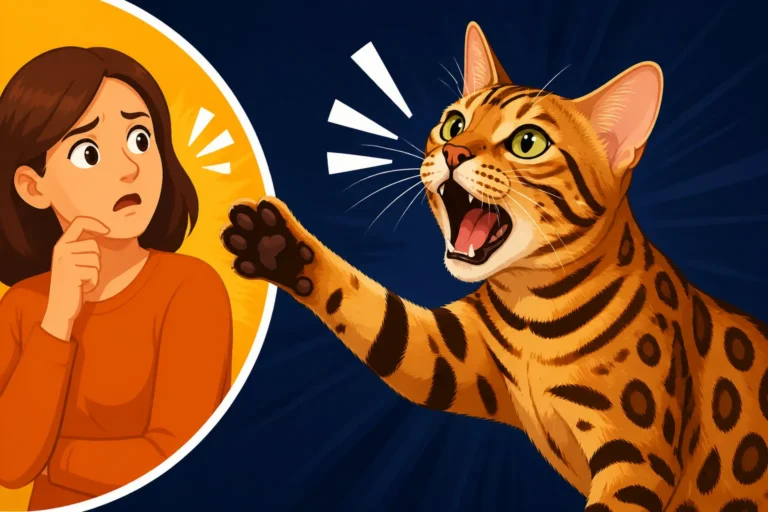
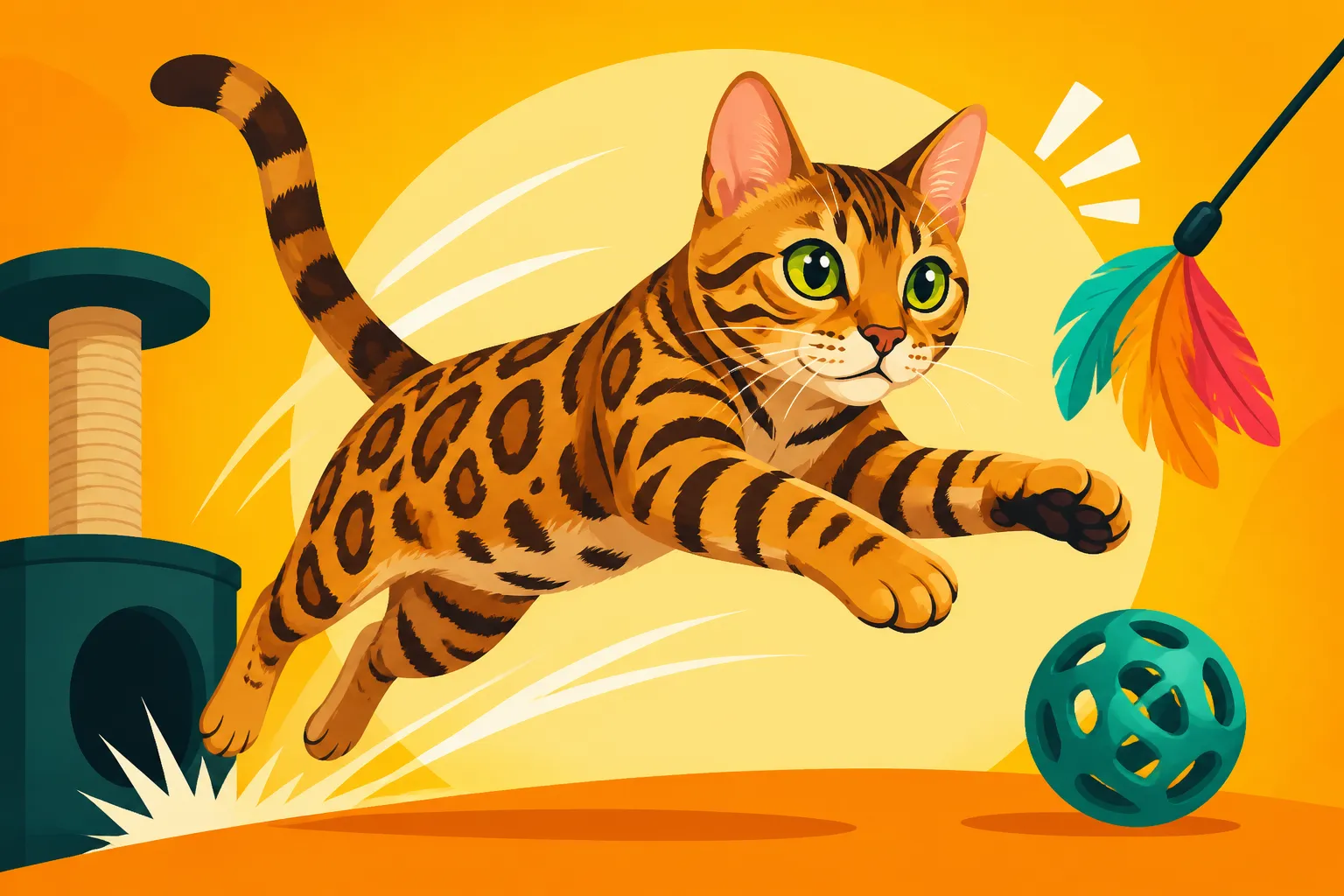
You sit down on the couch after a demanding ten-hour workday, desperate for thirty minutes of quiet, only to have your Bengal cat land squarely on your chest with a feather wand clamped between their jaws. You play with them until your arm aches, yet ten minutes later, they are bouncing off the doorframes, turning on bathroom faucets, and singing the song of their people. If you feel like your pet operates on a hidden fusion reactor while you are running on empty, you are not imagining things. This guide breaks down the biological, mental, and evolutionary reasons behind that relentless stamina and shows you how to channel it into peaceful home living.
The Wild Biology Behind the Endless Bengal Energy
Wild Ancestry and the Asian Leopard Cat Legacy
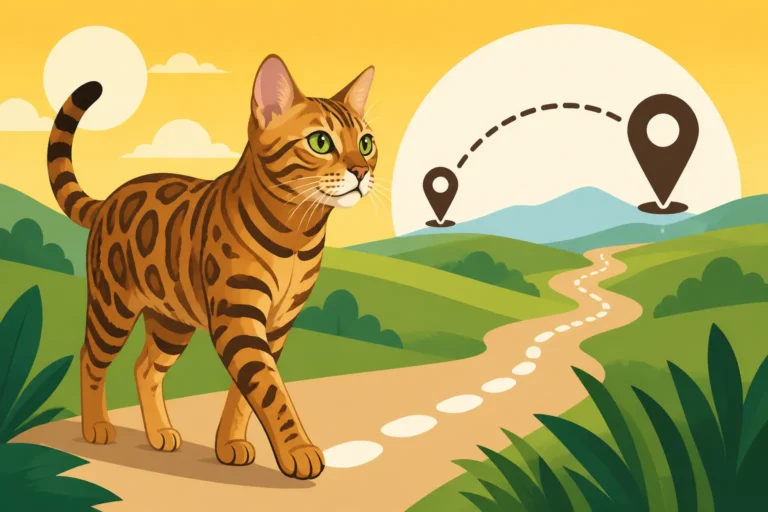
To understand why your living room feels like an obstacle course, you have to look past the domesticated exterior and straight into the genetics of the Asian Leopard Cat (Prionailurus bengalensis). Domesticated felines have had thousands of years to settle into a lifestyle centered around napping in sunbeams and waiting for bowl refills. Bengals, however, carry the direct heritage of a wild predator that survives by patrolling vast territories, climbing rainforest canopies, and hunting small game across diverse terrains.
That wild foundation alters the baseline energy of the animal. While a standard domestic cat might spend three or four bursts of five minutes playing each day, a Bengal approaches their environment with high-intensity curiosity. They are hardwired to inspect every changing variable in their territory, from a moved chair to a crackling plastic bag. When owners research Where the Bengal Cat Ranks on Activity, they often expect a slightly more energetic domestic cat, but the reality is much closer to living with a working dog breed wrapped in a sleek, spotted pelt.
This ancestral drive means your cat is not choosing to be hyperactive to annoy you; their nervous system is primed for constant engagement. In the wild, an Asian Leopard Cat that settles into lethargy misses hunting opportunities or falls victim to larger predators. That genetic blueprint remains active in your living room, fueling endless laps around the hallway and a permanent readiness to spring into action.
Muscle Density, Fast-Twitch Fibers, and Metabolic Rate
It is not just a mental state that keeps these cats moving; it is their physical construction. Bengals possess a significantly higher density of fast-twitch muscle fibers compared to traditional domestic breeds. These muscle fibers are engineered for explosive power, quick acceleration, and sudden changes in direction. When you watch a Bengal leap six feet vertically from a standing position to catch a fly, you are witnessing this specialized muscle tissue in action.
Compounding this physical power is an efficient metabolic system built to support rapid energy regeneration. A short five-minute rest on the rug is often enough for a Bengal to fully recharge their cellular fuel reserves. Where an ordinary house cat might collapse into a deep, four-hour post-play nap, a Bengal’s heart rate stabilizes quickly, their oxygen levels balance out, and they are ready for round two before you have even put the toy back in the closet.
Feeding this metabolic engine requires high-grade protein and calories, which in turn creates a feedback loop of stored energy. If that energy is not burned off through structured physical or cognitive exertion, it accumulates, resulting in the classic boundary-pushing behaviors that leave owners feeling completely outmatched by their pet’s endurance.
The Evolutionary Need for Constant Vigilance
In natural habitats, small wild felids occupy a middle tier in the food chain. They are hunters, but they are also potential prey for larger carnivores, birds of prey, and snakes. This dual role created an evolutionary requirement for hyper-vigilance—a mental state where the animal is constantly surveying their surroundings, analyzing shifts in their environment, and staying prepared to fight or flee.
In your home, this hyper-vigilance translates into a cat that rarely seems to enter a deep, dead-to-the-world sleep while human activity is happening around them. A floorboard creaking in the hallway, a bird fluttering past the window, or the faint hum of a refrigerator kicking on will instantly snap a Bengal into full awareness. Their ears tilt, their pupils dilate, and their body tenses for action.
This elevated baseline of arousal makes it seem as though the cat never sleeps. While they do sleep for many hours across a twenty-four-hour period, their sleep is frequently broken into light, alert naps rather than extended periods of total relaxation. They remain on call, ready to investigate whatever occurs next within their domestic territory.
Physical Stamina Versus Mental Boredom
Why Physical Play Alone Rarely Drains a Bengal
Many owners fall into the trap of trying to exhaust their cat through pure physical exertion. They swing a feather wand until their own shoulder hurts or run the cat up and down the stairs for forty-five minutes straight. Yet, after a quick lap of water from the tap, the cat returns looking for more action. This happens because physical exercise builds physical stamina; the more you run a Bengal without engaging their brain, the fitter and more endurance-driven they become.
By relying solely on physical play, you are essentially put through a cardio conditioning program for an elite athlete. Within a few weeks, the thirty-minute play session that used to knock them out for an hour barely warms them up. Understanding How Active a Bengal Cat Is requires realizing that physical motion is only half of the equation when it comes to draining their overall energy reserves.
To truly tire out a Bengal, physical exercise must be paired with tactical brainwork. A cat that runs twenty miles on a exercise wheel might still end up pacing the hallways if their mind remains unchallenged, because physical fatigue without cognitive exhaustion simply yields a very fit, extremely restless animal.
The Role of Cognitive Stimulation and Problem-Solving
In the wild, hunting is an intensely mental activity. A predator must stalk softly through cover, evaluate wind direction, calculate distances, anticipate unpredictable movement patterns, and execute a flawless pounce. The physical sprint is merely the final second of a long, complex problem-solving sequence. When we eliminate the mental setup and simply wave a string back and forth, we strip away the cognitive challenge the cat craves.
Brain games force the feline cerebral cortex to process complex variables, which consumes massive amounts of glucose and mental energy. Simple activities like learning novel tricks, navigating scent trails, or opening multi-tier puzzle feeders require concentration that fatigues the nervous system far more effectively than aimless running.
When you introduce structured mental challenges, you will notice a distinct difference in how your cat rests afterward. Instead of sitting erect on the back of the sofa watching your every move, a mentally spent Bengal drops into a deep, heavy sleep, fully satisfied that they have completed a meaningful job.
Signs Your Bengal Is Bored Rather Than Unfired
It is crucial for owners to distinguish between a cat that genuinely has physical energy to burn and one that is acting out due to chronic boredom. The behaviors associated with both states often look identical on the surface, but treating boredom with simple physical running will fail every time. A bored Bengal is an inventive, often destructive creature looking to create their own environmental friction.
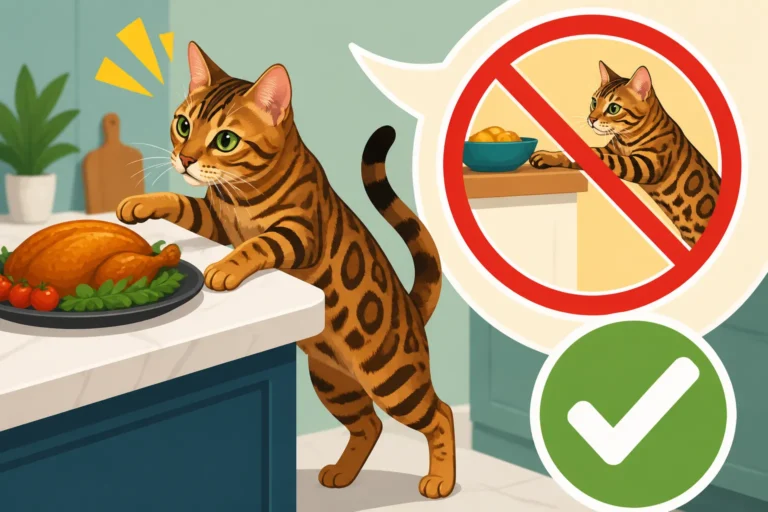
If your cat is systematically opening kitchen cupboards, clearing items off high bookshelves, chewing through cords, or vocalizing incessantly at closed doors, they are likely suffering from a lack of mental enrichment. They are creating complex problems for themselves to solve because their environment is overly predictable and static.
| Behavioral Expression | Driven by Physical Stamina | Driven by Mental Boredom |
|---|---|---|
| Movement Patterns | Sprinting, high jumping, wall | Pacing, relentless kitchen counter |
| rebounding, fast chasing | surfing, opening drawers | |
| Vocalization Style | Short, excited chirps during play | Prolonged, low-pitched yowling |
| or chase sequences | directed at doors or walls | |
| Environmental Interaction | Knocking items over accidentally | Intentionally pushing specific |
| while rounding corners | objects off tables one by one | |
| Post-Play Response | Quick breathing, panting, fast | Immediate search for new cabin |
| recovery followed by tracking toys | doors or items to chew |
Recognizing these subtle differences allows you to adjust your management plan. When you spot the signs of cognitive frustration, shifting from a game of simple chase to a tactical hunting puzzle saves both your furniture and your sanity.
Daily Activity Patterns and Energy Spikes
Crepuscular Rhythms and the Infamous 4 AM Zoomies
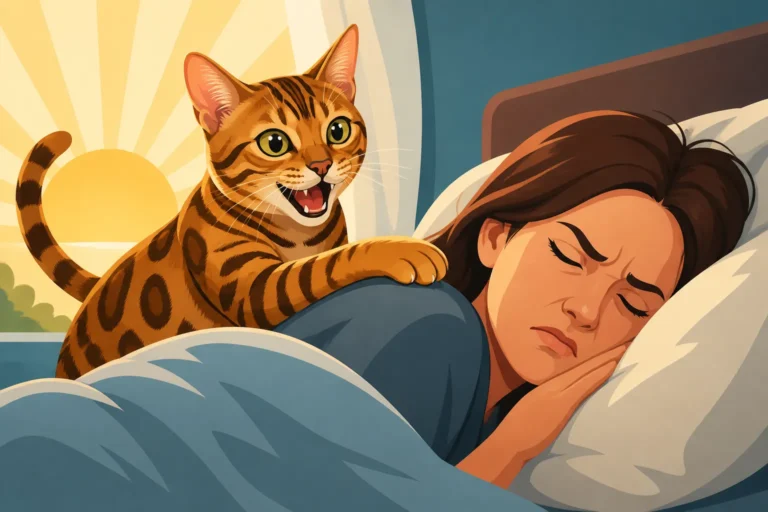
A frequent complaint among new owners centers on the timing of their cat’s energetic peaks. You might spend all evening entertaining your pet, only to be awakened by a terrifying crash as your cat leaps onto the nightstand at dawn. This pattern stems from the fact that felids are natively crepuscular animals, meaning their natural activity peaks occur during the twilight hours of dawn and dusk.
In natural settings, prey species such as rodents, small birds, and amphibians are most active during these low-light transitions. Evolution has dialed the Bengal’s internal clock to spike in alertness during these precise windows. When the rest of the home is trying to sleep, your cat’s nervous system is broadcasting signals that it is prime hunting time.
Learning What a Bengal Cat Does at Four in the Morning is practically a rite of passage for owners. During these early hours, the lack of ambient house noise amplifies their desire to run, hunt, and explore. If their daily schedule does not account for this crepuscular drive, those energy bursts will inevitably disrupt your sleep cycle.
How Age Impacts Stamina from Kittenhood to Senior Years
Energy levels do not remain totally uniform throughout a Bengal’s life, though their decline is far less dramatic than in average house cats. During kittenhood and adolescence—which lasts up to roughly two years in this muscular breed—stamina can feel almost overwhelming. Young Bengals operate with virtually zero impulse control, bouncing between chaotic play and sudden sleep crashes within minutes.
As they reach adult maturity between two and six years old, their energy becomes more focused and strategic. They may no longer sprint aimlessly across walls just because they can, but their total athletic capability reaches its absolute peak. Owners often wonder about How Much a Bengal Cat Calms Down With Age, only to find that an adult Bengal simply converts chaotic kitten energy into concentrated, persistent determination.
Even senior cats past the age of ten frequently retain a surprising amount of drive. While arthritis or minor health changes may slow down their highest jumps, their mental demand for activity remains high. A senior Bengal will still demand play, track moving targets, and patrol their territory with an intensity that leaves visitors amazed by their age.
Comparing Bengal Energy to Standard Domestic Breeds
To fully grasp what makes this breed unique, it helps to analyze how their daily activity budgets stack up against typical domestic cats, such as domestic shorthairs or calmer purebreds like Persians and Ragdolls.
| Metric | Standard Domestic Shorthair | Bengal Cat |
|---|---|---|
| Average Daily Sleep | 12 to 16 hours | 10 to 12 hours (mostly light naps) |
| High-Intensity Play Needed | 15 to 30 minutes daily | 60 to 90+ minutes daily |
| Vertical Territory Usage | Moderate (couples of jumps/chairs) | Extreme (tops of doors/cabinets) |
| Problem-Solving Persistence | Low to Moderate (gives up quickly) | High (works at locks/doors for hours) |
| Water/Tactile Exploration | Rare/Avoidant | High (faucets, tubs, sinks) |
This stark contrast highlights why standard cat care routines fall short for this breed. A simple scratching post and a single mouse toy tossed across the floor, which might satisfy an average domestic cat for an afternoon, will not even scratch the surface of a Bengal’s daily requirements.
Tactical Enrichment to Work With Their Endurance
High-Intensity Physical Outlets and Exercise Wheels
When managing a cat with endless physical stamina, self-directed heavy exercise equipment becomes an absolute necessity rather than a luxury. One of the single most effective tools for this purpose is a large, open-faced cat exercise wheel. These wheels allow a Bengal to sprint at top speed in a safe indoor environment whenever their internal clock demands an outlet.
Understanding How Long a Bengal Cat Runs on a Wheel reveals just how heavily they rely on this equipment. It is not unusual for an active Bengal to rack up several miles a day on a wheel, jumping on for thirty-second explosive sprints or steady five-minute runs throughout the night. Many owners find that ordering a high-quality cat wheel on Amazon provides an immediate, safe outlet for those sudden crepuscular energy spikes that previously resulted in shredded curtains or wall bouncing.
Beyond wheels, heavy-duty wand toys featuring real bird feathers or leather strips allow you to simulate realistic aerial hunting scenarios. When selecting toys online via Amazon, choose heavy-gauge rods and reinforced cords; standard cheap cat toys rarely survive the violent pounces and high-speed turns of an energetic Bengal.
Environmental Escalation and Vertical Space
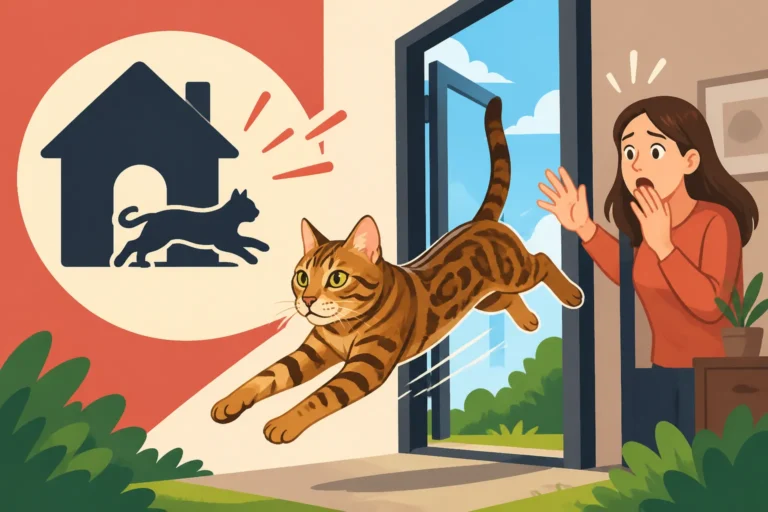
Floor space in a home is inherently limited, but vertical space is virtually unlimited. Bengals view a room in three dimensions, viewing furniture, doorframes, and ceiling beams as an interconnected highway system. By expanding their vertical territory, you dramatically increase the physical effort required to move around your home, effectively burning extra energy during their routine patrols.
Installing modular wall shelves, sturdy floor-to-ceiling climbing poles, and super-tall cat trees transforms a standard living room into a challenging vertical gym. When designing these vertical routes, ensure that there are no dead ends. A Bengal forced to turn around on a narrow shelf may opt to leap down awkwardly, whereas a continuous circuit encourages high-speed climbing laps that tire out major muscle groups safely.
Positioning vertical perches near secure windows provides the added benefit of visual enrichment. Watching birds, squirrels, and passing traffic keeps their brain active and engaged, effectively channeling their hyper-vigilant eye tracking into a quiet, focused observation state that naturally drains mental reserves.
Foraging, Puzzle Feeders, and Clicker Training Routine
To address the cognitive half of the energy equation, food should rarely be handed out for free in a plain bowl. Free-feeding dry kibble removes one of the most powerful natural work outlets a cat possesses. Converting daily food allowances into interactive foraging opportunities forces your cat to use their paws, nose, and brain to earn their meals.
Starting with simple rolling treat balls and escalating to complex multi-stage puzzle boards requires your cat to hook, slide, spin, and dig for kibble. You can find dozens of advanced puzzle feeders on Amazon that challenge even the most persistent cats. Experimenting to see Which Puzzle Feeder Beats a Bengal Cat can become an entertaining hobby for owners as you watch your cat systematically outsmart complex designs.
| Enrichment Tool | Primary Benefit | Target Energy Type |
|---|---|---|
| Cat Exercise Wheel | High-speed sprinting, self-managed | Explosive physical stamina |
| Multi-Tier Puzzle Feeder | Problem-solving, dexterity work | Cognitive curiosity & boredom |
| Clicker Training Sessions | Directed focus, human bonding | Mental focus & discipline |
| Modular Wall Shelving | Vertical climbing, boundary checks | Territorial movement & jumping |
Clicker training is another exceptional tool for burning cognitive energy. Spending just ten to fifteen minutes a day teaching your cat precise behaviors—such as targeting a stick, sitting, high-fiving, or going to a specific mat—demands absolute focus from their hyperactive mind. Learning How to Clicker Train a Bengal Cat transforms nervous, chaotic energy into controlled, disciplined cooperation that leaves the animal calm and mentally fatigued.
Managing Household Harmony With a High-Drive Cat
Establishing Evening Wind-Down Routines
If you want to sleep through the night, you must establish a predictable, structured evening schedule that works in harmony with your cat’s natural predatory sequence: Hunt, Catch, Eat, Groom, Sleep. Spontaneous play right before you hop into bed often backfires, leaving the cat over-stimulated, panting, and ready for action just as you turn off the lights.
Instead, initiate an intense, structured play session about an hour before your intended bedtime. Use wand toys or laser indicators to simulate a realistic hunt, allowing the cat to chase, stalk, and finally catch the “prey” repeatedly. Gradually slow the pace of the game over twenty minutes, simulating an exhausting hunt winding down.
Immediately follow this session with a substantial, high-protein late meal. Once a cat digests a satisfying catch after a hard hunt, their biology shifts naturally into grooming and deep recovery sleep. Maintaining this exact sequence every single evening trains their internal clock to associate lights-out time with their main restorative rest period.
Social Outlets, Second Cats, and Human Interaction
The immense energy of a single Bengal can put an overwhelming strain on a human household, especially if you work long hours outside the home. These cats require active social engagement; leaving them alone in an empty house for ten hours often results in severe home destruction and intense evening vocalization as they attempt to release built-up frustration.
This leads many families to consider adding another companion to the household. Evaluating Whether Two Bengal Cats Tire Each Other Out is a critical step for busy owners. A compatible, high-energy feline companion provides a constant partner for wrestling, tag, and social grooming, effectively shifting half of the play burden away from the human owners onto a willing, equally athletic peer.
However, introducing a second cat requires careful selection. A timid, quiet domestic breed will likely be overwhelmed and harassed by a dominant, relentless Bengal. The ideal companion is either another Bengal, an equally athletic hybrid or high-energy breed, or a confident, play-motivated shelter cat capable of holding their ground during intense play sessions.
When High Energy Shifts Into Problem Behaviors
Despite your best efforts, there may be times when high stamina crosses the line into genuine problem behaviors, such as territorial spraying, aggressive play biting, or compulsive destructive chewing. It is vital to recognize that these behaviors are rarely malicious; they are outward expressions of stress, frustration, or unchanneled natural drives.
When problem behaviors emerge, step back and evaluate the entire daily routine. Ask yourself key diagnostic questions:
* Is the cat receiving at least one hour of direct, interactive play daily?
* Have there been recent changes to their physical environment or schedule?
* Is their vertical space accessible without being blocked by other pets or furniture?
* Are they getting sufficient cognitive work alongside physical exercise?
If destructive tendencies persist despite comprehensive enrichment, consult with a qualified feline behaviorist or your veterinarian. Underlying medical issues, dietary imbalances, or environmental stressors may be compounding their natural stamina, requiring specialized management strategies to restore peace to your household.
Living with an energetic Bengal is a unique adventure that requires patience, strategy, and plenty of activity outlets. Once you understand the biological engine driving their behavior and implement a solid mix of physical exercise, vertical territory, and brain games, you will move from constant exhaustion to enjoying the incredible intelligence and athleticism of your spotted companion.
Disclaimer
This article is for general informational purposes only and does not constitute professional advice. Laws, prices and regulations vary by location and change over time. Consult a qualified professional for guidance on your specific situation.