How Often a Bengal Cat Escapes the House
It's a familiar panic for any Bengal cat owner: that split second the door is ajar, and suddenly, your sleek, spotted companion is a blur heading for the great outdoors. The question isn't usually if a Bengal cat will try to escape, but how often it will happen and whether you can ever truly stop them. This guide is here to delve into the fascinating, frustrating reality of Bengal escape artists, exploring why they're so determined, how they manage it, and what you can realistically do to keep your adventurous cat safely within your home.
Why Bengal Cats Are Such Master Escapists
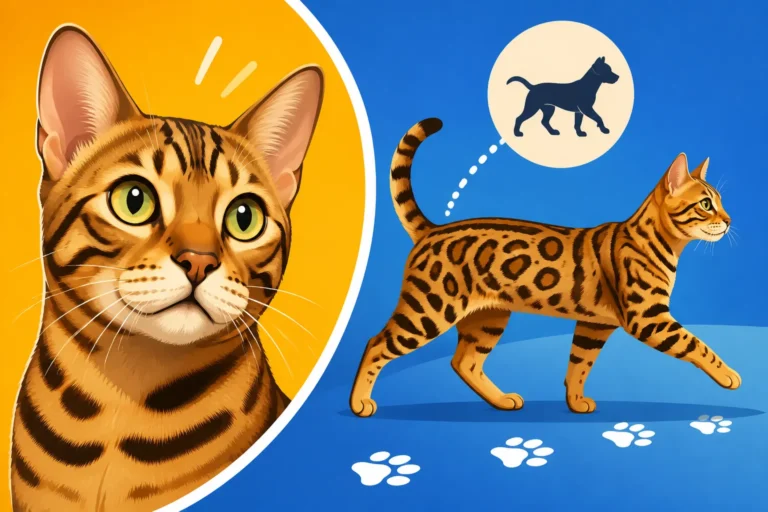
If you've ever felt like your Bengal cat is constantly plotting its next great escape, you're not imagining things. These cats aren't just intelligent; they're driven by an insatiable curiosity and a primal urge to explore that sets them apart from many other domestic breeds. Their wild ancestry, stemming from the Asian Leopard Cat, isn't just a physical trait; it manifests profoundly in their behavior, making them exceptional escape artists.
The Inner Wild Child: Instinct and Drive
Unlike a calm, sedentary housecat content to nap on the sofa all day, a Bengal cat possesses an incredible amount of energy and an instinctual drive to hunt, climb, and explore. This isn't just about playing; it's about fulfilling deep-seated needs that echo their wild origins. When a Bengal sees an open door, a slightly ajar window, or even just a fascinating bird outside, it doesn't just register as something interesting; it registers as an opportunity for adventure, for chasing, for discovery. This powerful urge to explore can override learned boundaries surprisingly quickly, especially if they perceive the outside world as more stimulating than their indoor environment. It's not malicious or disloyal; it's simply a strong instinct at play. For more on their innate characteristics, you might want to read What a Bengal Cat's Temperament Is Really Like.
A Thirst for Novelty and Mental Challenge
Bengal cats are incredibly smart, almost to their detriment sometimes! They thrive on mental stimulation and can quickly become bored if their environment doesn't offer enough challenges. A static home, no matter how comfortable, can feel like a cage to a Bengal who's constantly seeking new puzzles to solve. This mental hunger often translates into finding ways out. They observe, they learn, and they strategize. If a latch is loose, they'll test it. If a door handle wiggles, they'll experiment. Their attempts aren't random; they're often calculated efforts born from a need to engage their sharp minds. This is why standard cat-proofing methods often fall short with these clever felines. A Bengal isn't just looking for an easy way out; they're actively figuring out how to create one.
High Energy Levels Fueling the Quest
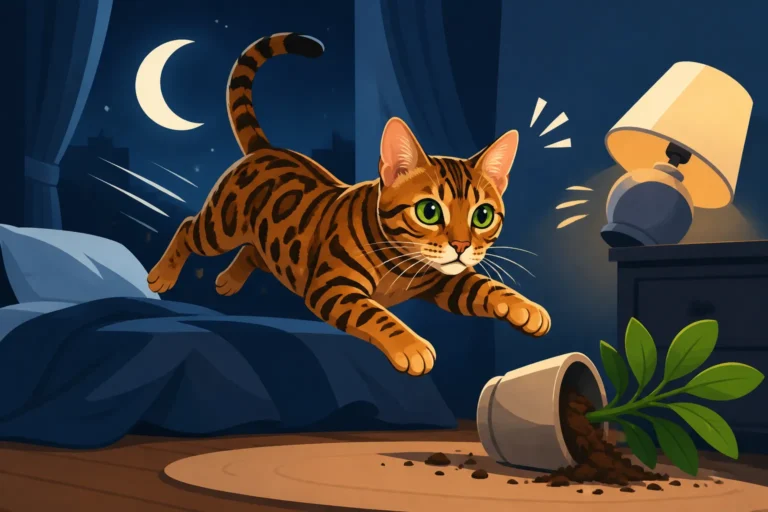
It's no secret that Bengal cats are incredibly active. They're constantly on the move, running, jumping, climbing, and playing. This high energy output requires significant outlets, and if those aren't met indoors, the lure of the outdoors becomes even stronger. Imagine a child with boundless energy stuck inside on a rainy day – they'll find some way to burn it off, often in ways you didn't anticipate. A Bengal is much the same. A short walk might not be enough; they need prolonged, intense activity. If their daily routine doesn't include rigorous play sessions or opportunities for climbing and "hunting" toys, that pent-up energy becomes a powerful motivator to seek stimulation beyond your walls. They don't just walk out; they burst out, often with incredible speed and agility, using every ounce of that energy to their advantage.
Common Escape Routes and How Your Bengal Finds Them
Bengal cats don't just wait for you to open the door; they actively seek vulnerabilities in your home's defenses. Understanding how they manage to slip past you is the first step in tightening your security. Their intelligence means they learn quickly from observation and experimentation.
The Dreaded Door Dasher: Opportunistic Exits
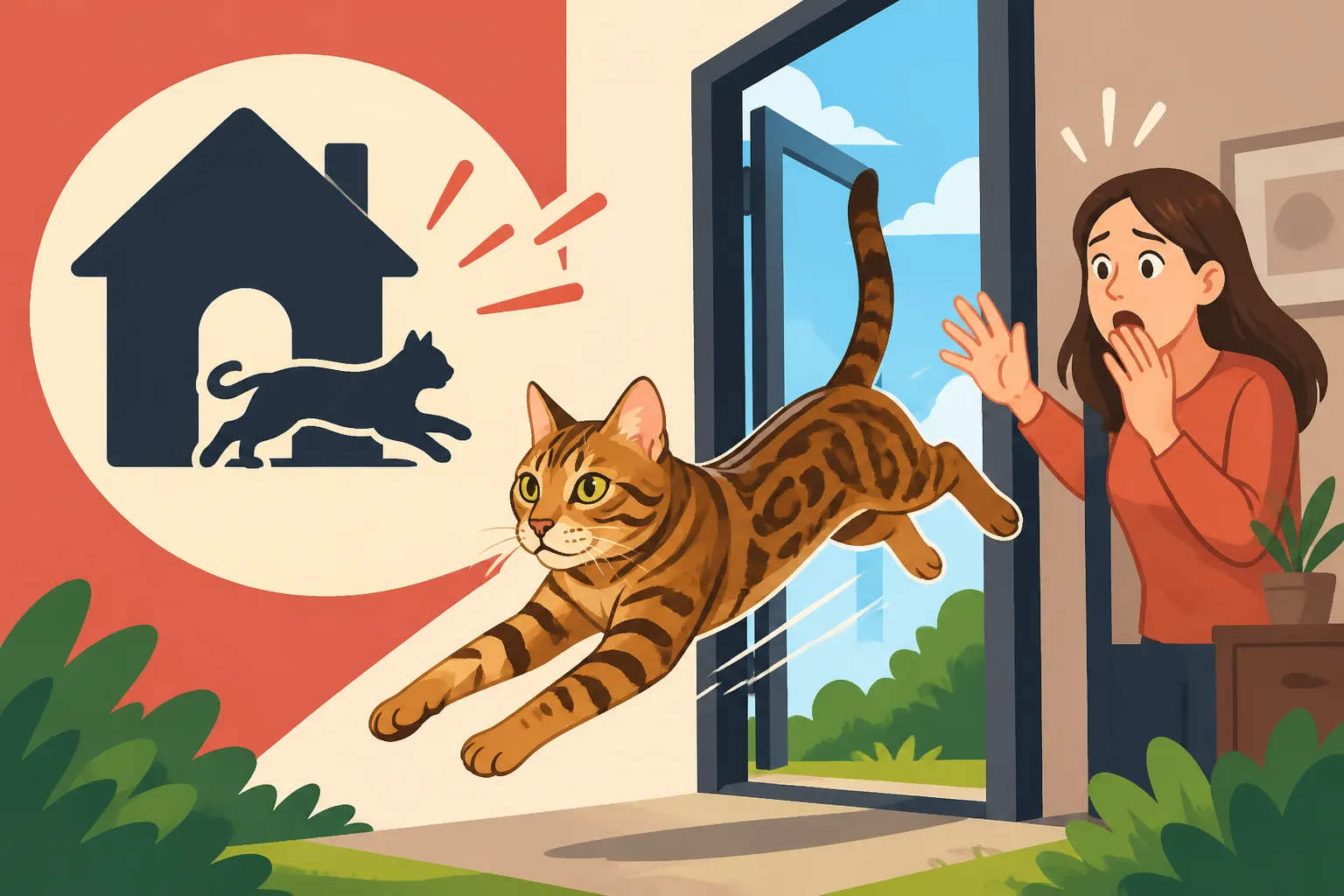
The most common escape route, and often the most frustrating, is the open door. Whether it's the front door, the back door, or even a garage door left ajar for a moment too long, Bengals are master door dashers. They're incredibly quick, often a mere spotted blur passing between your legs as you enter or exit. It's not uncommon for an owner to think their Bengal is safely behind them, only to discover moments later they've made a break for it. They learn the routines: the sound of keys, the turning of a handle, the brief moment of distraction. They lurk, they wait, and then they strike with astonishing speed. This isn't just about being fast; it's about anticipating the opportunity. Preventing this requires a fundamental shift in your door-opening habits, which we'll discuss shortly. If you've ever wondered How a Bengal Cat Opens a Door, you'll know they're not above manipulating latches either.
Window Wizards and Screen Shredders: Creative Solutions
Windows, even those with screens, are another favorite target. A slightly open window offers tantalizing smells, sounds, and sights. A Bengal cat's powerful claws are designed for climbing and tearing, making flimsy window screens little more than a mild inconvenience. They'll scratch, push, and even chew their way through screens that would deter a less determined feline. Beyond screens, they're adept at forcing open windows that aren't securely latched, learning how to hook a paw under a sash or lever, or even pushing at a weak frame. They'll study the mechanism, test it repeatedly, and eventually, many will find a way to manipulate it. Don't underestimate their physical strength combined with their problem-solving abilities. What seems like a secure window to us can be a fun puzzle for them.
Master Manipulators: Latches, Locks, and More
This is where the Bengal's true genius shines. They are observational learners and incredibly persistent. Have you ever seen your Bengal watch you turn a doorknob? They're not just curious; they're analyzing the mechanics. Many Bengals learn to operate lever-style door handles with surprising ease, simply by jumping up and pushing down. Childproof latches on cabinets, tension rods meant to block doorways, and even simple hook-and-eye latches can often be defeated by a determined Bengal with enough time and motivation. They'll use their paws, their teeth, their body weight – whatever it takes to achieve their goal. It often feels like you're playing a constant game of chess, and they're always a step ahead. For insights into their cunning, check out How a Bengal Cat Learns to Open a Cabinet.
Preventing the Great Bengal Breakout: Practical Home Security for Super-Intelligent Cats
Keeping a Bengal cat safely indoors requires a multi-layered approach, a bit like fortifying a castle against a very clever, very agile, and very insistent miniature leopard. Standard cat-proofing simply won't cut it.
Fortifying Doors and Windows: Beyond the Basics
The first line of defense is securing all potential exit points. For doors, consider double-entry systems if possible, like a mudroom or a secure enclosed porch. If not, consistent training for all family members is paramount: always check for the cat's location before opening any exterior door, and keep them on the opposite side of the house during entry and exit times. For direct door dashing, consider adding secondary locks like slide bolts or barrel locks placed higher or lower than a Bengal can easily reach or manipulate.
For windows, standard screens are inadequate. Invest in heavy-duty pet-proof screens made from durable materials that resist tearing and chewing. Better yet, install sturdy window guards or bars that allow ventilation but prevent escape. Alternatively, only open windows from the top down if they are double-hung, or use sash locks that completely secure the window at a small opening. Even with these measures, a Bengal should never be left unsupervised with an open window.
Creating an Engaging Indoor Environment: The Best Defense
A bored Bengal is a resourceful Bengal, and a resourceful Bengal is an escape artist. The single best way to reduce their desire to escape is to make their indoor life so stimulating and fulfilling that the outside world loses some of its allure. This means vertical space, lots of it! Tall cat trees, wall-mounted shelves, and cat superhighways give them opportunities to climb, survey their territory, and burn energy. Consider a cat wheel; many Bengals absolutely adore them and it's a fantastic way to let them run off steam safely indoors.
Interactive toys, puzzle feeders, and regular, intense play sessions are also crucial. Dedicate at least two to three 15-20 minute sessions daily using wand toys that simulate hunting. Rotate toys frequently to maintain novelty. A well-exercised and mentally challenged Bengal is far less likely to obsess about escaping. You'll find more ideas on providing adequate stimulation in How Much Enrichment a Bengal Cat Actually Needs.
| Escape Route Category | Common Bengal Tactics | Effective Prevention Strategies |
|---|---|---|
| Doors | Door dashing, lever manipulation | Double-entry systems, consistent human behavior, secondary locks (slide bolts), "cat proof" door handles. |
| Windows | Screen tearing/pushing, sash manipulation | Heavy-duty pet-proof screens, sturdy window guards, sash locks, open only from top (double-hung). |
| Patios/Balconies | Jumping, squeezing through railings, climbing | Full enclosure with secure netting/caging (catio), secure railing gaps. |
| Garage Doors | Slipping through small openings, hiding in vehicles | Strict vigilance, designated "cat-free" zones when opening. |
| Cabinets/Closets | Opening latches, pushing doors | Child safety locks, magnetic cabinet locks, securing valuables. |
Harness Training and Catios: Controlled Outdoor Access
Completely denying outdoor access can sometimes make a Bengal even more determined to escape. Controlled outdoor access can be a game-changer. Leash training a Bengal cat is entirely possible and highly recommended. Start young, with a comfortable, secure harness (not just a collar), and make it a positive experience. Many Bengals enjoy exploring their yard or local park on a leash, satisfying their curiosity in a safe manner. How to Leash Train a Bengal Cat offers great advice on this.
Another excellent solution is a catio – a secure outdoor enclosure. A well-designed catio provides fresh air, sunshine, and sensory enrichment without the risks of free-roaming. They can be elaborate custom-built structures or simpler, pre-fabricated kits available from retailers like Amazon. Just ensure it's robust and escape-proof, with a secure roof and solid floor. Catios allow your Bengal to experience the outdoors they crave while remaining completely safe. You can get ideas from What Size Catio a Bengal Cat Needs.
What to Do When Your Bengal Cat Makes a Run for It
Despite your best efforts, sometimes the inevitable happens. Your Bengal cat, with its incredible speed and cunning, slips past you. Don't panic; swift, organized action significantly increases the chances of a happy reunion.
Immediate Action and Search Strategies
The moment you realize your Bengal has escaped, drop everything and act immediately. Don't assume they'll come back on their own, especially if they're new to being outside or have a strong prey drive.
- Check Immediately Surrounding Area: Most cats, even adventurous Bengals, will initially stay close to home, often hiding under bushes, cars, or porches within a few houses' radius. Search thoroughly, quietly calling their name. Bring a favorite noisy toy or a treat bag to shake.
- Alert Neighbors: Inform your immediate neighbors, especially if they have sheds, garages, or other hiding spots. Show them a photo.
- Containment Zone: Place their litter box, a favorite blanket or bed, and some strong-smelling food (like canned tuna or sardines) right outside your door. The familiar scents can help guide them home.
- Night Search: If it's dark, use a flashlight. Their eyes will reflect in the beam, making them easier to spot under cover. Early morning and late evening are often when cats are most active and likely to emerge from hiding.
For more detailed advice on their roaming habits, see How Far a Bengal Cat Goes If It Escapes.
Harnessing Technology: Microchips and GPS Trackers
Prevention is key, but preparation for an escape is just as vital. Every Bengal cat, whether they go outside or not, should be microchipped. This tiny chip, implanted under their skin, provides a permanent ID that can be scanned by any vet or shelter. Ensure your contact information registered with the microchip company is always up-to-date. Without an updated registration, the microchip is useless.
For an extra layer of security, consider a GPS tracker collar. These devices, available from various online retailers including Amazon, allow you to track your cat's location in real-time via a smartphone app. While they have limitations (battery life, signal strength, size), they can be invaluable for pinpointing where your Bengal might be hiding or exploring. Remember, a collar can come off, so a microchip is still essential as a backup. Don't forget to learn Why a Bengal Cat Should Be Microchipped.
Social Media and Local Resources: Spreading the Word
Once you've done the immediate ground search, it's time to leverage your community.
- Local Facebook Groups: Post clear photos and details about your missing Bengal in local lost and found pet groups. Share any unique markings or behavioral quirks.
- Nextdoor App: This neighborhood-focused app can be very effective in reaching people who live nearby.
- Local Animal Shelters and Rescues: File a lost pet report with all shelters and rescues in your area, not just the closest one. Visit them in person if possible; sometimes staff are too busy to thoroughly check descriptions against incoming cats.
- Flyers: Create simple, eye-catching flyers with a large photo, your contact number, and the last known location. Post them around your neighborhood, especially at local vets, pet stores, and community bulletin boards.
Remember, patience and persistence are key. Many lost cats are reunited with their families weeks or even months later. Don't give up hope, and keep your contact information current on microchips and any ID tags your Bengal wears. These are truly incredible cats, and keeping them safe is a testament to our commitment to their unique needs.
Disclaimer
This article is for general informational purposes only and does not constitute professional advice. Laws, prices and regulations vary by location and change over time. Consult a qualified professional for guidance on your specific situation.