How Far a Bengal Cat Will Walk
It’s a common daydream for many Bengal cat owners: strapping on a harness and heading out for a leisurely stroll, your magnificent cat trotting confidently by your side. You envision long, adventurous walks, exploring new sights and sounds together, perhaps even tackling some light trails. However, the reality of walking a Bengal cat can often be a delightful, but decidedly different, experience than what you might imagine with a dog. While Bengal cats are indeed capable and often enthusiastic leash walkers, understanding how far they will walk, rather than how far they can walk, is key to truly enjoying these outdoor excursions with your adventurous feline companion. This guide will help you set realistic expectations and make the most of your Bengal’s outdoor explorations.
Understanding the Bengal Cat's Instinct for Exploration
When you look at a Bengal cat, you’re not just seeing a beautiful domestic feline; you’re seeing the legacy of its wild ancestor, the Asian Leopard Cat. This lineage imbues Bengals with a unique set of instincts and an insatiable curiosity that drives their every action, especially when it comes to exploring the world around them.
The Wild Ancestry and Its Drive
The Asian Leopard Cat, a small wild feline native to Southeast Asia, is a creature of incredible agility, intelligence, and territorial instinct. They spend their lives exploring vast territories, hunting, and navigating complex environments. This isn't just about survival; it's about constant stimulation and understanding their surroundings. When Jean Mill first began breeding these wild cats with domestic shorthairs, she wasn't just creating a new pattern; she was inadvertently bringing a piece of that wild drive into our homes.
Your Bengal cat, even if many generations removed from its wild ancestor, carries echoes of this heritage. This means they're not content to simply lounge in a sunbeam all day, though they certainly enjoy that too! They possess an inherent need to investigate, climb, and experience new sensations. This drive is a huge part of what makes them so captivating, but also what makes them such active and demanding companions. The Bengal Cat Is the Most Active Cat You Can Own This profound curiosity is often the primary motivator for why a Bengal takes to leash walking so readily, unlike many other domestic breeds. They crave novel experiences, and the outdoors offers an endless buffet of them.
Why Leash Walking Appeals to a Bengal
For a Bengal cat, leash walking isn't just about getting from point A to point B; it's a sensory expedition. Think of it less as a structured march and more as an investigative journey dictated by their nose, ears, and keen eyesight. While a dog might pull you along, eager to cover ground, a Bengal is more likely to pause, sniff every blade of grass, meticulously examine a fallen leaf, or stare intently at a bird in a distant tree.
This mental stimulation is incredibly valuable for such an intelligent and active breed. Indoor environments, no matter how enriched, can eventually become familiar. The outside, however, is a constantly changing tapestry of new smells, sounds, and sights. It taps into their primal hunting instincts, their territorial mapping behaviors, and their pure, unadulterated curiosity. It's an outlet for their abundant energy and prevents boredom, which, as many Bengal owners can attest, can lead to destructive behaviors if not properly managed. For many Bengals, a leash walk is a vital part of their mental and physical well-being, fulfilling a deep-seated need to explore beyond the confines of their home.
Factors Influencing a Bengal Cat's Walking Distance
So, how far will your Bengal cat walk? The honest answer is: it varies wildly. It’s less about a specific distance and more about a combination of intrinsic and extrinsic factors. Unlike a dog who might have a clear stamina threshold, a Bengal's "walk" is a fluid, often interrupted, journey.
Age and Energy Levels
Just like us, a Bengal's capacity for walking changes throughout its life.
- Kittens: Young Bengal kittens are bundles of boundless energy, but their attention spans are short, and their physical endurance is still developing. You might find them zooming for a few minutes, then collapsing for a nap, only to spring up again. For a kitten, a "walk" might be a dozen steps before they're distracted by a butterfly or a compelling scent. How Young to Start Leash Training a Bengal Cat These early outings are more about positive exposure to the harness and the outdoors than covering any real distance.
- Adults: This is typically when your Bengal will be at its peak for leash walking. An adult Bengal, usually between one and seven years old, will have the stamina and mental focus to truly enjoy longer excursions. Some adult Bengals might happily cover half a mile or even a mile in a session, depending on how interesting the route is and their individual personality. They burn a lot of calories and need that outlet. How Much Exercise a Bengal Cat Needs a Day
- Seniors: As Bengals enter their senior years, usually around ten years old and beyond, their energy levels will naturally decline. The Age a Bengal Cat Is Considered Senior While still interested in exploring, they will move at a slower pace and tire more easily. Their walks will likely become shorter, gentler strolls, focusing more on scent enrichment and quiet observation than covering vast distances. It's crucial to watch for signs of fatigue and let them set the pace.
Training and Conditioning
The single biggest factor in how far your Bengal will walk is the consistency and quality of their leash training.
- Early Introduction: Starting young makes a huge difference. Getting a kitten accustomed to a harness and leash inside the home, with positive reinforcement, builds a strong foundation.
- Gradual Increase: You wouldn't run a marathon without training, and neither should your Bengal. Begin with very short outings in quiet, familiar areas. Gradually increase the duration and distance as they become more comfortable and confident.
- Consistency: Regular walks, even short ones, help build stamina and reinforce the positive association with the harness and outdoors. If walks are sporadic, your Bengal might need to "re-learn" the routine each time. How Long Leash Training a Bengal Cat Takes A well-trained Bengal that understands the routine and trusts its handler is more likely to engage enthusiastically for longer periods.
Environment and Distractions
Where you choose to walk your Bengal will profoundly impact how far they actually go.
- Busy Urban Environments: A crowded city street with blaring horns, bustling pedestrians, and unpredictable traffic can be overwhelming for a cat, even an adventurous Bengal. In such an environment, your Bengal might be too stressed or distracted to move much, preferring to stick close to you or even try to bolt. Whether a Bengal Cat Can Be Walked in a City Distractions are constant, and their alert state will drain their energy faster.
- Quiet Parks or Trails: These are often ideal. With fewer sudden loud noises and plenty of natural scents and sights, a Bengal can truly relax into their exploratory mode. They might cover more ground because they feel safe and engaged, without the constant need for vigilance against perceived threats.
- Familiar vs. New Territory: A familiar route might allow your Bengal to move more confidently and cover more distance, as they already know the general lay of the land. New territory, while exciting, often involves more pausing for intense sniffing and observation, which can slow down progress. Think of it as mapping new territory versus patrolling established grounds.
Weather Conditions
Cats are not always fans of extreme weather, and Bengals are no exception, despite their active nature.
- Heat and Humidity: Bengals have relatively thin coats, and while they enjoy sunbathing, prolonged exposure to high temperatures or humidity can lead to overheating. They'll tire quickly and seek shade, drastically cutting down on walking distance. Always carry water for both of you!
- Cold and Snow: Although some Bengals seem to enjoy a romp in light snow, their lack of a dense undercoat means they don't cope well with truly cold temperatures for extended periods. How a Bengal Cat Copes With Cold Their paws can also get very cold on icy surfaces. Short dashes in the snow might be fun, but long, sustained walks are usually out.
- Rain: Most cats, including Bengals, have a strong aversion to getting wet. A sudden shower will likely send your Bengal scrambling for cover, effectively ending the walk. Even light drizzle can be a deterrent for some.
| Factor | Impact on Walking Distance | Typical Bengal Behavior |
|---|---|---|
| Age | Kittens: Short bursts; Seniors: Shorter, slower; Adults: Longest potential. | Kittens: Easily distracted, quick energy bursts; Seniors: More sniffing, less movement; Adults: Focused exploration. |
| Training | Well-trained: Longer, more confident walks; Untrained: Anxious, hesitant. | Responds to cues, comfortable in harness; Resists harness, tries to escape. |
| Environment | Quiet/Familiar: More ground covered; Busy/New: More pauses, less distance. | Calm, exploratory; Overwhelmed, seeks cover. |
| Weather | Mild: Optimal; Extreme Heat/Cold/Rain: Drastically reduced. | Seeks shade, slows down; Shivers, lifts paws, seeks shelter. |
Preparing for Longer Leash Walks with Your Bengal
If you dream of those longer, more adventurous walks with your Bengal, preparation is key. It’s not just about getting them into a harness; it’s about ensuring their safety, comfort, and willingness to participate.
Choosing the Right Gear
The right equipment can make all the difference between a successful outing and a frustrated one.
- Harness Type: For an active and agile Bengal, an H-style harness or a vest-style harness is crucial. Bengals are escape artists, and a standard collar can easily slip off or put dangerous pressure on their throat if they pull or get spooked. A vest harness distributes pressure more evenly across their chest and shoulders, offering better security and comfort. Look for harnesses with adjustable straps to ensure a snug, yet comfortable, fit that they can’t wriggle out of. You can find many excellent options on Amazon, often with breathable mesh designs perfect for active cats. Which Harness Fits a Bengal Cat
- Leash Length and Material: A lightweight, durable leash is best. Many owners prefer a 6-foot nylon or rope leash, as it offers enough slack for exploration without being overly cumbersome. Avoid retractable leashes, as they don't offer the immediate control needed for a cat, especially in unpredictable outdoor environments. Having a backup leash, perhaps a slightly shorter one for busier areas, can also be a good idea.
- Accessories: Don't forget a small bag for treats (essential for positive reinforcement!), a collapsible water bowl, and a small bottle of water for both you and your feline adventurer. A bright, reflective vest for your Bengal might also be a smart investment if you plan to walk in low light conditions, available from retailers like Amazon.
Gradual Introduction and Training Tips
Successful leash walking is a process, not an event. Patience and positive reinforcement are your best tools.
- Start Indoors: Before even thinking about the great outdoors, introduce the harness indoors. Let your Bengal wear it for short periods, supervised, while they’re engaged in something enjoyable like eating or playing. Always follow with a high-value treat. The goal is for them to associate the harness with positive experiences.
- Leash Attachment: Once they’re comfortable with the harness, attach the leash and let them drag it around the house for a few minutes, again under supervision. This helps them get used to the feel and weight of it.
- First "Walks": Begin with very short excursions in a quiet, contained outdoor space like your backyard. Let your Bengal dictate the pace and direction. Their "walk" will likely be a series of stops, sniffs, and observations rather than continuous movement. Reward curiosity and calm behavior with treats and praise. Build up the duration and distance slowly over days and weeks. How to Leash Train a Bengal Cat
Safety Considerations on Walks
Even the most well-trained Bengal needs a watchful eye when outside.
- Awareness of Surroundings: Always be vigilant. Look out for dogs, other cats, children, cyclists, and vehicles. Your Bengal is fast, and even if leashed, a sudden fright can cause them to panic. If you see a potential threat, scoop up your cat or guide them to a safe, quiet spot.
- Identification: Ensure your Bengal is microchipped and wears an ID tag on their harness (not just a collar). Accidents happen, and even the most secure harness can fail. A microchip is invaluable for reuniting you if they ever get lost. Why a Bengal Cat Should Be Microchipped
- Hydration and Breaks: Especially on warmer days, cats can get dehydrated. Offer water frequently. Pay attention to your cat’s body language; panting, lagging behind, or seeking shade are all signs they need a break.
- Environmental Hazards: Be mindful of hot pavement in summer, icy patches in winter, and any potentially toxic plants. Keep them away from stagnant water, which can harbor parasites. If you notice any unusual behavior or discomfort during or after a walk, always consult your vet.
Realistic Expectations for Your Bengal Cat's Walking Adventures
It’s easy to project our human or canine walking expectations onto our Bengal cats. But to truly enjoy the experience with your feline friend, you need to understand that a "walk" for a Bengal is fundamentally different.
It's Not Like Walking a Dog
This is perhaps the most important realization for new Bengal leash walkers. When you take a dog for a walk, you often have a destination in mind, a route to follow, and a pace to maintain. Your dog, while they will sniff, generally moves with purpose. A Bengal cat, on the other hand, is the quintessential flâneur – a leisurely wanderer, observing and exploring.
- Cat-Dictated Pace and Direction: Your Bengal isn't going for exercise in the human sense; they're on a mission of sensory discovery. They will stop abruptly to sniff a particularly interesting patch of grass, stare intently at a squirrel for five minutes, or decide they absolutely must investigate under that bush. You are less a leader and more a patient escort. Embrace their curiosity and let them lead as much as is safe.
- More Sniffing, Less Continuous Walking: Don't expect your Bengal to cover continuous stretches of pavement. Their outdoor time is often a mosaic of short bursts of movement interspersed with long periods of intense investigation. This is completely normal and healthy for them.
- Exploration, Not Brisk Exercise: While they do get physical exercise, the primary benefit for a Bengal is often the mental stimulation and enrichment. It satisfies their innate hunting and territorial instincts in a safe, controlled manner. If you're looking for intense cardio for your cat, a cat wheel (which can also be found on Amazon) might be a more consistent solution. How Often a Bengal Cat Uses a Cat Wheel
Recognizing When Your Bengal Has Had Enough
Your Bengal will communicate when they've reached their limit, you just need to learn their cues.
- Signs of Fatigue or Stress: Look for signs like panting heavily, ears flattened, tail tucked, trying to hide, or pulling back towards home. They might also simply plop down and refuse to move, or repeatedly try to escape the harness.
- When to Turn Back: If your Bengal seems stressed, scared, or overly tired, it's time to head home. Pushing them past their comfort zone can create negative associations with leash walking, making future outings difficult. Always end on a positive note, even if it means a shorter walk than you hoped for.
- Prioritizing Enjoyment: The goal isn't to hit a specific distance, but to provide a positive, enriching experience. A 15-minute walk where your Bengal is happily exploring and engaged is far more beneficial than a 45-minute trek where they are clearly miserable.
The Range of "Far" for a Bengal Cat
So, after all this, how far will a Bengal cat walk? There's no single answer, but we can give you a realistic range based on the factors discussed:
- Short Jaunts (A few blocks / 0.1-0.25 miles): This is the most common experience for many Bengal owners. It's enough for plenty of sniffing, a bit of exploring, and a good dose of mental stimulation without being overwhelming. Many city-dwelling Bengals will fall into this category, enjoying their local patch.
- Moderate Adventures (0.25-0.5 miles): Bengals with consistent training and a calm, interesting environment might happily go this distance, especially if they are adults at peak energy. This allows for more varied exploration within a neighborhood park or quiet trail. How Well a Bengal Cat Hikes
- Longer Expeditions (0.5 – 1+ miles): These are the rarer, more intrepid Bengals. They are typically highly conditioned, extremely confident, and in environments that offer continuous interest without undue stress. These walks are often more like a series of explorations strung together rather than a continuous walk. This is the exception, not the rule.
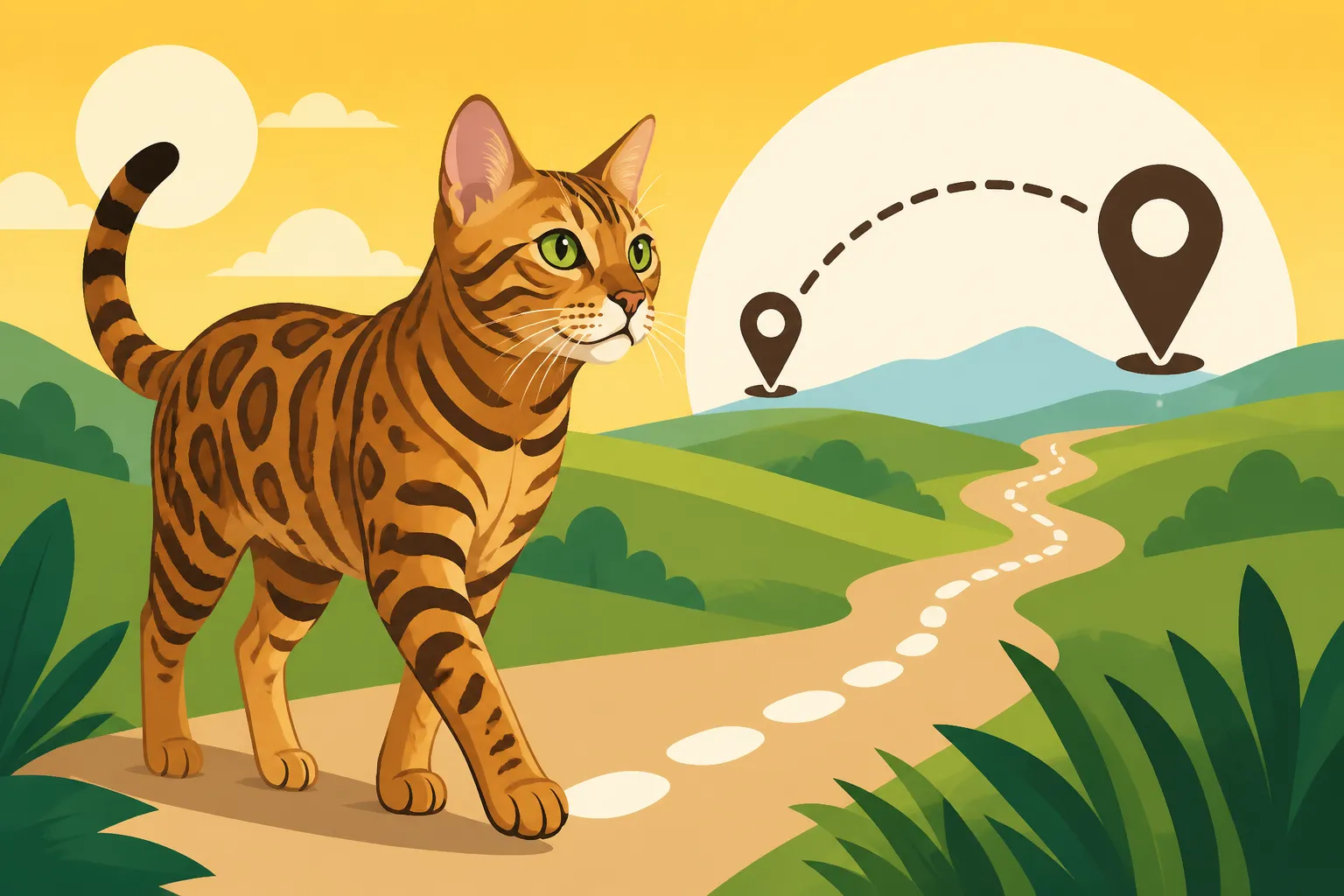
Ultimately, your Bengal cat will walk as far as their curiosity, comfort level, energy, and the stimulation of their environment allows, often pausing for prolonged periods of observation and scent investigation. It's a partnership where they often set the agenda. Embrace the meander, celebrate the sniffs, and cherish the unique bond that comes from exploring the world, one tiny paw print at a time.
Disclaimer
This article is for general informational purposes only and does not constitute professional advice. Laws, prices and regulations vary by location and change over time. Consult a qualified professional for guidance on your specific situation.