How Many Hours a Day a Bengal Cat Plays
It’s a common scenario: you bring home your beautiful Bengal cat, captivated by their striking looks and legendary energy, only to find yourself utterly exhausted by their seemingly endless need for play. Many new Bengal owners quickly discover that the amount of daily play required to keep these magnificent cats happy and well-behaved is far more than they ever anticipated, leading to confusion and sometimes overwhelmed feelings. This guide will meticulously break down the typical play duration and intensity a Bengal cat demands each day, helping you understand their unique needs and how to meet them effectively.
The Unending Energy of a Bengal Cat
When we talk about Bengal cats, we're really talking about a different league of feline energy. They aren't just a little more active than your average domestic shorthair; they are wired differently, carrying a spark of their wild Asian Leopard Cat ancestors that translates into an insatiable zest for life and, critically, for play. This high-octane temperament means that what constitutes "enough" play for most cats is merely a warm-up for a Bengal.
Beyond the Typical Housecat
Most people envision a cat as a creature of naps and occasional bursts of zoomies, perhaps a short session with a feather wand before settling down for the evening. While many domestic cats fit this mold, the Bengal cat very much does not. Their activity levels are often compared to those of a dog, requiring dedicated interaction and physical exertion rather than just passive entertainment. Owners often report that their Bengals are "always on the go," exploring every nook and cranny, scaling furniture, and initiating play whether you're ready or not. This isn't laziness on the owner's part; it's genuinely trying to keep up with a cat that has a motor running 24/7. It's why many owners feel like their home has become a permanent playground, and if it isn't, their Bengal will certainly find ways to make it one. You might find it helpful to read The Bengal Cat Is the Most Active Cat You Can Own to truly grasp the scale of their energy.
Their physical prowess alone dictates a different kind of play. Bengals are powerful jumpers and climbers, capable of reaching heights that would astound most other felines. They possess incredible agility and speed, making simple games of chase or hide-and-seek far more dynamic. This means their play isn't just about bat-and-pounce; it's about full-body engagement, simulating hunting, climbing, and exploring. If these innate behaviors aren't channeled into appropriate play, they can quickly manifest as unwanted behaviors, like scaling curtains or batting objects off shelves. It’s not maliciousness; it’s simply their highly driven nature finding an outlet.
The Young vs. Adult Play Difference
While all Bengal cats are energetic, there's a definite progression in their play needs from kittenhood through adulthood, and into their senior years. Bengal kittens are, as you might imagine, bundles of pure, unadulterated chaos. Their play is often frenzied, constant, and seems to require little to no breaks. During this phase, they are learning about their world, testing boundaries, and developing their motor skills. It’s crucial during these early months to engage them frequently and consistently, teaching them appropriate play behaviors and directing their formidable energy in positive ways. Neglecting play during kittenhood can set the stage for behavioral issues later on.
As Bengal cats mature into adulthood, typically around one to two years of age, their play might become slightly less chaotic but no less demanding. The sheer duration of play may stabilize, but the intensity and mental engagement required often increase. They might still have bursts of "zoomies," but they also start to enjoy more structured play, interactive games, and puzzle-solving. An adult Bengal will still require significant daily play, but it might be more focused and purposeful. Even in their senior years, which can start around ten years old, a Bengal will still have a strong desire to play, though the intensity and duration will naturally decrease. It's a gradual shift, not an abrupt stop, and maintaining play helps keep their minds sharp and bodies mobile. You can find more insights on this in The Age a Bengal Cat Is Considered Senior.
Understanding the Bengal Cat's Play Drive
To truly understand how much a Bengal cat needs to play, it helps to look back at their roots. The Bengal cat is a hybrid breed, a magnificent blend of the domestic housecat and the wild Asian Leopard Cat (ALC). This unique heritage is the key to their distinct personality and, most notably, their extraordinary play drive. It’s not just about burning off calories; it’s about fulfilling deeply ingrained instincts.
Hunting Instincts in a Domestic Setting
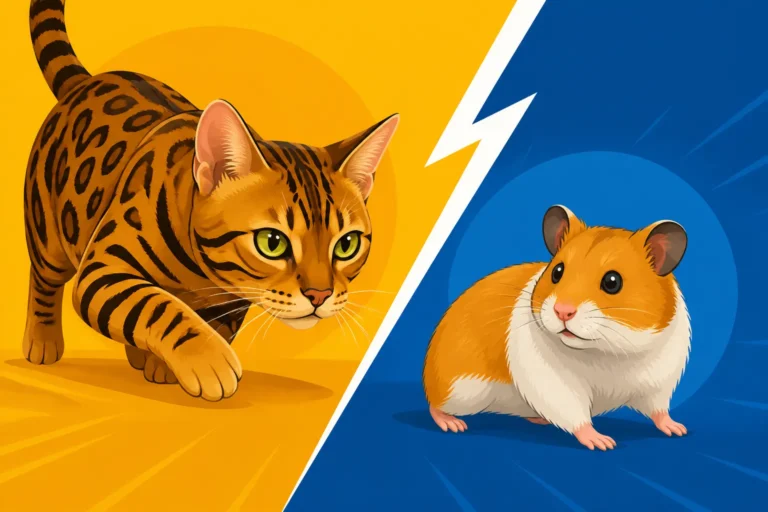
The Asian Leopard Cat is a small, agile, and highly efficient hunter in the wild. These instincts, though diluted, are undeniably present in every Bengal cat, even those many generations removed from their wild ancestor. This means that for a Bengal, play isn't just a fun pastime; it's a critical outlet for their predatory nature. They don't just "play" with a toy; they "hunt" it. This involves stalking, pouncing, chasing, capturing, and even "killing" their prey (the toy).
Therefore, play for a Bengal needs to be engaging and replicate the hunt sequence. A toy that simply sits there or a laser pointer dot they can never truly "catch" can be frustrating for them. They need interaction that allows them to use their full suite of hunting skills – their incredible vision, hearing, agility, and problem-solving abilities. This means toys that move erratically, can be "caught" and "killed," and ideally, involve you, the owner, as the instigator of the hunt. This instinctual drive is why a Bengal cat often wants to engage in multiple, vigorous play sessions throughout the day, far exceeding what a typical domestic cat might require.
The Mental and Physical Need for Activity
Beyond the primal hunting instincts, Bengal cats also have a profound need for both physical and mental stimulation. They are incredibly intelligent creatures, often described as problem-solvers who can figure out how to open cabinets, turn on faucets, and even retrieve hidden treats. If their intelligent minds aren't adequately challenged, they can quickly become bored, and a bored Bengal is often a destructive Bengal.
Physically, their lean, muscular bodies are built for action. Just like a high-performance athlete, they need regular, intense exercise to maintain their physical condition and overall health. A lack of physical activity can lead to lethargy, weight gain (though less common given their metabolism), and even joint issues over time, especially if their muscles aren't kept strong and supple. Moreover, physical activity helps regulate their mood and prevent anxiety. Think of it like this: a high-energy dog needs to run; a Bengal cat needs to engage in vigorous, purposeful play. Ignoring this need isn't just about a bored cat; it can genuinely impact their long-term well-being and happiness.
Structuring Daily Play Sessions
Given their profound need for activity, haphazard play isn't going to cut it for a Bengal cat. A structured approach to their daily enrichment is essential for their physical and mental health, as well as for maintaining harmony in your home. It’s not just about how long they play, but how effectively you engage them during that time.
The Ideal Play Schedule
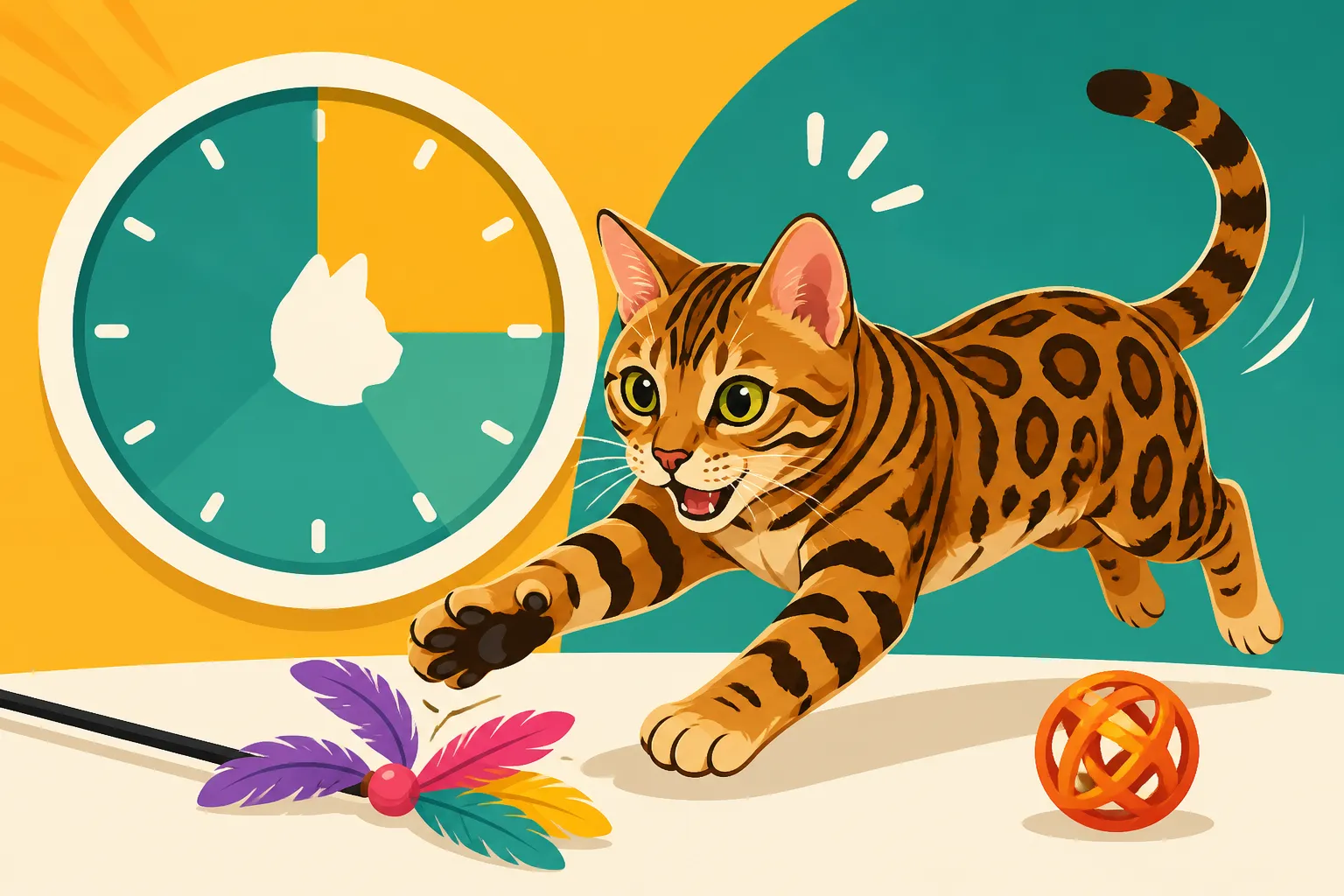
There's no single "one size fits all" answer to how many hours a day a Bengal cat plays, but generally, expect to dedicate at least 1.5 to 2 hours of direct, interactive play spread throughout the day, often broken into multiple sessions. For some exceptionally energetic Bengals, this might even stretch to 3 hours or more. The key is multiple, shorter, high-intensity sessions rather than one long, exhausting one. Think of it like this: several "hunting trips" rather than one marathon.
A good starting point is three to four dedicated play sessions per day, each lasting between 15 to 30 minutes. These sessions should be intense and focused.
- Morning Session: Start the day with a vigorous play session to burn off that overnight energy. This can help prevent them from bothering you for play when you're trying to get ready for work.
- Mid-Day Engagement (if possible): If you work from home, a quick 15-minute burst around lunchtime can be invaluable. If not, this is where independent toys or puzzle feeders come in handy.
- Evening Sessions (1-2): These are often the most crucial. After you get home, dedicate another session or two to interactive play, potentially followed by their dinner. Playing before a meal mimics the wild cat's hunt-and-eat cycle, which can be very satisfying for them.
- Before Bed: A final, slightly less intense play session can help tire them out before you go to sleep, potentially reducing those infamous 3 AM zoomies. You might find more specific guidance in How Many Play Sessions a Bengal Cat Needs.
Remember, these are minimums. Some Bengals will happily engage for longer if you have the time and energy. The critical factor is consistency. Bengals thrive on routine, so try to schedule these sessions around the same times each day.
Mixing Up Play Styles
A Bengal cat will quickly get bored if you always use the same toy or play the same game. Their intelligence demands variety! Think about engaging all their senses and natural behaviors.
- Wand Toys: These are often a Bengal's favorite, as they allow for realistic "hunting." Feather wands, furry lures, or even simple ribbons on a stick can become irresistible prey. Move the toy like prey: hide it, make it dart, let it fly, then let them "catch" it occasionally. You can find incredibly durable and engaging wand toys on Amazon, many of which are designed specifically for active cats. Make sure to choose ones with a strong rod and secure attachments, as flimsy ones won't last long.
- Chaser Toys: Small, fast-moving toys like laser pointers (used sparingly to avoid frustration) or remote-control mice can fulfill their chase drive. Always end a laser session by directing the beam onto a physical toy they can capture to prevent them from becoming frustrated by the uncatchable red dot.
- Puzzle Feeders: These are fantastic for mental stimulation and slow down mealtime, engaging their problem-solving skills. From simple treat balls to complex multi-stage puzzles, these make them "work" for their food. Look for highly-rated puzzle feeders on Amazon that challenge their intellect without being too frustrating. Which Puzzle Feeder Beats a Bengal Cat offers some great suggestions.
- Hide-and-Seek: Bengals love to explore and can be quite good at finding hidden objects or people. This can be a simple game where you hide and call their name, or you hide treats and toys for them to discover.
- Fetching: Many Bengals love to fetch! Small, lightweight toys they can easily carry in their mouths, like crinkle balls or soft springs, are ideal. Throw the toy, encourage them to retrieve it, and reward them when they bring it back. This can be an incredibly bonding experience.
Incorporating Training into Play
Given their high intelligence and eagerness to learn, incorporating training into your Bengal's play routine can be incredibly beneficial. This isn't just about teaching them tricks; it's about providing mental enrichment and strengthening your bond. Simple clicker training sessions, for example, can be short bursts of intense mental activity that burn energy just as effectively as physical play.
Start with basic commands like "sit," "stay," or "come." Use high-value treats as rewards. Once they grasp the basics, you can move on to more complex tricks like "high five," "jump," or even walking on a leash. Learning tricks uses their brains, satisfying their need for challenge and accomplishment. This kind of structured interaction also reinforces positive behaviors and helps them understand what you expect of them. Instead of just chasing a toy, they're actively thinking and problem-solving, which can be very tiring for a smart Bengal. Consider starting early with How Young to Start Leash Training a Bengal Cat to open up more activity options.
Recognizing the Signs of a Bored Bengal
A Bengal cat that isn't getting enough mental and physical stimulation is not just a little restless; they can become genuinely unhappy and disruptive. Their wild instincts, when left undirected, will find their own — often unwelcome — outlets. Understanding these signs is crucial to addressing their needs before problems escalate.
Destructive Behaviors and Misdirected Energy
One of the most obvious indicators that your Bengal cat isn't getting enough play is the emergence of destructive behaviors. This isn't out of spite, but rather a direct result of pent-up energy and an intelligent mind seeking engagement. If their environment doesn't offer enough challenges or appropriate outlets for their instincts, they will invent their own.
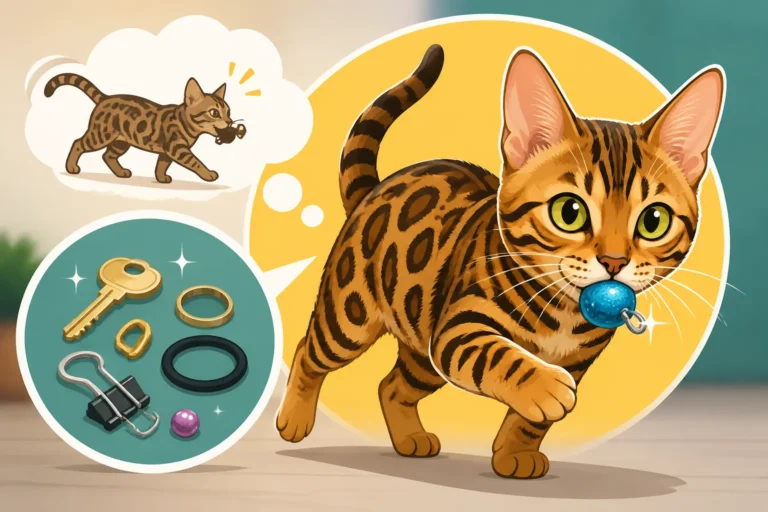
You might find your once-pristine curtains shredded from climbing, furniture scratched beyond recognition (even if they have a scratching post), or objects systematically knocked off shelves. They might target specific items, like your favorite houseplant or a delicate vase, simply because it provides an interesting texture to paw at or a satisfying crash when it hits the floor. Furthermore, a bored Bengal might turn their predatory instincts on smaller, vulnerable household items, like pens, hair ties, or even jewelry, "hunting" and "killing" them by batting them under furniture or into water bowls. This isn't naughtiness; it's a plea for stimulation. You might want to explore What a Bored Bengal Cat Destroys for a comprehensive list of potential targets. Providing sufficient vertical space, like tall cat trees and shelves, can help redirect their climbing instincts. Many high-quality, multi-level cat trees perfect for Bengals can be found on Amazon, designed to withstand their impressive climbing abilities.
Vocalization as a Demand for Attention
Bengal cats are known for being vocal, often expressing themselves with chirps, trills, and even a distinctive "yowl" that can sound quite wild. While some vocalization is normal for the breed, an excessive amount, especially when combined with other behavioral cues, can be a clear sign of boredom and a demand for attention and play. They aren't shy about making their needs known!
A Bengal might follow you around the house, emitting insistent chirps and trills, trying to initiate play by batting at your feet or nudging a toy into your hand. If ignored, these vocalizations can escalate into loud, drawn-out yowls, particularly at inconvenient times like early morning or late at night. They are essentially saying, "I'm bored! Entertain me!" This isn't just about wanting cuddles; it's often a direct request for interactive play that fulfills their physical and mental needs. Ignoring this can lead to further frustration on both sides. A highly vocal Bengal is rarely doing it just for the fun of it; they're communicating a need that isn't being met. Understanding How Vocal a Bengal Cat Is can help differentiate normal chatter from excessive demands.
Tools and Toys for Sustained Engagement
Successfully keeping a Bengal cat entertained for the hours they need requires more than just a few random toys. It demands a strategic approach to their environment and a selection of tools designed to withstand their vigor and engage their sharp minds.
Interactive Toys and Puzzle Feeders
Interactive toys are your best friends when owning a Bengal. These aren't just passive items; they require the cat to think, move, and engage directly. Puzzle feeders, as mentioned, are paramount for mental stimulation. They transform mealtime into a game, challenging your Bengal to use their paws or nose to extract kibble or treats. This slows down eating, prevents boredom, and taps into their natural foraging instincts. There are various types, from simple balls with holes to elaborate maze-like structures. Gradually increase the difficulty to keep them challenged.
Automated interactive toys can also provide short bursts of entertainment when you're busy. Think about toys that move on their own, laser pointers that sweep across the floor (again, with careful use to avoid frustration), or even electronic mice that run on tracks. While these shouldn't replace human interaction, they can bridge gaps between your dedicated play sessions. Just be sure to rotate these toys to keep them novel and interesting. A toy left out constantly will quickly lose its appeal to an intelligent Bengal. Looking for "indestructible cat toys" on Amazon can yield some excellent results for their more vigorous play.
Vertical Space and Exploration
Bengals are arboreal by nature; they love to climb and observe their world from high vantage points. Providing ample vertical space is not just a luxury; it's a necessity for their well-being and a significant part of their daily "play." This isn't just about jumping; it's about exploring different levels, surveying their territory, and feeling secure above the fray.
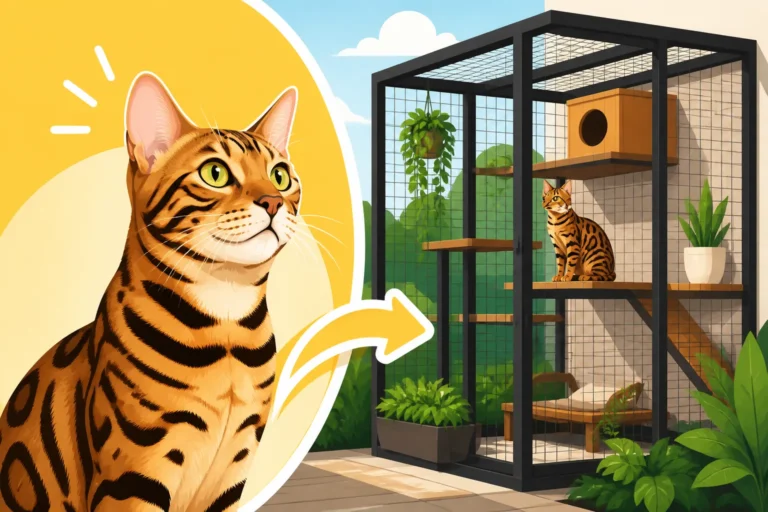
Invest in tall, sturdy cat trees that reach the ceiling or custom-built shelves and catwalks. These should be strategically placed to offer pathways for climbing and various resting spots. A Bengal cat will spend a good portion of their day scaling these structures, chasing imaginary prey, or simply observing. This physical activity contributes significantly to their overall exercise needs and helps them feel engaged with their environment. Without adequate vertical space, they will likely try to climb your bookshelves, cabinets, or curtains, leading to damage and frustration. Consider building a network of How to Build Shelves for a Bengal Cat to give them the ultimate aerial playground.
Durable Toys that Stand Up to the Challenge
Anyone who has owned a Bengal knows that "durable" takes on a whole new meaning when it comes to cat toys. Their strength, sharp claws, and intense play style mean that many standard cat toys won't last more than a few days, or even hours. When you're trying to meet their daily play quota, constantly replacing shredded toys becomes both frustrating and expensive.
Focus on toys made from robust materials like strong plastic, reinforced fabric, or natural wood. Look for wand toys with thick, braided cables or metal wires instead of elastic strings, as those will be quickly snapped. Avoid toys with small, easily detachable parts that could be swallowed. Even toys designed for dogs might be more appropriate for a Bengal's play intensity. Remember, a Bengal will eventually destroy almost any toy, but investing in higher quality, more durable options will save you money and headaches in the long run. Reading reviews from other Bengal owners can be very insightful when choosing toys on platforms like Amazon, as they often highlight which products truly stand the test of time against these energetic felines.
The Role of a Companion in Bengal Cat Play
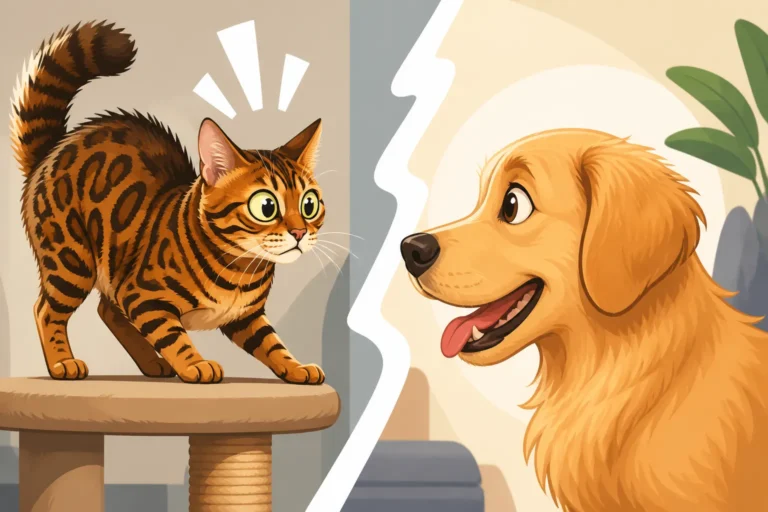
While no substitute for human interaction, a suitable companion can significantly contribute to a Bengal cat's daily play needs, providing an additional outlet for their boundless energy and social instincts. This isn't always a simple solution, however, and requires careful consideration.
Another Bengal Cat or an Active Friend
Many Bengal owners find that having a second cat, particularly another Bengal or a similarly high-energy breed, can be immensely beneficial. When two Bengals play together, they often engage in intense wrestling, chasing, and mock-hunting games that can last for extended periods. This mutual play allows them to burn off a considerable amount of energy that you might otherwise have to provide yourself. They speak the same "play language," understanding each other's boundaries and intensity levels.
However, simply getting "another cat" isn't always the answer. A laid-back, docile cat might be overwhelmed or even injured by a Bengal's vigorous play style. It's crucial to choose a companion that can match their energy and tolerate their intensity. Breeds like Abyssinians, Savannahs, or even certain active domestic shorthairs might be good matches. The goal is to find a playmate, not a victim. Even with a companion, your Bengal will still require dedicated interactive play with you; the companion merely supplements, rather than replaces, your role in their enrichment. Whether Two Bengal Cats Tire Each Other Out delves deeper into this topic.
Introducing Playmates Safely
Bringing a new cat into a Bengal's territory requires a slow, controlled introduction process to ensure they can coexist peacefully and become playmates rather than adversaries. Bengals can be territorial, and their intense energy can be intimidating to a newcomer. Rushing the introduction can lead to fear, aggression, and a fractured household dynamic.
Start with scent swapping, allowing them to get used to each other's smell without direct contact. Then, progress to supervised visual contact through a gate or glass door. Only once they show signs of calm curiosity, without aggression, should you attempt short, supervised physical introductions. Always ensure there are plenty of resources (food bowls, litter boxes, elevated spaces, toys) for both cats to prevent competition. During these initial phases, continue your individual play sessions with your Bengal to manage their energy and prevent them from directing frustration at the new cat. A successful introduction can lead to years of mutual grooming and, crucially, hours of vigorous play that greatly reduces your burden of being the sole source of entertainment.
Disclaimer
This article is for general informational purposes only and does not constitute professional advice. Laws, prices and regulations vary by location and change over time. Consult a qualified professional for guidance on your specific situation.