Whether a Bengal Cat Should Free Roam Outdoors
It's a common dilemma for Bengal cat owners: you see your majestic, wild-looking companion gazing longingly out the window, and you wonder if they'd be happier roaming free. While their ancestry might suggest an affinity for the great outdoors, allowing a Bengal cat to free roam unsupervised comes with a host of risks that far outweigh any perceived benefits. This guide will explore why Bengal cats instinctively crave outdoor adventures, detail the serious dangers of letting them roam freely, and offer safe, enriching alternatives to keep your feline friend happy and healthy.
Understanding Your Bengal Cat's Instincts for the Outdoors
There's no denying it: Bengal cats have a certain wild magnetism about them. Those stunning rosettes, that sleek, muscular body, and their boundless energy all whisper tales of their wild ancestry. It’s only natural that an owner might feel compelled to let such a creature explore the world beyond the four walls of their home. But understanding the depth of their instincts is crucial to making informed decisions about their safety.
The Call of the Wild: Why Bengals Love the Outdoors
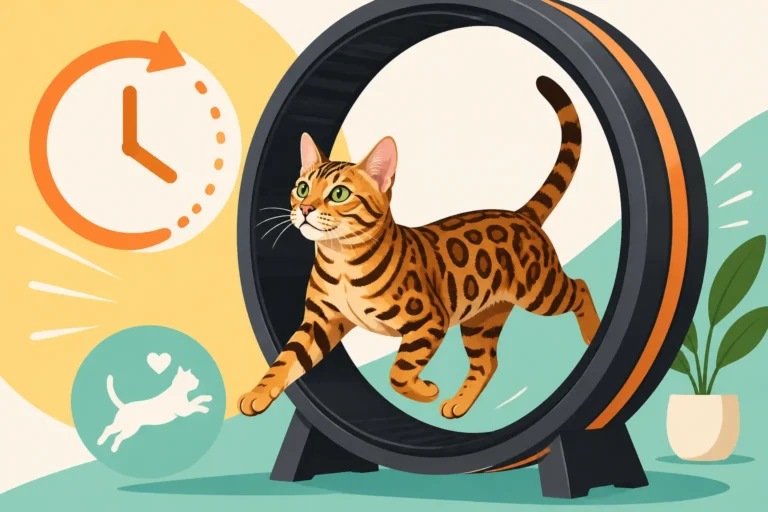
At the heart of every Bengal cat is the Asian Leopard Cat, a small, wild feline known for its agility, intelligence, and predatory prowess. This strong genetic lineage means that your domestic Bengal carries a deep-seated urge to hunt, explore, and engage with its environment in a way many other domestic breeds simply don't. They are driven by an innate curiosity to investigate every rustle in the leaves, every scent on the breeze, and every potential climbing opportunity. This isn't just a playful romp; it's a fundamental part of who they are. They are highly active creatures, constantly seeking new stimulation, and the outdoors presents an ever-changing, endlessly fascinating playground. When you think about How Active a Bengal Cat Is, you realize that their need for stimulation is immense, and a contained indoor environment, while safe, can sometimes feel restrictive to their wild spirit without proper enrichment.
The Dangers of Unsupervised Outdoor Access
While their instincts call them to the wild, the reality of modern outdoor living is a far cry from the safe jungle their ancestors once roamed. The world outside your door is teeming with invisible and unpredictable threats that can quickly turn an adventurous outing into a tragedy. Imagine your beautiful Bengal, oblivious to the dangers, darting across a busy road or encountering an aggressive stray dog. It's not just the dramatic risks either; even seemingly minor outdoor excursions can lead to insidious problems like parasites that are difficult to eradicate. Many owners grapple with the desire to let their Bengals experience freedom, but the sheer volume of potential harm makes unsupervised access a perilous gamble.
The Grave Dangers of Unsupervised Outdoor Access for a Bengal Cat
Let's get real about what your Bengal cat could face out there. It’s not about stifling their spirit; it’s about acknowledging the very real, often fatal, threats that exist for even the most street-savvy feline. The modern world is simply not designed for the safety of free-roaming cats, especially a breed as distinctive and valuable as a Bengal.
Safety Hazards: Traffic, Predators, and Theft
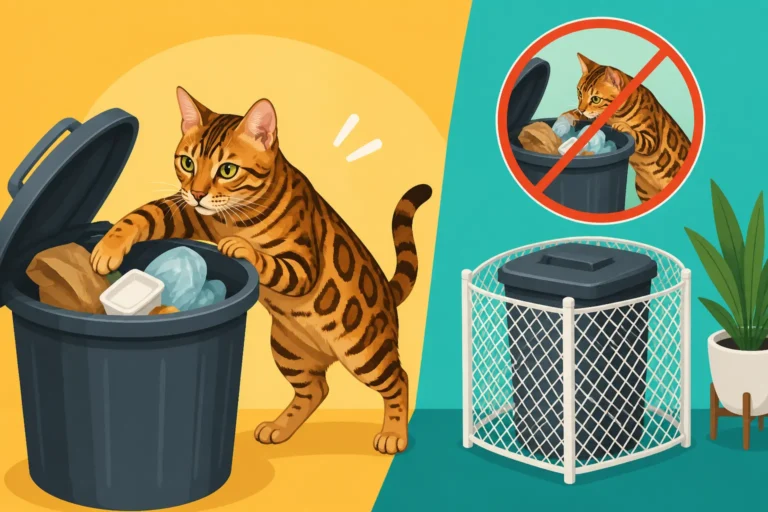
The urban and suburban landscape is a minefield of dangers. Cars are, without a doubt, one of the leading causes of injury and death for outdoor cats. A Bengal's quick reflexes might save them once, but the odds are not in their favor against a speeding vehicle. Beyond traffic, local wildlife poses a significant threat. Coyotes, foxes, large birds of prey, and even aggressive domestic dogs can view a smaller cat as prey or a territorial rival. It's a harsh reality, but your Bengal's survival instincts, honed for a truly wild environment, are often insufficient against these modern dangers.
Then there's the human element. Sadly, the unique appearance and higher price tag of Bengal cats make them prime targets for theft. Someone seeing a gorgeous rosetted cat might assume it's a stray or, worse, deliberately try to steal it. This isn't a rare occurrence; stories of beloved Bengals vanishing are heartbreakingly common. If you're wondering Whether a Bengal Cat Gets Stolen, the answer is a resounding yes, and their distinctive looks make them stand out.
Health Concerns: Parasites, Diseases, and Injuries
Even if your Bengal manages to avoid the major hazards, the invisible threats can be just as devastating. The outdoor environment is a hotspot for parasites. Fleas, ticks, and various internal worms are easily picked up from contaminated soil, grass, or interactions with other animals. Treating these can be a long, costly, and uncomfortable process for your cat.
More critically, free-roaming cats are at a much higher risk of contracting infectious diseases like Feline Leukemia Virus (FeLV) and Feline Immunodeficiency Virus (FIV) through bites, scratches, or shared resources with infected stray or feral cats. These diseases can have long-term, life-limiting consequences. Beyond diseases, fights with other cats or animals can lead to serious injuries – abscesses, broken bones, or deep wounds requiring emergency veterinary care. While we often think of Bengal cats as robust, their immune systems are just as vulnerable to these common feline ailments as any other cat. Considering How Long a Bengal Cat Would Survive Outdoors paints a stark picture of the challenges they face.
Creating a Safe and Enriching Outdoor Experience (Without Free Roaming)
The good news is that you don't have to keep your Bengal cat locked away from the world entirely. There are fantastic, safe ways to satisfy their desire for outdoor stimulation and adventure, all while protecting them from the myriad dangers we've discussed. It's about channeling their wild spirit into controlled, secure environments.
The Wonderful World of Catios
A catio, or cat patio, is truly a game-changer for many Bengal owners. It's an enclosed outdoor space, securely fenced and protected, that allows your cat to experience fresh air, sunshine, and the sights and sounds of nature without any of the risks. Catios can range from small window box enclosures to elaborate multi-level structures with climbing shelves, bridges, and tunnels. They provide an incredible amount of mental and physical enrichment, giving your Bengal a dedicated outdoor territory that is theirs alone.
You can design one to fit your space, whether it's a balcony, a patio, or a dedicated corner of your yard. Many owners enjoy DIY projects, sourcing materials from local hardware stores or online retailers like Amazon. If you're not the DIY type, there are also companies that offer pre-made kits or custom installations. The key is ensuring it's completely secure, with no gaps for escape and sturdy enough to withstand an active Bengal's climbing and jumping. If you're pondering Why a Bengal Cat Needs a Catio, it’s precisely because it addresses their deep-seated need for outdoor exposure in a risk-free way.
Leash Training for Adventurous Bengals
While it might sound like something only dogs do, many Bengal cats absolutely adore walking on a leash! With patience and positive reinforcement, you can teach your Bengal to wear a harness and explore the world alongside you. This offers a controlled adventure, allowing them to sniff new smells, see new sights, and engage with the environment under your watchful eye. Imagine taking your Bengal on a walk in a quiet park or exploring a nature trail together.
It's crucial to use a secure, escape-proof harness designed for cats, such as an H-style or vest harness, rather than just a collar. There are many options available on Amazon that cater specifically to the active and strong build of a Bengal. Start with short sessions indoors, gradually increasing the time and introducing outdoor elements once they're comfortable. This method gives them the thrill of exploration without the uncontrolled dangers. Learning How to Leash Train a Bengal Cat can be one of the most rewarding experiences for both you and your feline companion.
Securely Fenced Yards and Supervised Play
If a full catio isn't feasible, and leash walks aren't quite enough, a securely cat-proofed yard can offer another option, though it requires constant vigilance. This typically involves specialized fencing that prevents cats from climbing over or digging under. Features like "coyote rollers" on top of fences or angled mesh extenders can deter even the most determined climber.
However, even with the best cat-proofing, direct supervision is paramount. A Bengal's intelligence and agility are legendary, and they can often find a weakness in a fence you never knew existed. Supervised play in such a yard can include chasing toys, climbing approved structures, or simply basking in the sun. This allows them some freedom of movement within a larger, contained area, but remember, eyes must be on them at all times. A brief distraction could be all it takes for an escape, so this option requires a significant commitment from the owner.
The Responsible Choice: Prioritizing Your Bengal Cat's Welfare and Safety
Ultimately, deciding whether a Bengal cat should free roam outdoors boils down to a fundamental question of responsibility and welfare. As their guardian, you are tasked with providing an environment that caters to their needs while ensuring their safety and well-being.
Protecting Your Bengal and Local Wildlife
Choosing to keep your Bengal cat's outdoor experiences controlled isn't just about protecting them; it's also about protecting local wildlife. Bengal cats, with their powerful hunting instincts, are incredibly effective predators. Even a well-fed housecat can decimate local bird and small mammal populations. Allowing them to free roam means contributing to this ecological impact. Many owners are genuinely surprised to learn How Much Wildlife a Bengal Cat Kills, and it's a stark reminder of their innate predatory nature. By opting for catios or supervised leash walks, you mitigate this impact, becoming a responsible pet owner within your community and ecosystem.
The Long-Term Benefits of an Indoor-Only or Controlled Outdoor Lifestyle
The payoff for keeping your Bengal cat safely indoors or with controlled outdoor access is immense. Cats that live exclusively indoors or within secure enclosures generally live significantly longer, healthier lives. They are less exposed to diseases, parasites, injuries, and the stress of confrontations. This means fewer emergency vet visits, lower medical bills, and more years of joyful companionship with your beloved feline.
Furthermore, a Bengal cat that receives ample mental and physical stimulation indoors, through interactive play, puzzle toys, vertical climbing spaces, and controlled outdoor experiences, develops a stronger bond with its human family. You become their world, their source of adventure and security. While their wild side is captivating, harnessing it responsibly leads to a richer, safer, and ultimately more fulfilling life for your unique companion, potentially extending their life to The Twelve to Sixteen Years a Bengal Cat Gets.
| Feature | Free Roaming Outdoors | Controlled Outdoor Access (Catio/Leash) |
|---|---|---|
| Exposure to Traffic | High risk, potential for fatal injury | Very low risk, supervised environment |
| Predator Encounters | High risk from wildlife and aggressive pets | Very low risk, secure enclosures |
| Risk of Theft | High, due to unique appearance and value | Very low, cat is always contained/monitored |
| Parasite Exposure | High (fleas, ticks, worms) | Low, reduced contact with contaminated areas |
| Disease Transmission | High (FeLV, FIV from other cats) | Very low, limited exposure to other animals |
| Injuries (Fights, Falls) | High, unsupervised encounters/accidents | Low, managed environment reduces risks |
| Impact on Wildlife | High, predatory instincts unleashed | Very low, no direct hunting opportunity |
| Owner Peace of Mind | Low, constant worry about safety | High, knowing cat is safe and enriched |
| Life Expectancy | Significantly reduced | Significantly increased |
Disclaimer
This article is for general informational purposes only and does not constitute professional advice. Laws, prices and regulations vary by location and change over time. Consult a qualified professional for guidance on your specific situation.