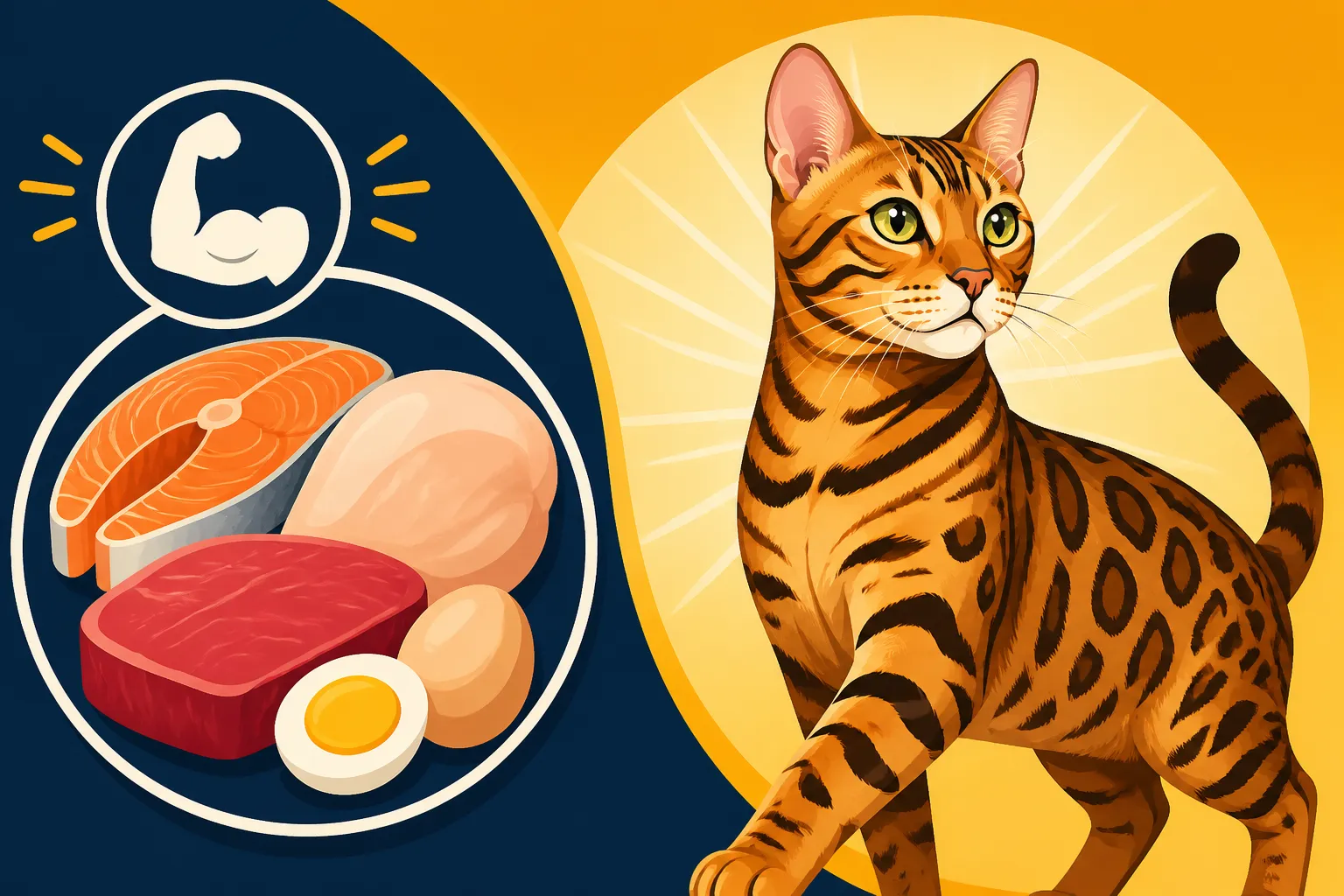
The High Protein Argument for a Bengal Cat
One of the most common dilemmas Bengal cat owners face is figuring out the best diet for their active, lean, and often finicky felines. Many hear about "high protein" diets and wonder if it's just a trend or genuinely essential for their wild-looking companion. This guide will deep dive into the high protein argument for Bengal cats, exploring why it's often recommended, what it truly entails, and how to approach feeding your energetic companion to keep them thriving.
Understanding the Bengal Cat's Ancestral Dietary Needs
When we talk about a Bengal cat's diet, it's impossible to ignore their heritage. These magnificent felines carry the legacy of their wild ancestor, the Asian Leopard Cat, which naturally leads many owners and breeders to question how closely their domestic diet should mimic that wild lineage. It's not just about aesthetics; it's about understanding their fundamental biological needs that stem from generations of evolution as obligate carnivores.
The Asian Leopard Cat's Natural Diet
The Asian Leopard Cat, the foundational ancestor of our beloved Bengals, is a small, agile predator. In the wild, their diet consists almost exclusively of small prey animals: rodents, birds, insects, and occasionally reptiles or amphibians. This isn't a cat that grazes on berries or munches on grains. Their entire digestive system, from their teeth to their gut length, is optimized for processing animal flesh. This means a diet rich in animal-derived protein, moderate in animal fats, and very low in carbohydrates. They get their hydration primarily from their prey, which is a crucial point when considering modern domestic cat diets.
This ancestral diet dictates that their bodies are designed to extract nutrients efficiently from meat. They don't have the enzymatic machinery to break down significant amounts of plant matter or complex carbohydrates. Trying to force a diet high in these ingredients onto a Bengal is akin to asking a cow to thrive on steak; it goes against their fundamental biological programming. Understanding this core principle is the starting point for any discussion about a Bengal's nutritional needs.
How Domestic Cat Diets Diverge
Modern commercial cat foods often diverge significantly from this ancestral blueprint. Many dry kibbles, in particular, rely heavily on carbohydrates from grains, potatoes, or legumes as binders and cheap fillers. While convenient, these ingredients aren't natural for a cat's digestive system. They can lead to issues like obesity, diabetes, and digestive upset because the cat's body isn't equipped to process them efficiently. Even some wet foods, while better in moisture content, can still contain higher levels of plant-based proteins or starches than ideal.
This divergence is precisely why the "high protein argument" for Bengal cats is so prominent. Owners want to ensure their Bengals receive nutrition that aligns with their inherent needs, rather than a one-size-fits-all approach developed for a broader market. The argument isn't just about protein quantity but also about the source and quality of that protein. It's about recognizing that a Bengal isn't just a regular housecat with pretty spots; it's a cat with specific nutritional requirements rooted in its wild heritage. You might find a wider selection of specialized high-protein kibbles or wet foods on platforms like Chewy or Amazon, making it easier to research and compare ingredients.
The Science Behind a High Protein Diet for Cats
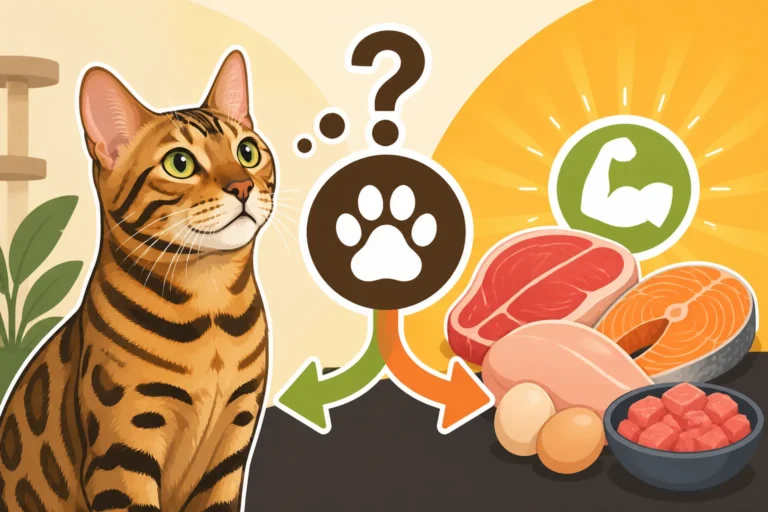
The concept of a "high protein" diet isn't just a fad among Bengal enthusiasts; it's deeply rooted in feline physiology. Cats, regardless of breed, are obligate carnivores. This isn't a dietary preference; it's a biological necessity. Their bodies are built to utilize nutrients found in animal tissues, and they have unique metabolic pathways that demand a constant supply of animal protein.
Why Cats Need More Protein Than Dogs (or Humans)
Unlike omnivores (like humans and dogs), cats have a permanently "on" enzymatic system for breaking down protein. Their liver enzymes are constantly active, ready to process protein for energy and essential amino acids, even if the protein intake is low. This means that if a cat doesn't get enough dietary protein, their body starts breaking down its own muscle tissue to meet these demands. This is particularly critical because certain amino acids, like taurine, are only found in animal protein and are absolutely vital for a cat's heart and eye health. A deficiency can lead to serious health problems like dilated cardiomyopathy and retinal degeneration.
Dogs and humans, on the other hand, can down-regulate their protein-metabolizing enzymes when protein intake is low, conserving their own body protein. Cats simply cannot do this. They require a higher percentage of protein in their diet, and specifically, animal-derived protein, to maintain their muscle mass, support their immune system, and ensure proper organ function. It's a fundamental difference in how their bodies operate, making the "high protein" label not just a marketing term, but a reflection of a physiological truth for all felines, especially active ones like Bengals.
The Role of Essential Amino Acids
Protein is made up of amino acids, and for cats, there are several "essential" amino acids they cannot synthesize themselves; they must get them from their diet. We already mentioned taurine, but others like arginine, methionine, and lysine are equally critical. These amino acids are abundant in animal muscle meat, organs, and connective tissues. Plant-based proteins, while they exist, often lack the full spectrum of essential amino acids in the correct ratios that a cat needs. For example, a diet too high in plant protein and too low in animal protein can lead to deficiencies, even if the overall protein percentage appears high on a label.
This is why "quality" protein is just as important as "quantity." A food might claim a high protein content, but if a significant portion of that comes from peas, corn gluten meal, or soy, it may not be providing the bioavailable amino acids your Bengal truly needs. Always look for named meat sources (chicken, turkey, beef, salmon) as the first few ingredients on a food label. This ensures that the protein is coming from a source that your Bengal cat's body is naturally equipped to digest and utilize, supporting everything from their sleek coat to their boundless energy.
What "High Protein" Actually Means for a Bengal
When you hear "high protein" in the context of cat food, it's not just a buzzword. It refers to a nutritional profile that better aligns with a cat's physiological needs as an obligate carnivore. However, understanding what percentages truly constitute "high protein" can be a bit tricky, especially when comparing dry kibble to wet food.
Recommended Protein Percentages
For an adult cat, veterinary nutritionists generally recommend a diet where protein makes up at least 26-30% of the dry matter. However, for active breeds like Bengals, many breeders and experienced owners advocate for higher percentages, often in the range of 35-50% on a dry matter basis, or even higher. It's important to remember that these percentages are usually calculated on a "dry matter" basis, meaning after all the moisture has been removed. This is because wet food, being mostly water, will have a much lower as fed protein percentage than kibble, even if its dry matter protein content is comparable or higher.
To calculate dry matter percentage:
- Find the "guaranteed analysis" on the food label.
- Note the crude protein percentage and the moisture percentage.
- Subtract the moisture percentage from 100% to get the dry matter percentage. (e.g., 100% – 75% moisture = 25% dry matter).
- Divide the crude protein percentage by the dry matter percentage, then multiply by 100. (e.g., 10% protein / 25% dry matter = 0.4; 0.4 * 100 = 40% protein on a dry matter basis).
This calculation is crucial for making accurate comparisons between different types of cat food. A wet food might say "10% protein," which seems low, but if it's 80% moisture, its dry matter protein is actually 50%. Meanwhile, a dry food might say "35% protein" and be 10% moisture, meaning its dry matter protein is 38.8%. Always do the math to compare apples to apples!
The Importance of Animal-Based Protein Sources
It's not just the percentage; it's where that protein comes from. As obligate carnivores, cats require animal-based protein because it provides the complete amino acid profile they need in a highly digestible form. Look for meat, poultry, or fish listed as the first few ingredients. Phrases like "chicken meal," "turkey meal," or "salmon meal" are often excellent sources of concentrated animal protein, as the moisture has been removed, leaving behind a nutrient-dense powder. Whole meats like "chicken" or "beef" are also good, but remember they contain a lot of water before processing.
Be wary of ingredients like "corn gluten meal," "pea protein," or "soy protein isolate." While these contribute to the crude protein percentage on the label, they are plant-based and do not offer the full spectrum of essential amino acids cats need. Relying heavily on these can lead to deficiencies over time, as your Bengal's body simply cannot utilize them as effectively as animal protein. When shopping, always flip the bag or can over and scrutinize that ingredient list. Choosing foods with high-quality animal proteins as their primary ingredients is paramount for your Bengal's long-term health and vitality.
Why Activity Levels Drive Protein Needs in Bengal Cats
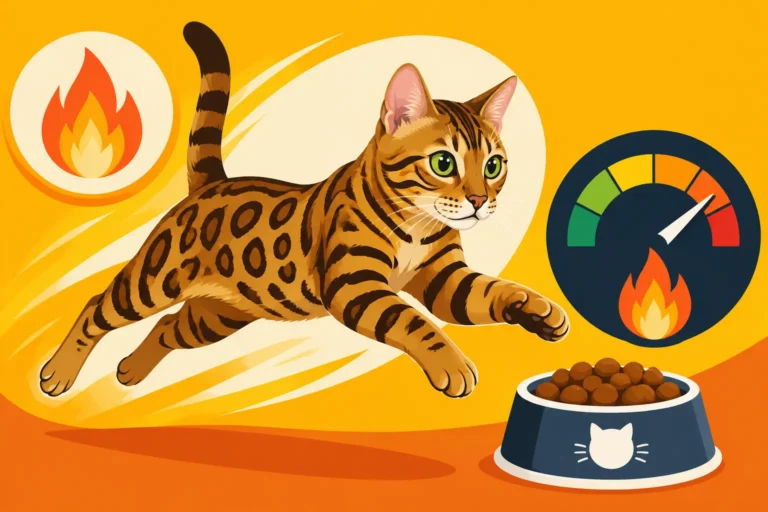
Bengal cats are not your average couch potato felines. They are renowned for their incredible energy, agility, and zest for life. This high level of activity isn't just endearing; it has direct implications for their nutritional requirements, particularly when it comes to protein. Their bodies are constantly burning fuel, and protein plays a critical role in supporting this active lifestyle.
Fueling a High-Energy Lifestyle
Think about a Bengal cat's day. They climb, jump, chase, pounce, and explore with relentless enthusiasm. This constant motion, often accompanied by impressive acrobatic feats, demands significant energy expenditure. Muscles are engaged, repaired, and built continuously. Protein is absolutely essential for this process. It provides the building blocks for muscle tissue, allowing for growth, repair after strenuous play, and maintenance of their lean, athletic physique. Without sufficient high-quality protein, an active Bengal's body would struggle to keep up with these demands, potentially leading to muscle wastage, decreased energy, and a compromised immune system.
Moreover, protein can be used as an energy source when fats and carbohydrates are insufficient. While fats are generally the preferred energy source for cats, their unique metabolism means they can efficiently convert protein into glucose through a process called gluconeogenesis. For a high-energy cat like a Bengal, having this readily available protein to tap into, especially during prolonged periods of activity, ensures they remain fueled and vibrant. How Much a Bengal Cat Eats to Fuel That Activity delves deeper into their caloric needs, but protein is undoubtedly a major component of that fuel.
Supporting Muscle Mass and Lean Body Condition
One of the defining physical characteristics of a Bengal cat is its muscular, athletic build. They are typically lean, not prone to excessive fat, and display well-defined musculature that reflects their wild heritage. Maintaining this lean body condition and robust muscle mass is crucial for their overall health, agility, and preventing issues like joint problems as they age. High-quality animal protein is the primary dietary component responsible for supporting this.
Insufficient protein, or protein of poor quality, can lead to a loss of muscle mass, even if your Bengal isn't overtly losing weight. This can make them less active, more prone to injuries, and generally less resilient. A proper high-protein diet helps preserve their lean muscle, keeping them strong, agile, and ready for their next adventure, whether that's scaling a cat tree to the ceiling or enjoying a supervised leash walk. This focus on muscle mass also contributes to their overall longevity and quality of life, as discussed in The Twelve to Sixteen Years a Bengal Cat Gets.
Choosing the Right Protein Sources for Your Bengal
Once you're on board with the high protein argument, the next challenge is actually finding the right food. It's not just about percentages; it's about the ingredients themselves and how they contribute to a wholesome, species-appropriate diet for your Bengal. The market is flooded with options, so knowing what to look for can make all the difference.
Prioritizing Whole Animal Ingredients
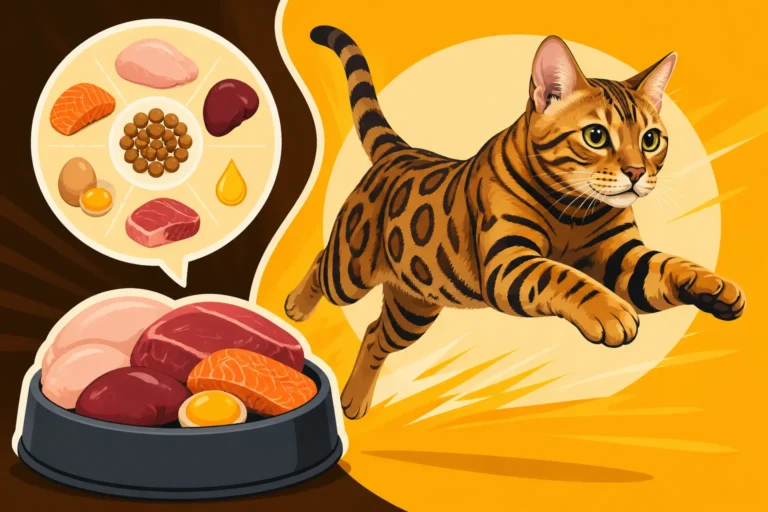
When selecting food for your Bengal, always prioritize products that list whole animal ingredients at the top of their ingredient list. This means looking for "chicken," "turkey," "beef," "salmon," "duck," or other named meat, poultry, or fish sources. These ingredients indicate that the primary source of protein and fat comes from actual animal tissue, which is what your Bengal's body is designed to process. Be cautious of labels that list generic terms like "meat by-products" or "animal digest" as primary ingredients, as the quality and consistency of these can vary widely. While not always bad, it's generally safer to opt for clearly identified sources.
Many reputable brands understand the importance of high-quality animal protein for cats. Some owners explore fresh food options, which offer pre-portioned, high-quality meals often rich in named meat proteins. For those opting for kibble or canned food, reading the ingredient list diligently is non-negotiable. Remember, the first five ingredients typically make up the bulk of the food, so ensure these are primarily animal-based. This focus ensures your Bengal gets the complete amino acid profile they need without relying on fillers or plant-based proteins that are less bioavailable to them.
Wet, Dry, or Raw: Which is Best for High Protein?
The form of food (wet, dry, or raw) plays a significant role in achieving a high-protein diet, and each has its pros and cons.
-
Wet Food: Canned or pouched wet food is often an excellent choice for a high-protein diet because it's naturally high in moisture, which is crucial for feline kidney health. Many high-quality wet foods prioritize meat as the main ingredient and contain lower carbohydrate levels than typical kibble. Always check the dry matter protein percentage as discussed earlier, but generally, wet food is a strong contender for delivering high-quality, animal-based protein and much-needed hydration.
-
Dry Food (Kibble): While convenient, kibble often presents challenges for truly high-protein, low-carb feeding. To form kibble, starches (carbohydrates) are usually required as binders. However, there are now many grain-free and limited-ingredient dry foods available that strive for higher protein content from animal sources. If you choose kibble, scrutinize the ingredient list for meat meals as primary ingredients and minimal carbohydrate fillers. Always ensure your Bengal has constant access to fresh water if feeding kibble, as it contributes very little moisture to their diet.
-
Raw Food: A raw diet aims to mimic the ancestral diet most closely, often consisting of raw muscle meat, organs, and bones. This approach is inherently high in animal protein and moisture. However, raw feeding requires meticulous research and preparation to ensure it is nutritionally complete and balanced, as well as safe from bacterial contamination. It's not a diet to jump into lightly; consulting with a veterinary nutritionist is highly recommended if you consider this path. Many proponents believe it's the ultimate high-protein solution, but it carries its own set of responsibilities and potential risks if not done correctly.
Ultimately, the "best" choice often comes down to a combination of what your Bengal thrives on, what your budget allows, and what you're comfortable preparing. A mixed diet, combining high-quality wet food with perhaps some high-protein kibble or occasional raw additions, can also be a viable strategy.
| Food Type | Typical Protein Source | Key Benefit for Bengal | Consideration |
|---|---|---|---|
| Wet Food | Named Meats (Chicken, Turkey, Fish) | High moisture content, often lower carbs | Can be more expensive; packaging waste |
| Dry Food (Kibble) | Meat Meals, Grains/Potatoes (in some) | Convenience, cost-effective | Lower moisture; often higher carbs (check label) |
| Raw Food | Raw Muscle Meat, Organs, Bones | Closest to ancestral diet, high animal protein | Requires careful balancing; potential bacterial risk |
Potential Pitfalls and Considerations of High Protein Diets
While the high protein argument for Bengal cats is compelling, it's essential to approach any dietary change with careful consideration. No single diet is perfect for every cat, and there are situations where a purely high-protein regimen might need adjustment or professional oversight. It's about finding the right balance for your individual feline friend.
Not All Protein is Created Equal
As we've touched upon, simply looking at a high protein percentage on a label isn't enough. The source and quality of that protein are paramount. A food with a 40% crude protein content where a significant portion comes from plant-based proteins (like corn gluten meal, pea protein, or potato protein) will not provide the same benefits as a food with 40% protein derived primarily from whole meats and meat meals. Plant proteins lack certain essential amino acids that cats require, making them less bioavailable and less useful to an obligate carnivore.
Furthermore, some lower-quality protein sources, even if animal-based, might be less digestible due to processing methods or the inclusion of less nutritious animal parts. This can lead to your Bengal not absorbing all the nutrients they need, potentially causing digestive upset or, paradoxically, a state of malnutrition despite seemingly adequate protein intake. Always opt for transparent ingredient lists that clearly name the animal protein sources to ensure your Bengal is getting truly high-quality, digestible protein.
Health Conditions Requiring Dietary Adjustments
While high protein is generally beneficial for healthy, active Bengals, there are specific health conditions where a veterinarian might recommend modifying protein intake. The most common concern is kidney disease. As cats age, their kidneys can become less efficient at filtering waste products, including those produced from protein metabolism. In such cases, a vet might suggest a moderately restricted protein diet (still with high-quality protein, but less overall quantity) to reduce the workload on the kidneys. It's a delicate balance, as even cats with kidney disease still need sufficient protein to maintain muscle mass.
Other conditions, though less common, might also warrant discussion with your vet. For instance, some Bengals might develop food sensitivities or allergies, and while protein itself isn't usually the culprit, a specific protein source (like chicken or beef) might trigger a reaction. In these cases, a novel protein diet (e.g., duck, venison, rabbit) might be recommended, irrespective of the overall protein percentage. This highlights the importance of regular veterinary check-ups and a candid discussion about your Bengal's diet and any changing health needs. Always consult your vet before making drastic dietary changes, especially if your cat has a pre-existing health condition. How Often a Bengal Cat Needs a Wellness Exam is a good resource for understanding routine health monitoring.
Transitioning Your Bengal Cat to a New Diet
Changing a cat's diet, especially a Bengal's, can be a delicate dance. Cats are creatures of habit, and their digestive systems can be quite sensitive to abrupt changes. A sudden switch can lead to digestive upset, including vomiting or diarrhea, which nobody wants! The key to a successful transition is patience and a gradual approach.
The Slow and Steady Approach
The general rule of thumb for transitioning a cat to a new food is to do it over 7-10 days, gradually increasing the proportion of the new food while decreasing the old. Here’s a typical schedule, though you might need to extend it if your Bengal is particularly sensitive:
- Days 1-2: 75% old food, 25% new food
- Days 3-4: 50% old food, 50% new food
- Days 5-6: 25% old food, 75% new food
- Days 7-10: 100% new food
During this period, closely monitor your Bengal for any changes in appetite, stool consistency, or energy levels. If you notice any signs of upset (e.g., loose stools, refusing to eat), slow down the transition. You might need to hold at a certain percentage for a few extra days or even go back a step before trying to progress again. Some cats, particularly picky eaters, might require an even longer transition period, stretching to two weeks or more. Remember, consistency is key, and tempting them with small amounts of the new food mixed into their favorite old food can sometimes help. You could also try various high-protein foods from different brands, easily found on sites like Chewy or Amazon, to see what your Bengal prefers.
Monitoring for Digestive Issues and Acceptance
Bengal cats are known for having sensitive stomachs, so paying close attention during a diet transition is crucial. Loose stools or diarrhea are common signs that the change is happening too quickly or that the new food isn't agreeing with them. If these symptoms persist, or if you notice vomiting, lethargy, or a complete refusal to eat, it's time to pause the transition and consult your veterinarian. They can rule out any underlying issues and offer advice on how to proceed.
Beyond digestive issues, also observe your Bengal's overall acceptance of the new food. Are they eating it enthusiastically, or are they picking around the new bits? While some initial hesitation is normal, a sustained lack of interest could indicate that this particular high-protein formula isn't a hit. Don't be afraid to try different brands or protein sources if your Bengal consistently turns their nose up. There are many excellent options out there, from various protein types (chicken, turkey, duck, fish) to different textures. Finding the right fit for your unique Bengal may take a bit of trial and error, but their long-term health is worth the effort. For more on their digestion, you can read Why a Bengal Cat's Gut Is So Sensitive.
Monitoring Your Bengal's Health on a High Protein Plan
Once your Bengal is happily settled on a high-protein diet, the work isn't entirely over. Ongoing monitoring is essential to ensure the diet continues to meet their needs and that they are thriving. This involves observing their physical condition, energy levels, and regular veterinary check-ups.
Observing Weight, Coat, and Energy Levels
A healthy Bengal cat on an appropriate diet should maintain a lean, muscular physique. You should be able to easily feel their ribs when you run your hands along their sides, but not see them protruding. Their waist should be evident when viewed from above. Regularly check their weight using a pet scale, especially if they are particularly active or you notice changes in their eating habits. Significant weight loss or gain could indicate an issue. What a Bengal Cat Weighs provides good general guidelines for their healthy weight range.
Their coat is another excellent indicator of nutritional health. A Bengal's coat should be soft, sleek, and shiny, with clear, vibrant markings and that characteristic "glitter." Dullness, excessive shedding, or a greasy feel could signal dietary deficiencies or other health problems. Finally, observe their energy levels. A well-fed Bengal should be active, playful, and alert. While every cat has downtime, a sudden decrease in activity or an increase in lethargy warrants investigation.
Regular Veterinary Check-ups and Bloodwork
Even with the best diet and diligent home monitoring, regular veterinary check-ups are indispensable. Your veterinarian is your best partner in ensuring your Bengal's long-term health. During annual wellness exams, they can perform a thorough physical assessment, discuss any concerns you might have, and recommend routine screenings. For a Bengal on a high-protein diet, particularly as they get older, bloodwork can be particularly informative.
Blood tests can evaluate kidney and liver function, check for anemia, and assess overall organ health. While a high-protein diet is beneficial for many cats, a vet can help catch any subtle changes that might indicate a need for dietary adjustments, especially concerning kidney health as cats age. They can also ensure that your Bengal isn't developing any nutritional imbalances and confirm that the chosen high-protein diet is truly supporting their unique physiology. Think of your vet as a guide who can help you fine-tune your Bengal's care, ensuring they live a long, vibrant life.
Disclaimer
This article is for general informational purposes only and does not constitute professional advice. Laws, prices and regulations vary by location and change over time. Consult a qualified professional for guidance on your specific situation.