Whether a Bengal Cat Really Needs High Protein Food
One of the biggest worries for new Bengal cat owners, or even seasoned ones, is trying to figure out if you're truly feeding them right. You hear so much conflicting advice about their wild ancestry and their boundless energy, and it often boils down to this burning question: does your Bengal cat really need a special high-protein diet? It’s enough to make your head spin, especially when every pet food bag claims to be the best. This guide is here to cut through the noise and help you understand the specific nutritional needs of your magnificent, energetic Bengal.
The Bengal Cat's Unique Physiology and Activity Level
Let's be honest, a Bengal cat isn't just any house cat. They're a whirlwind of activity, a blur of spots, and they have a certain wild grace that sets them apart. This isn't just aesthetic; it influences their entire physical makeup and, by extension, their dietary requirements. It's not about making them more wild, but understanding what makes them thrive.
Tracing Back to the Wild Ancestor
The Bengal cat's direct lineage from the Asian Leopard Cat (ALC) isn't just a fun fact for their pedigree; it fundamentally shapes their biology. Think about it: the ALC is a small, solitary hunter in the wild, constantly expending energy tracking, stalking, and pouncing on prey. Their diet in nature is almost exclusively meat, meaning it's packed with animal-based protein and fat, with very little in the way of carbohydrates. This evolutionary blueprint is still very much alive in your Bengal. While they might be napping on your sofa, their internal systems are designed for a more demanding, carnivorous lifestyle than your average tabby.
This doesn't mean your Bengal needs to hunt its own dinner, thankfully, but it does mean their digestive system and metabolic pathways are geared towards processing animal proteins efficiently. It's a genetic predisposition that makes them different. Trying to feed them a diet high in grains or plant-based proteins is like asking a lion to thrive on a vegetarian diet – it just doesn't compute with their biology. This ancestral connection is a strong argument behind The High Protein Argument for a Bengal Cat.
Fueling the Bengal's Incredible Energy
If you live with a Bengal, you know they are not couch potatoes. They run, jump, climb, and play with an intensity that can exhaust even the most dedicated owner. From scaling your tallest cat tree to chasing laser pointers with relentless vigor, they burn through calories at an impressive rate. This high level of activity isn't just about fun; it's fundamental to their health and happiness. Imagine trying to run a marathon on a diet of sugar water – you wouldn't get far. Similarly, a Bengal needs robust fuel to maintain their muscular physique and sustained energy levels.
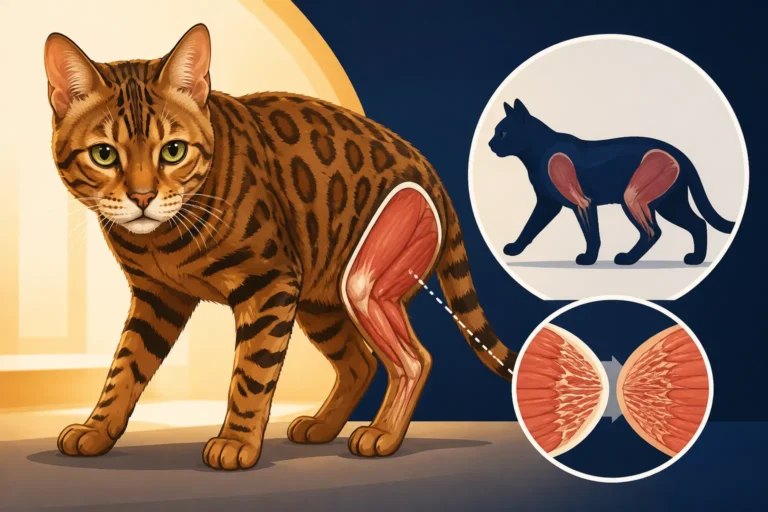
This constant motion means their muscles are always working, building, and repairing. Protein is the cornerstone for this process. Without adequate, high-quality protein, their bodies simply can't keep up with their demands. They might appear lethargic (for a Bengal, that is!), their coat might lose its luster, and over time, their overall health could decline. This is why when we discuss How Much Exercise a Bengal Cat Needs a Day, we often pair it with discussions about appropriate nutrition. It's a holistic approach to their well-being.
Understanding Protein: What It Does for Your Bengal
Protein isn't just a buzzword in pet food marketing; it's a vital macronutrient that plays a multitude of critical roles in your Bengal cat's body. It's the building block for almost everything from muscle to fur, and understanding its function helps you see why quality and quantity matter.
The Building Blocks of a Healthy Body
At its core, protein is made up of amino acids, which are essentially the LEGO bricks of life. Your Bengal's body uses these bricks to construct and repair muscles, skin, hair, nails, enzymes, hormones, and antibodies. Think about their gorgeous, sleek coat and their powerful, athletic build—all dependent on a steady supply of good protein. Growing Bengal kittens, especially, need a lot of protein to develop properly. Even a mature Bengal needs it for daily maintenance, to keep their immune system strong, and to recover from all their impressive acrobatics.
For a cat, certain amino acids are "essential," meaning their body cannot produce them on its own and they must come from their diet. Taurine is perhaps the most famous example; a deficiency can lead to serious heart and eye problems. Animal-based proteins are complete proteins, meaning they naturally contain all the essential amino acids a cat needs in the right proportions. Plant-based proteins, while present in some cat foods, are often incomplete for cats, lacking one or more essential amino acids. This is a crucial distinction that really underscores why that "high protein" needs to come from the right sources.
More Than Just Muscle: Energy and Satiety
While protein is famed for muscle building, it also serves as a critical energy source for felines, especially when carbohydrates are limited. Unlike humans, cats are designed to efficiently convert protein into glucose for energy, a process called gluconeogenesis. This is important for maintaining stable blood sugar levels and providing a consistent energy supply throughout their active days. This is directly related to How Many Calories a Bengal Cat Runs Off in a Day.
Furthermore, protein plays a huge role in satiety – making your cat feel full and satisfied after a meal. A diet rich in protein can help manage your Bengal's appetite, preventing overeating and maintaining a healthy weight. Since Bengals are often lean and muscular, maintaining this ideal body condition is key to their long-term health. If you notice your Bengal constantly begging for food or acting unusually ravenous, it might not just be their wild instincts kicking in; it could be that their current food isn't providing the sustained satisfaction that a high-protein, animal-based diet would.
Choosing the Right Food: What to Look For
Navigating the pet food aisle can feel like deciphering a secret code. Every brand shouts about its benefits, but how do you know what's genuinely good for your Bengal? It’s not just about the percentage on the label; it's about the source, the ingredients, and how it all comes together for your unique cat.
Decoding the Ingredient List
The first step to understanding if a food truly offers what your Bengal needs is to scrutinize the ingredient list. Look for high-quality animal proteins as the first few ingredients. This means actual meat sources like chicken, turkey, beef, lamb, or fish. You want to see "chicken meal" or "salmon meal" high on the list, as these are concentrated forms of protein after the water has been removed, making them excellent sources. Avoid foods where grains, corn, wheat, or vegetable proteins are listed first, as these are less biologically appropriate for a true carnivore like your Bengal.
When you're comparing brands, remember that a chicken-based food from, say, Chewy, might have a different quality of chicken or different processing than another brand's. Don't be afraid to research the brand itself. Are they transparent about their sourcing? Do they list guaranteed analysis, including protein, fat, and fiber percentages? A "high protein" claim on the front of the bag is only meaningful if the source of that protein is appropriate and high-quality for a feline. Sometimes, cheaper foods will artificially boost protein content with plant derivatives that aren't as digestible or complete for cats.
Dry, Wet, or Raw: Finding the Balance
The debate over kibble, wet food, and raw diets is never-ending, but for a Bengal, there are some important considerations.
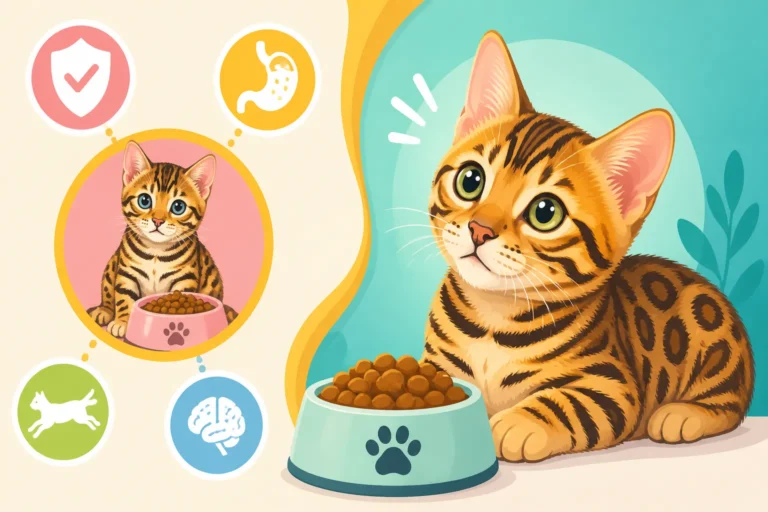
- Dry Kibble: While convenient and often more affordable, many dry kibbles are higher in carbohydrates and lower in moisture than a cat's natural diet. If you choose kibble, look for formulas specifically designed for active cats or those labeled "grain-free" with high animal protein content. Always ensure your Bengal has constant access to fresh water, perhaps even a flowing fountain, as Why a Bengal Cat Needs a Water Fountain is a real concern with low-moisture diets. Even with a good kibble, you might find that Why Dry Food Alone Underfeeds an Active Bengal Cat.
- Wet Food: This is often a fantastic choice for Bengals because it's naturally high in moisture, mimicking prey, and typically lower in carbohydrates while being rich in animal protein. The added moisture is crucial for urinary tract health, which can be a concern for cats generally. Feeding a combination of wet and dry can offer variety and ensure they get adequate hydration and protein.
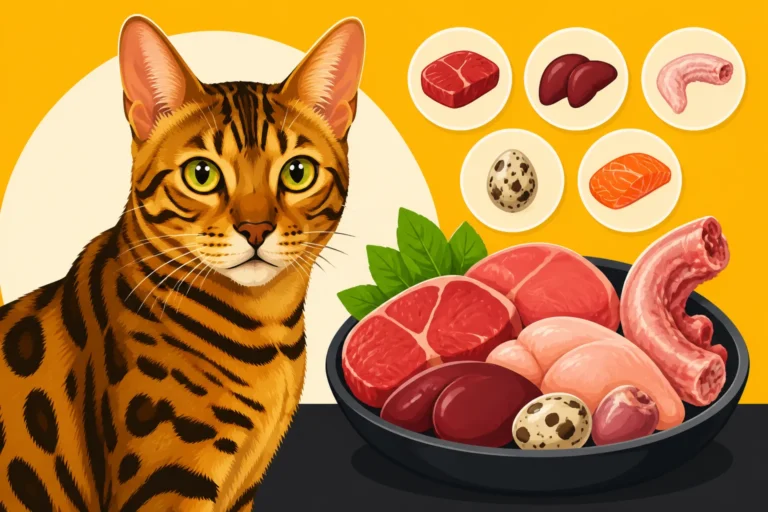
- Raw Diet: Some Bengal owners swear by raw feeding, believing it most closely replicates their ancestral diet. It typically consists of raw muscle meat, organs, and ground bone. Proponents argue it provides superior digestibility, hydration, and nutrient absorption. However, raw feeding requires careful research and preparation to ensure it's balanced and free from pathogens. It’s a commitment, and it's essential to consult with a veterinary nutritionist if you go this route, especially considering Whether a Raw Diet Suits a Bengal Cat's Gut. For raw or wet food, places like Amazon and Chewy often have a good selection of high-quality brands.
| Diet Type | Pros | Cons |
|---|---|---|
| Dry Kibble | Convenient, can help with dental hygiene (some formulas), shelf-stable | Often lower moisture, higher carbs, lower quality protein sources |
| Wet Food | High moisture, typically lower carbs, palatable, good for hydration | More expensive per serving, can be messy, shorter shelf life once open |
| Raw Diet | Mimics natural diet, high in animal protein, excellent hydration | High risk of pathogens, requires careful balancing, can be very expensive |
Ultimately, a truly high-protein diet for a Bengal means prioritizing animal-based proteins, whether through a quality kibble, wet food, or a well-researched raw diet. The key is quality and balance.
Common Pitfalls and Digestive Sensitivities
Even with the best intentions, feeding a Bengal can sometimes feel like a minefield. Their sensitive digestive systems can throw you a curveball, and what works for one Bengal might not work for another. It's important to be aware of these potential challenges.
The Chronic Diarrhea Dilemma
One of the most common complaints among Bengal owners is dealing with chronic diarrhea or soft stools. Chronic Diarrhea Is the Bengal Cat Complaint Nobody Warns About, and it can be incredibly frustrating. This isn't necessarily a sign that a high-protein diet is wrong; it's often an indicator that the type or source of protein, or other ingredients in the food, isn't agreeing with their sensitive gut. Sometimes, an overly rich or fatty food can trigger an upset, or they might have an intolerance to a specific protein like chicken, even if it's high quality.
If your Bengal is experiencing chronic digestive issues, the first step is always a vet visit to rule out parasites like Tritrichomonas foetus or Giardia, which are distressingly common in Bengals, as explored in What Tritrichomonas Does to a Bengal Cat and How a Bengal Cat's Giardia Is Treated. Once those are ruled out, a food trial might be necessary. This often involves switching to a novel protein (like venison or duck) or a hydrolyzed protein diet to pinpoint the culprit. It's a process of elimination that requires patience, but finding the right food will make a world of difference for your cat's comfort and your peace of mind.
Navigating Food Intolerances and Allergies
Beyond just soft stools, some Bengals can develop true food intolerances or even allergies, although outright allergies are less common than sensitivities. Symptoms can range from vomiting and diarrhea to skin irritation, excessive itching, or dull coat. Common culprits often include proteins like beef, dairy, and fish, or even common food additives. It's ironic because fish, for example, is a great source of protein, but for some Bengals, it's a trigger.
If you suspect an intolerance, working with your veterinarian is crucial. They might recommend a limited ingredient diet (LID), where the food contains a single novel protein source and minimal other ingredients to reduce the chance of an adverse reaction. Over-the-counter LID foods are available on platforms like Chewy or Amazon, but always ensure they are nutritionally complete for cats. Remember, a Bengal's sensitive gut is Why a Bengal Cat's Gut Is So Sensitive in the first place, so finding a food that is both high in appropriate protein and gentle on their system is the ultimate goal. Don't be discouraged if it takes a few tries; your Bengal is worth the effort to find their perfect meal.
Disclaimer
This article is for general informational purposes only and does not constitute professional advice. Laws, prices and regulations vary by location and change over time. Consult a qualified professional for guidance on your specific situation.