How Much a Bengal Cat Eats to Fuel That Activity
If you've brought a Bengal cat into your home, you've likely discovered that their idea of a "catnap" is often just a quick power-up before another burst of energetic antics. These sleek, spotted beauties are known for their boundless energy, and keeping that dynamo fueled is a question many new and even seasoned Bengal owners grapple with. This comprehensive guide will break down exactly what goes into nourishing such an active feline, from understanding their unique metabolic needs to choosing the right diet and feeding schedule to keep them thriving and zoomie-ready.
The Bengal Cat's Incredible Energy Demands
Bengal cats aren't just a little more active than your average domestic shorthair; they operate on a whole different level of intensity. Their wild ancestry, stemming from the Asian Leopard Cat, bequeathed them a natural athleticism and an insatiable curiosity that translates into constant motion. This isn't just about playing with toys; it's about exploring every nook, climbing every surface, and engaging with their environment with unparalleled vigor.
The Energetic Demands of a Mini-Leopard
Imagine a cat that can scale your tallest cat tree in a single bound, run laps around your living room at warp speed, and then immediately demand a game of fetch. That's a typical Tuesday for a Bengal. This isn't a breed content to lounge all day; they thrive on interaction, mental stimulation, and physical challenges. Owners often describe them as having dog-like personalities, eager to learn tricks and participate in family activities. All this high-octane living requires a significant caloric investment, far beyond what a more sedentary feline might need. You might find yourself wondering How Many Hours a Day a Bengal Cat Plays and quickly realizing it's a lot. This continuous expenditure of energy means their bodies are constantly working, rebuilding muscle, maintaining core temperature, and supporting cognitive function. It's a full-time job being a Bengal, and their diet needs to reflect that.
How Calories Are Burned and Utilized
Every leap, every sprint, every curious climb up the curtains burns calories. A Bengal cat's metabolism is geared towards efficiency for high activity. They burn through energy stores quickly and need consistent replenishment. Unlike a cat that might spend 18 hours a day napping, a Bengal is perpetually using energy for more than just basic life support. Their muscle mass is typically higher, which itself requires more calories to maintain. When you consider the sheer volume of their activity, from chasing a feather wand to navigating complex puzzle feeders, it becomes clear that their caloric needs aren't just about maintaining weight; they're about supporting a robust, athletic lifestyle. This is why you often hear owners marvel, Why a Bengal Cat Never Seems to Tire, and it's because their bodies are primed for this level of activity, provided they get the right fuel.
Understanding the Bengal Cat's Unique Dietary Needs
Because of their impressive activity levels, Bengal cats have specific nutritional requirements that often differ from other domestic breeds. It's not just about more food, but about the right kind of food to support their lean muscle mass, high energy, and overall health.
The High Protein Imperative
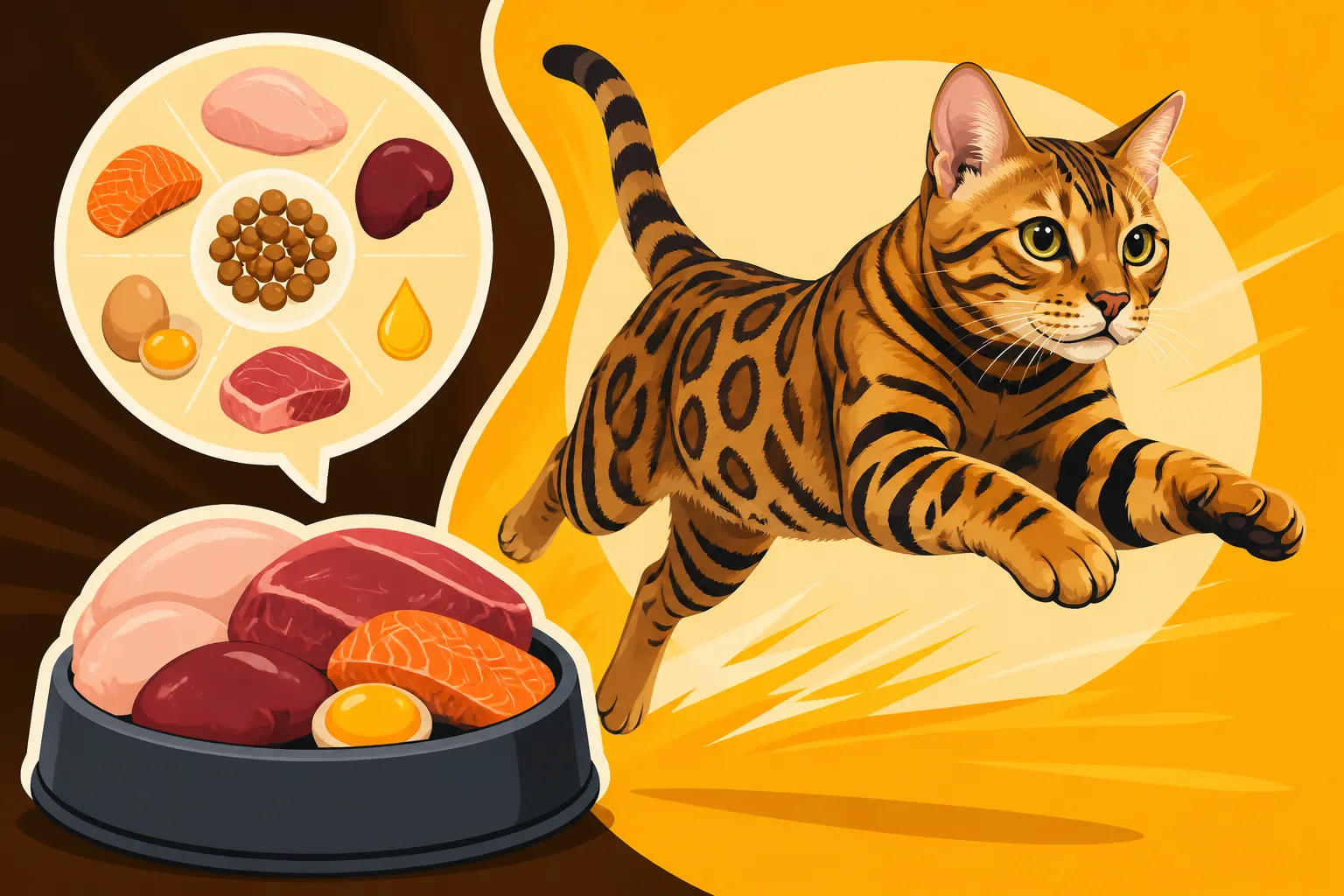
Given their active, muscular build and wild ancestry, Bengal cats thrive on a diet rich in animal protein. Protein is essential for building and repairing muscles, producing enzymes and hormones, and providing sustained energy. While all cats are obligate carnivores, meaning they must eat meat to survive, for a Bengal, this isn't just a recommendation; it's a foundational pillar of their diet. A diet lacking sufficient high-quality animal protein can lead to muscle wasting, lethargy, and a dull coat, none of which you want for your vibrant Bengal.
Many commercial cat foods often rely heavily on plant-based proteins or fillers to cut costs. For a Bengal, this simply won't do. You'll want to look for foods where the first few ingredients are clearly named meat sources—chicken, turkey, beef, fish. This commitment to protein is often referred to as The High Protein Argument for a Bengal Cat and it's a conversation you'll hear frequently among breeders and experienced owners. Aim for foods with a crude protein content of at least 30-40% on a dry matter basis, and ideally even higher for wet or raw foods.
The Importance of Balanced Fats and Limited Carbohydrates
Beyond protein, healthy fats are crucial for energy, skin and coat health, and nutrient absorption. Omega-3 and Omega-6 fatty acids, found in sources like fish oil or certain animal fats, are particularly beneficial. These fats provide a concentrated source of energy, which is perfect for a cat that's constantly on the move, and they contribute to that famously soft, "pelted" Bengal coat.
On the flip side, carbohydrates should be kept to a minimum. Cats, as carnivores, have no biological need for large amounts of carbohydrates. High carbohydrate diets, often found in cheaper dry kibbles, can contribute to weight gain (yes, even active Bengals can get fat if fed the wrong diet!), digestive upset, and can place unnecessary strain on their pancreatic system. Look for foods with minimal grains, corn, soy, or potatoes, which are often used as fillers. Even if a bag of kibble claims "grain-free," it's important to check if those grains have simply been replaced with other high-carb ingredients like peas or lentils.
Factors Influencing Your Bengal Cat's Food Intake
Determining the exact amount of food your Bengal needs isn't a one-size-fits-all equation. Several factors come into play, from their age and activity level to their individual metabolism and the type of food you're offering.
Age and Life Stage: From Kitten to Senior
A Bengal kitten, full of boundless energy and growing rapidly, will require more calories per pound of body weight than an adult cat. Their little bodies are like tiny furnaces, constantly building bone, muscle, and developing their nervous system. Kitten formulas are typically more calorie-dense and rich in nutrients to support this intense growth period. As they mature, usually around one year of age, their growth rate slows, and their caloric needs will adjust, though their activity levels generally remain high.
An adult Bengal in their prime, especially one that gets a lot of playtime, access to a Cat Wheel for a Bengal Cat or a Catio for a Bengal Cat, will maintain a high metabolic rate. However, as they enter their senior years, usually around ten or twelve, their metabolism may start to slow down. While they might still have bursts of energy, their overall activity might decrease slightly. This means their caloric intake may need to be reduced to prevent unwanted weight gain, while still ensuring they receive nutrient-dense food to support aging joints and organs. Caring for a Bengal Cat Past Ten often involves subtle dietary adjustments.
Environmental and Lifestyle Factors
Where your Bengal lives and what they do all day significantly impact their energy expenditure. An indoor-only Bengal, even one with plenty of enrichment, might burn fewer calories than one with supervised outdoor access or a catio. However, an indoor Bengal who spends hours running on a cat wheel or engaging in intense play sessions might still have incredibly high caloric needs. The number of other pets in the household can also play a role; a Bengal who constantly chases another cat or dog will burn more energy than a solo cat.
Additionally, factors like climate can subtly affect caloric needs. Cats living in cooler environments may burn slightly more calories to maintain body temperature, though for most indoor Bengals, this difference is negligible. Stress, changes in routine, or even boredom can sometimes lead to changes in appetite or activity, indirectly affecting how much they need to eat. It's truly a balancing act unique to each cat and household.
Choosing the Right Food for Your Active Bengal
With so many options on the market, selecting the best food for your energetic Bengal can feel overwhelming. The key is to prioritize quality, high-protein ingredients and consider what format best suits your cat's preferences and your lifestyle.
Dry Kibble vs. Wet Food: Pros and Cons
Many Bengal owners offer a combination of dry kibble and wet food, or even solely wet food.
Dry Kibble:
- Pros: Convenient, often more cost-effective, can be left out for free-feeding without spoiling quickly, helps to scrape teeth (though not a substitute for dental care). Many high-quality dry kibbles are available from online retailers like Chewy or Amazon.
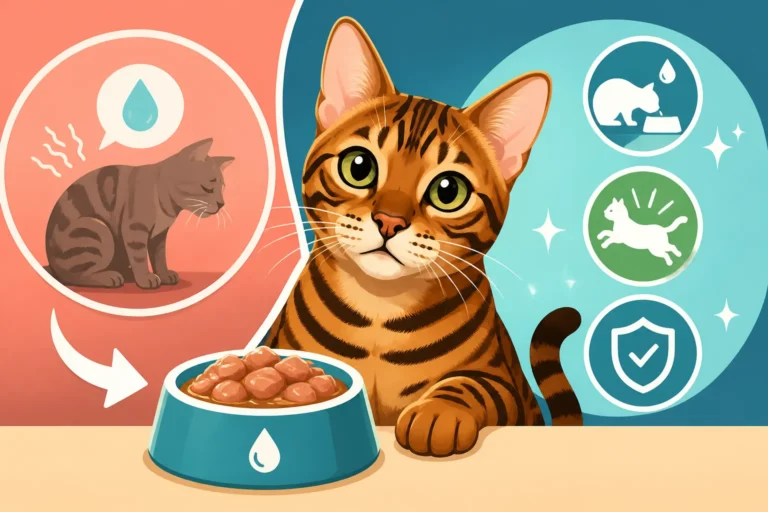
- Cons: Typically higher in carbohydrates than wet food, lower in moisture content (which can be a concern for urinary tract health, especially since cats are not naturally big drinkers), and often contains more fillers.
If you choose kibble, look for a high-quality, high-protein formula with minimal fillers. Even the best kibble still benefits from supplementing with wet food to ensure adequate hydration.
Wet Food:
- Pros: High moisture content (excellent for hydration and kidney health), often higher in animal protein and lower in carbohydrates, generally more palatable for cats, and can aid in satiety.
- Cons: More expensive, spoils quickly if left out, and requires more frequent serving.
For a Bengal with a Why a Bengal Cat's Gut Is So Sensitive or prone to issues like chronic diarrhea, wet food is often recommended due to its digestibility and moisture content. It's often the cornerstone of a diet aimed at keeping their digestion happy.
Raw and Home-cooked Options
Some Bengal owners opt for raw or home-cooked diets, believing these most closely mimic what a wild cat would eat.
Raw Diet:
- Pros: Can be extremely high in fresh, unprocessed protein and moisture, aligns with a cat's ancestral diet, and many owners report improved coat quality, energy levels, and smaller, less odorous stools.
- Cons: Requires careful balancing of nutrients to avoid deficiencies (which can be serious), poses potential risks of bacterial contamination (for both cat and human), and can be time-consuming and expensive to prepare correctly. It's crucial to consult with a veterinary nutritionist if considering a raw diet to ensure it's complete and balanced. The question of Whether a Raw Diet Suits a Bengal Cat's Gut is a complex one, and not without its passionate advocates and critics.
Home-cooked Diet:
- Pros: Allows for complete control over ingredients, beneficial for cats with severe allergies or sensitivities, similar to raw in terms of fresh ingredients.
- Cons: Similar to raw, it requires extensive research and consultation with a vet nutritionist to ensure nutritional completeness. It's incredibly difficult to perfectly balance vitamins and minerals without expert guidance, which could lead to long-term health problems.
Always approach raw or home-cooked diets with caution and professional guidance. It's not something to jump into lightly.
| Food Type | Protein Content (Typical) | Moisture Content (Typical) | Carbohydrate Content (Typical) | Pros | Cons |
|---|---|---|---|---|---|
| Dry Kibble | Moderate to High (30-45%) | Low (5-10%) | Moderate to High (25-50%) | Convenient, affordable, helps dental surface | Low moisture, often high carbs/fillers, can contribute to dehydration |
| Wet Food | High (40-60%) | High (70-80%) | Low to Moderate (5-20%) | Excellent hydration, high protein, palatable, digestible | More expensive, spoils quickly, needs frequent serving |
| Raw/Fresh | Very High (50-70%+) | Very High (60-75%+) | Very Low (0-10%) | Ancestral diet, highly digestible, fresh ingredients | Requires precise balancing, bacterial risk, time-consuming, expensive, not for all cats/owners |
Feeding Schedules and Portion Control
Once you've chosen the right food, the next step is figuring out how much to feed and when. This is where the "fueling the activity" aspect truly comes into play.
Determining Caloric Needs for a Bengal Cat
The general guideline for adult cats is typically around 20-35 calories per pound of body weight per day, but for an active Bengal, you might find yourself closer to the higher end, sometimes even exceeding it. A young, spayed/neutered adult Bengal weighing 10-12 pounds might need anywhere from 250 to 450 calories daily, depending on their individual metabolism and activity.
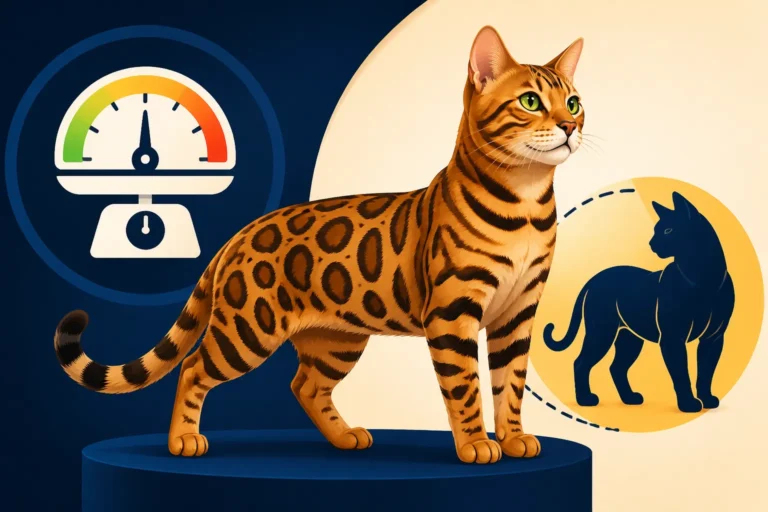
However, these are just starting points. The best way to determine your Bengal's ideal caloric intake is by monitoring their body condition. You should be able to feel their ribs easily without seeing them protruding, and they should have a discernible waistline when viewed from above. Their energy levels should be consistently high, and their coat shiny. If your Bengal seems lethargic or is gaining/losing weight, it's time to adjust their food intake or consult your vet. Manufacturers provide feeding guidelines on their packaging, but these are averages; your Bengal's specific needs might be different. What a Bengal Cat Weighs is important here, as is assessing their activity level.
Meal Frequency and Portion Control Strategies
Due to their high metabolism and propensity for activity, most Bengals do best with multiple small meals throughout the day rather than one or two large ones. This mimics their natural hunting behavior (multiple small kills) and helps keep their energy levels stable, preventing dramatic spikes and dips.
- For Kittens: 3-4 small meals a day are ideal to support their rapid growth and high energy.
- For Adults: 2-3 meals a day works well for many, with some owners opting for automated feeders to provide smaller portions more frequently, even when they're not home.
- Free Feeding (Kibble Only): While convenient, this isn't always recommended, especially if your Bengal is prone to overeating or if you have multiple cats. If you do free-feed kibble, ensure it's a high-quality, low-carb option and monitor their weight closely.
Puzzle feeders are an excellent tool for Bengals, turning mealtime into a mental and physical challenge. They slow down eating, provide enrichment, and make your Bengal "work" for their food, channeling some of that innate hunting drive. You can find a vast array of engaging puzzle feeders on platforms like Amazon or Chewy. Distributing their daily food allowance across several puzzle feeders placed around the house can provide hours of entertainment and satisfy their foraging instincts.
Recognizing and Addressing Nutritional Challenges
Even with the best intentions and highest quality food, Bengal cats can sometimes present unique nutritional challenges. Being vigilant about changes in their weight, appetite, or digestive health is key to keeping them in top form.
Underweight vs. Overweight Bengals
It might seem counterintuitive for such an active breed, but Bengals can absolutely become underweight or overweight, each presenting its own set of concerns.
Underweight: An underweight Bengal, despite eating, might indicate that their caloric intake isn't matching their energy expenditure, or it could signal an underlying health issue. If your Bengal is too thin (ribs, spine, and hip bones are easily visible and prominent), consider increasing their food portions, transitioning to a more calorie-dense food, or adding high-quality wet food to their diet. Persistent thinness warrants a vet visit to rule out parasites, malabsorption issues, or other medical conditions. Conditions like What Tritrichomonas Does to a Bengal Cat or Chronic Diarrhea Is the Bengal Cat Complaint Nobody Warns About can certainly lead to weight loss despite a good appetite.
Overweight: While less common for younger, highly active Bengals, an older or less active Bengal can still pack on the pounds. An overweight cat is at higher risk for diabetes, joint problems, and heart disease. If your Bengal feels "squishy" around the middle, has no discernible waist, or you can't easily feel their ribs, it's time to adjust their diet. Reduce portion sizes, switch to a lower-calorie, high-protein wet food, and increase playtime. Puzzle feeders can also help slow down eating and provide mental stimulation during a diet. Remember, a Bengal should be muscular and lean, not chunky. How to Slim an Overweight Bengal Cat usually involves a careful balance of diet and exercise.
Digestive Sensitivities and Specialized Diets
Bengal cats are notorious for their sensitive digestive systems. Many owners report issues like chronic diarrhea, soft stools, or vomiting, which can be frustrating and concerning. Their unique gut microbiome, perhaps inherited from their wild ancestors, seems to be less tolerant of certain ingredients found in many commercial cat foods.
- Food Allergies/Intolerances: Common culprits include chicken, beef, dairy, or grains. If you suspect a food sensitivity, your vet might recommend a food trial using a novel protein (e.g., duck, venison, rabbit) or a hydrolyzed protein diet. This involves feeding only the new diet for several weeks to see if symptoms resolve.
- Probiotics and Prebiotics: Supplements designed to support gut health can be very beneficial for Bengals with sensitive stomachs. These can help balance the beneficial bacteria in their digestive tract. Many high-quality cat foods, especially those found on Chewy or other specialty retailers, include these.
- Limited Ingredient Diets (LID): These diets contain a minimal number of ingredients, making it easier to identify and avoid potential allergens. If your Bengal struggles with recurring digestive upset, a vet-prescribed LID might be the answer.
- Hydration: Ensuring adequate water intake is paramount for digestive health. Providing multiple water bowls, a cat drinking fountain, and feeding plenty of wet food can help prevent issues.
Always consult your veterinarian if your Bengal cat is experiencing persistent digestive problems. They can help diagnose the root cause and recommend the most appropriate dietary changes or treatments. Sometimes, it's not just food, but parasites like What Tritrichomonas Does to a Bengal Cat that need specific medical intervention.
Feeding a Bengal cat appropriately is a crucial aspect of their care, directly impacting their energy levels, health, and happiness. By understanding their unique needs as an active, carnivorous breed, focusing on high-quality protein and moisture-rich foods, and adjusting portions to their specific life stage and activity, you can ensure your stunning mini-leopard thrives for years to come. It's a commitment, but one that pays off in endless purrs, playful antics, and a deeply rewarding companionship.
Disclaimer
This article is for general informational purposes only and does not constitute professional advice. Laws, prices and regulations vary by location and change over time. Consult a qualified professional for guidance on your specific situation.