How Much a Bengal Cat Enjoys Being Groomed
If you've ever tried to brush a typical house cat, you know it can be a wrestling match. Now, imagine a cat with all the energy and wild instincts of a Bengal. You might be wondering if grooming a Bengal cat is an Olympic sport, or if they secretly enjoy being pampered. The truth is, while Bengal cats are generally fastidious creatures who take great pride in keeping themselves clean, their enjoyment of human-led grooming sessions can vary wildly, often depending on how you introduce it and their individual personality. This guide will dive deep into what grooming means for a Bengal, how to make it as stress-free as possible, and what to expect from your beautiful, wild-looking companion.
The Bengal Cat's Coat: A Quick Overview
Before we even talk about grooming, it's crucial to understand what makes a Bengal cat's coat so special. It's not just "fur"; it's a unique characteristic that sets them apart and influences their grooming needs.
Why a Bengal Cat's Coat Feels Like Nothing Else
One of the first things people notice about a Bengal cat is their coat. It's often described as feeling like "silk" or "a pelt," and that's no exaggeration. Unlike many domestic shorthairs that have a thick, sometimes coarse, outer coat and a dense undercoat, Bengal cats possess a remarkably sleek, soft, and close-lying coat. This unique texture comes directly from their wild ancestor, the Asian Leopard Cat, which has a single coat designed for minimal drag and maximum efficiency in its natural environment.
This means a Bengal's coat lacks the fluffy, woolly undercoat that often traps loose hair, dander, and dirt in other breeds. When you run your hand over a Bengal, it feels incredibly smooth and dense, almost like velvet. This isn't just a tactile pleasure; it means their coat is less prone to tangles and mats, even if they're particularly adventurous. This characteristic also means they usually don't need the extensive brushing that many other breeds do. Their natural self-grooming is highly effective at keeping their pristine appearance.
What the Glitter Gene Does to a Bengal Cat
Beyond the luxurious texture, many Bengal cats possess another fascinating genetic trait: glitter. This isn't actual glitter sprinkled on their coat, of course, but a genetic mutation that causes the individual hair shafts to be hollow and translucent. When light hits these translucent hairs, it refracts and creates a shimmering, iridescent effect, as if their coat has been dusted with gold, silver, or pearl. It's truly spectacular and contributes to their wild, exotic look.
The glitter gene is most evident in direct sunlight, where their coat can literally sparkle. It adds another layer to their already stunning appearance and is highly sought after in the breed standard. From a grooming perspective, glitter doesn't change the texture or maintenance needs of the coat. It's a visual characteristic that enhances their natural beauty without adding to your grooming chores. In fact, many Bengal enthusiasts adore the glitter effect, appreciating how it makes their cat look even more magnificent and unique. What the Glitter Gene Does to a Bengal Cat explores this phenomenon in more detail.
How Little a Bengal Cat Sheds for a Shorthair
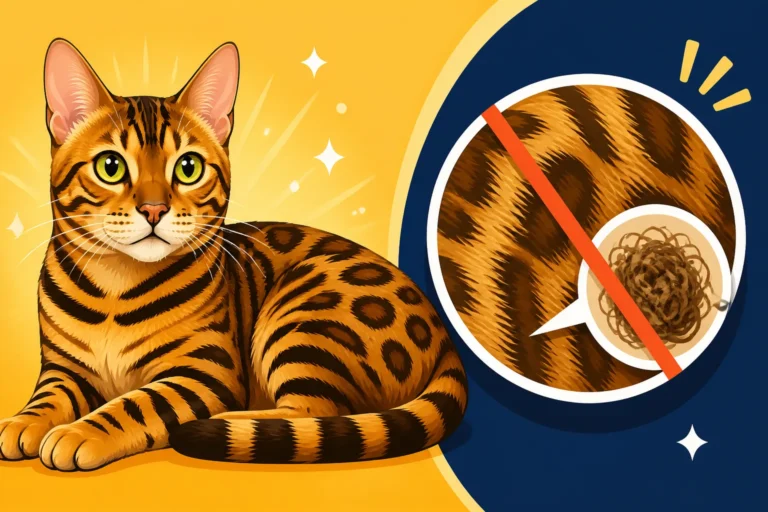
One of the most appealing aspects of the Bengal coat for many owners is its surprisingly low shedding. While no cat is truly "non-shedding" (they all shed some hair), Bengals shed considerably less than many other shorthaired breeds. This goes back to their lack of a dense undercoat. Less undercoat means fewer hairs to fall out and coat your furniture, clothes, and floor.
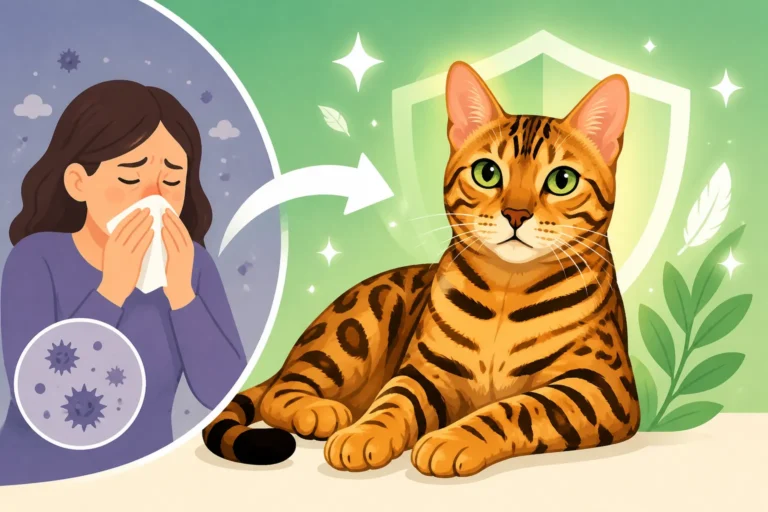
For owners, this translates into less vacuuming and generally cleaner homes. It also means that routine brushing isn,t as critical for managing shedding as it might be with other cats. You won't find tumbleweeds of Bengal hair rolling across your floor, which is a welcome relief for many cat lovers. While they still shed, especially during seasonal changes, it's far more manageable. This minimal shedding also leads some to mistakenly believe Bengals are hypoallergenic, but while they might be better tolerated by some allergy sufferers due to less dander being trapped in a dense coat, they still produce the Fel d 1 protein that triggers allergies.
Natural Grooming and the Bengal's Water Fascination
Bengal cats are inherently clean animals, often spending a good portion of their day meticulously grooming themselves. This self-sufficiency is a hallmark of the breed, influenced by their wild heritage.
The Bengal's Innate Cleanliness
Like most felines, Bengals are incredibly fastidious. They will spend hours licking and preening their coats, ensuring every spot is in perfect order. Their rough tongues act like natural combs, removing loose hairs, dirt, and any foreign particles. This constant self-maintenance keeps their unique pelt-like coat in pristine condition, looking shiny and feeling soft. For a Bengal, cleanliness isn't just about aesthetics; it's a deeply ingrained instinct linked to survival. In the wild, a clean coat helps them blend in, manage body temperature, and remove scent trails that could alert predators or prey.
This natural grooming routine means that, for the most part, your Bengal will do an excellent job of keeping themselves clean. You'll often see them contorting into impressive positions to reach every part of their body, from their ears to their tail tip. This is why many Bengal owners find that their cats rarely need a full bath, unless they've gotten into something truly messy. Their dedication to self-grooming is a testament to their wild ancestry and an impressive display of feline hygiene.
Why a Bengal Cat Loves Water
One of the most famous and often surprising traits of the Bengal cat is their unusual fascination, and often enjoyment, of water. Unlike many domestic cats who view water with suspicion or outright terror, Bengals can be found playing in sinks, batting at dripping faucets, or even joining their humans in the shower or bath. This aquatic affinity also stems from their Asian Leopard Cat ancestors, who are known to be comfortable around water and may even fish.
This love for water can sometimes extend to their grooming routine. While they might not be bathing themselves in the human sense, their interactions with water can certainly contribute to their cleanliness. A Bengal happily splashing in a sink or playing with a running tap might inadvertently be rinsing off dust or loose hairs. Some Bengals might even tolerate a quick rinse if introduced gently and positively from a young age. However, don't confuse this water love with enjoying a traditional "bath" every time. It's more about play and exploration. Why a Bengal Cat Loves Water delves into this intriguing aspect of their personality.
When Self-Grooming Isn't Enough
While Bengals are excellent self-groomers, there are times when they might need a little extra help. For instance, if your adventurous Bengal manages to roll in something particularly sticky, muddy, or smelly after an outdoor catio session, a bath might be unavoidable. Even with their minimal shedding, sometimes a good brushing can help remove excess loose hairs, especially during seasonal changes, and distribute their natural skin oils, enhancing their coat's shine.
As Bengals age, their flexibility and energy levels might decrease, making self-grooming more challenging. Senior Bengals, like senior humans, can become stiff and might struggle to reach certain areas, leading to a duller coat or even matted patches, though matting is rare with their coat type. In these cases, gentle brushing and wiping become more important. Similarly, if your Bengal has mobility issues or an illness, you might need to step in more frequently to ensure their hygiene is maintained. It's important to monitor their self-grooming habits throughout their lives to know when to lend a paw.
Essential Grooming Tasks for Your Agile Companion
Even with their excellent self-grooming, there are specific areas where your Bengal will benefit greatly from your assistance. These aren't just about aesthetics but play a crucial role in their overall health and well-being.
Nail Care: Keeping Those Claws in Check
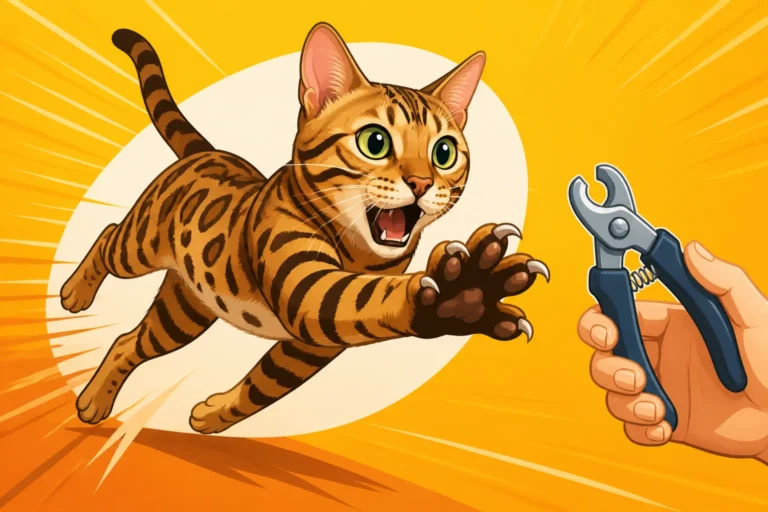
Bengal cats are incredibly active and agile, and their claws are essential tools for climbing, jumping, and playing. However, those sharp claws can also cause damage to furniture and inadvertently scratch you during enthusiastic play. Regular nail trimming is therefore a non-negotiable part of Bengal care. While their claws are constantly growing, they also wear down naturally through scratching on posts and climbing. However, the quick (the pink part of the nail containing blood vessels and nerves) also grows longer if not trimmed, making future trims harder. Why a Bengal Cat's Claws Outrun the Clippers explains this growth phenomenon.
Ideally, you should aim to trim your Bengal's nails every 2-4 weeks, depending on how quickly they grow and how much they use their scratching posts. Introducing nail trims early in kittenhood makes a world of difference. Start with short, positive sessions, just trimming one or two nails at a time, followed by treats and praise. Use sharp, cat-specific clippers to ensure a clean cut, and be careful to only snip the very tip, avoiding the quick. If you accidentally cut the quick, a little styptic powder will quickly stop any bleeding. Providing plenty of scratching opportunities, like tall, sturdy cat trees and horizontal scratchers, will also help them maintain their claws between trims and redirect their natural urges away from your sofa. You can find excellent clippers and styptic powder on platforms like Amazon or Chewy.
Oral Hygiene: Battling Dental Disease
Dental disease is one of the most common health issues in cats, and Bengals are no exception. Just like humans, plaque and tartar can build up on their teeth, leading to gingivitis, painful extractions, and even systemic health problems if bacteria enter the bloodstream. Relying solely on dry kibble or dental treats is often not enough to prevent these issues. Regular dental care at home, coupled with professional veterinary cleanings, is paramount.
The gold standard for feline oral hygiene is brushing their teeth daily or at least several times a week. This might sound daunting with a high-energy Bengal, but again, starting young and making it a positive experience with flavored feline toothpaste (never human toothpaste!) can yield great results. Introduce the toothbrush gradually, first letting them lick the toothpaste, then gently rubbing it on their gums. If full brushing proves impossible, dental wipes, oral rinses, or veterinary-approved dental diets can offer some benefit. However, be realistic about what these can achieve compared to brushing. Your vet can advise on the best approach for your individual Bengal and discuss when professional cleanings might be necessary. How Often a Bengal Cat Needs a Dental is a great resource for understanding veterinary dental recommendations.
Ear and Eye Checks: Spotting Issues Early
Regular visual checks of your Bengal's ears and eyes should be a routine part of your care, even if they don't enjoy direct grooming. Bengals typically have large, expressive ears, and while generally clean, they can accumulate a little wax or debris. A quick peek inside their ears a few times a month is usually sufficient. If you notice a small amount of light brown wax, you can gently wipe the outer folds with a soft, damp cloth or a cotton ball. Never use cotton swabs inside the ear canal, as this can push debris deeper or damage delicate structures. Watch for excessive dark discharge, a foul odor, redness, swelling, or if your cat is scratching their ears or shaking their head excessively – these are signs of ear mites, infection, or allergies and warrant a vet visit.
Their eyes, like their coats, are usually bright, clear, and require minimal intervention. However, a quick check for any discharge, redness, squinting, or cloudiness is a good habit. A small amount of clear discharge is usually normal, but persistent tearing, thick discharge, or any changes in eye appearance should be evaluated by your veterinarian. Most healthy Bengals won't need specific eye cleaning, but these regular checks are vital for early detection of potential health problems.
Transforming Grooming into a Bonding Experience
While "enjoying" grooming might be a strong word for many Bengals, transforming these necessary tasks into positive, bonding experiences is absolutely achievable with the right approach. It's less about them loving the brush and more about them trusting you during the process.
Starting Early: The Kitten Advantage
The single most effective strategy for making grooming tolerable, and perhaps even enjoyable, for your Bengal is to start early. When you bring home a Bengal kitten, typically around 12-16 weeks old, they are in a critical socialization period. This is the prime time to introduce them to gentle handling, nail trims, and even tooth brushing. The younger they are, the more adaptable and less fearful they will be of new sensations.
Begin with very short, positive sessions. Just holding them gently, touching their paws, ears, and mouth, and giving them treats. Gradually introduce a soft brush for a few strokes, then stop and reward. Don't try to accomplish a full grooming session all at once. The goal is to create positive associations – the feeling of being handled equals yummy treats and gentle praise. Consistency is key; make it a regular part of your daily routine, even if it's just for a minute or two, so it becomes a normal part of their life. Kittens are naturally curious, and you can harness that curiosity to make grooming an adventure rather than a chore.
Positive Reinforcement and Patience
Positive reinforcement is your best friend when it comes to grooming a Bengal. These intelligent cats respond incredibly well to rewards and praise. Every time they tolerate a brush stroke, a paw being held, or a quick ear check, immediately follow with something they value: a favorite high-value treat (think freeze-dried chicken, a dab of tuna paste, or a special salmon oil treat), verbal praise in a soothing voice, or a brief play session with their favorite wand toy.
Keep grooming sessions short, especially in the beginning. Five minutes of positive interaction is far more effective than 20 minutes of struggle that ends with both of you stressed. If your Bengal starts to show signs of discomfort or resistance (tail lashing, flattened ears, struggling), stop immediately. Pushing them past their comfort zone will only create negative associations and make future sessions harder. Patience is paramount. Some days might be better than others, and that's okay. Building trust and positive associations takes time and consistency, but it's an investment that pays dividends in a happier, more cooperative cat.
Reading Your Bengal's Signals
Bengals, like all cats, communicate through subtle body language. Learning to read these signals is vital for successful, stress-free grooming. A relaxed Bengal will have soft eyes, ears pointed forward, a loose body posture, and a gently swishing tail. They might even purr. These are the moments when grooming can be most effective.
However, if you see their ears flattening against their head, pupils dilating, tail thumping rapidly, body tensing, or if they start to growl or hiss, these are clear signs of stress, fear, or irritation. Pushing past these signals is a recipe for a scratched hand and a cat who becomes increasingly fearful of grooming. Respect their boundaries. If they're clearly not having it, take a break. Try again later, or even the next day, and adjust your approach. Perhaps shorten the session, use more treats, or try a different time of day when they're naturally more relaxed. Building a trusting relationship means understanding when they've had enough.
The Right Tools for the Job: Making Grooming Easier
Having the correct tools can make a significant difference in the ease and effectiveness of your Bengal's grooming routine. Not all brushes or clippers are created equal, and some are better suited for a Bengal's unique needs.
Brushes and Combs: Minimalist Approach
Given their sleek, short coat and minimal shedding, Bengal cats don't typically require an extensive arsenal of grooming brushes. In fact, aggressive brushing can sometimes be uncomfortable on their sensitive skin.
Here's what generally works best:
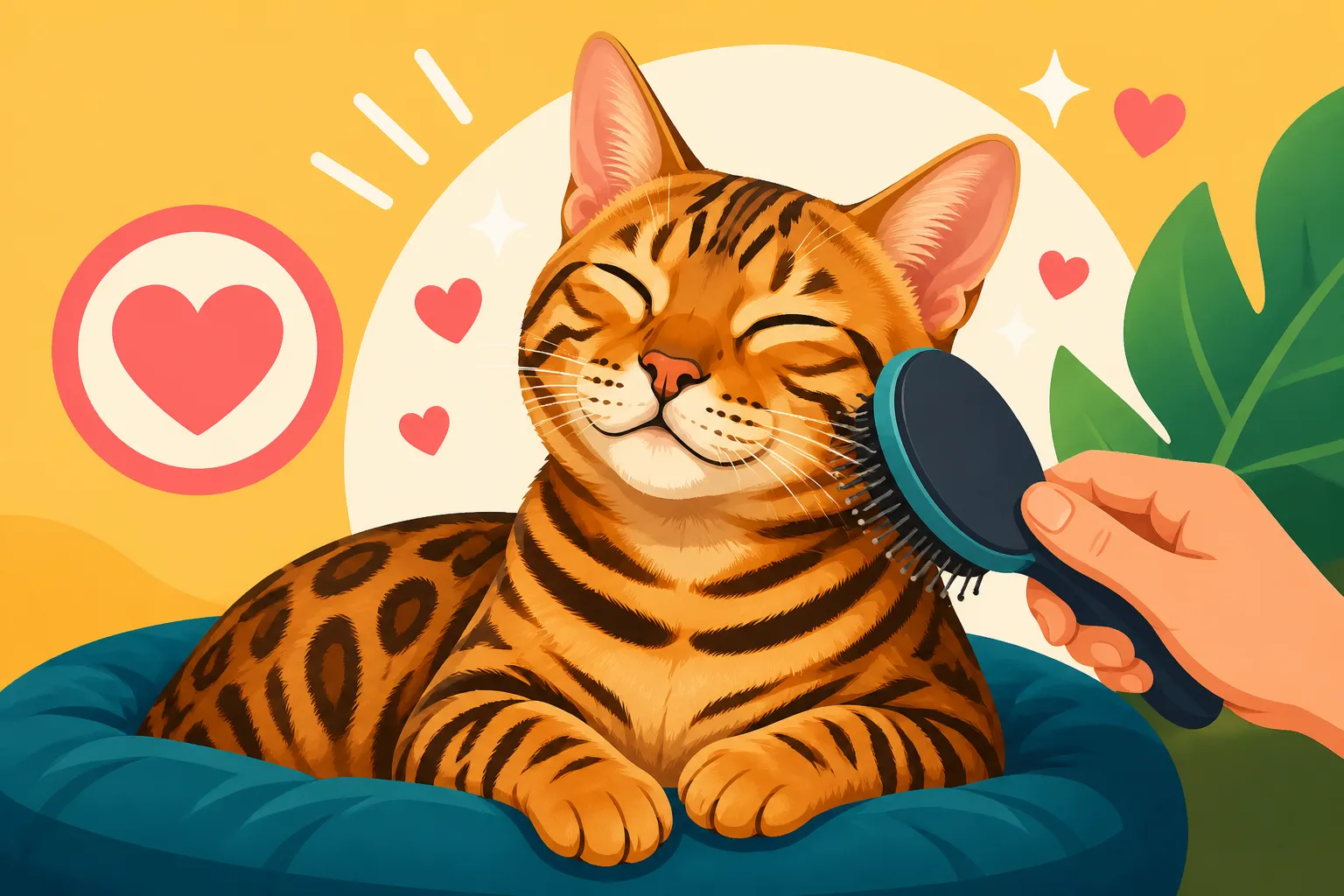
- Rubber Curry Brush or Grooming Glove: These are fantastic for Bengals. The soft rubber bristles massage the skin, stimulate blood flow, and effectively capture loose hair without pulling or causing discomfort. Many Bengals actually enjoy the sensation of a gentle massage from these tools, especially if introduced positively. A grooming glove allows you to "pet" your cat while simultaneously removing loose fur, making it feel less like a chore and more like affection. You can find many options for these on Chewy or Amazon. Which Brush a Bengal Cat Will Tolerates explains more.
- Fine-toothed Comb or Flea Comb: While not for daily use, a fine-toothed comb can be useful for occasional checks for fleas or to gently remove any stubborn debris that might cling to their short coat. Use it sparingly and with great care, as it can pull if not used gently.
- Slicker Brush (Use with Caution): For most Bengals, a slicker brush with its wire bristles is overkill and can be too harsh. However, if your Bengal somehow gets a small, rare mat or a particularly stubborn tangle (highly unlikely with their coat type), a slicker brush might be used very gently to tease it out, but it's not a general grooming tool for them.
The key is gentleness and selecting tools that are comfortable for your cat. Less is often more with a Bengal's coat.
Clippers and Dental Aids
Beyond brushes, you'll need specialized tools for nail and dental care.
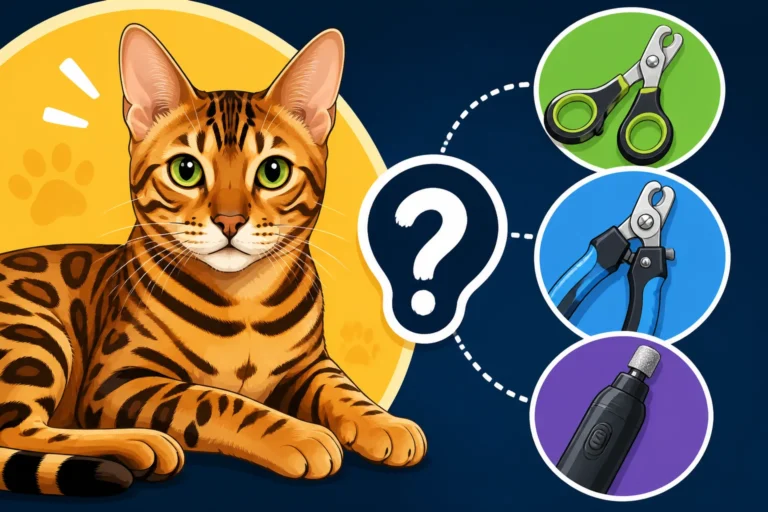
- Nail Clippers: There are two main types of cat nail clippers: scissor-style and guillotine-style.
- Scissor-style: Often preferred for kittens and smaller cats, these work like tiny scissors with a notch for the nail. They offer good visibility of the nail.
- Guillotine-style: These have a small hole where you insert the nail, and a blade slides to cut the tip. Some owners find these easier for quick, precise cuts on adult cats.
Regardless of style, ensure your clippers are sharp to prevent crushing the nail, which can be painful. Many brands offer ergonomic designs that are easy to hold. Don't forget Styptic Powder! Keep it on hand in case you accidentally cut the quick, as it quickly stops bleeding and provides pain relief. This is a must-have for any cat owner.
- Dental Aids:
- Finger Toothbrushes or Small Cat Toothbrushes: These are specifically designed with soft bristles to fit a cat's mouth. The finger toothbrushes slip over your finger, offering more control.
- Feline Toothpaste: This is crucial. Never use human toothpaste, as it contains ingredients toxic to cats. Feline toothpaste comes in flavors cats often enjoy, like chicken or tuna, making the experience more palatable.
- Dental Wipes/Rinses: If brushing isn't feasible, dental wipes or oral rinses can help reduce plaque, though they are less effective than brushing.
- Dental Treats: While not a substitute for brushing, some treats are formulated to help reduce tartar buildup. Brands like Greenies or similar veterinarian-approved dental treats can be found on Chewy.
- Raw Bones? Some proponents of raw feeding suggest raw bones for dental hygiene. This can be contentious. Always discuss raw feeding, especially bones, with your vet, as there are risks of choking, broken teeth, or internal injury if not done correctly.
Specialty Products for Bengal Needs
While most of a Bengal's grooming needs are minimal, a few specialty products can be useful:
- Waterless Shampoo: For those inevitable (but rare) moments your Bengal gets genuinely dirty or greasy and a full bath is out of the question (or too stressful). Waterless shampoos come in foam or spray forms and allow you to clean small areas without water. Always choose a cat-specific formula.
- Ear Cleaner: Only use a veterinarian-approved ear cleaner if your vet advises it or if you notice mild wax buildup that a damp cloth can't handle. These solutions help break down wax and can be useful for Bengals prone to ear issues, but always consult your vet first to rule out infection.
- Paw Balm: If your Bengal enjoys outdoor adventures on a leash or in a catio, their paw pads can become dry or cracked. A natural, cat-safe paw balm can help keep them moisturized and comfortable.
By equipping yourself with the right tools, you can approach grooming with confidence, making the process smoother for both you and your dynamic Bengal.
Addressing Grooming Challenges
Even with the best intentions and the right tools, some Bengals might still resist grooming. It's important to understand why and have strategies in place to overcome these hurdles.
When Your Bengal Resists: Understanding the 'Why'
A Bengal cat resisting grooming isn't usually being "naughty" for the sake of it; there's almost always an underlying reason. Understanding the 'why' is the first step toward finding a solution.
- Fear or Past Trauma: If a Bengal had a negative grooming experience as a kitten (perhaps being held down forcefully or having a quick cut during nail trims), they might associate grooming with fear or pain. This can lead to a strong aversion that needs to be patiently undone.
- Pain or Discomfort: Any resistance to being touched in a particular area, especially if it's sudden, could indicate pain. This might be from an injury, arthritis (especially in older Bengals), skin irritation, or even dental pain if they resist mouth handling. If you suspect pain, a vet visit is essential to rule out medical issues.
- Lack of Socialization: A Bengal who wasn't introduced to handling and grooming as a kitten will naturally be more wary as an adult. They simply haven't learned to associate it with positive experiences.
- Personality: Just like people, cats have unique personalities. Some Bengals are simply more tolerant of handling than others. A highly independent or "spicy" Bengal might just be expressing their preference for minimal intervention.
- Incorrect Technique or Tools: Using a harsh brush, being too rough with clippers, or attempting to groom for too long can all contribute to resistance. Ensure your technique is gentle and your tools are appropriate and in good condition.
By observing your cat's reactions and considering their history, you can often pinpoint the reason for their resistance, which then guides your approach to help them.
Strategies for a Stubborn Bengal
When facing a Bengal who firmly opposes grooming, a multi-faceted approach is usually most effective. Giving up isn't an option for essential health tasks like nail trims!
- Gradual Desensitization and Counter-Conditioning: This involves slowly reintroducing grooming tasks while associating them with positive rewards.
- Start small: Simply show them the grooming tool, then give a treat. Put the tool away. Repeat.
- Increase proximity: Place the tool near them, treat. Touch the tool to their paw (or desired area), treat.
- Perform a tiny action: Clip one nail, treat. Brush one stroke, treat.
The key is to keep sessions incredibly short and stop before they show signs of stress. This might take days or even weeks, but it's about rebuilding trust and changing their emotional response.
- Distraction: For some Bengals, distraction is a powerful tool.
- Lick Mat: Spread a favorite wet treat (like a small amount of wet cat food, Churu paste, or plain yogurt) on a lick mat and offer it during grooming. The act of licking is calming and keeps their attention focused elsewhere.
- Puzzle Feeder: A puzzle feeder filled with high-value kibble can engage their intelligent minds while you perform a quick task.
- Play: A quick burst of intense play right before grooming can sometimes tire them out enough to be more amenable, or a favorite wand toy can be used by a second person as a distraction.
- The "Burrito" Method (for nail trims): If all else fails for nail trims, gently wrapping your Bengal in a towel (like a purrito!) can provide a sense of security and restrict movement, allowing you to quickly trim their nails with minimal fuss. Make sure the towel isn't too tight and they can breathe easily. Again, make it a positive experience by immediately releasing them and offering a reward afterward. This is a last resort for urgent needs, not a daily routine.
- Choose Your Battles: For non-essential grooming like brushing, if your Bengal truly despises it, and their coat is healthy, you might reduce its frequency. Focus on the critical tasks like nail trims and dental checks.
Consistency, endless patience, and positive reinforcement are your greatest assets when dealing with a stubborn Bengal.
Professional Grooming: A Last Resort?
Sometimes, despite your best efforts, certain grooming tasks remain too difficult or stressful for both you and your Bengal. In these situations, turning to a professional groomer or your veterinarian might be the most humane and effective option.
- When to Consider a Professional Groomer: If your Bengal consistently becomes highly stressed or aggressive during grooming, a professional groomer experienced with difficult cats can sometimes work wonders. They have specialized techniques, tools, and a calm, confident approach that can sometimes de-escalate a fearful cat. They can handle tricky tasks like nail trims, ear cleaning, and even full baths if truly necessary, often more efficiently and with less trauma than you might manage at home. However, finding a groomer who truly understands and works well with Bengals can take some research.
- Veterinary Assistance: For tasks like extensive dental cleaning, severely matted fur (again, rare for Bengals, but possible in extreme cases of neglect or illness), or if your cat needs sedation for grooming due to extreme fear or aggression, your veterinarian is the best resource. Many vet clinics offer grooming services, particularly for cats who require a medical setting or light sedation to ensure their safety and minimize stress. Sedation should always be a last resort and performed under veterinary supervision, as it carries risks, especially for cats with underlying health conditions. Whether a Bengal Cat Tolerates Anesthesia is a good read if you are considering this.
- Benefits and Drawbacks:
- Benefits: Reduces stress for you and your cat, ensures tasks are completed correctly, and can be safer for everyone involved.
- Drawbacks: Can be costly, requires transportation, and may still be stressful for the cat, even with professional handling. For some Bengals, the unfamiliar environment of a groomer or vet clinic can be even more frightening than home grooming.
Ultimately, the goal is your Bengal's health and well-being. If professional help ensures these needs are met without undue stress, it's a valuable option to consider.
| Grooming Task | Recommended Frequency | Key Tools Needed | Common Bengal Reaction | Tips for Success |
|---|---|---|---|---|
| Brushing | Weekly to Bi-weekly | Rubber curry brush, grooming glove | Tolerant, may enjoy massage | Short sessions, positive reinforcement |
| Nail Trimming | Every 2-4 weeks | Scissor-style or guillotine clippers, styptic powder | Often resistant, but manageable | Start young, high-value treats, "purrito" method |
| Dental Care | Daily to Several times/week | Finger toothbrush, feline toothpaste | Often resistant, takes patience | Introduce slowly, flavored toothpaste, vet checks |
| Ear Checks | Bi-weekly | Soft cloth or cotton ball | Generally tolerant | Gentle approach, watch for signs of discomfort |
| Eye Checks | Daily | None, just visual inspection | Generally tolerant | Quick visual checks during petting |
| Bathing | Rarely, as needed | Cat-safe shampoo, warm water | Often curious, can enjoy water | Introduce early, use positive associations with water |
Disclaimer
This article is for general informational purposes only and does not constitute professional advice. Laws, prices and regulations vary by location and change over time. Consult a qualified professional for guidance on your specific situation.