Which Clippers Suit a Bengal Cat
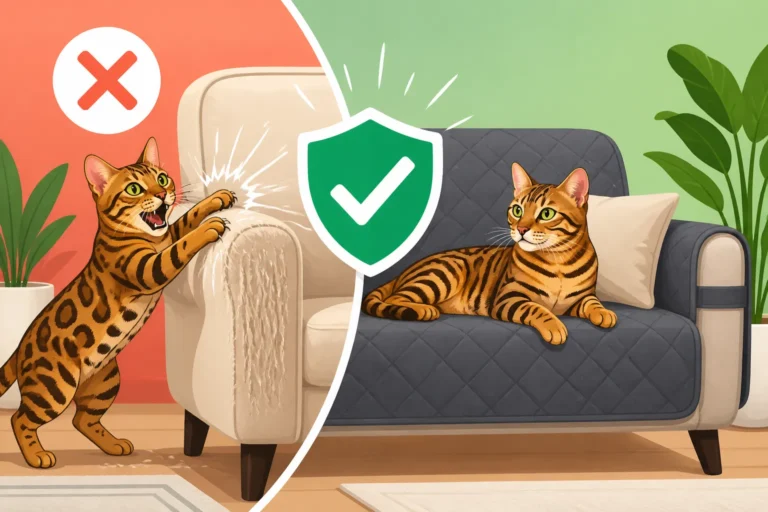
Tackling your Bengal cat's nails can sometimes feel like trying to wrangle a tiny, spotted wild animal – especially when they have an opinion about every single thing you do. Their claws are incredibly strong, grow surprisingly fast, and if you don't keep them in check, you'll end up with a shredded sofa, painful scratches, and a very unhappy Bengal. This guide is here to walk you through the world of clippers, helping you choose the right tools and techniques to make nail trimming a less stressful experience for both of you.
Understanding Your Bengal's Claws and the Trimming Challenge
Bengal cats are magnificent creatures, renowned for their sleek, muscular bodies and their wild-looking patterns. But beneath that beautiful exterior lies a formidable set of claws, designed for climbing, hunting, and exploring. Understanding the unique characteristics of their claws and why trimming them can be such a challenge is the first step to finding the right solution.
The Anatomy of a Bengal Cat Claw
A Bengal cat's claw is a marvel of natural engineering. It's sharp, retractable, and made for action. Each claw has two main parts: the outer keratin sheath, which is the visible, hard part, and the "quick." The quick is a soft, pinkish core that contains blood vessels and nerves. If you cut into the quick, it will bleed and be painful, which is a surefire way to make your Bengal dread future nail trims.
Unlike many domestic cats, Bengals often have exceptionally thick and strong nails, a trait that harks back to their wild Asian Leopard Cat ancestors. These nails are crucial for their adventurous lifestyle – climbing cat trees to dizzying heights, scaling shelves, and pouncing on toys with gusto. Because they're so active and their nails grow quickly, regular trimming is non-negotiable. If you've ever wondered How Fast a Bengal Cat's Claws Grow Back, you'll know it feels like almost instantly! Neglecting their nails can lead to them getting caught on carpets or furniture, causing pain, or even growing so long they curl back into the paw pad, leading to infection.
Why Nail Trimming Is a Battle for Bengals
Let's be honest, getting any cat to sit still for a nail trim can be a Herculean task, but with a Bengal, it can feel like you're going into battle. These cats are known for their high energy, intelligence, and often, their stubborn streaks. They are fiercely independent and don't appreciate being restrained or having their paws handled if they haven't been desensitized early on.
Their keen senses mean they are highly aware of sounds, smells, and sensations. A strange feeling on their paw, the slight pressure of clippers, or even the subtle "snip" sound can be enough to trigger their flight or fight response. Many Bengals, especially if not introduced to grooming early in life, associate nail trims with discomfort or forced restraint. This can lead to a vocal protest – your Bengal might emit a series of chirps, yowls, or even a full-blown "wild" cry, making the experience unsettling for everyone involved. What a Bengal Cat's Voice Sounds Wild truly captures this. It's not that they're being "bad"; they're simply reacting to what feels unnatural or threatening to them.
Types of Clippers for Bengal Cats
Navigating the array of nail clippers available can feel overwhelming, but understanding the different types and their suitability for your Bengal is key to making an informed choice. There isn't a one-size-fits-all answer, as what works for one Bengal might be completely rejected by another.
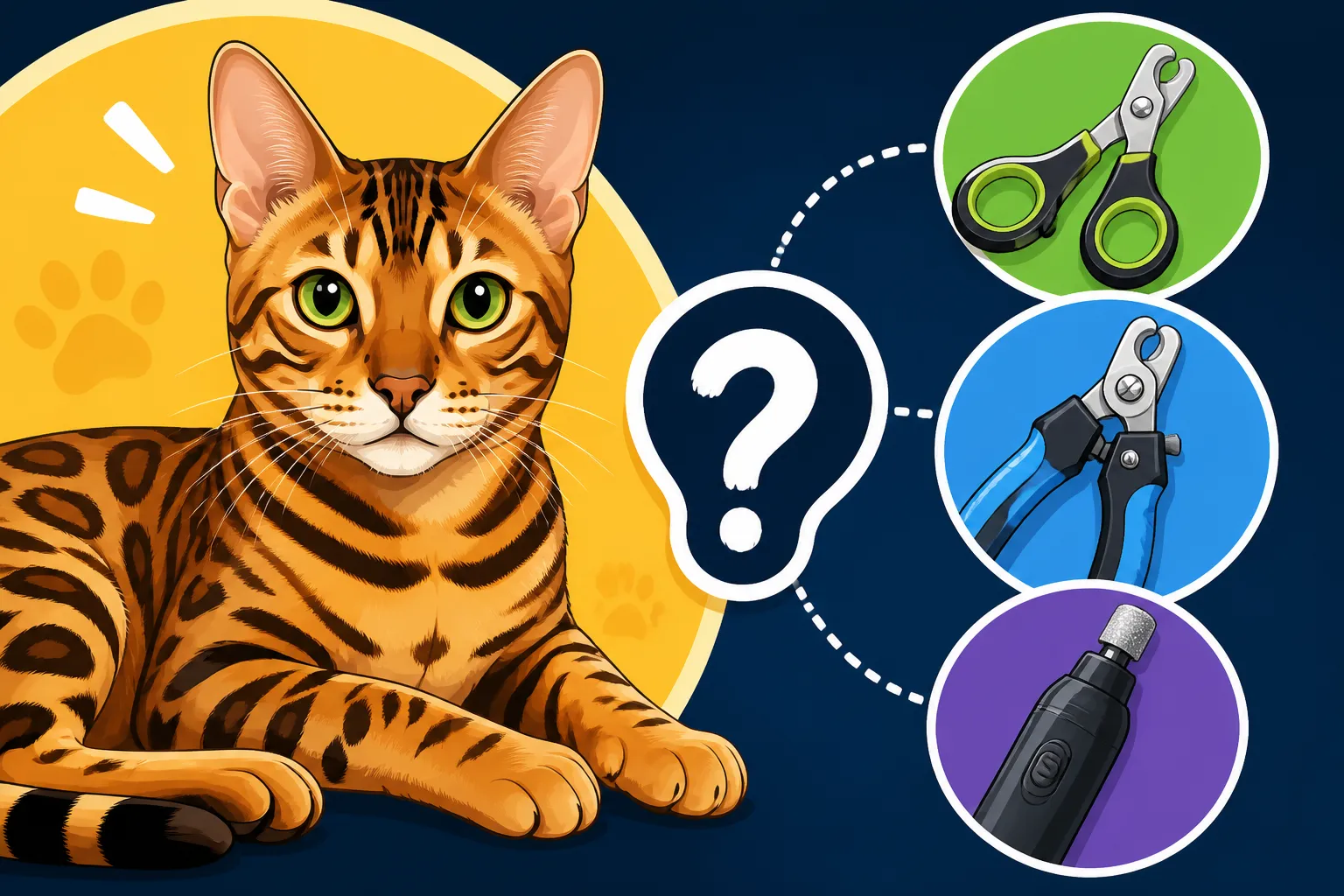
Scissor-Style Clippers
Scissor-style clippers are probably the most common type you'll encounter for cats. They look a lot like small scissors with curved blades.
- Pros: They are generally easy to handle, offering good visibility of the claw, which is crucial for avoiding the quick. Many come with comfortable, ergonomic handles, which is a blessing when you're trying to quickly and safely snip those active Bengal claws. They deliver a clean cut when sharp, minimizing the chance of splintering the nail, which can be painful and lead to further nail issues. They are also relatively quiet, which can be a huge advantage with sound-sensitive Bengals. You can find a wide variety of these on pet supply sites like Chewy.
- Cons: If they become dull, they can crush the nail rather than cut it, causing pain and splintering. This means you need to replace them periodically. Some designs might feel bulky in smaller hands, or not provide enough leverage for very thick Bengal claws.
- Best Used For: Most Bengals, especially if they are cooperative or you're experienced. They're excellent for precise, quick trims.
Guillotine-Style Clippers
Guillotine clippers work by inserting the cat's nail into a small hole, then squeezing the handle to bring a blade down, much like a miniature guillotine.
- Pros: They can be very effective and quick for some users, especially those who find the scissor grip less natural. The design can offer a powerful, clean cut with minimal effort when the blade is sharp.
- Cons: The main downside is that the hole can sometimes obscure your view of the quick, increasing the risk of cutting too far. Also, if the blade isn't perfectly aligned or is dull, it can pinch or splinter the nail. These clippers can be bulkier and might not be as comfortable for all hand sizes. For a Bengal that already doesn't like having its paws handled, the sensation of inserting the nail into the hole can be an additional stressor.
- Best Used For: Owners who prefer this specific mechanism and have a very calm, cooperative Bengal whose quick is easily visible. Not generally recommended for beginners.
Grinders (Dremels)
Nail grinders, often called Dremels after a popular brand, use a rotating abrasive head to file down the nail.
- Pros: Grinders eliminate the risk of cutting the quick if used properly, as you're gradually filing rather than cutting. This can be a huge relief for owners who are nervous about trimming too far. The smoothed edges can also prevent sharp points that can scratch. They are widely available, and you can find a good selection on platforms like Amazon, often with different head attachments.
- Cons: The biggest hurdles for Bengals are the noise and vibration. Many cats are highly sensitive to these sensations, and a grinder can be quite intimidating. It requires a longer session per nail compared to a quick snip, which means your Bengal needs to tolerate prolonged handling. There's also a learning curve to using a grinder effectively and safely. You need to be careful not to hold it on one spot for too long, as friction can create heat and cause discomfort. Some Bengals will simply never tolerate a grinder, no matter how much positive reinforcement you offer.
- Best Used For: Bengals that are either very tolerant, or those who have been introduced to the grinder gradually and positively from a young age. They are excellent for maintaining nail length without the stress of a "cut."
| Clipper Type | Pros | Cons | Best for Bengal Cats |
|---|---|---|---|
| Scissor-Style | Easy to use, good visibility, quiet, precise cuts. | Can become dull, less leverage for very thick nails. | Most Bengals, especially for quick, stress-free trims if your cat tolerates handling. |
| Guillotine-Style | Quick, powerful cut for some users. | Can obscure quick, risk of pinching/splintering, bulkier. | Cooperative Bengals with easily visible quicks; generally not for beginners. |
| Grinder (Dremel) | No risk of cutting quick, smooth finish. | Noise and vibration can be intimidating, longer sessions, learning curve. | Very tolerant Bengals, or those introduced early and positively; for gradual filing. |
What to Look For in a Bengal Cat Nail Clipper
Choosing the right clipper is more than just picking a type; it's about finding a tool that makes the job easier, safer, and less stressful for both you and your dynamic Bengal.
Sharpness and Blade Quality
This is paramount. A dull clipper, regardless of its style, is your enemy. A dull blade will crush or splinter the nail instead of making a clean cut. This is incredibly painful for your cat and can lead to anxiety and resistance during future trims. Imagine someone trying to cut your nails with dull scissors – it's just not pleasant.
Look for clippers made from high-quality stainless steel that explicitly state they are "sharp" or "precision ground." Some higher-end brands will even offer replaceable blades, which is a fantastic feature for scissor or guillotine styles, as it means you don't have to buy a whole new tool when the blades eventually dull. A sharp blade means a quick, clean snip, which reduces the time your Bengal needs to be held and minimizes discomfort.
Ergonomics and Safety Features
You'll be holding this tool, often with a wriggly cat in your lap, so your comfort and ability to control the clippers are crucial.
- Ergonomic Grip: Look for handles that fit comfortably in your hand, offering a non-slip grip. Rubberized handles are a great choice. This prevents accidental slips, which could lead to injury for your cat (or yourself!).
- Safety Guard: Some clippers, particularly scissor-style ones, come with an adjustable safety guard. This small metal plate helps prevent you from cutting too much of the nail, acting as a visual guide. While it's still important to always locate the quick, a safety guard can offer an extra layer of reassurance, especially if you're feeling nervous.
- Locking Mechanism: A locking mechanism keeps the blades closed when not in use, protecting both the blades from damage and your fingers from accidental nips. It also makes for safer storage.
- Spring Action: Many quality clippers have a spring-loaded mechanism that helps them open automatically after each cut. This makes for faster, smoother clipping, which is important when dealing with an impatient Bengal.
Size and Durability
The size of the clippers matters, especially for a Bengal cat. While they're generally larger than average domestic cats, their nails can still vary in thickness.
- Matching Nail Size: You want clippers that are appropriately sized for a cat's nails, not too large (like dog clippers) and not too small (like kitten clippers). A good set of cat clippers will be able to handle the robust nails of a Bengal without being unwieldy.
- Robust Construction: Bengals are energetic, and accidents happen. You want clippers that are durable enough to withstand being dropped occasionally. High-quality materials mean the clippers will last longer, remain sharp longer, and perform consistently. Don't be tempted by flimsy, cheap options; they often lead to frustration and a poor experience for your cat. Investing a little more upfront for a well-made tool can save you a lot of grief and money in the long run. Many trusted pet brands available on sites like Chewy offer durable options.
Best Practices for Trimming a Bengal Cat's Nails
Even with the best clippers, technique and a positive attitude are vital when it comes to grooming your Bengal. These cats are smart and sensitive, and consistency can make all the difference.
Creating a Positive Experience
The foundation of successful nail trims for a Bengal lies in positive association. This isn't a one-time fix; it's an ongoing process.
- Start Early: If you have a Bengal kitten, begin handling their paws gently from day one. Massage their toes, press gently to extend the claws, and offer treats and praise. Even if you're not clipping, just getting them used to the sensation will pay dividends. This is similar to the approach for How Young to Start Leash Training a Bengal Cat – early, consistent exposure.
- Choose the Right Time: Pick a moment when your Bengal is naturally relaxed, perhaps after a strenuous play session when they're winding down, or while they're sleepy on your lap. Avoid times when they're hyper, hungry, or stressed.
- Location, Location, Location: Find a quiet, comfortable spot where you both feel secure. A well-lit area is crucial so you can clearly see the quick. Avoid loud noises or distractions during the session.
- Treats Galore: High-value treats are your secret weapon. Offer a treat before you start, during the process (if possible), and definitely immediately after. This helps them associate nail trims with something positive. Choose excellent quality treats that your Bengal will love.
- Short and Sweet Sessions: Aim for very short sessions initially, even if you only manage to trim one or two nails at a time. The goal is to end on a positive note before your cat gets agitated. You can always do another session later. Over time, as your Bengal becomes more comfortable, you can gradually increase the number of nails you trim per session. Remember, patience is a virtue, especially with a Bengal!
The Right Technique
Having the right clippers is only half the battle; knowing how to use them effectively and safely is the other half.
- Hold the Paw Gently but Firmly: Support your Bengal's paw firmly but without squeezing too hard. Use your thumb on top of the paw and your index finger underneath to gently push on the toe pad, extending the claw fully.
- Identify the Quick: In light-colored claws, the quick will appear as a pinkish area inside the nail. With dark claws, it's much harder to see. If you can't see the quick, aim for just the very tip of the claw, where it starts to curve. It's always better to cut too little than too much.
- Small Snips: Make quick, decisive snips with your sharp clippers. Don't dither, as this can cause the nail to split or make your cat more anxious. Aim for a 45-degree angle, just past the quick.
- Have Styptic Powder Ready: Accidents happen, even to experienced owners. Keep styptic powder (available at most pet stores or online) close by. If you accidentally cut the quick, apply a small amount of the powder directly to the bleeding nail. It will quickly stop the bleeding and minimize discomfort.
Dealing with Resistance and Fear
It's inevitable that at some point, your Bengal might decide they are absolutely not in the mood for a nail trim. This is where patience, consistency, and a little creativity come in.
- Don't Force It: If your Bengal becomes overtly distressed – hissing, struggling violently, or attempting to bite – stop the session immediately. Forcing the issue will only create a stronger negative association, making future attempts even harder. Take a break, try again later, or even another day.
- Desensitization and Counter-Conditioning: If your Bengal has a strong negative reaction, you may need to go back to basics. Leave the clippers out and visible, but don't use them. Let your cat sniff them, then offer a treat. Gradually progress to touching the clippers to their paw, then pressing on a toe, all while offering praise and treats. This process can take weeks or even months, but it's worth it for a calmer experience.
- Enlist Help: Sometimes, having a second person to gently hold your Bengal (and distract them with treats!) while you focus on the clipping can be incredibly helpful. Make sure the holder is calm and comforting, not forceful.
- Wrap It Up: For truly resistant Bengals, a "purrito" wrap (gently wrapping your cat in a towel, leaving one paw exposed at a time) can sometimes help, but use this with caution. Some Bengals will still fight vigorously, and for them, it might be more stressful than helpful.
- Consider a Professional: If you've tried everything and your Bengal remains highly resistant, don't feel like a failure. Many professional groomers or veterinary technicians are adept at handling challenging cats and can perform nail trims efficiently and safely. They might even be able to offer tips for at-home training.
Alternative Solutions
While clippers are the primary tool, there are other strategies and considerations for managing your Bengal's formidable claws.
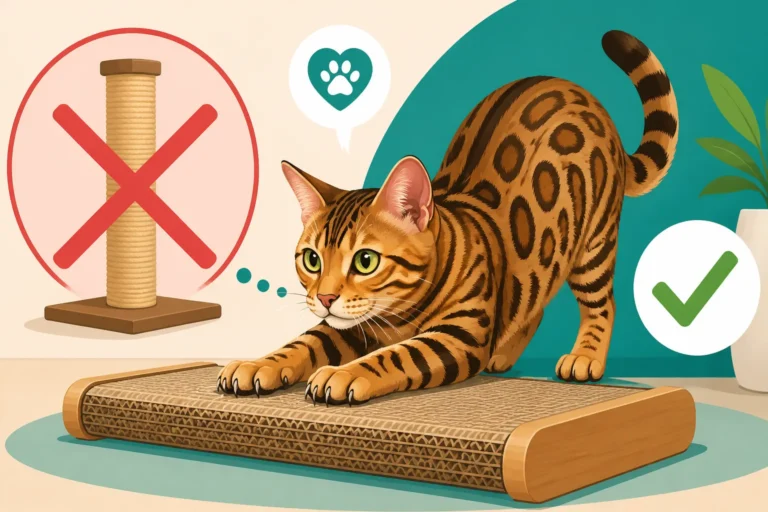
- Scratching Posts Galore: Bengals have a strong natural urge to scratch. Providing ample, appropriate scratching surfaces can help wear down the tips of their claws and satisfy their instincts. Invest in sturdy, tall scratching posts – your Bengal will prefer something they can stretch up fully against. Look for a variety of materials like sisal rope, cardboard, and wood. Which Scratching Post a Bengal Cat Needs will give you some excellent ideas.
- Nail Caps: These are soft vinyl caps that are glued onto your cat's claws. They effectively blunt the nails, preventing scratching damage to furniture or skin. They usually last 4-6 weeks before needing replacement as the nail grows. While some cats tolerate them well, others may try to chew them off. If your Bengal is particularly prone to damaging furniture, this could be an option.
- Enrichment and Play: A tired Bengal is a more cooperative Bengal. Ensure your cat gets plenty of physical and mental stimulation through interactive play, puzzle toys, and vertical climbing spaces. A Bengal that has burned off energy is often calmer and more amenable to grooming sessions. Remember, The Bengal Cat Is the Most Active Cat You Can Own, so meeting their needs is crucial for overall well-being and managing behavior.
Ultimately, finding the right clippers and developing a consistent, positive routine for nail trimming is an essential part of responsible Bengal cat care. It might take time and patience, but a well-maintained set of claws will lead to a happier, healthier Bengal and a more harmonious home for everyone.
Disclaimer
This article is for general informational purposes only and does not constitute professional advice. Laws, prices and regulations vary by location and change over time. Consult a qualified professional for guidance on your specific situation.