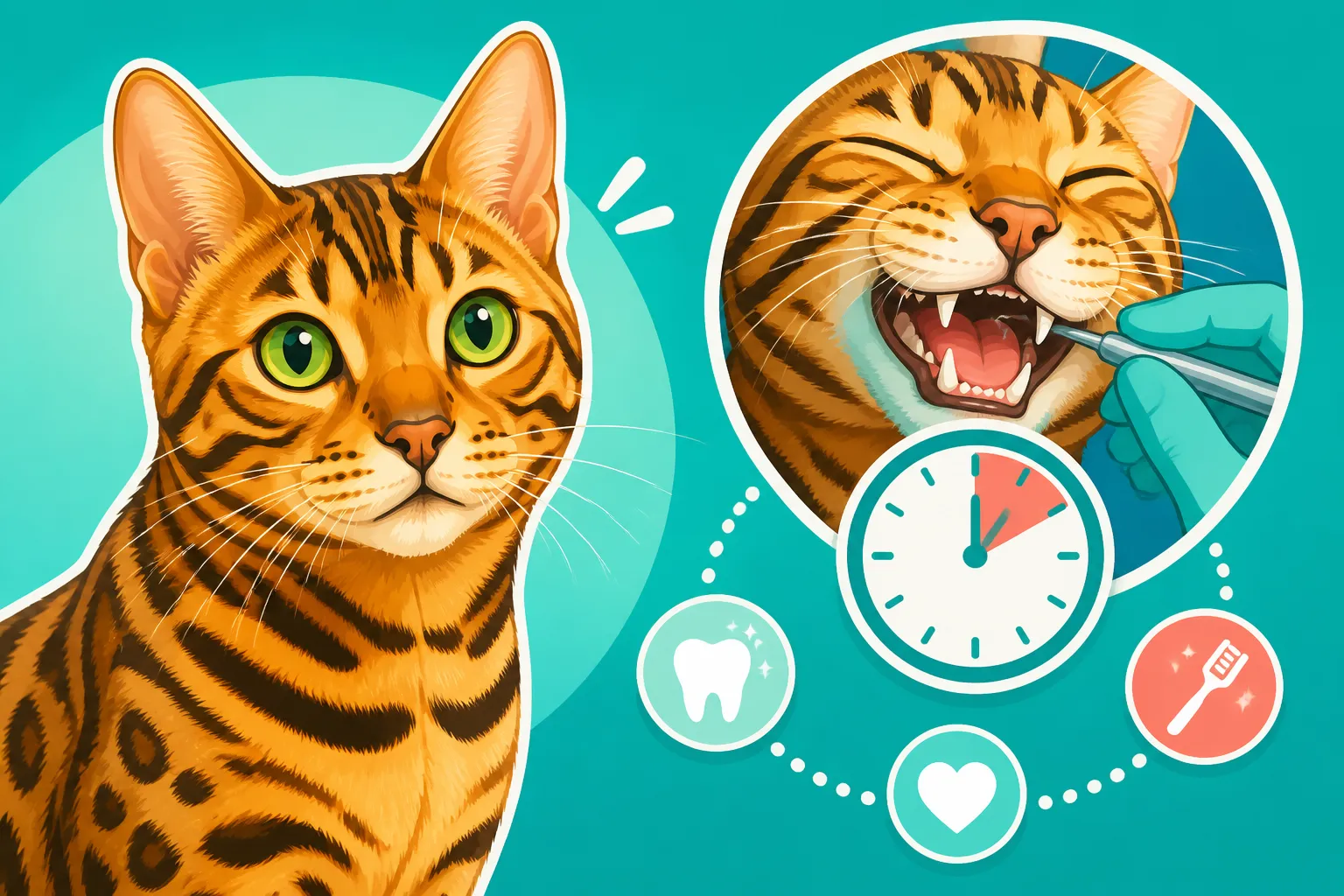
How Often a Bengal Cat Needs a Dental
Many Bengal cat owners, myself included, often find themselves wondering about the best way to keep those wild smiles sparkling. It’s easy to focus on their boundless energy and gorgeous coats, but dental health is a silent warrior in their overall well-being. This guide will walk you through understanding your Bengal's unique oral needs and establish a realistic timeline for dental care, both at home and with your trusted veterinarian, helping you keep their teeth healthy and strong for a long, happy life.
The Silent Threat of Dental Disease in Bengal Cats
It’s a common misconception that cats don’t need much dental care beyond what they do themselves. While our Bengals are meticulous groomers, their oral hygiene often goes unaddressed, leading to a host of problems that can severely impact their quality of life. Unlike dogs, cats are masters at hiding pain, and a Bengal, with its innate survival instincts, will often suffer in silence with dental issues until they become severe. This makes it incredibly hard for us, their loving guardians, to know there's a problem brewing until it’s advanced.
Why Dental Health Is So Critical for Bengals
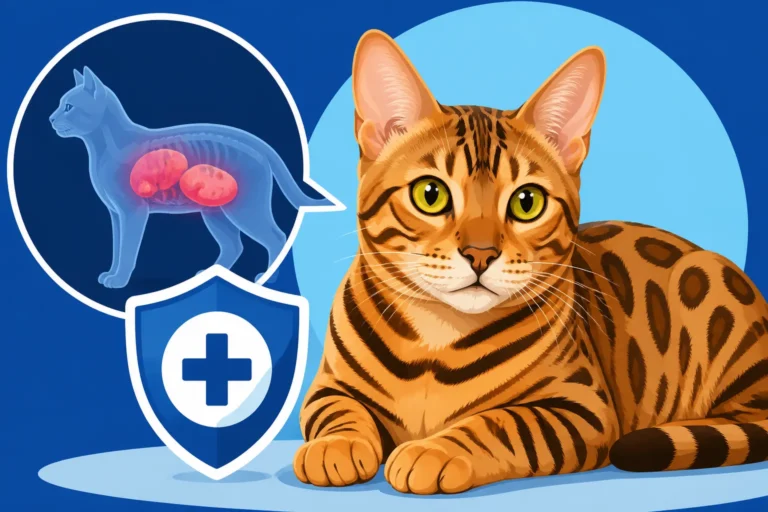
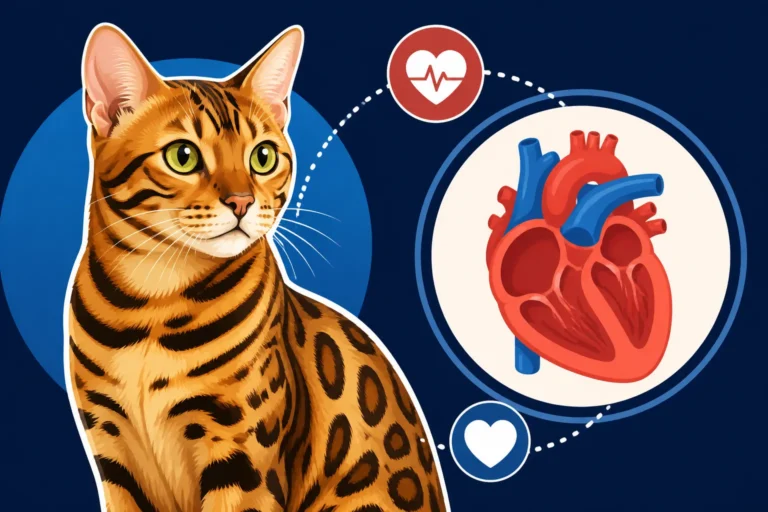
Think about how much your Bengal uses their mouth – for eating, playing, grooming, and even communicating through those characteristic chirps and meows. Their teeth are essential tools. Without proper care, plaque and tartar can build up, leading to gingivitis (inflammation of the gums) and then to periodontal disease, a progressive condition that can cause pain, infection, and even tooth loss. This isn't just about bad breath, though that's certainly a tell-tale sign! Untreated dental disease can lead to bacteria entering the bloodstream, potentially affecting vital organs like the heart, kidneys, and liver. It’s a systemic issue, not just an oral one, which is why regular attention is so vital for their long-term health. Given their energetic nature and propensity for leaping and playing, we want to ensure they're always feeling their best, and that starts with a pain-free mouth. You might be surprised to learn that Whether a Bengal Cat Gets Dental Disease is a more common issue than many owners realize.
Common Dental Problems Bengals Face
Bengals, like all domestic cats, are prone to certain dental issues. Beyond plaque and tartar accumulation, they can experience:
- Gingivitis: This is the earliest stage of periodontal disease, characterized by red, swollen gums that may bleed easily. It’s often reversible with good dental hygiene.
- Periodontal Disease: If gingivitis isn't treated, it progresses to periodontal disease, affecting the deeper structures supporting the teeth. This can lead to bone loss, painful abscesses, and eventually, tooth mobility and loss.
- Tooth Resorption: This is a surprisingly common and incredibly painful condition in cats where parts of the tooth (often starting at the gum line) are eroded away. It's often called "feline cavities" but it's fundamentally different from human cavities. It can be hard to spot without a professional examination, as the damage might be below the gum line.
- Fractured Teeth: Given their active, sometimes mischievous nature, a Bengal might chew on something too hard or have a mishap that results in a fractured tooth. This exposes the sensitive pulp, leading to pain and infection.
The reality is, these problems don't just clear up on their own. They worsen over time, causing increasing discomfort and potentially leading to more complex and costly treatments down the road. Pet insurance providers like Healthy Paws often highlight the importance of preventative care to minimize such advanced, expensive interventions.
Establishing a Dental Care Timeline for Your Bengal
So, how often should your adventurous Bengal cat actually have their teeth professionally cleaned? The answer isn't a one-size-fits-all, but rather a guideline that adjusts based on age, genetics, diet, and your at-home care efforts.
Kittens and Young Adults: Setting the Foundation
When your Bengal is a kitten, their baby teeth will eventually fall out, making way for their adult teeth. During this period, it's less about cleaning and more about familiarization. Getting your Bengal kitten used to having their mouth touched, and even a soft toothbrush introduced, is crucial. This sets the stage for a lifetime of easier at-home care.
For young adult Bengals (typically 1-3 years old), if you’ve been diligent with at-home care, and your veterinarian confirms their teeth look great during their How Often a Bengal Cat Needs a Wellness Exam, they might not need a professional dental cleaning under anesthesia yet. However, this is always at the discretion of your vet. Some Bengals, despite excellent home care, can develop plaque faster due to individual physiology. A good rule of thumb is to aim for their first professional dental assessment by around 1 to 2 years of age, or sooner if any issues are observed. This initial deep dive allows the vet to get a baseline and address any early signs of gingivitis before it progresses.
Adult Bengals: Regular Professional Cleanings
Once your Bengal reaches adulthood (around 3-6 years old), the need for professional dental cleanings becomes more frequent for most cats. Typically, a healthy adult Bengal cat will benefit from a professional dental cleaning every 1 to 3 years. This range is quite broad because it depends heavily on:
- At-home care: Are you brushing their teeth regularly? Providing dental treats or water additives? This makes a huge difference.
- Diet: Some diets are better at naturally reducing plaque than others.
- Genetics: Some Bengals are simply predisposed to faster plaque and tartar buildup.
- Previous dental history: If they've had issues before, they might need more frequent check-ups.
Your veterinarian will conduct an oral exam during their annual check-ups, and they are the best person to recommend the specific frequency for your individual cat. They’ll assess the amount of plaque and tartar, the health of the gums, and any other visual signs of disease. They'll also discuss the pre-anesthetic bloodwork required, which is an important step. Understanding Whether a Bengal Cat Needs a Pre Surgery Workup is vital for any procedure requiring anesthesia, including dental cleanings.
Senior Bengals: Increased Vigilance
As your Bengal cat enters their senior years (typically starting around 7-10 years old), dental health becomes an even greater concern. Just like us, older cats are more susceptible to dental disease, and the effects can be more pronounced. You might notice What Changes in a Bengal Cat After Ten, and dental issues are often part of that picture.
For senior Bengals, professional dental cleanings might be recommended annually or every 18 months, depending on their individual health status and previous dental history. The key is increased vigilance. They are more likely to have advanced periodontal disease, tooth resorption, and other painful conditions. It's crucial to address these issues promptly to maintain their comfort and overall health. Many senior Bengal owners find that pet insurance, such as Healthy Paws, can be a lifesaver when it comes to covering these more frequent and sometimes complex dental procedures as their cat ages. Remember, Caring for a Bengal Cat Past Ten often involves a more proactive approach to their health, and dental care is a big piece of that puzzle.
Here's a general overview of dental care frequency:
| Age Group | Recommended Professional Dental Frequency | At-Home Care Focus | Key Considerations |
|---|---|---|---|
| Kitten (0-1 year) | As needed, primarily for assessment | Familiarization with brushing, mouth handling | Early introduction to dental hygiene prevents future struggles. |
| Young Adult (1-3 years) | Every 1-3 years, or as vet advises | Daily brushing, dental treats/chews, water additives | First deep dive for baseline assessment; monitor for early plaque. |
| Adult (3-6 years) | Every 1-3 years | Daily brushing, dental treats/chews, water additives | Most common frequency; depends heavily on individual cat & home care. |
| Senior (7+ years) | Annually or every 18 months | Daily brushing, soft dental aids, vet supervision | Increased risk of advanced disease; pre-anesthetic bloodwork is critical. Always monitor for signs of discomfort. |
The Indispensable Role of At-Home Dental Care
While professional cleanings are vital, they are only one piece of the puzzle. What you do at home, consistently, makes an enormous difference in extending the time between anesthetic dentals and maintaining your Bengal's oral health. Neglecting home care is like never brushing your own teeth and only relying on your annual dental visit – it’s just not enough!
Brushing Your Bengal's Teeth
Yes, you can brush your cat’s teeth! This is by far the most effective way to prevent plaque and tartar buildup. I know, the idea of getting your active, independent Bengal to sit still for this might seem like a distant dream, but with patience and positive reinforcement, it's achievable.
- Start Early: The younger your Bengal is when you start, the easier it will be. Begin by simply touching their muzzle and gently lifting their lips.
- Introduce Tools Gradually: Use a finger brush or a very soft, cat-specific toothbrush. Apply a tiny amount of cat-specific enzymatic toothpaste (never human toothpaste, as it contains ingredients toxic to cats). Let them lick it off your finger first to get used to the taste.
- Focus on the Outside: Most dental disease occurs on the outer surfaces of the teeth, especially the canines and back molars. You don't need to scrub the inside.
- Consistency is Key: Aim for daily brushing. Even every other day is better than nothing. Short, positive sessions are more effective than long, stressful ones.
- Positive Reinforcement: Follow each session with a treat, praise, or play time. Make it a good experience.
It’s truly amazing how much this small effort can impact their long-term oral health, potentially reducing the frequency of professional cleanings.
Dental Chews, Treats, and Water Additives
While not as effective as brushing, these products can offer supplemental support, especially for Bengals who absolutely refuse a toothbrush. Look for products that have the Veterinary Oral Health Council (VOHC) seal of acceptance. This seal indicates that the product has met standards for reducing plaque and/or tartar.
- Dental Chews: These are designed with specific textures and ingredients to help scrape away plaque as your cat chews. Offer them as treats.
- Water Additives: These typically contain ingredients that help reduce bacteria in the mouth or inhibit plaque formation. They are simply added to your cat's drinking water.
- Dental Diets: Some prescription veterinary diets are formulated with special kibble shapes and ingredients to provide a scrubbing action and reduce plaque. Your vet can advise if this is suitable for your Bengal.
Remember, these are supplementary aids, not replacements for brushing or professional veterinary care. Discuss these options with your vet to see what fits best into your Bengal’s routine and health needs.
Recognizing the Red Flags: When to Seek Veterinary Attention Sooner
Sometimes, despite our best efforts, dental problems can arise unexpectedly, or your Bengal might be showing subtle signs of discomfort that point to an urgent need for veterinary attention. Bengals are notoriously good at hiding pain, as their wild instincts tell them not to show weakness. This means you need to be extra vigilant and know what to look for. Why a Bengal Cat Hides Pain is a critical piece of information for any Bengal owner, and it applies strongly to dental issues.
Subtle Signs of Dental Pain or Disease
Don't wait for obvious bleeding or missing teeth. Catching these problems early can prevent much suffering and more complex interventions. Keep an eye out for any of these indicators:
- Bad Breath (Halitosis): This is often the first and most obvious sign. While some "cat breath" is normal, a truly foul odor is a strong indicator of bacterial buildup and infection.
- Changes in Eating Habits:
- Reluctance to eat, especially hard kibble.
- Dropping food from their mouth.
- Chewing on one side of their mouth.
- Excessive drooling.
- Hissing or crying out when trying to eat.
- Changes in Behavior:
- Increased irritability or aggression, especially when touched near the face.
- Hiding more than usual.
- Decreased grooming (which can lead to a dull coat).
- Rubbing their face on furniture or pawing at their mouth.
- Visible Oral Changes:
- Red, swollen, or bleeding gums.
- Yellow or brown tartar buildup on the teeth, particularly near the gum line.
- Loose or missing teeth.
- Swelling on the face, especially under the eye, which could indicate an abscess.
If you observe any of these signs, don't delay – schedule an appointment with your veterinarian as soon as possible. What may seem like a minor issue can quickly escalate, causing significant pain for your beloved Bengal.
The Importance of Regular Veterinary Dental Exams
Beyond the professional cleanings under anesthesia, your Bengal should have their teeth checked at every annual How Often a Bengal Cat Needs a Wellness Exam. Your vet can perform a conscious oral exam, which, while limited, can often identify obvious issues like significant tartar buildup, gingivitis, or even fractured teeth. They can then recommend whether a full dental cleaning under anesthesia is warranted.
Remember, a professional dental cleaning involves much more than just scraping off visible tartar. It includes:
- A thorough oral examination: This is done while your cat is anesthetized, allowing for a detailed inspection of every tooth and gum area, including parts that are impossible to see on a conscious cat.
- Dental X-rays: This is crucial, as up to 60% of dental disease in cats occurs below the gum line and is invisible to the naked eye. X-rays can reveal tooth resorption, bone loss, abscesses, and other hidden problems.
- Scaling: Using ultrasonic and hand scalers to remove plaque and tartar from above and below the gum line.
- Polishing: Smoothing the tooth surfaces to make them less prone to future plaque accumulation.
- Extractions: If severely diseased or damaged teeth are found (via exam and X-rays), they will be carefully extracted to relieve pain and prevent further infection. This is where pet insurance like Healthy Paws can truly help manage What an Aging Bengal Cat's Bills Look Like, as extractions can add significant cost.
Making dental care a priority for your Bengal cat is a testament to your love and commitment to their overall well-being. It might not be the most glamorous part of cat ownership, but it's undoubtedly one of the most important for ensuring a long, healthy, and happy life for your spotty friend.
Disclaimer
This article is for general informational purposes only and does not constitute professional advice. Laws, prices and regulations vary by location and change over time. Consult a qualified professional for guidance on your specific situation.