Whether a Bengal Cat Tolerates Anesthesia
One of the most nerve-wracking moments for any cat owner is when their beloved feline needs a procedure requiring anesthesia. For Bengal cat parents, this anxiety can be even more pronounced. You’ve got this incredibly active, intelligent, and sometimes opinionated creature, and the thought of them being sedated or "knocked out" can be truly terrifying. You worry about their unique physiology, their wild energy, and whether their body will handle it safely. This comprehensive guide is here to walk you through everything you need to know about how Bengal cats tolerate anesthesia, what to expect, and how to prepare for the safest outcome.
Understanding Anesthesia in Cats: The Basics
When a veterinarian recommends anesthesia, it’s not a decision taken lightly. It's a carefully considered medical procedure designed to ensure your cat's safety and comfort during necessary treatments. Knowing the fundamentals can help ease some of that initial worry.
Why Anesthesia is Necessary for Bengal Cats
Just like people, Bengal cats often require anesthesia for a variety of diagnostic tests, medical treatments, and surgical procedures that would otherwise be painful, stressful, or simply impossible to perform while they are awake. Think about it: trying to perform a complex dental cleaning on a wide-awake, feisty Bengal would be a nightmare for both the cat and the vet team!
Common procedures that necessitate anesthesia include routine dental cleanings to prevent serious periodontal disease, which many cats develop. Other times, it's for crucial surgeries like spaying or neutering, or perhaps an emergency procedure after an accidental injury. Sometimes, your vet might need to take X-rays or perform an ultrasound if your Bengal isn't cooperating, or if the area being examined is painful, and these require them to be perfectly still. Without anesthesia, many of these vital health interventions wouldn't be possible, leaving serious health issues untreated and potentially leading to a much worse outcome for your adventurous companion.
Types of Anesthesia Used in Feline Medicine
Veterinary medicine has come a long way, and modern anesthetic protocols are incredibly sophisticated, tailored to each individual cat. Generally, there are two main categories: local and general anesthesia. Local anesthesia numbs a specific part of the body, allowing for minor procedures while the cat is still conscious, though often combined with a mild sedative to keep them calm. However, for most procedures, general anesthesia is required.
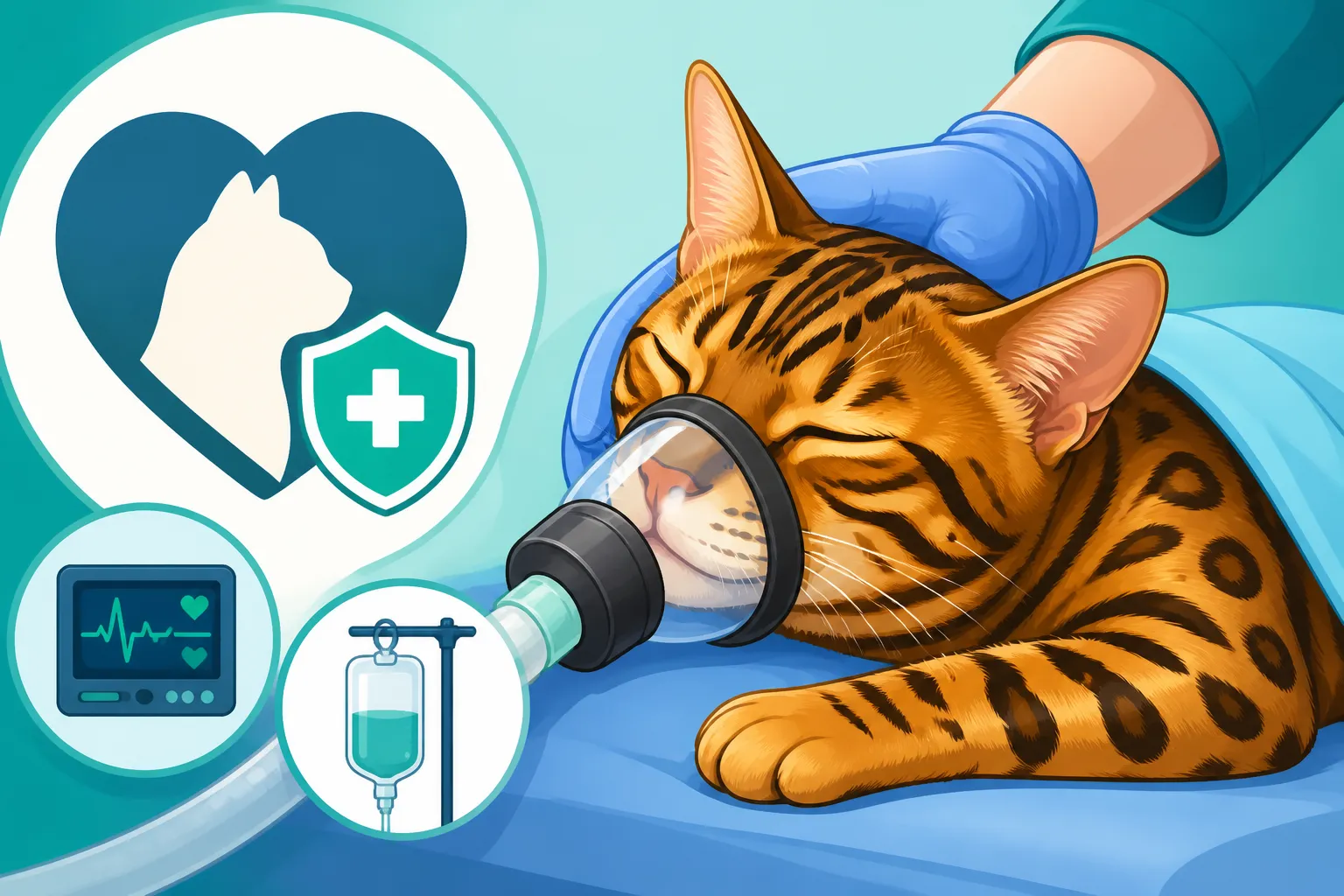
General anesthesia involves medications that put your cat into a reversible, unconscious state where they don't feel pain. This process typically starts with a pre-medication, an injectable sedative and painkiller given before the main anesthetic, which helps reduce anxiety, allows for a smoother induction, and provides pre-emptive pain relief. Then comes the induction, where another injectable drug quickly puts them to sleep, allowing for the placement of an endotracheal tube into their airway. This tube is critical because it allows the veterinary team to deliver inhalant (gas) anesthesia, like isoflurane or sevoflurane, mixed with oxygen, directly to their lungs for maintenance throughout the procedure. It also protects their airway. Once the procedure is complete, the gas is turned off, and your Bengal begins the recovery phase, slowly waking up under close observation. This multi-step approach helps ensure a gentler experience and allows the vet team fine control over the anesthetic depth at all times.
Specific Considerations for Bengal Cats and Anesthesia
When it comes to anesthesia, Bengal cats aren't just "any cat." Their unique characteristics, both physiological and genetic, mean that your vet will likely approach their anesthetic plan with a few specific considerations in mind.
The Bengal's Unique Physiology and Activity Level
Anyone who lives with a Bengal cat knows they are a breed apart. They're typically lean, muscular, and incredibly active, often feeling like they have boundless energy. This high metabolism isn't just for play; it can actually influence how their bodies process medications, including anesthetic agents. Their liver and kidneys might metabolize drugs more quickly than a less active, more sedentary domestic shorthair, potentially requiring adjustments in drug dosages or choices.
Beyond the internal physiology, their vibrant, sometimes "wild" personalities also play a role. A Bengal cat is usually alert, intelligent, and can be quite stressed by unfamiliar environments like a veterinary clinic. This stress can impact their heart rate and blood pressure even before anesthesia begins. A good vet team will recognize this and likely use a calming pre-sedative to help them relax and minimize adrenaline surges, making the entire process smoother and safer. It's all about acknowledging that what works for a docile couch potato might need a tweak for your dynamic, energetic Bengal.
Genetic Health Concerns that Impact Anesthesia
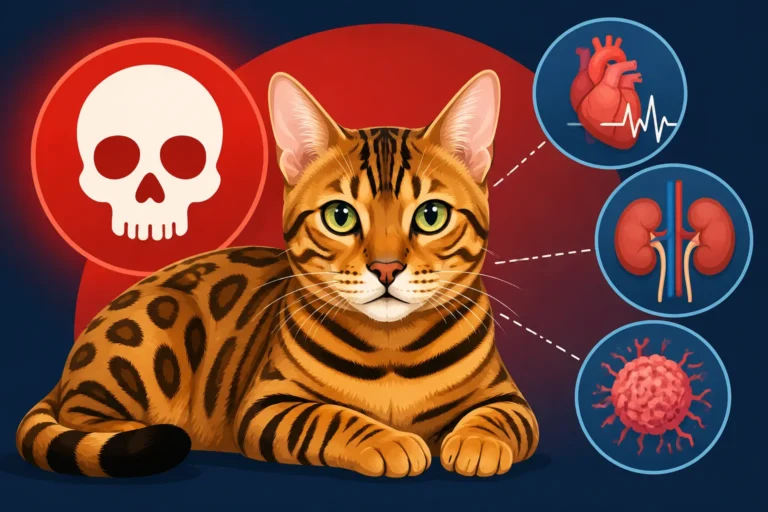
While no cat breed is entirely immune to health issues, Bengal cats, like many pedigreed breeds, do have some predispositions that are important to discuss with your vet before any anesthetic procedure. The most significant concern, and one that absolutely needs to be on your radar, is HCM Is What Kills Bengal Cats Early (Hypertrophic Cardiomyopathy). This is a heart condition where the walls of the heart muscle thicken, making it harder for the heart to pump blood effectively. Anesthesia can put additional stress on the cardiovascular system, and an undiagnosed or unmanaged HCM can significantly increase the risks of complications, including sudden cardiac arrest. This is why thorough pre-anesthetic screening, especially if your Bengal is older or has any suspicious symptoms like a murmur, is incredibly important.
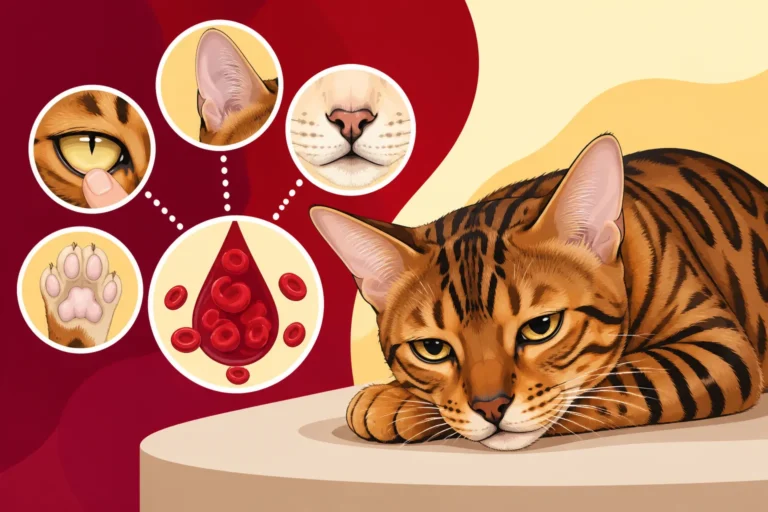
Another genetic condition, less directly impacting anesthesia but part of their overall health profile, is Pyruvate Kinase Deficiency in a Bengal Cat. This is a red blood cell disorder that can lead to anemia. While generally, a cat with PK Deficiency would show signs of anemia that would be flagged in pre-anesthetic bloodwork, it's part of the comprehensive picture of a Bengal's health that a responsible owner and vet should be aware of. Knowing your cat's genetic background, ideally from the breeder's health testing, gives your vet valuable information to create the safest possible anesthetic plan. This is where understanding What a Bengal Cat Breeder Should Have Tested becomes critical for ensuring you have a healthy cat from the start.
Pre-Anesthetic Protocols: Minimizing Risks for Your Bengal
The key to a safe anesthetic experience for your Bengal cat isn't just about the procedure itself; it starts long before, with thorough preparation. These pre-anesthetic protocols are your vet's way of building a complete picture of your cat's health, ensuring they can mitigate potential risks.
Comprehensive Pre-Anesthetic Bloodwork and Diagnostics
Imagine trying to drive a car without knowing if it has enough oil or if the brakes are working. That's a bit like putting a cat under anesthesia without proper pre-screening. Comprehensive pre-anesthetic bloodwork is non-negotiable for any cat undergoing anesthesia, but especially for an active breed like a Bengal. This typically includes a Complete Blood Count (CBC) to check red and white blood cells, which can reveal anemia, infection, or other issues, and a biochemistry panel to assess organ function, particularly the liver and kidneys, as these organs are responsible for processing and eliminating anesthetic drugs. If these organs aren't functioning optimally, your vet will need to adjust drug choices or dosages.
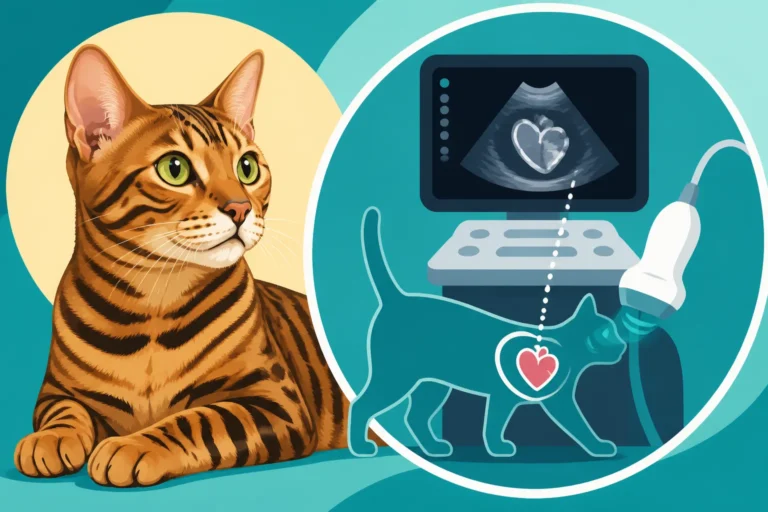
Beyond bloodwork, additional diagnostics might be recommended depending on your Bengal's age, medical history, or the nature of the procedure. For instance, if your vet hears a heart murmur during the physical exam, or if your Bengal is a senior cat, they might recommend an X-ray to check lung and heart size, or even an echocardiogram (an ultrasound of the heart). An echo is particularly important for Bengals, given their predisposition to HCM. A thorough heart scan can help determine if their heart can handle the stresses of anesthesia. Knowing When a Bengal Cat Should Have Its First Echo can also guide these decisions, as early screening is valuable. These tests allow your vet to identify any hidden problems that could turn a routine procedure into a high-risk one, and then make informed decisions to ensure the safest possible plan.
The Importance of a Tailored Anesthetic Plan
Once all the diagnostic information is in, your veterinary team gets to work creating a customized anesthetic plan specifically for your Bengal. This isn't a one-size-fits-all approach. Based on their bloodwork, any imaging results, their age, weight, and even their individual temperament (are they generally calm or easily stressed?), your vet will choose specific anesthetic agents. For example, if your Bengal has early signs of kidney issues, they might opt for drugs that are primarily metabolized by the liver, or vice-versa, to reduce the burden on a compromised organ.
A critical aspect of a tailored plan is the level of monitoring during the procedure. Modern veterinary clinics are equipped with advanced monitoring tools, similar to those used in human hospitals. This often includes an ECG (electrocardiogram) to track heart rhythm, a pulse oximeter to measure oxygen saturation in the blood, a capnograph to monitor carbon dioxide levels in exhaled breath, and equipment to track blood pressure and body temperature. Many clinics will also have a dedicated veterinary nurse whose sole job during the procedure is to monitor your Bengal, record vital signs, and alert the veterinarian to any changes. This constant vigilance, coupled with the ability to adjust anesthetic gas levels and administer intravenous fluids (which help maintain blood pressure and hydration), dramatically improves the safety profile of anesthesia. Keeping your Bengal warm with circulating warm-air blankets or heated pads is also a crucial part of the plan, as cats can lose body heat rapidly under anesthesia. This comprehensive approach, including Whether a Bengal Cat Needs a Pre Surgery Workup, is designed to anticipate and address potential issues before they become serious problems.
During and After Anesthesia: What to Expect
Even with all the preparation, the moments during and immediately after anesthesia can still be a source of worry. Knowing what happens behind the scenes and what to anticipate when your Bengal comes home can help you feel more in control.
Anesthetic Monitoring and Support
During the entire anesthetic procedure, your Bengal cat is not just "asleep"; they are under constant, vigilant observation. A dedicated veterinary technician or assistant will be right there, often with specialized training in anesthesia, continuously monitoring their vital signs. We're talking about real-time tracking of their heart rate and rhythm (via ECG), their respiratory rate and effort, their blood pressure, and their oxygen saturation. Modern equipment also monitors end-tidal CO2, which gives crucial insight into how well your cat is breathing and ventilating. Temperature is also meticulously tracked, as cats can get cold very quickly under anesthesia, and maintaining a stable body temperature is vital for recovery.
Should any vital sign begin to drift outside of normal parameters, the veterinary team can immediately respond. This might involve adjusting the level of anesthetic gas, increasing the rate of intravenous fluids to support blood pressure, or administering medications to support heart function or manage pain. Many clinics use intravenous fluid therapy throughout the procedure to help maintain hydration and blood pressure, and also to provide easy access for emergency medications if needed. Pain management is also integrated from the start, often with injectable pain medications given before, during, and after the procedure to ensure your Bengal wakes up as comfortably as possible. This meticulous attention to detail is what makes modern feline anesthesia remarkably safe.
Recovery and Post-Anesthetic Care at Home
The recovery period begins the moment your Bengal cat starts to wake up from anesthesia. Initially, they'll be groggy, disoriented, and a bit wobbly, much like how humans feel after surgery. The veterinary team will continue to monitor them closely in a quiet, warm recovery area, making sure they are breathing well, their temperature is stabilizing, and they are comfortable. Once they are more aware and able to stand, your vet will discuss the discharge instructions with you.
When you bring your Bengal cat home, it’s important to create a quiet, calm space for them. Keep them in a warm, low-traffic area away from other pets or young children, where they can rest undisturbed. Offer small amounts of water a few hours after they are home, and a small, easily digestible meal later that evening, unless your vet advises otherwise. They might seem a bit nauseous, refuse food, or even vomit, which can be normal side effects, but persistent vomiting should warrant a call to your vet. You might also notice them being more lethargic, wobbly, or even vocal than usual as the residual effects of the anesthetic wear off. Most Bengals return to their normal selves within 24-48 hours. However, if you notice any alarming signs like severe weakness, persistent vomiting, difficulty breathing, pale gums, or any signs that indicate How a Bengal Cat Hides Pain, don't hesitate to call your veterinarian immediately. It’s always better to be overly cautious when it comes to post-anesthetic care.
Addressing Common Anesthesia-Related Worries
It’s completely normal to have a long list of worries when your Bengal needs anesthesia. Let's tackle some of the most frequent concerns that Bengal cat owners voice, offering some reassurance and practical insights.
"My Bengal is So Energetic, Will They Be Harder to Sedate?"
This is a really common concern, and it's totally understandable. You know your Bengal's boundless energy, their intelligence, and their natural wariness of new situations. You might envision a dramatic wrestling match at the clinic, followed by a struggle to keep them calm enough for the anesthetic. But here's the good news: veterinary professionals are well aware of the Bengal's unique personality and energy levels. They fully expect an active, alert cat to be a little more challenging to handle than, say, a sleepy senior tabby.
The key lies in the pre-sedation (also called pre-medication) mentioned earlier. This initial injection, often given while your Bengal is still in their carrier or in a quiet room, is specifically designed to help them relax. It contains mild sedatives and pain medication that gently ease them into a calmer state, reducing anxiety and making the subsequent induction of anesthesia much smoother. It's not about forcing them into submission, but rather about creating a calm, safe transition. Vets will often use slightly higher doses of these pre-meds or specific combinations that are known to work well for more energetic breeds, ensuring your Bengal drifts off peacefully, rather than fighting the process. This approach actually makes the entire experience safer by minimizing stress-induced physiological changes.
"What if My Bengal Has an Undiagnosed Heart Problem?"
This is perhaps one of the most significant anxieties for any Bengal cat owner facing anesthesia, largely because of the breed's known predisposition to HCM. The fear of an underlying, silent heart condition that could turn fatal under anesthesia is a heavy burden. And you're right to be concerned; Why a Bengal Cat Hides Heart Failure is a crucial piece of information—cats are masters at masking illness, especially heart disease, until it's very advanced.
This is precisely why those comprehensive pre-anesthetic diagnostics are so incredibly vital. Your vet will perform a thorough physical exam, listening carefully to your Bengal's heart for any murmurs or abnormal rhythms. If anything suspicious is detected, or even if your Bengal is a middle-aged to senior cat with no obvious symptoms, they might strongly recommend additional screening like an echocardiogram. While a full cardiac workup can add to the expense (something that a good pet insurance like Healthy Paws might help cover), it provides invaluable peace of mind and allows your vet to tailor the anesthetic protocol to protect their heart. They might choose specific drugs that are known to be safer for cardiac patients, or they might adjust fluid therapy to prevent fluid overload. While no procedure is ever zero-risk, identifying and accounting for potential heart issues beforehand is the best way to significantly reduce the chances of a tragic complication.
Preparing Your Bengal Cat for a Smooth Experience
Taking a few proactive steps at home can make a world of difference in reducing your Bengal's stress and ensuring a smoother experience at the vet. Think of it as setting the stage for success.
Home Preparation and Stress Reduction
Bringing your Bengal to the vet can sometimes feel like trying to herd a wild cat, especially if they associate the carrier with unpleasant experiences. Start making the carrier a positive place before the day of the procedure. Leave it out in the house with the door open, toss in some favorite treats or toys, and even feed them inside it occasionally. This helps them view it as a safe den, not just a trap that leads to the vet. On the day of the appointment, try to keep your Bengal's routine as normal as possible until it's time to go. Avoid making a big fuss or acting anxious yourself, as cats are incredibly perceptive to our emotions.
Most importantly, follow your veterinarian's instructions regarding food and water restrictions to the letter. Typically, this means no food after midnight the night before the procedure, though water might be allowed up until a few hours before. This is crucial to prevent aspiration (inhaling vomit) during anesthesia, which can be a life-threatening complication. A well-prepared Bengal, even if a bit grumbly about the fasting, is a safer Bengal.
Asking the Right Questions at the Vet's Office
You are your Bengal's biggest advocate, and it's absolutely okay – in fact, encouraged – to ask questions. Before the day of the procedure, or during the drop-off, don't hesitate to sit down with your vet or a knowledgeable veterinary technician to discuss your concerns. Here are some key questions you might want to ask:
- What specific anesthetic drugs will be used, and why? Understanding their choices can be reassuring.
- What monitoring equipment will be used during the procedure? This helps you confirm they're taking all precautions.
- Will a dedicated veterinary nurse be monitoring my cat throughout anesthesia? This level of personalized care is gold standard.
- What pain management protocols are in place before, during, and after the surgery? Ensuring comfort is paramount.
- What are your emergency protocols if something goes wrong? While rare, knowing they have a plan can ease your mind.
- What are the potential risks for my specific Bengal, given their health history? This personalizes the risk assessment.
- What is the estimated cost, and what does it include? This helps you understand the investment in their safety and allows you to check if your pet insurance, like Healthy Paws, covers these types of procedures, including potentially What a Bengal Cat's Echo Costs if that's part of the pre-op.
Don't feel rushed or embarrassed to ask. A good veterinary team will appreciate your engagement and take the time to answer all your questions, providing you with the confidence that your beloved Bengal is in the safest possible hands. This dialogue is key to ensuring you're comfortable with the care plan for your energetic, precious companion.
Bengal Cat Anesthesia Risks and Mitigation Strategies
While every anesthetic procedure carries inherent risks, modern veterinary medicine excels at identifying and mitigating these risks, especially for breeds with specific considerations like the Bengal cat.
| Potential Anesthesia Risk | Specific Bengal Cat Factor | Mitigation Strategy |
|---|---|---|
| Cardiovascular Complications | Predisposition to Hypertrophic Cardiomyopathy (HCM) | Comprehensive pre-anesthetic physical exam, blood pressure measurement, ECG, and often a pre-anesthetic echocardiogram, especially if a murmur is detected or if the cat is older. Use of cardiac-friendly anesthetic agents. Close monitoring of heart rate, rhythm, and blood pressure during the entire procedure. |
| Respiratory Issues | Fast metabolism, potential for stress-induced breath holding | Pre-medication to reduce stress. Endotracheal tube for direct oxygen and anesthetic gas delivery, protecting the airway. Capnography to monitor breathing efficiency and CO2 levels. Manual or mechanical ventilation if needed. |
| Hypothermia (Low Body Temperature) | Small body size, prolonged exposure to cold OR surfaces | Active warming measures: circulating warm-air blankets (Bair Huggers), warmed IV fluids, heated surgical tables, and careful monitoring of body temperature throughout the procedure and recovery. |
| Kidney/Liver Dysfunction | Individual variability in organ health, age | Pre-anesthetic bloodwork (CBC/chemistry panel) to assess organ function. Selection of anesthetic agents primarily metabolized by healthy organs. IV fluid support during anesthesia to maintain organ perfusion. |
| Hypotension (Low Blood Pressure) | Anesthetic drug effects, dehydration | IV fluid therapy throughout the procedure to support blood pressure. Close monitoring of blood pressure. Administration of medications (vasopressors) if blood pressure drops too low. |
| Prolonged or Difficult Recovery | Individual response to drugs, high energy post-anesthesia | Tailored anesthetic drug choices with short half-lives. Close monitoring in recovery with ongoing warming and pain management. Adequate pre-sedation to ensure a calm induction and recovery. |
| Allergic Reactions / Drug Sensitivities | Rare, but can occur with any medication | Careful patient history taking (any previous drug reactions?). Emergency medications (antihistamines, steroids, epinephrine) readily available. Immediate cessation of suspect drug and supportive care. |
| Aspiration Pneumonia | Vomiting during induction or recovery | Strict adherence to fasting guidelines. Endotracheal tube placement (cuffed) to protect the airway during anesthesia. Close monitoring during recovery. |
| Pain Management Issues | Active cats can hide pain well, individual thresholds | Multimodal pain management approach: pre-emptive pain medication, intra-operative analgesics, and post-operative pain relief (e.g., NSAIDs, gabapentin). Training for owners on How a Bengal Cat Hides Pain and signs to watch for at home. |
This table highlights that while concerns exist, modern veterinary care employs numerous strategies to make anesthesia as safe as possible for your Bengal. The comprehensive approach, from pre-anesthetic bloodwork like What a Bengal Cat's Yearly Bloodwork Should Cover to continuous monitoring, is designed to give you peace of mind.
Disclaimer
The information provided in this article is for general informational purposes only and is not a substitute for professional veterinary advice. Always consult with a qualified veterinarian for any health concerns or before making any decisions related to your Bengal cat's medical care, especially concerning anesthesia. Individual responses to anesthesia can vary, and your veterinarian is the best resource for a personalized assessment and plan for your specific pet.