Whether a Bengal Cat Is Right for You
So, you've seen those stunning photos of Bengal cats, perhaps scrolled through videos of their antics, and now you're wondering if one of these miniature leopards belongs in your home. It’s easy to be captivated by their wild beauty, but owning a Bengal is a unique commitment. This guide isn't here to scare you, but to provide a realistic look at what these incredible felines truly need, helping you decide if your life aligns with their vibrant energy.
The Bengal's Boundless Energy and Need for Engagement
Let's be blunt: a Bengal cat is not your average couch potato. If your vision of a cat involves a quiet, independent creature that naps for eighteen hours a day and occasionally graces you with a purr, then we need to have a serious chat. Bengals are different. They are perpetually in motion, driven by an insatiable curiosity and the instincts of their wild ancestry. They don't just "play"; they actively hunt, explore, and conquer their environment. Their energy levels are legendary, and without proper outlets, that energy can quickly turn into destructive behavior.
Think about how much time you genuinely have to dedicate to interactive play. We're not talking about simply leaving a few toys scattered on the floor and hoping for the best. A Bengal needs structured, engaging play sessions multiple times a day. This means wand toys that mimic prey, chasing games that challenge their agility, and puzzle feeders that make them work for their meals. These aren't just "nice-to-haves"; they are fundamental to a Bengal's well-being. Many owners find themselves investing in robust enrichment tools, often starting with endless searches on Amazon for things that can withstand a Bengal's enthusiasm. You might think your current cat's occasional zoomies are energetic, but a Bengal operates on a different, far more intense level, embodying the very spirit of The Bengal Cat Is the Most Active Cat You Can Own.
Providing adequate vertical space is also crucial. Bengals are natural climbers. They want to be high up, observing their "territory." This means tall, sturdy cat trees that reach the ceiling, and ideally, shelves or catwalks installed on your walls. If you don't provide acceptable climbing options, they will find their own – your bookshelves, your curtains, perhaps even your refrigerator. Furthermore, many Bengal owners find that a secure outdoor enclosure, often called a "catio," is an absolute game-changer. It offers them safe access to the sights, sounds, and smells of the outdoors, fulfilling a deep-seated need to explore without the inherent dangers of free-roaming. Truly, a catio can be Why a Catio Is the Answer to a Bengal Cat for many households struggling to meet their Bengal's energy demands safely.
Understanding the Unique Bengal Personality and Communication
Beyond their physical activity, Bengals possess a personality that's as striking as their coat. They are intelligent, highly social, and incredibly vocal cats. Forget the subtle meows and quiet purrs you might be used to; a Bengal often has a full-blown conversation with you, complete with chirps, trills, and sometimes, very loud yowls that can sound quite wild. They aren't shy about expressing their opinions or demanding your attention, and you'll quickly learn their various vocalizations mean different things, from "feed me now!" to "play with me!" to "where are you?" Understanding How Vocal a Bengal Cat Is is key to coexisting peacefully.
Their intelligence is a double-edged sword. On one hand, it makes them incredibly engaging pets. They can be clicker-trained to perform tricks, walk on a leash, and even play fetch with a startling efficiency. You might find them observing your every move, learning how you open doors, turn on faucets, or even open cabinet latches. This leads us to the other side of that intelligence: their remarkable problem-solving skills. If they want something, they will figure out how to get it. This means your kitchen cabinets might need child locks, your doors might need special handles, and your trash can better be securely lidded. As many owners discover, A Bengal Cat Opens Cabinets, Doors and Drawers is not an exaggeration but a daily reality.
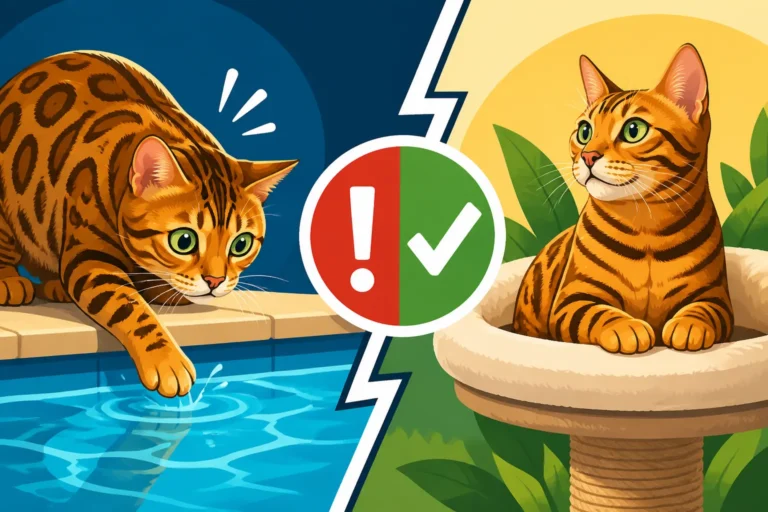
One of the most famously quirky traits of the Bengal is their unusual fascination with water. Unlike most domestic cats who treat water like a mortal enemy, many Bengals absolutely adore it. They might play in their water bowl, try to join you in the shower or bath, or even meticulously "help" you with the dishes by batting at the running faucet. Don't be surprised to find your Bengal investigating a dripping tap or even sitting by the toilet, captivated by the swirling water. This love of water, while endearing, can also lead to soggy floors and playful splashing, so waterproof flooring in bathrooms and kitchens isn't just a luxury, it's often a necessity.
The Commitment to Training, Management, and Cat-Proofing
Bringing a Bengal into your life isn't just about providing food and shelter; it's about actively managing their environment and channeling their unique behaviors constructively. Training isn't just for dogs – it's incredibly beneficial for Bengals. Leash training, for instance, can provide a fantastic outlet for their adventurous spirit. Many Bengals take to a harness and leash quite naturally, enjoying supervised walks in safe outdoor spaces. It's not just a novelty; for many, A Bengal Cat Walks on a Leash becomes a vital part of their routine, allowing them to explore beyond the confines of the home.
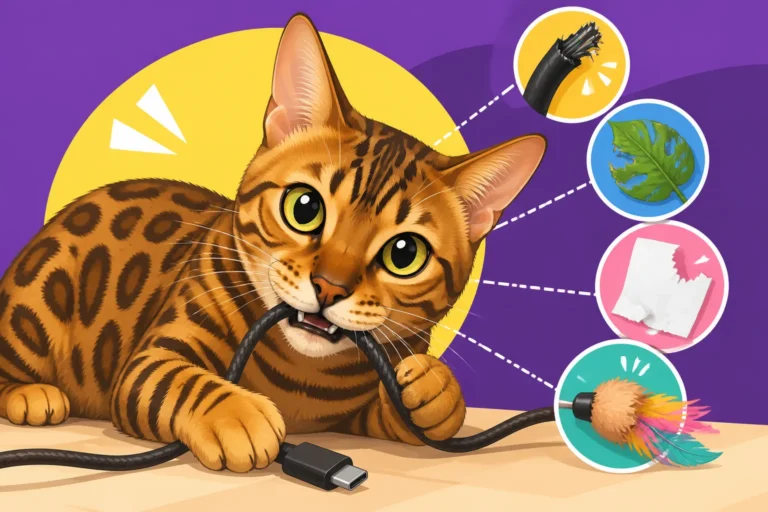
However, without consistent management and engagement, that high intelligence and boundless energy can manifest in ways you might not appreciate. A bored Bengal is, quite simply, a destructive Bengal. They might shred furniture, knock items off shelves, or meticulously investigate every corner of your home, often leaving a trail of "discoveries" in their wake. What a Bored Bengal Cat Destroys can range from important documents to your favorite houseplants, so proactive cat-proofing is essential. This includes securing valuables, providing multiple robust scratching posts (they tend to prefer tall, sturdy ones), and making sure anything breakable is out of reach. Think of it less as "cat-proofing" and more as "Bengal-proofing," which is a whole different ballgame.
It's also crucial to consider the long-term commitment. Bengals typically enjoy a lifespan of The Twelve to Sixteen Years a Bengal Cat Gets, sometimes even longer. This means you're signing up for well over a decade of dedicated care, which includes not just their daily needs but also regular veterinary check-ups. While generally a healthy breed, Bengals can be prone to certain genetic conditions or sensitivities. For example, some lines are prone to cardiac issues, and gastrointestinal sensitivities leading to Chronic Diarrhea Is the Bengal Cat Complaint Nobody Warns About can be a recurring concern for many owners. It's essential to research reputable breeders who perform comprehensive health screenings, and be prepared for potential vet bills over their lifetime. Even the initial cost can be substantial; it's worth understanding What a Bengal Cat Costs to Buy in 2026 and what that price includes.
Is Your Home and Lifestyle a Match for a Bengal?
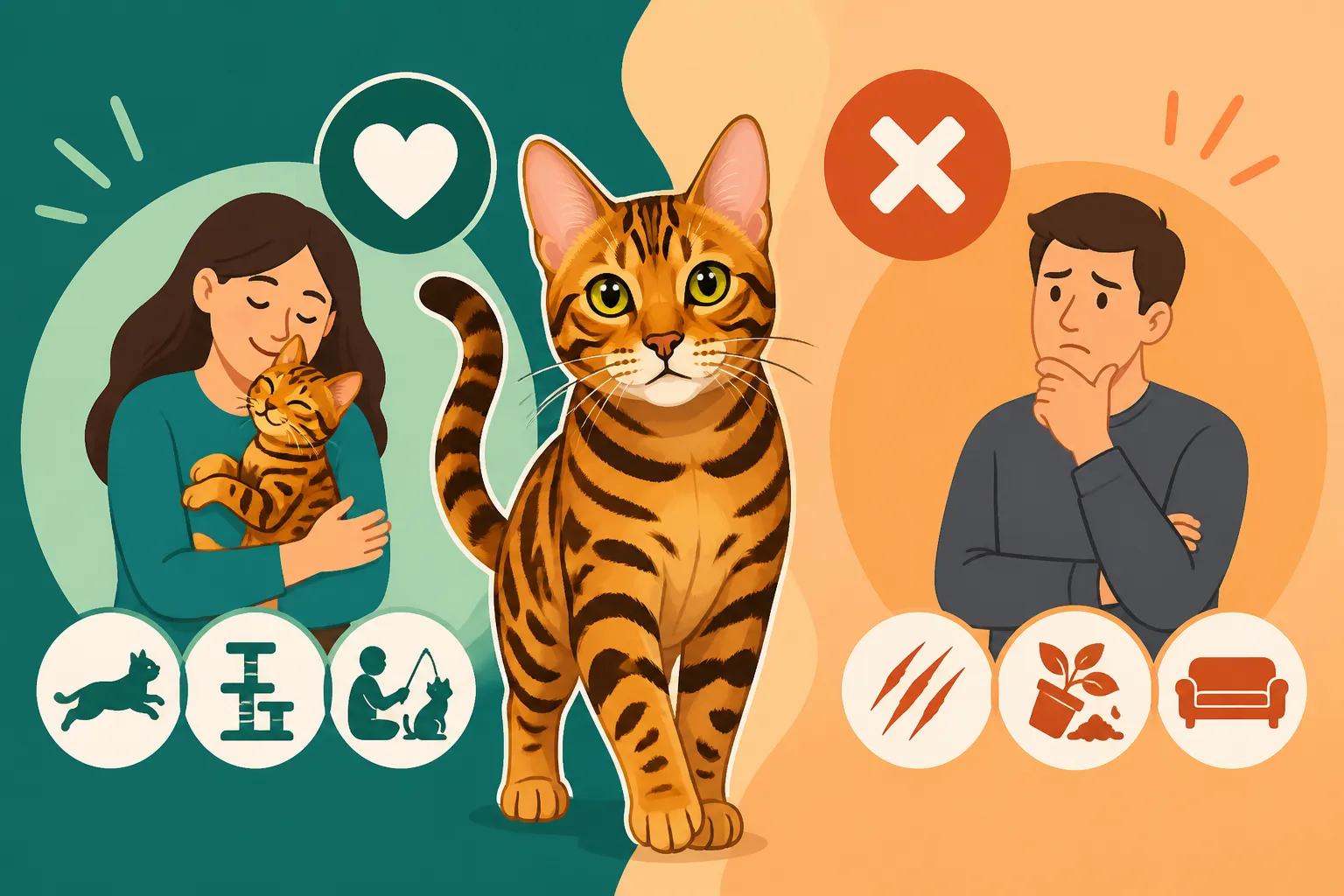
Ultimately, determining whether a Bengal cat is right for you boils down to a realistic assessment of your lifestyle and expectations. Are you prepared for a cat that actively participates in your life, rather than merely coexisting with you? These cats thrive on interaction and can be quite demanding of your time and attention. If you work long hours, travel frequently, or have a busy social life that often takes you away from home, a Bengal might become lonely or, worse, develop anxiety or destructive habits. In such cases, getting two Bengals (who can entertain each other) or ensuring you have a dedicated cat sitter who understands their needs is often a better solution than leaving them alone for extended periods. This speaks directly to How Long a Bengal Cat Can Be Left Alone before problems arise.
Consider your existing household dynamics. If you have children, particularly very young ones, you'll need to teach them how to interact respectfully with an energetic cat. Bengals are not typically aggressive, but their high play drive means they might roughhouse a bit too enthusiastically for a small child. With proper introductions and supervision, A Bengal Cat With Children, Dogs and Other Cats can be harmonious, but it requires effort. If you have other pets, especially small ones like hamsters, birds, or fish, be aware that Bengals retain a strong prey drive. While some can be raised with small pets, it's a significant risk that needs careful consideration.
Finally, you need a good sense of humor and a lot of patience. Bengals will challenge you, they will surprise you, and they will occasionally make you pull your hair out. They are incredibly intelligent, sometimes to their own detriment, and can learn complex tasks. How Intelligent a Bengal Cat Is means they're always learning and adapting. If you're a first-time cat owner, or if you prefer a predictable, tranquil home environment, a Bengal might be more than you bargained for. They are not a "set it and forget it" pet, and because of their intense needs, some might even consider them Why a Bengal Cat Is a Bad First Cat. However, for those willing to embrace their wild spirit and commit to their unique needs, a Bengal cat offers an unparalleled companionship that is endlessly entertaining and deeply rewarding.
Here’s a quick overview of how a Bengal cat’s needs stack up against those of a typical domestic cat:
| Trait/Need | Typical Domestic Shorthair Cat | Bengal Cat |
|---|---|---|
| Energy Level | Moderate, enjoys long naps | Very high, constant exploration and play needs |
| Vocalization | Varies, often soft meows | Loud, chirps, yowls, demanding conversations |
| Curiosity/Intelligence | Moderate, some problem-solving | High, opens doors, cabinets, learns tricks |
| Water Affinity | Generally averse | Often loves water, plays in sinks, enjoys baths |
| Social Needs | Can be independent, appreciates company | Highly social, demands interaction and attention |
| Enrichment Needs | Basic toys, scratching post, window perch | Catio, wheel, tall trees, puzzle feeders, leash walks |
| Destructive Potential | Moderate if bored | High if bored/under-stimulated |
| Commitment | Moderate | High, requires significant time and engagement |
Disclaimer
This article is for general informational purposes only and does not constitute professional advice. Laws, prices and regulations vary by location and change over time. Consult a qualified professional for guidance on your specific situation.