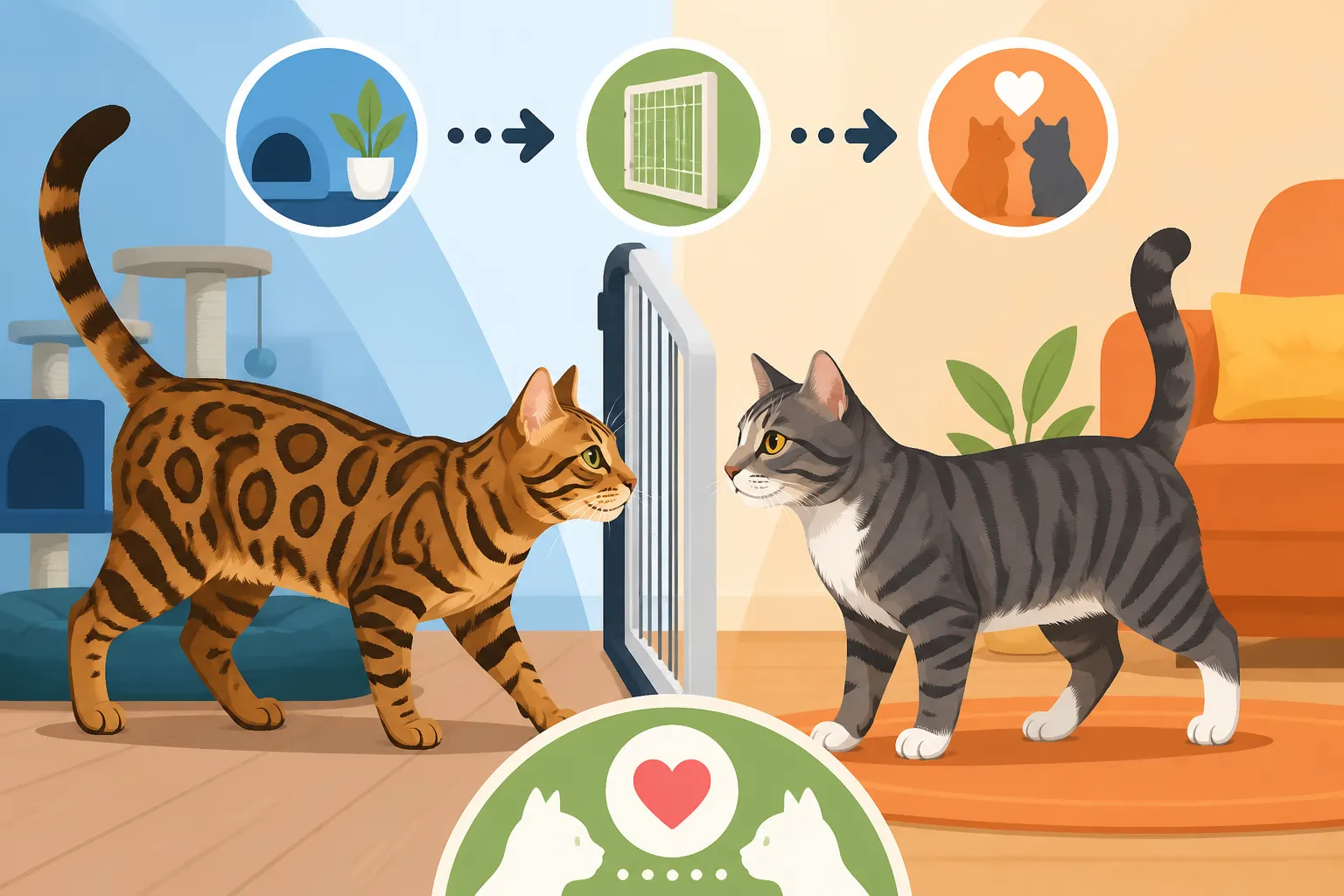
How to Introduce a Bengal Cat to a Resident Cat
Bringing a new cat into a home where another feline already reigns supreme can be a nerve-wracking experience, especially when the newcomer is a high-energy, boisterous Bengal cat. Many owners worry about constant fights, endless hissing, or one cat becoming stressed to the point of illness. This guide will walk you through a step-by-step process for introducing your Bengal cat to your resident cat, focusing on patience, positive reinforcement, and understanding the unique needs of both your cats to foster a peaceful co-existence.
Understanding the Bengal Cat's Social Nature and Your Resident Cat's Temperament
Before you even think about letting your new Bengal cat and your existing feline monarch meet face-to-face, it's absolutely crucial to understand the distinct personalities and needs at play. Bengals are not your average couch potatoes, and your resident cat, whatever their breed, will have their own established routines and comfort zones. Ignoring these fundamental aspects is a recipe for disaster.
The Bengal's Unique Energy and Curiosity
Bengal cats are celebrated for their wild appearance, but that striking look comes hand-in-hand with an equally wild spirit. They are incredibly active, intelligent, and intensely curious creatures. This isn't a cat content to sleep away 18 hours of the day. A Bengal cat needs constant engagement and mental stimulation, which can be a lot for a more laid-back resident cat to handle. Think of it like bringing a very enthusiastic, boundless puppy into a quiet library – it's going to be an adjustment for everyone. This innate drive means they might try to "play" with a resident cat that isn't interested, leading to perceived aggression or annoyance. Their natural hunting instincts also mean they might stalk or pounce on another cat, not out of malice, but pure, unadulterated Bengal energy. You might find it helpful to read about The Bengal Cat Is the Most Active Cat You Can Own to truly grasp what you're bringing into your home.
Furthermore, Bengals, like most cats, can be quite territorial. While they might be happy to share their space with people they love, another cat entering their perceived domain can trigger protective behaviors. This applies to both the new Bengal entering the resident cat's territory, and potentially even the Bengal creating their own territory once settled. Their confidence and sometimes pushy nature can easily overwhelm a shy or senior resident cat, who might perceive the Bengal's playful overtures as threatening. It’s important to remember that they thrive on being the center of attention and might not take kindly to sharing that spotlight initially. Understanding How Territorial a Bengal Cat Is will give you a deeper insight into this aspect of their personality.
Reading Your Resident Cat's Signals
Your resident cat, regardless of their breed, has a well-established routine and sense of security in their home. They have their favorite sleeping spots, their designated feeding zones, and their preferred litter box. Introducing a new cat, especially one as dynamic as a Bengal, is a massive disruption to their world. It’s paramount that you become a master at reading your resident cat’s body language during this process. Are their ears flattened? Is their tail tucked? Are they hissing or growling? These are clear signs of stress, fear, or annoyance, and they tell you to slow down the introduction. Some cats will become withdrawn, hiding more often, or even start avoiding their litter box due to anxiety.
Conversely, look for positive signals: a relaxed posture, ears forward, slow blinks, or even a curious sniff under a door. These are indicators that they might be more receptive to the next stage of introduction. Never, ever force an interaction. Your resident cat's comfort and emotional well-being are paramount, as their stress can lead to behavioral problems or even health issues like stress-induced cystitis. Remember, you’re asking them to share their entire world, and that takes time and respect for their boundaries. A stressed resident cat can also pick up digestive issues, so be mindful of any changes in their litter box habits, as Why a Bengal Cat's Gut Is So Sensitive explains the connection between stress and gut health.
The Essential Setup for a Smooth Introduction
Successful cat introductions are less about magic and more about methodical planning and execution. The environment you create for both cats, especially in the initial stages, will dictate the pace and ultimate success of their relationship. You need to think like a cat, anticipating their needs for security, privacy, and resources.
Creating a Safe "Base Camp" for Your Bengal
When your new Bengal cat first arrives, they absolutely need their own dedicated "base camp" – a safe, quiet room where they can decompress and adjust without the immediate pressure of meeting the resident cat. This room should be completely separate, ideally with a solid door that can be closed firmly. Equip this sanctuary with everything your Bengal needs: a food bowl, a water fountain (Bengals often love running water!), a litter box, a comfortable bed, a scratching post, and an assortment of toys. Make sure these resources are away from any noisy appliances or high-traffic areas in the room itself. This space isn't just for eating and sleeping; it's their personal territory, a place where they can feel secure and establish their scent.
Ensure the base camp is truly secure. Bengals are incredibly adept at opening doors and cabinets, so consider child-proof locks or other mechanisms to prevent accidental escapes. This controlled environment minimizes stress for the new cat and prevents them from feeling overwhelmed by a new home and a new resident cat all at once. During this initial period, you should spend quality time with your Bengal in their base camp, playing and cuddling, to reinforce that this new human is a source of comfort and positive experiences. This solo bonding time is crucial for building trust.
Preparing Your Resident Cat's Space
While your new Bengal is settling into their base camp, it's equally important to ensure your resident cat still feels secure and loved. Do not neglect them! Their world has just been turned upside down, and they need reassurance. Make sure their litter boxes, food bowls, water, and favorite sleeping spots remain exactly where they are. In fact, consider adding an extra litter box or two in different locations to give them choices and reduce any potential resource guarding stress. Bengals can be quite particular about their litter habits, and you'll soon learn Why a Bengal Cat Throws Litter Everywhere, so ensuring multiple options can ease tensions.
Providing ample vertical space for your resident cat is also critical. Cats feel safer when they can observe their surroundings from a height. Investing in sturdy cat trees, wall shelves, or even clearing off a high bookshelf can give your resident cat a sense of control and escape routes if they feel threatened. This ensures that even when the cats eventually meet, your resident cat has a safe retreat where the Bengal can't easily reach them. Reinforce positive associations with their existing space by continuing your normal play routines, offering their favorite treats, and showering them with attention. This sends a clear message that their status in the household hasn't changed.
Tools and Supplies for Success
Having the right tools on hand can make a world of difference during the introduction phase. These aren't just luxuries; they're essential aids for managing feline stress and facilitating positive interactions. First up, consider Feliway diffusers. These release synthetic feline pheromones that mimic the natural calming signals cats produce, helping to reduce stress and anxiety for both cats. Plug one into your Bengal's base camp and another in a central area where your resident cat spends a lot of time.
High-value treats are your secret weapon. These are special treats that your cats absolutely adore and only get during positive interactions related to the introduction. Think freeze-dried chicken or tuna flakes – something they'd do anything for. You'll also need separate food bowls, even once they're eating in the same room, to prevent competition. Sturdy carriers are useful for safely moving the new cat if needed. Lastly, a good selection of interactive toys, especially wand toys, will be invaluable for redirecting your Bengal's energy and facilitating parallel play. Many of these items, from calming diffusers to high-quality puzzle feeders that can keep a Bengal busy, can easily be found and ordered online through retailers like Amazon.
The Step-by-Step Introduction Process: Slow and Steady Wins the Race
This is where your patience will truly be tested, but rushing it is the quickest way to create long-lasting animosity between your cats. Remember, you're building a relationship, not just forcing proximity. Each step should be approached with caution, moving forward only when both cats display calm, positive body language.
Scent Swapping: The First Crucial Step
Before your cats ever lay eyes on each other, they need to get used to each other's scent. This is a fundamental way cats gather information and assess potential threats or allies. Start by gently petting your Bengal with a soft cloth or a pair of socks, then take that item and place it in your resident cat's favorite sleeping spot or near their food bowl. Do the same in reverse – pet your resident cat with a fresh cloth and introduce that scent into your Bengal's base camp. Observe their reactions: a relaxed sniff is good; hissing, backing away, or aggressive posturing means you need to slow down.
You can also swap bedding or small toys between their spaces. Another effective method is to pet one cat, then immediately pet the other, transferring scents directly. This subtly blends their smells and helps them associate each other's scent with you, a known positive entity. This scent swapping should continue for several days, or even a week, until both cats seem indifferent or even curious about the other's smell. It's a low-stress way to introduce them to the idea of another cat in the house without any direct confrontation.
Sight Without Contact: The Barrier Method
Once scent swapping is going smoothly, it's time for the "sight but no contact" stage. The goal here is to allow them to see each other in a controlled, safe environment, where they cannot physically interact. A baby gate or a screen door placed in the doorway of your Bengal's base camp works wonderfully for this. This creates a visual barrier while still allowing air and scents to pass through.
During this stage, conduct supervised feeding sessions. Place your Bengal's food bowl on one side of the barrier and your resident cat's bowl on the other, far enough apart that they can eat comfortably without feeling threatened. Gradually, over several days, move the bowls closer to the barrier as long as both cats remain relaxed and continue to eat. If one cat stops eating or shows signs of stress (hissing, growling, tail twitching), move the bowls further apart and restart the process more slowly. These positive, shared experiences, especially around meal times, help them associate each other's presence with good things. Keep these visual sessions short initially, perhaps just 5-10 minutes, and always end on a positive note.
Controlled Supervised Visits
When both cats are eating calmly near the barrier and showing no signs of aggression or fear, you can move to supervised visits with no barrier. This is a big step, so choose a time when both cats are generally calm and relaxed. Open the door to the base camp, but be ready to intervene immediately if needed. Keep the first few sessions very brief – just a few minutes – and focus on positive reinforcement. Distract them with toys, offer high-value treats, and praise them for calm behavior. Consider having two people present, one to supervise each cat, to ensure quick intervention if things escalate.
During these visits, observe their body language closely. Are they curious? Are they sniffing? Are they ignoring each other? All of these can be good signs. Avoid picking up or comforting a stressed cat, as this can reinforce fearful behavior. Instead, try to redirect their attention with a treat or toy. It's often helpful to engage your energetic Bengal with a wand toy during these sessions, allowing them to burn off some of that incredible energy. Remember, How Much Exercise a Bengal Cat Needs a Day is substantial, and a well-exercised Bengal is generally a calmer Bengal. Always end the session before either cat becomes agitated, returning the Bengal to their base camp. Gradually increase the duration of these visits over days or weeks, depending on their comfort level.
Dealing with Setbacks and Aggression
It's entirely possible, and even probable, that you'll experience setbacks. A hiss, a growl, a swat, or a chase can happen, and it doesn't mean your efforts have failed. It simply means you've pushed too fast. If aggression occurs, immediately and calmly separate the cats without yelling or punishing them. Return to an earlier, successful stage of the introduction. For example, if a supervised visit ended with a fight, go back to sight-without-contact with the barrier, or even just scent swapping, for a few days. The key is never to force interaction and to let them dictate the pace.
Persistent aggression, constant hiding, or one cat showing signs of extreme stress (e.g., inappropriate urination, loss of appetite, excessive grooming) are serious warning signs. Don't ignore them. If you've diligently followed the steps and are still facing significant issues, it might be time to consult with a veterinary behaviorist. They can provide tailored advice and strategies for particularly challenging situations, potentially identifying underlying issues you might not be aware of. Sometimes, a Bengal's demanding nature, as discussed in Why a Bengal Cat Yowls at You, can be a sign of stress or a demand for attention, which can exacerbate tensions with a resident cat.
Long-Term Harmony: Beyond the Introduction
Even after your Bengal and resident cat seem to be tolerating, or even enjoying, each other's company, the work isn't entirely over. Maintaining harmony requires ongoing management of resources, energy levels, and individual needs. Think of it as cultivating a garden – you don't just plant seeds and walk away.
Ensuring Plenty of Resources
One of the biggest sources of feline conflict, even among cats who appear to get along, is resource scarcity. Always ensure you have more resources than cats. This means at least one litter box per cat plus one extra, scattered throughout the house. So, for two cats, you'd want at least three litter boxes. The same goes for food and water stations. Place them in different, non-confrontational areas. For instance, don't put both food bowls in a narrow hallway where one cat could easily block the other. Give them choices.
Having multiple scratching posts and resting spots in various locations, including elevated perches, is also vital. This prevents competition for prime real estate and allows each cat to have their own space without feeling the need to constantly defend it. If you have an especially energetic Bengal, investing in multiple robust cat trees and climbing structures is a must, as they are renowned for their climbing prowess. This ensures both cats have plenty of options and don't feel like they have to constantly vie for attention or comfort.
Managing Play and Energy Levels
Bengals have an almost insatiable need for play and mental stimulation. If this energy isn't channeled appropriately, they are highly likely to try to get their resident cat to play, often in a way that the resident cat perceives as harassment. Your resident cat might simply want to nap, only to have the Bengal pounce on them repeatedly. This is where dedicated play sessions with your Bengal become critical. Plan for multiple short, intense play sessions throughout the day, especially before bed. Use interactive wand toys, laser pointers (with a solid "catch" at the end), and fetch games to tire them out physically and mentally. A truly tired Bengal is a well-behaved Bengal! If you want to know more about their enrichment needs, take a look at How Much Enrichment a Bengal Cat Actually Needs.
Puzzle feeders are another fantastic way to engage their intelligent minds and burn off energy. Instead of simply putting food in a bowl, make them work for it. There are many different types of puzzle feeders available on Amazon that challenge cats to bat, roll, or dig for their kibble or treats. This helps prevent boredom, which can lead to destructive behaviors, as detailed in What a Bored Bengal Cat Destroys, and can also alleviate some of the pressure on your resident cat. When your Bengal is focused on solving a puzzle or chasing a feather wand, they're less likely to be bothering their housemate.
When to Seek Professional Help
While most cat introductions can be successfully managed with patience and the right techniques, there are times when professional intervention is necessary. If, despite your best efforts and following all the steps, you're still seeing consistent aggression, chronic fear, excessive hiding, or stress-related physical symptoms (like inappropriate urination, vomiting, or diarrhea) in either cat, it's time to call in a professional.
A certified feline behaviorist or a veterinarian specializing in behavior can assess the specific dynamics in your home, identify any underlying issues, and develop a personalized plan. They might suggest additional strategies, specific medication for anxiety, or different types of environmental enrichment. Don't view seeking help as a failure; it's a responsible step toward ensuring the long-term well-being and harmony of all your feline family members. Sometimes, another set of experienced eyes can spot crucial details you might have missed.
| Stage of Introduction | Primary Goal | Key Activities | Signs of Progress | What to Do if Setback Occurs |
|---|---|---|---|---|
| 1. Base Camp | Allow new Bengal to decompress & establish scent | Bengal in separate room with all resources; resident cat has full run of rest of house | Bengal comfortable in room; resident cat unaffected | Maintain separation; ensure all needs are met for both cats |
| 2. Scent Swapping | Familiarize cats with each other's scent | Swap bedding/toys; rub cloths on cats and exchange; pet one, then other | Indifference or curiosity to other's scent | Revert to previous method of scent introduction |
| 3. Sight (No Contact) | Visual introduction through barrier | Use baby gate/screen door; feed meals near barrier, gradually moving closer | Eating calmly near barrier; relaxed body language | Increase distance of bowls; return to scent swapping if needed |
| 4. Supervised Visits | Short, controlled physical interactions | Open door for brief periods; use high-value treats and toys; end on positive note | Mutual sniffing; relaxed interaction; no aggression | Immediately separate; revert to barrier method or scent swapping |
| 5. Co-habitation | Unsupervised integration; long-term harmony | Ensure ample resources, vertical space; daily play with Bengal; continue positive reinforcement | Peaceful co-existence; shared spaces; occasional play | Reintroduce elements of previous stages as needed; seek professional help if persistent |
Disclaimer
This article is for general informational purposes only and does not constitute professional advice. Laws, prices and regulations vary by location and change over time. Consult a qualified professional for guidance on your specific situation.