How a Bengal Cat Reacts to a New Dog
Bringing a new dog into a home with a Bengal cat can feel like navigating a delicate ecosystem. You know your Bengal is a vibrant, opinionated creature who thrives on routine and clear boundaries, and the thought of disrupting their world with a bouncy, unknown canine can be genuinely anxiety-inducing. This guide will walk you through understanding your Bengal's unique perspective, preparing your home for a new arrival, and introducing them in a way that minimizes stress and maximizes the chances of a truly harmonious coexistence.
Understanding Your Bengal's Unique Nature
Before you even think about bringing a new dog home, it's crucial to appreciate what makes your Bengal cat tick. They aren't just a regular house cat with fancy spots; they carry a strong lineage from their wild ancestors, and this influences nearly every aspect of their behavior, especially when faced with a perceived intruder. Understanding these instincts is the first step to a successful introduction.
The Hunter's Instinct: Why Bengals See the World Differently
Your Bengal cat descends from the Asian Leopard Cat, a small, solitary wild furball that relied heavily on its keen senses and hunting prowess to survive. This wild heritage is deeply embedded in their DNA, manifesting as an exceptionally high prey drive and an inherent wariness of the unknown. When a new dog enters the picture, your Bengal might not immediately see a new friend. Instead, they might perceive a large, noisy, and potentially threatening predator, or even worse, a clumsy, oversized toy that needs to be "handled."
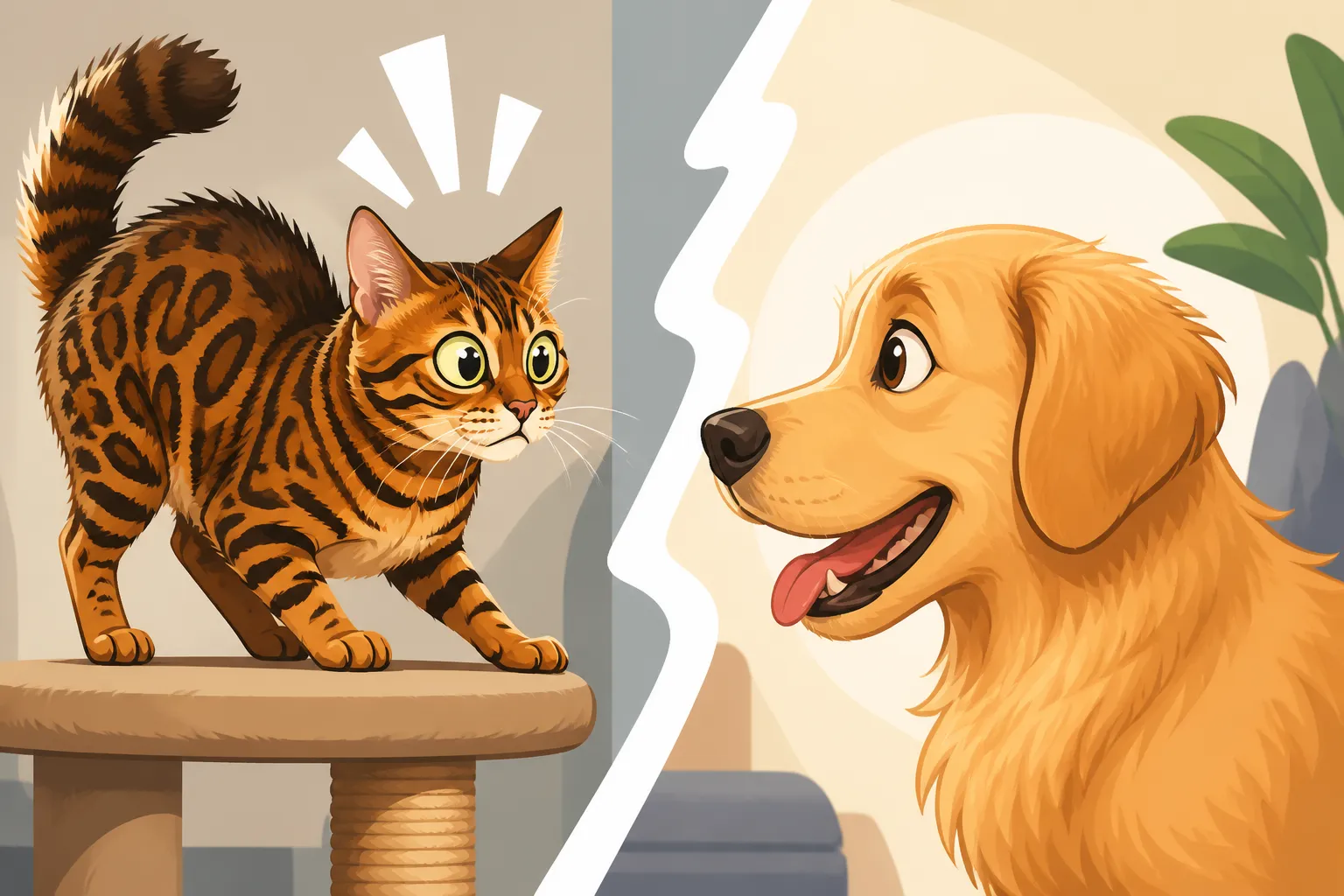
This isn't about aggression for aggression's sake; it's instinct. A Bengal's world is often about identifying potential threats, assessing opportunities for play (which can look like hunting), and securing their resources. A dog's boisterous greetings, wagging tail, and playful barks can be utterly terrifying or intensely irritating to a cat whose instincts scream "danger!" or "competition!" You might notice your Bengal freezing, pupils dilating, or even attempting to stalk the new dog from a distance. Their primary goal is often self-preservation or asserting dominance in their established territory, which can easily be misconstrued if you don't understand the underlying drive.
Their Territory is Sacred: A Bengal's Need for Space
Bengal cats are deeply attached to their environment and consider their home their personal domain. They've meticulously mapped out every nook and cranny, identifying prime napping spots, escape routes, and vantage points. The sudden appearance of a new dog, especially one that doesn't understand these unspoken rules, can be incredibly unsettling. This isn't just about sharing a sofa; it's about sharing everything – their food, their litter boxes, their favorite climbing structures, and even the air they breathe.
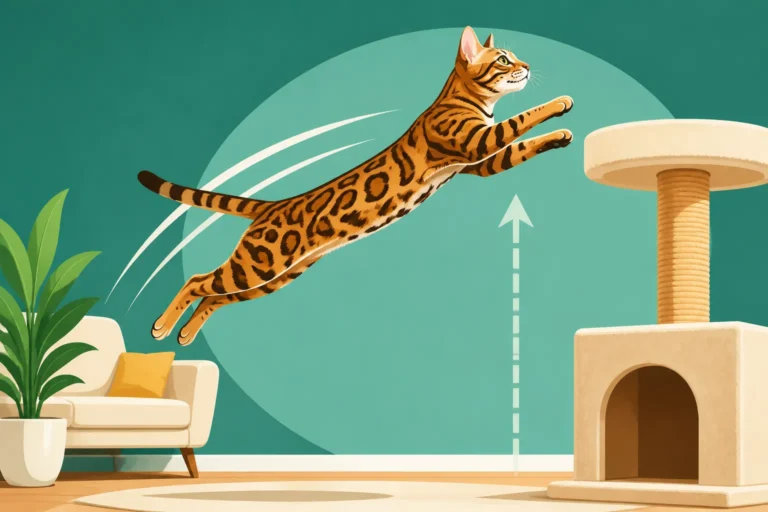
A dog, especially a playful or large one, can inadvertently invade a Bengal's personal space, block their escape routes, or simply be "too much" in their territory. Bengals require vertical space to feel safe and secure, as it allows them to observe their surroundings from a position of advantage. If a new dog consistently occupies or blocks these high-up perches, your Bengal will feel vulnerable and stressed. This territorial sensitivity is why careful planning of their shared environment is paramount. Any perceived threat to their established comfort zones can lead to stress, hiding, or even defensive aggression. How Territorial a Bengal Cat Is is a crucial read to truly grasp this aspect of their personality.
Not Your Average Lap Cat: Assessing Their Baseline Temperament
While some Bengals can be affectionate on their own terms, they are generally known for being independent, highly intelligent, and incredibly active. They're not typically the type of cat to curl up quietly for hours on end, tolerating whatever comes their way. Their energy levels are off the charts, and they demand mental and physical stimulation. What a Bengal Cat's Temperament Is Really Like often describes them as dog-like in their playfulness, but that doesn't mean they automatically accept a dog.
A Bengal that is already anxious, under-stimulated, or has had negative experiences with other animals will naturally have a much harder time adjusting to a new dog. Conversely, a well-socialized, confident, and enriched Bengal might be more tolerant, though still requiring a careful introduction. Consider your Bengal's existing personality: are they confident and curious, or shy and prone to hiding? Do they cope well with change, or does a rearranged furniture piece send them into a tizzy? These factors will heavily influence their reaction to a new canine family member. A Bengal needs sufficient How Much Enrichment a Bengal Cat Actually Needs to feel secure and prevent stress-induced behaviors, which can become amplified with a new pet in the house.
Preparing for the Canine Arrival: Setting the Stage for Success
Introducing a new dog to your Bengal isn't something you can just wing. It requires careful preparation, thoughtful planning, and a deep understanding of both animals' needs. The goal is to minimize stress for both pets and create an environment where they can gradually get used to each other, feeling safe and secure throughout the process.
Creating Safe Havens and Escape Routes for Your Bengal
This is perhaps the most critical step. Your Bengal must have areas where they can retreat, observe, and feel completely safe from the new dog. Think vertical space, and lots of it. Tall cat trees are non-negotiable, especially those that are sturdy and provide multiple perching levels. Look for robust options on sites like Amazon that can withstand a Bengal's energetic leaps and bounds. Wall-mounted shelves, cat highways, and even high tops of bookcases can offer invaluable safe zones. These spots allow your Bengal to survey the room from above, which is instinctively reassuring, and provide an immediate escape route if the dog gets too close.
Beyond verticality, ensure your Bengal has entire rooms or zones that are dog-free. Baby gates can be incredibly useful here. Install them in doorways to create cat-only zones where your Bengal can eat, use their litter box, and sleep without interruption. Make sure these gates are high enough that your dog can't jump over them, and consider models with a small cat door if your dog is too big to fit through it. Separate feeding stations and litter boxes are essential. Never force your Bengal to share these vital resources with the new dog, especially in the early stages. The more control your Bengal feels over their environment and resources, the less stressed they will be.
Gradual Introduction: The Scent and Sight Method
Impatience is your enemy when introducing a Bengal to a new dog. A sudden, face-to-face meeting can be disastrous, leading to fear, aggression, and a difficult uphill battle for future harmony. The key is a gradual introduction that starts with scent, moves to sight, and only then progresses to supervised physical interactions. The first step, ideally, should begin before the dog even sets foot in your house.
If possible, bring a blanket or towel that smells strongly of the new dog into your home a few days before their arrival. Place it in your Bengal's territory, perhaps near their food or a favorite sleeping spot, but not directly on it. This allows your cat to process the new scent in a non-threatening way, associating it with their safe space. Similarly, take a blanket from your Bengal and introduce it to the dog in their temporary space (if the dog is staying elsewhere first). This "scent swapping" is vital because smell is a cat's primary sense for identification and comfort. It helps them build a mental file on this new creature before they ever lay eyes on them.
Managing Initial Interactions: Leashes, Barriers, and Supervision
Once the dog is in your home, direct interactions need to be highly controlled. For the first few days, and possibly even weeks, keep the new dog on a leash whenever they are in the same area as your Bengal, even if separated by a barrier. This gives you immediate control and prevents any chasing or overly enthusiastic greetings that could terrify your cat. Baby gates or a sturdy pet playpen are your best friends here. They allow your Bengal and the dog to see and smell each other from a safe distance without physical contact.
These initial visual introductions should be short, positive, and always supervised. Never, ever leave your Bengal and the new dog alone together, even for a moment, until you are absolutely certain they are comfortable and safe with each other. Use treats and praise for both animals when they exhibit calm behavior in each other's presence. For example, if your Bengal observes the dog calmly from their cat tree, offer them a favorite treat. If the dog lies down quietly while the cat is in view, reward them too. The goal is to create positive associations with each other's presence. Remember, The Bengal Cat Is the Most Active Cat You Can Own, and this high energy needs to be managed in the dog too, to prevent overwhelming your cat.
The Introduction Process: Step-by-Step Guidance
Okay, the new dog is here, you've got your safe zones set up, and you're ready to embark on the actual introduction. This process is about patience, observation, and positive reinforcement. Don't rush it; every step should only progress when both animals are showing signs of comfort at the current stage.
Scent Swapping: Building Familiarity Before They Meet
We touched on this in the preparation phase, but it bears repeating and expanding. The first actual "introduction" happens through scent. Before any visual contact, swap bedding or toys between your Bengal and the new dog daily. For example, take a small blanket or towel that the dog has slept on and place it in a room your Bengal frequents, but perhaps not right next to their food bowl. Let your Bengal sniff it, walk around it, and get used to the dog's smell. Observe their reaction: are they hissing, batting at it, or are they curious and sniffing gently? If they seem stressed, move the item further away.
Simultaneously, take an item with your Bengal's scent – a favorite toy or a small piece of their bedding – and place it near the dog's sleeping area. This isn't just about familiarizing them with a new smell; it's about conditioning them to associate that smell with positive things. While they're investigating the swapped scents, offer high-value treats to both animals. This helps create a positive emotional response to the "smell of the other." This stage should last several days, or even a week, until both pets show no signs of stress around the other's scent.
Controlled Visual Meetings: The Power of a Barrier
Once scent swapping is going smoothly, it's time for controlled visual introductions. This is where baby gates, pet playpens, or even a glass door come into play. Set up a barrier between two rooms, allowing your Bengal and the dog to see each other without direct physical contact. Start with very short sessions, just a few minutes at a time, several times a day. During these sessions, keep both animals distracted with positive activities.
For your Bengal, this might mean a favorite interactive toy or a puzzle feeder filled with treats. For the dog, it could be a Kong stuffed with peanut butter or a chew toy. The idea is to keep their focus positive and prevent staring or barking. Reward any calm behavior. If your Bengal sits calmly and observes the dog, or even just ignores them, lavish praise and treats. If the dog lies down or looks away from the cat, reward them too. Keep the atmosphere light and positive. If either animal shows signs of stress (hissing, growling, lunging, hiding), immediately end the session and try again later, or even revert to scent swapping for a bit longer. Don't try to force proximity.
Supervised Interaction: Short, Positive Encounters
Once visual introductions are consistently calm, you can move to supervised physical interaction. Keep the dog on a leash initially, allowing your Bengal to roam freely. Choose a neutral room if possible, one that isn't intensely "owned" by your Bengal. Again, keep these sessions very short, perhaps 5-10 minutes. The goal is not for them to play together immediately, but for them to exist peacefully in the same space.
Continue to offer treats and praise for calm behavior from both. If the dog stares too intensely at the cat, gently redirect their attention. If your Bengal hisses or swats, gently guide them to a safe zone without scolding. Never use punishment, as this can create negative associations with the other pet. Focus on rewarding the positive. Play with your Bengal with a wand toy to distract them, or give the dog a chew. Over time, as both animals become more relaxed, you can gradually increase the duration of these supervised sessions and eventually allow the dog to be off-leash, but always under your watchful eye. Remember, consistency is key, and every interaction should reinforce the idea that the other pet's presence is a good, safe thing. How a Bengal Cat Gets On With a Dog highlights that success is built on these foundational, positive experiences.
Potential Challenges and How to Address Them
Even with the best intentions and meticulous planning, introducing a new dog to a Bengal cat can hit some bumps in the road. It's important to be prepared for these challenges and know how to address them effectively, always prioritizing the safety and well-being of both your pets.
Aggression or Fear from Your Bengal
It’s completely normal for your Bengal to react defensively to a new dog. You might see hissing, spitting, growling, swatting, or a flattened posture with dilated pupils. They might also retreat completely, hiding under furniture, refusing to come out, or even showing signs of stress like over-grooming or inappropriate urination in protest. These are all expressions of fear, territoriality, or a feeling of being overwhelmed. Do not punish these behaviors; they are communication.
If your Bengal shows significant fear or aggression, it’s a clear sign you’ve moved too fast. Immediately revert to an earlier stage of introduction, focusing on barrier methods or even just scent swapping again. Increase the distance between the pets, or shorten the duration of their meetings. Ensure your Bengal has multiple high vantage points and secure hiding spots. Offering high-value treats or engaging in a favorite game while the dog is visible (but far away) can help re-establish positive associations. If the Bengal is hiding, make sure they still have access to food, water, and a litter box in their safe space. Sometimes, a Bengal may start to show hidden pain (How a Bengal Cat Hides Pain) through changes in behavior, which can be exacerbated by stress, so keep a close eye on their overall health and demeanor.
Overly Enthusiastic or Persistent Dogs
A common problem is a dog that is simply too excited, playful, or persistent with the cat. A dog that constantly tries to chase, bark at, or "herd" the Bengal can quickly undo all your careful introduction work, causing deep fear and resentment in your cat. This isn't necessarily malicious on the dog's part; often, it's just their natural exuberance or lack of understanding cat body language.
In these cases, the focus shifts to training and managing the dog's behavior. Keep the dog on a leash in the presence of the cat until they learn to be calm. Practice commands like "leave it," "stay," or "down" and reward them heavily for ignoring the cat. If the dog fixates on the cat, immediately remove the dog from the situation for a short "time out" (without making it seem like a punishment, just a cessation of the fun). Use baby gates to limit the dog's access to areas where your Bengal needs peace. Consider enrolling your dog in obedience training, focusing on impulse control. Sometimes, a tired dog is a calm dog, so ensure your new canine friend is getting plenty of exercise and mental stimulation separate from the cat. How Intelligent a Bengal Cat Is means your cat will quickly pick up on patterns, so consistent management of the dog is vital.
When to Seek Professional Help
There are times when despite your best efforts, the introduction just isn't working, or behaviors become concerning. If you observe any of the following, it might be time to bring in a professional:
- Persistent aggression: If either animal is consistently showing aggressive behavior (biting, scratching that breaks skin, sustained growling or hissing, lunging) towards the other, even after repeated attempts at slow introductions.
- Severe fear: If your Bengal is constantly hiding, refusing to eat, or exhibiting stress-related behaviors like inappropriate urination or over-grooming for an extended period (more than a few days to a week).
- Injury: If either pet has injured the other, no matter how minor. This indicates a serious breakdown in safety.
- No improvement: If after several weeks or even months of consistent, gradual introductions, there is no progress, and the animals are still highly stressed or fearful in each other's presence.
In these situations, consult with your veterinarian first to rule out any underlying medical issues that could be contributing to the behavior. After that, seek out a certified professional dog trainer or a feline behaviorist. These experts can assess your specific situation, observe the interactions firsthand, and provide tailored strategies and interventions to help your pets coexist safely and happily. Sometimes, all it takes is an objective eye to spot something you've missed, or to offer a new approach that makes all the difference.
| Introduction Stage | Bengal Behavior (Positive Signs) | Bengal Behavior (Negative Signs) | Dog Behavior (Positive Signs) | Dog Behavior (Negative Signs) | Action to Take (Positive) | Action to Take (Negative) |
|---|---|---|---|---|---|---|
| Scent Swapping | Curious sniffing, rubbing on item, calm | Hissing, swatting, avoiding, stress grooming | Gentle sniffing, calm, ignoring the scent | Excessive barking, digging, destroying item | Reward with treats, continue swapping | Increase distance of scent item, revert to earlier steps |
| Controlled Visual | Calm observation, ignoring, eating normally | Hissing, growling, hiding, dilated pupils | Calmly observing, lying down, looking away | Barking, lunging, whining, intense staring | Reward with treats, maintain barrier, lengthen time | End session immediately, increase distance, revert to scent |
| Supervised Interaction | Calmly exploring, passing by, brief glances | Hissing, swatting, stalking, running away quickly | Calmly sitting/lying, ignoring, gentle sniffing | Chasing, nipping, persistent barking | Reward with treats, keep dog leashed, increase time | End session, revert to barrier, dog training for calmness |
| Unsupervised | Resting near each other, grooming, playing | Hissing, fighting, avoiding completely, stress signs | Resting, playing calmly, ignoring cat | Chasing, bullying, resource guarding | Continue monitoring, ensure safe spaces | Revert to supervised, seek professional help |
Disclaimer
This article is for general informational purposes only and does not constitute professional advice. Laws, prices and regulations vary by location and change over time. Consult a qualified professional for guidance on your specific situation.