How a Bengal Cat Behaves With Children
Bringing a new pet into a home with children is always a big decision, and when that pet is a Bengal cat, many families worry about how this wild-looking, high-energy breed will truly integrate. It's a valid concern, as Bengals aren't your average lap cat. This guide will walk you through everything you need to know about the unique dynamic between a Bengal cat and children, offering realistic advice and strategies to ensure a harmonious household for everyone, two-legged and four-legged alike.
Understanding the Bengal Cat Temperament First
Before we even consider how a Bengal cat interacts with children, it's crucial to understand the foundational personality of this incredible breed. They are not merely "cats with spots"; their lineage brings a unique set of traits that profoundly influence their behavior. Ignoring these core characteristics is where many prospective owners run into trouble, mistakenly thinking that a Bengal will act just like the domestic shorthair they grew up with.
The Energetic and Curious Nature of Bengals
Let's be real, if you're looking for a couch potato, a Bengal cat probably isn't it. These felines are powerhouse athletes with boundless energy and insatiable curiosity. They are constantly exploring, climbing, and investigating every nook and cranny of your home. Imagine a child who never stops asking "why?" and then imagine that child also has the agility of a gymnast and the strength of a small predator – that's often a Bengal cat in a nutshell! Their high energy isn't just a kitten phase; it's a lifelong trait. You'll want to read more about How Active a Bengal Cat Is to truly grasp their energy levels.
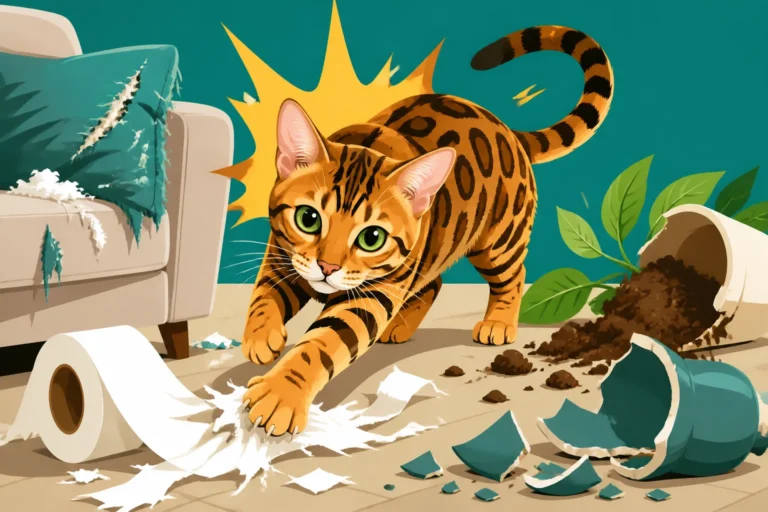
This relentless energy means they need constant engagement. A bored Bengal is often a destructive Bengal, and that's not just a cute saying. They will find ways to entertain themselves, which might include climbing curtains, dismantling cabinet latches, or unrolling entire toilet paper rolls with Olympic-level precision. This isn't out of malice, but pure, unadulterated intelligence and a need for stimulation. When children are in the mix, this energy can either be a fantastic match for play or a recipe for chaos if not properly managed.
Prey Drive and Instincts
Another significant aspect of the Bengal temperament, stemming from their Asian Leopard Cat ancestry, is their pronounced prey drive. While generations removed from the wild, that instinct to hunt, stalk, and pounce is very much alive. This manifests in their play, which is often vigorous and involves chasing, leaping, and "killing" toys. They might fixate on fast-moving objects, small scurrying things, or even the wiggling toes under a blanket. This isn't aggression; it's instinctual behavior.
Understanding this prey drive is vital when you have children. While a Bengal isn't typically aggressive towards humans, an overstimulated cat, or one whose play is misinterpreted, can unintentionally scratch or bite during enthusiastic play. Think of it less as an attack and more like a cat who just hasn't quite learned the delicate balance between playing with a toy and playing with a human hand. This is especially important for young children who might not understand boundaries.
Vocalization and Communication Style
Bengal cats are not shy, quiet creatures. They have a wide range of vocalizations that go far beyond a simple meow. You'll hear chirps, trills, chattering, and sometimes even loud yowls or howls that can sound quite wild. They are incredibly communicative and will often "talk" to you, expressing their desires, frustrations, or simply announcing their presence. Their voice is not always a polite request; it can be a demand for attention, food, or play. For more on this, check out The Bengal Cat Voice Is a Demand, Not a Greeting.
This vocal nature can be a source of amusement or irritation, depending on your tolerance. For children, it can be an interesting way to learn about animal communication, but it also means a Bengal isn't easily ignored. If a child is pulling their tail or bothering them, a Bengal might express their displeasure vocally, alongside other body language cues. Learning to read these signals is important for both adults and children to ensure mutual respect and prevent misunderstandings.
Introducing a Bengal Cat to Children: Best Practices
Bringing a Bengal cat into a home with children, or vice-versa, requires a thoughtful, patient approach. You can't just throw them together and expect magic. Just like introducing two adult cats, it's a process of careful management, positive reinforcement, and setting clear boundaries. Rushing this stage can lead to anxiety for both the cat and the children, and potentially create long-lasting behavioral issues.
Early Socialization is Key
The absolute best way to ensure a Bengal cat is good with children is through early, positive socialization. If you're getting a kitten, ask your breeder about their socialization practices. A good breeder will expose kittens to various sights, sounds, and gentle human interactions, including with children, from a young age. This helps the kittens grow up confident and less prone to fear or aggression towards new experiences. A well-socialized kitten is far more likely to adapt to a bustling family home.
If you're adopting an older Bengal, inquire about their history with children. Even if they haven't lived with kids, a cat that has been exposed to many different people and environments will generally be more adaptable. When you bring your Bengal home, continue this socialization in a controlled manner. Don't overwhelm them; slow, positive introductions to new people and situations will build their confidence. Think of it as gently expanding their comfort zone rather than throwing them into the deep end.
Creating Safe Spaces for Both
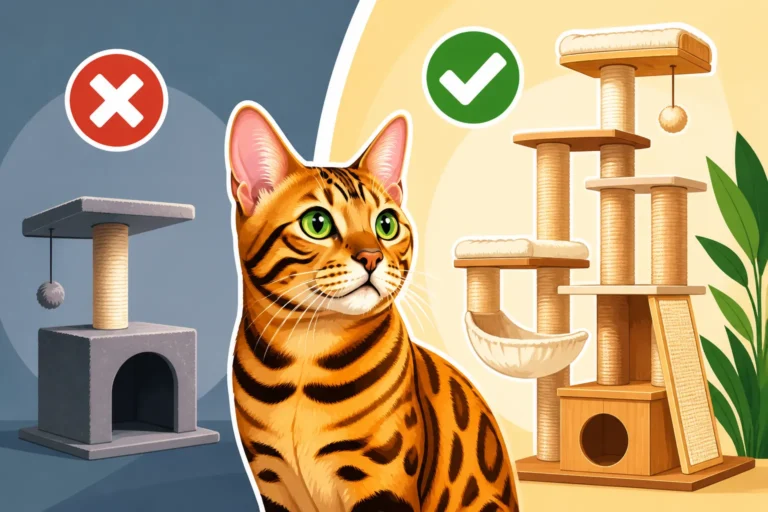
Every Bengal cat, especially in a home with children, needs a designated safe space where they can retreat and be undisturbed. This might be a high cat tree, a cozy cat bed tucked away in a quiet room, or even a hidden perch on a wall shelf. This is their sanctuary, a place where they know they won't be chased, poked, or bothered. Teaching children to respect this space is paramount. "When the cat is on its tree, leave it be" should be a household rule. You can find some amazing multi-level cat trees on Amazon that offer plenty of vertical retreats.
Conversely, children also need their own safe spaces from the Bengal's boisterous energy. This could be a playroom with a door the cat can't open (or is trained not to), or simply teaching children to retreat to their room if the cat's play becomes too intense. Setting up physical barriers like baby gates can also be helpful for managing initial introductions or for separating them when supervision isn't possible. This mutual respect for personal space reduces stress and potential conflicts for everyone.
Teaching Children How to Interact
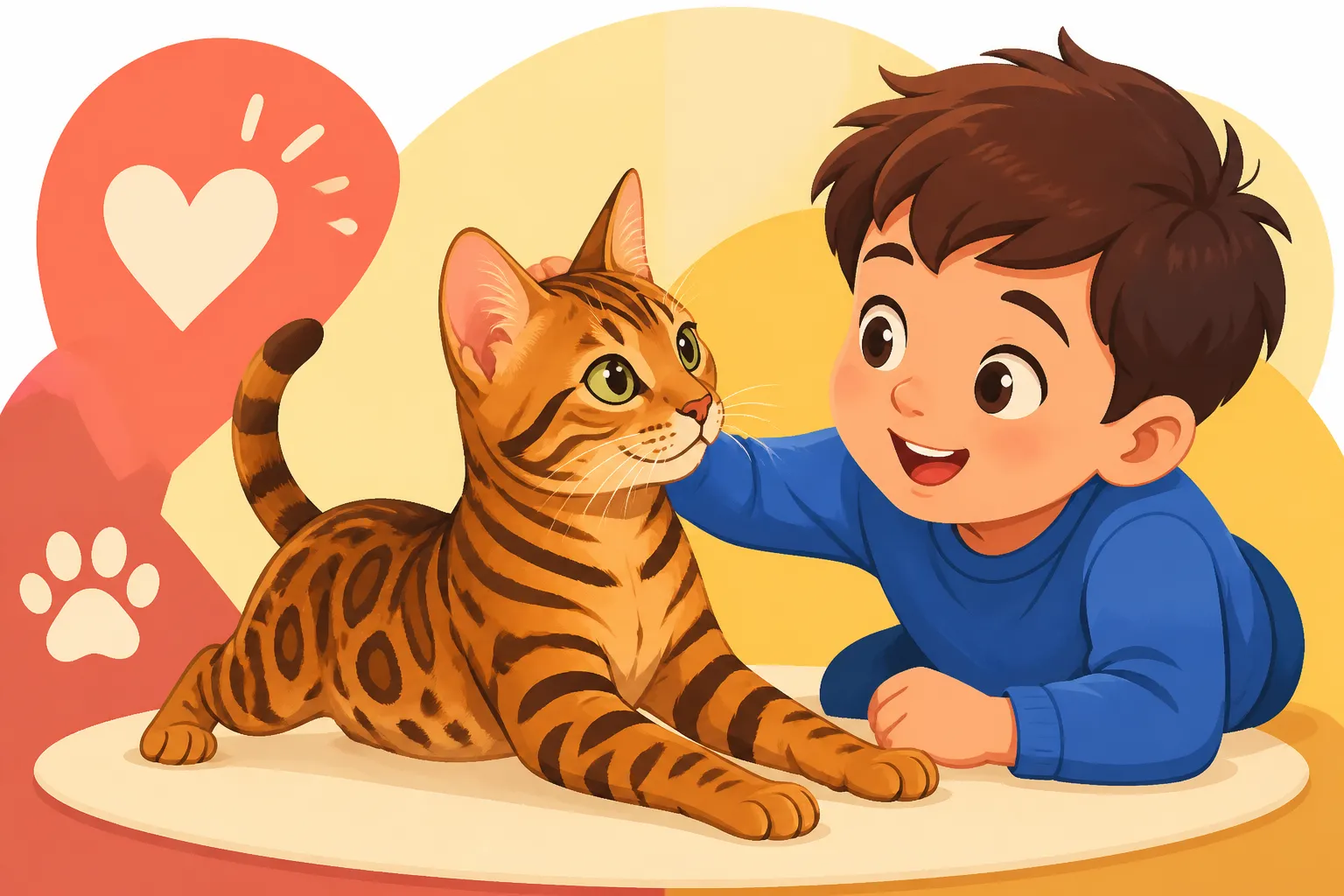
This is arguably the most critical step. Children, especially young ones, often don't understand how their actions affect animals. It's up to us, the adults, to teach them proper pet etiquette. Start with gentle handling: no pulling tails, no grabbing, no sudden movements. Show them how to stroke the cat gently, always moving in the direction of the fur, and primarily around the head and shoulders, avoiding sensitive areas like the belly.
Teach them to recognize the cat's body language. A twitching tail, flattened ears, dilated pupils, or a low growl are all signs that the Bengal is stressed or overstimulated and needs space. Teach children that when the cat walks away, it means "I need a break," and they should respect that. Make play interactive but safe, using wand toys to create distance between small fingers and sharp claws. Consider reading How a Bengal Cat Behaves With a Toddler for specific age-appropriate advice.
| Interaction Type | Good Practice for Children | Things to Avoid |
|---|---|---|
| Petting | Gentle strokes on head/back; let cat come to them | Grabbing, pulling tail, poking, belly rubs (unless cat invites) |
| Play | Use wand toys, laser pointers (with a treat at end), fetch | Using hands or feet as toys, roughhousing, chasing |
| Vocalization | Gentle talking, soft calls | Yelling, loud sudden noises, mimicking cat's distress sounds |
| Boundaries | Respect cat's safe spaces (cat tree, bed); give space | Following cat into retreat, cornering cat, interrupting naps |
| Feeding | Supervised feeding, offering treats gently | Stealing cat's food, forcing food, leaving human food accessible |
Potential Challenges and How to Manage Them
Even with the best intentions and careful introductions, living with a Bengal cat and children can present some unique challenges. Their innate traits, combined with the unpredictable nature of kids, mean that proactive management and consistent training are essential. It's not about if a challenge will arise, but how you prepare for and respond to it.
Over-Stimulation and Play Biting/Scratching
Bengal cats love to play, but their play can be intense. Sometimes, this can escalate quickly, especially if children are playing in a way that mimics prey (e.g., running wildly, making high-pitched noises, wiggling fingers). A Bengal might pounce, wrestle, and use their claws and teeth in play, which can be painful for a child. This isn't aggression, but an over-exuberant demonstration of their natural hunting instincts. Many owners wonder Whether a Bengal Cat Scratches a Child, and the answer is yes, if play isn't managed.
The key to managing this is prevention and redirection. Never allow children to use their hands or feet as toys. Always use interactive toys like wand toys, feather teasers, or crinkle balls. If the Bengal gets too riled up, immediately stop play and redirect their energy to a solo toy or a puzzle feeder. If they persist in rough play, calmly remove them from the situation for a short "cool down" period. Consistency is vital; everyone in the household needs to be on the same page about play rules. Keeping their claws trimmed regularly will also minimize accidental scratches, and durable toys from brands like Amazon can withstand their vigorous play.
Protecting Small Objects and Boundaries
Bengal cats are incredibly clever and curious, and they love to investigate. This means they will get into cabinets, open drawers, and try to bat around any small, interesting object they find. Add children's toys and trinkets into the mix, and you have a recipe for potential problems. Small LEGO bricks, doll accessories, or even tiny pieces of food can become choking hazards for your cat, or disappear into the cat's secret stashes.
To combat this, child-proofing your home takes on a new dimension – you're essentially cat-proofing too. Secure cabinets with child locks, ensure valuable or small items are stored out of reach, and teach children to put away their toys. Regular tidying becomes essential. Consider using clear storage bins for toys that can be easily tucked away. You might also find your Bengal develops a habit of "stealing" small, shiny objects, so keep keys, jewelry, and other enticing items secure.
Managing the Bengal's High Energy with Kid Play
The sheer energy of a Bengal can be overwhelming for some children, and vice versa. A Bengal cat's need for activity is profound; they need multiple play sessions throughout the day, often for extended periods. If this energy isn't channeled appropriately, they can become destructive or agitated, which impacts the calm of the household. It's not fair to expect a Bengal to simply "relax" when their instincts demand activity.
Integrate playtime with children where appropriate, but ensure that the play is structured and safe. A game of fetch with a soft ball can be a fantastic way for children to bond with the Bengal, for instance. A cat wheel can also be an amazing investment, giving your Bengal an outlet for their running energy. Beyond direct play, ensure your home offers plenty of vertical space (cat trees, shelves) for climbing and exploring, which helps burn off energy. A dedicated "enrichment zone" where the cat can engage with puzzle feeders and toys independently is also a good idea. Take a look at How Much Enrichment a Bengal Cat Actually Needs for more ideas.
Benefits of a Bengal Cat in a Child-Friendly Home
While the challenges might seem daunting, it's not all hard work! A well-integrated Bengal cat can bring incredible joy and unique benefits to a home with children. Their playful, intelligent, and affectionate nature can foster deep bonds and provide a one-of-a-kind pet experience. The key is setting them up for success from day one.
Interactive Play and Companionship
Few cat breeds can match the interactive playfulness of a Bengal. Unlike many cats who might tolerate a quick pet and then nap, Bengals are often eager participants in games. They love to chase laser pointers, fetch toys, and engage in elaborate games of hide-and-seek. This makes them fantastic playmates for children, turning ordinary afternoons into adventurous quests. Imagine your child throwing a toy and your Bengal enthusiastically bringing it back, ready for another round! This shared activity can be a powerful bonding experience.
Their desire for interaction means they're often right in the thick of family life, observing, participating, and adding a lively presence. They're not just background animals; they are active members of the family unit. This constant engagement provides companionship that can be particularly comforting and stimulating for children, especially those who thrive on active interaction rather than quiet observation.
Teaching Responsibility and Empathy
Caring for an animal as dynamic as a Bengal cat offers invaluable lessons for children in responsibility and empathy. Children can be involved in daily routines like feeding (under supervision), refilling water bowls, and engaging in supervised playtime. They learn that a pet is not a toy, but a living creature with needs, feelings, and boundaries. Understanding these needs, such as ensuring the cat has enough enrichment or quiet time, builds a child's sense of duty and compassion.
Observing the cat's unique behaviors, learning to interpret their body language, and respecting their space teaches empathy. Children learn to see the world from another being's perspective, understanding that sometimes the cat wants to play, and sometimes it wants to be left alone. This nuanced understanding of animal welfare can translate into greater empathy and respect for all living beings, a truly priceless lesson for growing minds.
A Unique Family Member
Let's face it, a Bengal cat stands out. Their striking, wild appearance and distinctive personality make them an unforgettable addition to any family. They spark conversations, intrigue visitors, and offer a connection to something truly special. For children, having such a unique pet can be a source of pride and wonder. They'll have stories to tell, and a constant source of entertainment and affection.
Beyond their looks, their intelligence and trainability mean they can learn tricks, walk on a leash, and even "talk" in their own special way. This makes them incredibly engaging and fosters a deep, meaningful relationship. They aren't just a pet; they become a central character in the family's story, bringing endless fascination and amusement to children as they grow up together.
When to Reconsider: Red Flags and Unsuitable Homes
While Bengal cats can thrive in many family environments, it's also important to be realistic. This breed is not for everyone, and sometimes, despite best efforts, a Bengal cat and a child-filled home might not be the right fit. Recognizing these situations early on can prevent heartache for both the human and feline members of the family. It's better to be honest about limitations than to struggle later.
High-Stress Environments
Bengal cats, despite their energetic facade, can be sensitive to their environment. A home that is constantly chaotic, noisy, and unpredictable can be a source of significant stress for them. If your household is characterized by frequent loud arguments, constant comings and goings, or an atmosphere of general upheaval, a Bengal might struggle to feel secure and settled. This isn't to say a busy family home is bad, but persistent, high-level stress is different.
Chronic stress in a cat can lead to a host of behavioral problems, including excessive vocalization, spraying, destructive behaviors, or even aggression as a coping mechanism. If children are often screaming, running wildly without supervision, or creating an atmosphere where the cat never truly feels safe to relax, it might be an unsuitable environment. A Bengal needs consistency and a sense of calm to truly thrive, even amidst their own high energy.
Lack of Supervision and Time
Owning a Bengal cat is a commitment, and in a home with children, that commitment is magnified. These cats demand significant interaction, enrichment, and consistent management, especially when it comes to their play and boundaries with kids. If adults in the household are unable or unwilling to provide consistent, diligent supervision of interactions between the cat and children, problems are almost inevitable.
This isn't a "get a cat and let the kids handle it" situation. It requires adults to be actively involved in teaching the children, managing play sessions, enforcing rules, and ensuring the cat's needs for mental and physical stimulation are met. If parents are too busy, frequently absent, or generally hands-off, a Bengal cat might not receive the guidance and attention it needs, potentially leading to a stressed cat and frustrated children. Think about How Long a Bengal Cat Can Be Left Alone – it’s not as long as you might think without proper enrichment.
Very Young or Overly Enthusiastic Children
While many Bengals can coexist happily with children, there's a particular dynamic that sometimes doesn't work well: very young toddlers or children who are overly enthusiastic and have difficulty controlling their impulses. Toddlers, by their nature, are still learning boundaries and motor control. They might inadvertently grab, pull, or poke, seeing the cat as another toy. A Bengal, in turn, might react defensively, even with a gentle swipe or nip, which can be traumatic for both the child and the cat.
Similarly, an older child who is simply too rough, doesn't listen to instructions, or constantly overstimulates the cat can create a dangerous situation. If a child repeatedly ignores warnings, continues to chase the cat, or provokes it, the cat's tolerance will eventually wear thin. It requires a realistic assessment of both the cat's and the children's personalities and temperaments to determine if they are a good match. Sometimes, it's better to wait until children are a bit older and more capable of understanding and respecting animal boundaries. For a general overview of the breed's personality, What a Bengal Cat's Temperament Is Really Like can offer good insight into what to expect.
Disclaimer
This article is for general informational purposes only and does not constitute professional advice. Laws, prices and regulations vary by location and change over time. Consult a qualified professional for guidance on your specific situation.