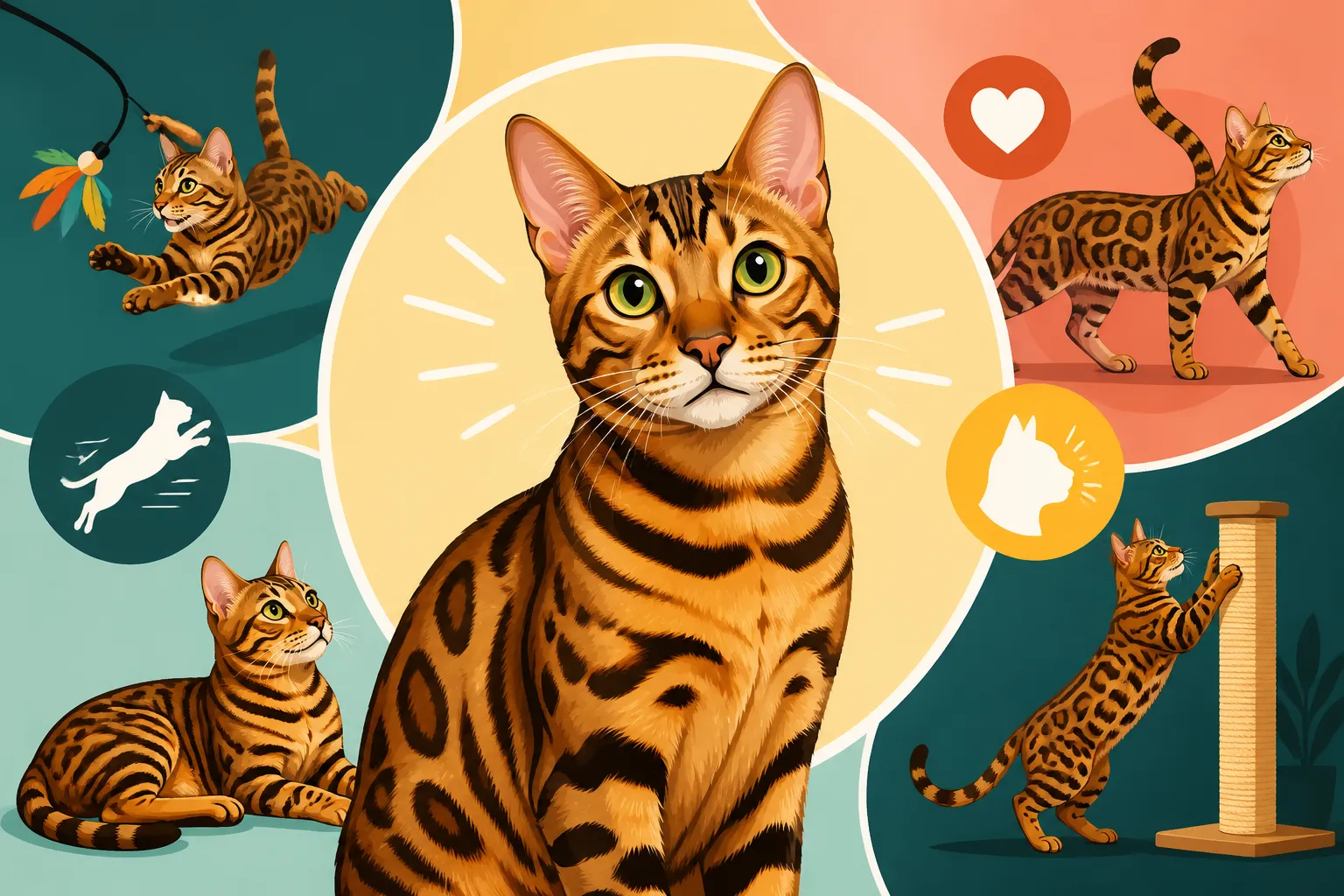
What a Bengal Cat’s Temperament Is Really Like
Many people are utterly captivated by the stunning beauty of a Bengal cat, drawn in by their wild-looking rosetted coats and piercing eyes. What often comes as a surprise, sometimes a delightful one and other times a challenging one, is that this striking appearance comes hand-in-hand with an equally distinctive personality. If you're considering welcoming one of these energetic, intelligent felines into your home, it’s crucial to understand what a Bengal cat's temperament is really like, beyond the glossy pictures and exciting videos. This guide will walk you through the true nature of these captivating creatures, helping you prepare for life with a cat that is anything but ordinary.
Dispelling the Wild Cat Myths: Understanding the Bengal's True Nature
Let’s get one thing straight from the start: while a Bengal cat looks like it just stepped out of the jungle, it’s far removed from its wild ancestor, especially the later generations. The allure of their exotic looks often leads to misconceptions about their temperament, painting them as untamable or overly aggressive. While they certainly retain some primal instincts, the reality of living with a well-socialized Bengal is quite different from keeping a true wild animal.
The Legacy of the Asian Leopard Cat (ALC)
The very first Bengal cats were a cross between a domestic cat and the Asian Leopard Cat (ALC). This initial hybridization in the 1960s by Jean Mill was fascinating, and it's where the Bengal gets its iconic appearance and a significant part of its vibrant personality. However, the influence of the ALC diminishes with each successive generation. Early generations (F1, F2, F3) are much closer to their wild roots, exhibiting more pronounced wild behaviors like shyness, wariness of strangers, and a stronger prey drive. These earlier generations require very specific care and are often not suitable for typical pet homes.
When we talk about the typical "Bengal temperament" for pet owners, we are almost always referring to what's known as an SBT (Stud Book Tradition) Bengal. This means the cat is at least four generations removed from its ALC ancestor. By this point, the temperament is predominantly domestic, though still retaining a unique, active, and intelligent edge that sets them apart from your average housecat. They carry the beauty and some of the physical traits, but their behavior is largely that of a highly socialized, affectionate companion. For more on this, you might find What SBT Means in a Bengal Cat helpful.
Why "Wild" Doesn't Mean Untamable
The common misconception that a Bengal is "wild" often translates in people's minds to "aggressive" or "unmanageable." In truth, a well-bred, well-socialized SBT Bengal is rarely aggressive in a typical domestic sense. Their "wildness" manifests more as intense energy, incredible athleticism, a keen intelligence, and a deeply ingrained curiosity about their surroundings. They are hunters and explorers at heart, even if their hunting ground is your living room.
This energetic nature can be misinterpreted if you're not expecting it. They're not content to simply lounge on the sofa all day, though they certainly enjoy a good cuddle after a vigorous play session. Their need for stimulation is profound, and if it's not met, this is where "bad" behaviors can start to surface. A bored Bengal is often a destructive Bengal, simply because they're finding their own ways to occupy their brilliant minds and powerful bodies. This isn't aggression; it's a natural consequence of their inherent drive.
Beyond the Hype: What to Expect from an SBT Bengal
For most pet owners, an SBT Bengal cat is what you’ll be looking for. These cats have had enough generations to smooth out the more challenging aspects of their wild ancestry while retaining the best parts: their stunning looks, playful nature, and intense devotion to their families. You can expect a cat that is incredibly interactive, often following you from room to room, supervising your activities, and even "helping" with chores.
They often form strong bonds with one or two primary people in the household, becoming intensely loyal and affectionate companions. However, their affection might not always be the quiet lap-cat type. It might involve head-butts, chirps, and an insistent demand for play. While they will certainly snuggle, especially on their own terms, they are typically not content to be purely decorative. They are an active participant in your life, not just an observer.
The Energetic Explorer: A Bengal's Insatiable Curiosity
If you're looking for a low-key, sedentary feline companion, a Bengal cat might not be your ideal match. These cats are wired for action, curiosity, and exploration. Their energy levels are legendary, and for good reason—they genuinely possess an almost boundless enthusiasm for life and everything in it.
Always On: The Drive for Play and Movement
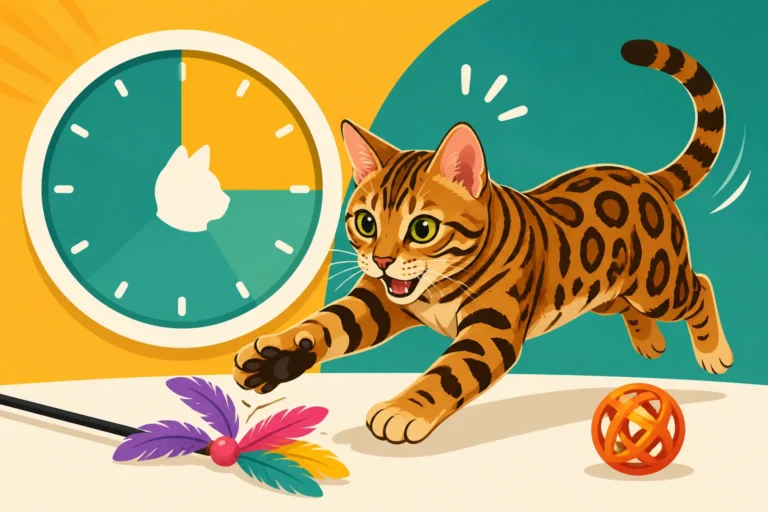
Bengals are incredibly active creatures, and this is perhaps their most defining temperament trait. They aren't satisfied with a quick flick of a feather wand; they demand full-body, high-intensity play sessions. Think of a marathon runner, but in cat form, and that's your Bengal. They love to run, jump, climb, and pounce. Their agility is breathtaking, easily scaling tall cat trees and bookshelves to reach the highest vantage points. How Active a Bengal Cat Is is a topic many new owners grapple with, and it's essential to understand.
These aren't cats that will "tire themselves out" quickly. In fact, many owners report that their Bengals seem to have an endless supply of energy. You might play with them for an hour, only to see them zoom off five minutes later, ready for the next adventure. This drive for movement and engagement means they need consistent, dedicated playtime, multiple times a day. Interactive toys, laser pointers (used responsibly to avoid frustration), and wand toys are all staples. Providing ample opportunities for physical exertion is paramount to their well-being and your sanity. You can find robust options for toys and climbing structures on platforms like Amazon that can stand up to their vigorous play.
The Houdini of the House: Problem-Solving Prowess
Beyond their physical energy, Bengals possess a sharp, inquisitive mind. They are problem-solvers, and they apply this intelligence to everything. Do you have a cabinet with a weak latch? They'll figure it out. A door that's not quite closed? They'll open it. A faucet dripping intriguing water? They'll turn it on. How a Bengal Cat Opens a Door isn't just a funny anecdote; it's a testament to their cleverness and dexterity.
This intelligence can be both endearing and exasperating. They learn quickly, whether it's how to fetch a favorite toy or how to liberate treats from a supposedly secure container. Owners often find themselves "cat-proofing" their homes to an entirely new degree, adding child locks to cabinets, securing anything fragile, and making sure valuables are out of reach. This isn't malicious behavior; it's simply a Bengal cat exploring its world and testing boundaries with its remarkable brainpower.
Water Warriors: Why They Love a Splash
One of the most charming and unique aspects of a Bengal's temperament is their often-unusual affinity for water. Unlike many domestic cats who view water with disdain, many Bengals are absolutely fascinated by it, and some even love to play in it, or, yes, even join you in the shower or bath! This trait is thought to be a direct inheritance from their ALC ancestors, who are known to hunt in shallow waters. You can read more about this in Why a Bengal Cat Loves Water.
You might find your Bengal playing in their water bowl, batting at the faucet, or even dipping their toys into water before playing. Providing them with a water fountain is often a great way to indulge this quirk while ensuring they stay hydrated. Some owners even set up shallow tubs for supervised water play. Just be prepared for potential splashes and puddles! This water fascination is another way their wild ancestry subtly expresses itself in their everyday domestic lives.
Communicative and Demanding: The Bengal's Distinct Voice
If peace and quiet are paramount in your home, you might need to adjust your expectations with a Bengal. These cats are often highly vocal, and their range of sounds is far more varied and expressive than the typical "meow" you might hear from other breeds. They communicate their needs, desires, and opinions quite readily.
More Than a Meow: Chirps, Trills, and Yowls
Bengals are not shy about using their voices. They have a repertoire that includes not just meows, but also chirps, trills, chattering, and sometimes even a deep, resonant yowl that can sound surprisingly wild. A chirp might be a greeting, a trill could be an invitation to play, and a persistent meow is usually a clear demand for something. Understanding What a Bengal Cat's Chirp Means can help you interpret their complex vocalizations.
They will often hold "conversations" with their owners, responding to your voice with their own unique sounds. While some individual Bengals are quieter than others, it's safe to assume that a Bengal will make its presence known vocally. This isn't necessarily a bad thing; for many owners, it's part of their charm and contributes to the strong bond they form.
Seeking Attention: The Bengal's Need for Interaction
Their vocal nature is closely tied to their intense need for interaction and attention. A Bengal isn't typically a cat that will quietly entertain itself in another room for hours on end. They thrive on being part of the action and will often follow you around the house, chirping and "talking" to you. If they feel neglected or ignored, their vocalizations can escalate into insistent yowls or repeated demands. Why a Bengal Cat Yowls at You often comes down to their desire for engagement.
This demanding nature isn't born of malice, but from a genuine need for mental and physical stimulation and a deep connection with their human companions. They see themselves as an integral part of the family, and they expect to be included in activities. If you're someone who enjoys a highly interactive pet, this aspect of their temperament will be a joy. If you prefer a more independent cat, you might find it overwhelming.
Boredom Busters: Preventing Destructive Behavior
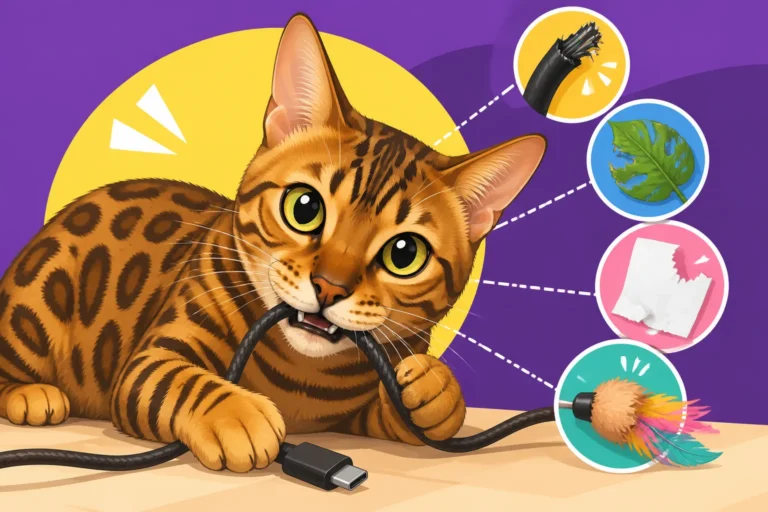
A Bengal that is bored or feels ignored will not just sit politely and wait for attention. Their high intelligence and energy mean they will find ways to entertain themselves, and these ways are often not to your liking. This can manifest as counter-surfing, opening cabinets, knocking items off shelves, or even tearing up furniture. What a Bored Bengal Cat Destroys is often a direct result of their need for mental and physical stimulation not being met.
To prevent such behaviors, you need to be proactive. Providing plenty of vertical space with tall cat trees and shelves (you can find fantastic, sturdy options on Amazon), interactive puzzle feeders, and regular, engaging play sessions are critical. A bored Bengal isn't misbehaving; it's simply trying to fulfill its natural instincts in an environment that isn't meeting its needs. Their destructive tendencies are often a cry for more engagement, not a sign of a "bad" cat.
Social Butterfly or Solo Adventurer? Compatibility with Others
Many potential Bengal owners wonder how these energetic and opinionated cats fit into a multi-pet household or a home with children. The answer, as with much of their temperament, is nuanced and depends heavily on early socialization and individual personality.
The Dynamics with Children
For families with older, respectful children, a Bengal cat can be a wonderful, playful companion. Their high energy levels can match that of an active child, leading to hours of interactive play. They often enjoy games of fetch and can be taught tricks, making them more like a dog in some ways. They generally tolerate handling well, especially if introduced to it kindly from a young age.
However, their intense play style and strong prey drive mean that they might not be the best fit for very young children or toddlers who might not understand boundaries. Bengals can play rough, and while it's rarely aggressive, a playful swat or pounce can be startling or even cause a scratch. Supervision is always key, and teaching children how to interact respectfully with any cat, especially one as robust as a Bengal, is paramount. Ensuring your Bengal has safe spaces to retreat to when they need a break is also crucial.
Friend or Foe? Introducing Other Pets
Bengals can absolutely thrive in homes with other pets, including dogs and other cats, provided introductions are handled carefully and gradually. Their confident and playful nature often means they can hold their own with larger dogs, and they might even initiate play. Many Bengal owners report their cats forming strong bonds with canine companions, chasing each other around the house and even snuggling together. How a Bengal Cat Gets On With a Dog often highlights their ability to adapt and even lead the play.
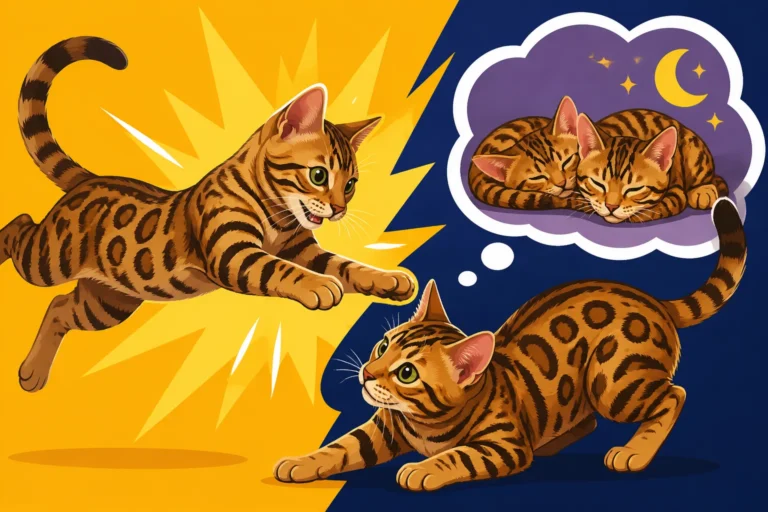
When it comes to other cats, the key is personality matching. Another active, confident cat can be a fantastic playmate for a Bengal, helping to burn off some of that endless energy. However, a shy, timid, or significantly less active cat might find a Bengal's boisterous nature overwhelming. It's often recommended that if you get a second cat for your Bengal, it should ideally be another Bengal or a similarly energetic breed to ensure compatibility. This can greatly impact When a Bengal Cat Needs a Second Cat. Their strong prey drive does mean that small, caged pets like hamsters, birds, or fish are generally not safe in a household with a Bengal.
The Need for Companionship (Human or Feline)
One thing is clear: Bengals are social animals. They crave companionship and interaction. While some might tolerate being alone for shorter periods, they generally do not do well being left alone for long stretches, day after day. They thrive on being part of a family, whether that family consists of humans, other suitable pets, or both. Their high intelligence and demanding nature mean that they really need someone to interact with, even if that's just a fellow feline.
If your lifestyle dictates long hours away from home, a Bengal might become lonely and bored, which can lead to stress-related behaviors or destructive tendencies. In such cases, providing a compatible companion cat (perhaps another Bengal!) can make a world of difference. Investing in automated toys and puzzle feeders from sites like Amazon can also help keep them stimulated during your absence, but they are never a full substitute for genuine interaction.
Intelligence and Trainability: More Than Just a Pretty Face
The Bengal cat's intelligence is often compared to that of a dog, and it's not an exaggeration. These cats are incredibly clever, quick learners, and surprisingly trainable, making them endlessly fascinating companions for those willing to engage with their sharp minds.
Learning Beyond the Litter Box
Bengals are renowned for their ability to learn tricks, solve puzzles, and even be clicker-trained. They pick up new commands with remarkable speed and enthusiasm, often enjoying the mental challenge as much as the reward. You can teach a Bengal to sit, stay, fetch, high-five, and even walk on a leash. Which Tricks a Bengal Cat Can Learn can be quite a long list!
This trainability stems from their natural curiosity and desire for interaction. They genuinely enjoy engaging with their humans in activities that stimulate their minds. If you’re willing to put in the time and effort, you’ll be amazed at what your Bengal can learn. This goes far beyond basic house training; they can understand routines, respond to their names, and even anticipate your next move.
Harnessing Their Cleverness for Good
Their intelligence, while a joy, also means they need constant mental stimulation. Simply providing toys isn't enough; they need interactive play, puzzle toys, and opportunities to "hunt" for their food. Puzzle feeders that require them to manipulate objects to get a treat are often quickly mastered and then demand an upgrade to something more challenging.
Many owners use their Bengal's intelligence to their advantage by teaching them acceptable behaviors and providing appropriate outlets for their energy. For example, instead of fighting their urge to climb, you can provide designated climbing structures. Instead of scolding them for opening cabinets, you can install child-proof locks, challenging their problem-solving skills in a way that doesn't lead to chaos. This approach transforms potential frustrations into opportunities for enrichment.
The Importance of Mental Stimulation
Just as important as physical exercise is mental enrichment. A Bengal cat needs its brain to be engaged. Without it, they can become bored, frustrated, and even destructive. This is where puzzle feeders, interactive games, and training sessions really shine. Think of it like this: if you had a highly intelligent child, you wouldn't just give them a ball and expect them to be content all day. You'd provide books, puzzles, and engaging activities. The same applies to your Bengal.
Rotating toys, introducing new challenges, and even hiding treats for them to find are all excellent ways to keep their minds sharp and happy. Many Bengal owners attest that a few minutes of focused training or a challenging puzzle game can be just as tiring for their cat as a vigorous chase with a wand toy. This dual approach to enrichment – physical and mental – is key to a happy, well-adjusted Bengal. For more insights, check out How Much Enrichment a Bengal Cat Actually Needs.
The Bengal Bond: Loyalty and Affection
Beneath all the energy, vocalizations, and clever antics, lies a deeply affectionate and loyal heart. The notion that Bengals are aloof or uncaring due to their wild looks couldn't be further from the truth for a well-socialized SBT Bengal. They form profound bonds with their families, expressing their love in their own unique ways.
Deep Connections with Their Chosen People
Bengals are known for their strong attachment to their human families. They often choose one or two primary people in the household to be their "person," following them everywhere, seeking their attention, and offering their unique brand of affection. This loyalty can be incredibly heartwarming and creates a very special bond that many Bengal owners cherish deeply. They are not typically shy or withdrawn with their chosen companions; in fact, they can be quite "velcro" cats.
They often express their affection through head-bunting, rubbing against your legs, or curling up nearby for a nap. While they might not be traditional lap cats who stay put for long periods, they will seek out proximity and physical touch on their own terms. Their presence is a constant, comforting one, and their devotion is undeniable once you've earned their trust.
Affection on Their Terms
It's important to remember that a Bengal's affection is often expressed on their terms. They might demand attention when they want it, but also retreat when they've had enough. They are independent thinkers, even in their displays of love. Don't expect them to be a malleable, always-available cuddle buddy. Instead, appreciate their moments of closeness as genuine expressions of their bond with you.
They might "ask" to be picked up only to squirm down a few minutes later, or they might prefer to lie next to you rather than directly on your lap. Learning to read your individual Bengal's cues is crucial to fostering a positive, affectionate relationship. Their love is strong, but it's not always conventional, and understanding this will prevent any feelings of rejection.
How Their Love Manifests
Their love often manifests through their constant engagement. When a Bengal is following you from room to room, supervising your activities, or chirping at you from a high perch, they are showing you they care and want to be part of your world. Their desire to play with you, bring you toys, or even "groom" you with gentle licks are all signs of their deep affection.
Even their demanding nature, while sometimes challenging, is a form of love. It signifies that they trust you, rely on you, and want your attention and interaction. For a Bengal, being ignored is far worse than being told "no." They thrive on being seen, heard, and engaged with, and this constant interaction is their way of showing you that you are their beloved companion. Embracing their unique temperament means embracing a truly active, interactive, and loving feline friend.
Here's a quick comparison of common assumptions versus the reality of a Bengal's temperament:
| Aspect | Common Assumption (Often Misleading) | Reality (for a well-socialized SBT Bengal) |
|---|---|---|
| "Wildness" | Aggressive, untamable, dangerous | High energy, strong prey drive, intense curiosity, but domestic in nature |
| Activity Level | Active, but like any other energetic cat | Incredibly high energy, needs multiple dedicated play sessions daily |
| Vocalization | Quiet, typical cat meows | Very vocal, varied sounds (chirps, trills, yowls), communicative |
| Affection | Aloof, independent, not cuddly | Deeply loyal, forms strong bonds, affectionate on their own terms |
| Interaction Needs | Content to be left alone for long periods | Craves companionship, demands attention, prone to boredom when alone |
| Intelligence | Smart, but still just a cat | Exceptionally clever, problem-solvers, highly trainable for tricks |
| Water | Hates water, avoids it at all costs | Often fascinated by water, may play in sinks/showers, enjoys fountains |
| Destructiveness | Just a naughty cat | Result of boredom or lack of appropriate mental/physical outlets |
Disclaimer
This article is for general informational purposes only and does not constitute professional advice. Laws, prices and regulations vary by location and change over time. Consult a qualified professional for guidance on your specific situation.