Whether a Blind Bengal Cat Should Climb
Bringing a Bengal cat into your life means embracing a whirlwind of energy, intelligence, and an insatiable desire to explore every nook and cranny of your home. It's heartbreakingly challenging when that vibrant spirit faces the profound change of losing their sight. Many owners worry that their beloved, now blind, Bengal will lose their ability to navigate or, even worse, injure themselves trying to indulge their natural climbing instincts. This guide addresses the common anxieties surrounding a blind Bengal's vertical adventures and provides practical advice for keeping them safe and happy.
Understanding the Bengal's Instinct to Climb, Even When Blind
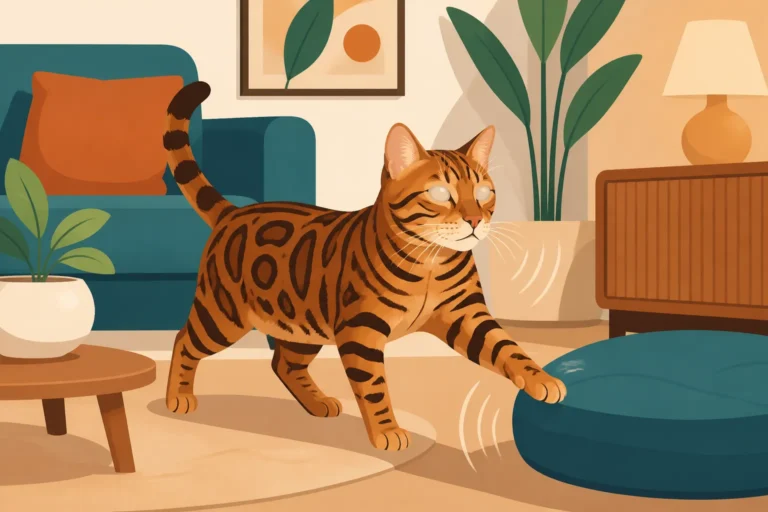
Let's be real: Bengals are not your average couch potato cats. They come from a lineage that absolutely thrives on vertical space and constant stimulation. Even if their vision starts to dim or disappears entirely, that inherent drive to scale heights and survey their domain from above doesn't just vanish. It’s part of what makes them, well, them.
Bengal's Inherent Need for Vertical Space
Bengal cats, with their wild Asian Leopard Cat ancestry, possess an incredible athleticism and a natural inclination to climb. Think of it as hardwired into their DNA. They love to jump, perch, and observe their surroundings from elevated positions. This isn't just about curiosity; it's about feeling secure, asserting their territory, and getting a great workout. When you suddenly have a blind Bengal, it’s easy to assume this part of their personality must be suppressed for their safety. But trying to completely curb this instinct can actually lead to more problems than it solves. They'll find ways to climb, sometimes less safely, or become deeply frustrated and withdrawn. It’s about adapting, not eliminating. Understanding What a Bengal Cat's Temperament Is Really Like helps us appreciate these intrinsic needs.
How Blind Cats Navigate Their World
It's truly remarkable how adaptable cats are, especially when faced with blindness. While losing sight is a significant challenge, their other senses become incredibly heightened. They rely heavily on their whiskers, which are incredibly sensitive to changes in air currents and proximity to objects, acting like a feline radar system. Their hearing becomes more acute, allowing them to map their environment through echoes and familiar sounds. And let's not forget their incredible sense of smell, which guides them to food, litter boxes, and familiar resting spots. A blind Bengal doesn't just stumble around; they construct a detailed mental map of their territory, relying on these other senses. It may take them a bit longer, but with patience and a consistent environment, they can be surprisingly agile. Think of how a blind person can navigate a familiar room with grace – it's similar for our feline friends.
The Psychological Impact of Restriction
Imagine suddenly being told you can't do the things you love, the activities that bring you joy and fulfill your natural drives. For a Bengal cat, being prevented from climbing can be devastating to their mental well-being. A bored Bengal is often a destructive Bengal, but a blind and bored Bengal can suffer from more profound issues like anxiety, depression, and even behavioral problems. They might over-groom, become unusually withdrawn, or lash out. The goal isn't to stop them from climbing, but to empower them to do so safely and confidently. Providing appropriate challenges and maintaining their independence is crucial for their overall happiness and for helping How a Blind Bengal Cat Copes in general.
Creating a Safe Climbing Environment for a Blind Bengal
When your Bengal cat loses their sight, your home transforms into a new landscape for them. It’s your job, as their loving human, to make sure this landscape is navigable and, crucially, safe for their inherent desire to climb. This means thinking about every climb, every jump, and every landing from their perspective.
Modifying Existing Structures and Paths
The first step is often to make small, thoughtful changes to what you already have. Those tall bookshelves or multi-level cat trees that were once a free-for-all now need a bit of a safety overhaul.
- Ramps and Steps: Instead of expecting large, uncertain leaps, consider adding carpeted ramps or sturdy steps to help them reach elevated spots. These provide a gradual incline or predictable platforms, reducing the risk of misjudging a jump. Ensure they are wide enough and securely fastened so there's no wobbling.
- Lower Heights: While Bengals love to go high, it might be wise to lower some of their favorite perches, at least initially. A fall from a lower height is less likely to cause serious injury. You can always gradually raise them again as your cat regains confidence and their spatial mapping improves.
- Soft Landings: Place thick, soft rugs, pet beds, or even strategically folded blankets beneath popular climbing spots. These act as cushions in case of an accidental slip or fall, minimizing impact. Think of it like adding airbags to their adventure park.
- Clear Pathways: Keep the areas around climbing structures clear of clutter. A blind cat relies on consistency. A random toy or a discarded shoe can become a tripping hazard or disorient them, leading to a fall.
When you're making these modifications, remember that familiarity is key. Consistency helps them build their mental map. A great resource for thinking through these changes is understanding How to Rearrange a Home for a Blind Bengal Cat.
Choosing Appropriate Cat Trees and Shelves
Not all cat furniture is created equal, especially for a visually impaired feline. Investing in the right kind of vertical enrichment can make all the difference.
- Stability is Paramount: This cannot be stressed enough. A wobbly cat tree is a hazard for any cat, but for a blind one, it's an absolute no-go. Look for heavy bases, wide platforms, and secure wall anchors. Brands like Go Pet Club and Armarkat often offer robust options. A Bengal cat can weigh a good amount, so ensuring the structure can handle What a Bengal Cat Weighs is essential.
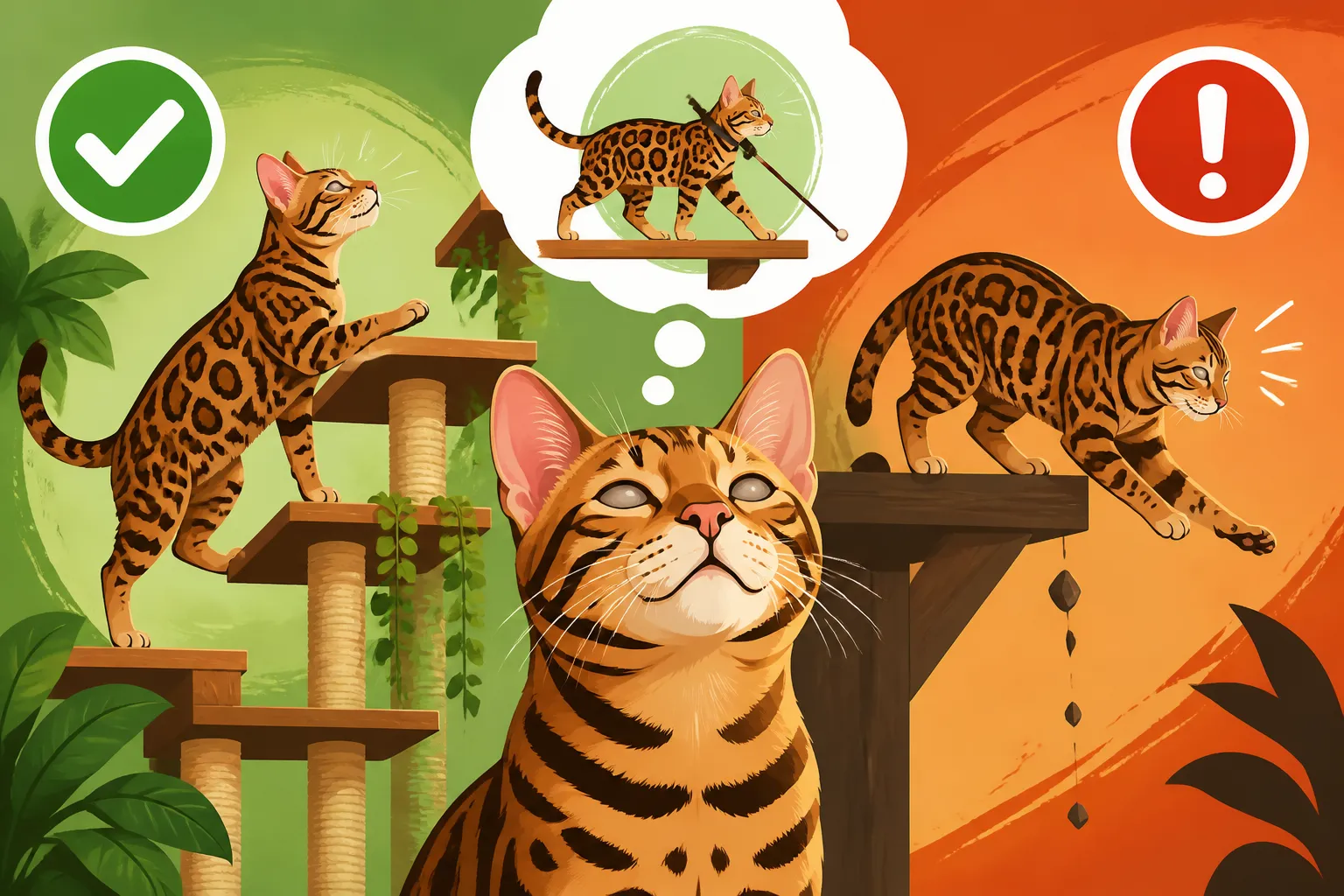
- Layered and Accessible: Instead of single, towering poles, opt for cat trees with multiple, closely spaced platforms. This allows for smaller, more manageable climbs rather than risky jumps. Ramps or staggered steps between levels are ideal.
- Consistent Texture: Choose materials that offer good grip, like carpeted surfaces or sisal rope. Avoid slippery or unstable materials. The consistent texture helps them "feel" their way up and down with their paws.
- Edge Protection: Consider adding soft bumpers or padding to the edges of shelves or platforms to prevent bumps and scrapes if they misjudge their position.
- Consider Custom-Built Shelves: Wall-mounted cat shelves can be fantastic because you can design the path exactly how you want it: predictable, wide, and with minimal gaps. Ensure they are securely mounted into studs. This relates to How High a Bengal Cat Climbs and maximizing vertical space safely.
Here's a quick comparison of features to look for and avoid:
| Feature | Blind-Friendly Climbing Structure | Not Ideal for Blind Cats |
|---|---|---|
| Stability | Heavy base, wall-anchored | Wobbly, lightweight |
| Platform Spacing | Closely spaced, ramps/steps | Large vertical gaps requiring big jumps |
| Surface Texture | Carpeted, sisal rope | Smooth, slippery, unstable (e.g., bare wood or plastic) |
| Edging | Padded, rounded | Sharp, unpadded edges |
| Pathways | Clear, predictable | Cluttered, unpredictable obstacles |
| Features | Multiple entry/exit points | Single, difficult access point |
Creating "Sensory Pathways"
Since sight is out of the equation, we need to engage their other senses to help them navigate their climbing structures confidently.
- Scent Cues: You can create subtle scent markers. For instance, lightly rub a specific essential oil (cat-safe, like diluted lavender or chamomile, but check with your vet first) on the landing spot of a cat tree, or a favorite blanket on a shelf. Keep it consistent so they associate that scent with a safe perch. Avoid strong, overwhelming smells.
- Texture Changes: Use different textures leading up to and on climbing areas. A small sisal mat before a carpeted ramp, or a soft fleece blanket on their favorite high bed, can act as a tactile signal that they're approaching a specific spot.
- Sound Cues: Small, soft wind chimes placed near a favorite climbing area, or even a low hum from an air purifier nearby, can provide a consistent auditory cue for their location. Of course, ensure any sounds are pleasant and not startling for your cat.
- Familiar Items: Place their favorite toy, a familiar scratching pad, or a blanket that smells like them on the climbing platforms. This provides a sense of security and familiarity, encouraging them to explore these spaces.
This thoughtful approach will help your blind Bengal feel more secure and confident in exploring their vertical world, allowing them to enjoy their natural instincts without unnecessary risk.
Monitoring and Adapting to Your Blind Bengal's Climbing Habits
It's not enough to set up a safe environment and assume your work is done. Your blind Bengal's needs and capabilities will evolve, and continuous observation and adaptation are key to their ongoing safety and happiness. Think of yourself as their personal home safety consultant, constantly evaluating and fine-tuning.
Initial Observation and Exploration
When you first introduce your blind Bengal to modified climbing spaces, or even just after their vision loss, it's crucial to observe them closely. They'll likely start by feeling their way around, using their paws and whiskers to map out the new terrain.
- Patience is a Virtue: Don't rush them. Let them explore at their own pace. They might sniff every inch, tap their paws, and cautiously test surfaces. This is how they build their internal map.
- Silent Supervision: Watch from a distance without interfering, unless they're in immediate danger. Your presence can be distracting. Pay attention to where they hesitate, where they move confidently, and any areas they avoid.
- Track Their Routes: Notice the paths they prefer to take to reach higher ground and how they descend. Do they always use the ramp, or do they still attempt smaller jumps? Understanding their preferred methods will inform future adjustments.
- Signs of Confidence: Look for signs of increasing confidence: faster movements, less hesitation, and exploring new parts of the climbing structure. Conversely, excessive vocalization, flattened ears, or a hunched posture might indicate stress or fear.
This initial phase is all about learning from your cat. They will show you what works and what doesn't.
Identifying Potential Hazards and Making Adjustments
Even with the best intentions, you might overlook a potential hazard. Regular reassessment is vital.
- Sharp Edges or Corners: Run your hand over all surfaces and edges. Are there any sharp corners on shelves or cat tree platforms that could injure them if they bump into them? Add padding or corner protectors if needed.
- Precarious Objects: Ensure anything on or near their climbing paths is stable and won't fall or shift if bumped. A vase on a nearby table, for instance, could be a serious hazard.
- Loose Carpeting or Fabrics: Check for any loose carpet on ramps or platforms that could snag a claw or cause a slip. Secure them firmly.
- Feedback from Your Cat: If your Bengal consistently struggles with a particular step, platform, or route, it’s a clear sign that adjustment is needed. Maybe a ramp needs to be less steep, or a platform needs to be wider. Don't be afraid to experiment until you find what truly works.
- Regular Maintenance: Structures can loosen over time. Periodically check all screws, bolts, and connections on cat trees and shelves to ensure everything remains sturdy and safe.
This iterative process of observation and adjustment creates a dynamic safety net for your cat. Don't forget that accidents can happen, so having pet insurance from a provider like Healthy Paws can give you peace of mind if an unexpected injury occurs.
Gradual Introduction and Positive Reinforcement
Just like learning any new skill, success comes with positive experiences.
- Start Small: If you've introduced new climbing structures, start with lower, easily accessible levels. Entice them with treats or their favorite toys to explore these areas.
- Scent Marking: Rub your cat's scent on the new climbing areas with a blanket or toy they've been sleeping on. This makes the new area feel more familiar and less intimidating.
- Verbal Cues: Use consistent verbal cues as they navigate. For example, "up" when they climb, or "down" when they descend. This can help reinforce their mental map.
- Rewards: Lavish praise, treats, and gentle petting when they successfully navigate a climbing challenge. This builds positive associations and encourages them to try again.
- Avoid Negative Reinforcement: Never scold or punish them for making a mistake or being hesitant. This will only cause fear and discourage exploration.
When to Intervene or Adjust
Knowing when to step in is just as important as knowing when to let them explore.
- Repeated Misjudgments: If your Bengal repeatedly misses a jump, bumps into the same obstacle, or seems genuinely confused, it’s a sign that the environment needs a redesign or further modification.
- Anxiety or Fear: If your cat shows clear signs of stress (excessive vocalization, trembling, refusal to engage), it's time to take a step back. Reduce the complexity of the climbing challenge or simplify the environment.
- Changes in Health: As cats age, their agility and balance can decrease, or they might develop conditions like arthritis. An aging Bengal might need further adjustments to their climbing options. This is where regular vet check-ups, potentially covered by insurance like Healthy Paws, are vital to monitor their overall health and mobility.
- Accidents: Unfortunately, accidents can happen. If your Bengal falls or gets injured, immediately assess the climbing structure for potential flaws and make necessary changes. A trip to the vet, which Healthy Paws can help with, is crucial to rule out serious injuries.
By staying engaged and responsive to your blind Bengal’s cues, you can create an environment that supports their natural instincts while ensuring their safety and enriching their lives.
The Benefits of Allowing a Blind Bengal to Climb
It might seem counterintuitive to encourage climbing in a blind cat, but the benefits for a Bengal's overall well-being are profound. Restricting them too much can actually lead to more problems than it prevents, impacting both their physical and mental health.
Physical and Mental Stimulation
Bengals are incredibly active and intelligent creatures. Their minds and bodies crave engagement, and climbing provides a fantastic outlet for both.
- Maintaining Physical Fitness: Climbing helps keep their muscles strong, their joints flexible, and their coordination sharp. It's a full-body workout that burns off excess energy, which is crucial for a breed as high-energy as a Bengal. A sedentary blind cat is much more prone to weight gain and muscle atrophy. Ensuring they have safe ways to stay active contributes to The Twelve to Sixteen Years a Bengal Cat Gets and a higher quality of life.
- Cognitive Engagement: Navigating a three-dimensional climbing structure, even a familiar one, forces a blind cat to use their spatial reasoning and other senses intensively. This constant mental mapping and problem-solving keeps their minds sharp and prevents boredom. It’s like a puzzle for their body and brain.
- Preventing Boredom-Related Issues: A bored Bengal, sighted or blind, can become destructive or develop unwanted behaviors. Providing vertical enrichment can redirect their energy constructively, reducing the likelihood of them scratching furniture or getting into trouble in other ways. This is a critical part of understanding How Much Enrichment a Bengal Cat Actually Needs.
Maintaining Independence and Confidence
Loss of sight can be disorienting and frightening. Allowing your Bengal to continue engaging in natural behaviors like climbing, with appropriate safety measures, helps them retain a sense of autonomy and boosts their confidence.
- Sense of Accomplishment: Successfully navigating a climbing structure, even if it's a modified one, gives a blind cat a feeling of accomplishment. This positive reinforcement encourages them to explore more and trust their abilities.
- Reduced Anxiety: When a cat feels capable and can interact with its environment on its own terms, anxiety levels tend to decrease. Restricting all climbing opportunities can make them feel helpless and isolated, leading to increased stress.
- Reinforcing Mental Mapping: Every successful climb reinforces their mental map of your home. The more they explore and conquer their environment, the more confident and comfortable they become. This is a testament to How Intelligent a Bengal Cat Is.
Potential Health Benefits and Risks of Restriction
Beyond the immediate physical and mental benefits, allowing controlled climbing can have long-term positive impacts on your Bengal's health, while excessive restriction can introduce new health problems.
- Improved Balance and Coordination: Regular, safe climbing exercises a blind cat's proprioception (their sense of body position and movement). This can improve their overall balance and coordination, making them generally more agile and less prone to accidental falls on flat ground too.
- Healthy Weight Management: Active cats burn more calories. With their high energy levels, Bengals can easily become overweight if their activity is severely curtailed. Obesity in cats leads to a host of health issues, including diabetes, joint problems, and heart disease. Allowing them to climb helps keep them at a healthy weight.
- Avoiding Behavioral Issues from Frustration: A Bengal that is constantly frustrated by unmet physical and mental needs can develop problematic behaviors. This could include excessive vocalization, aggression, or inappropriate urination. Providing outlets like safe climbing can prevent these issues.
- Long-term Health and Vet Costs: Proactive care that allows for physical activity can actually reduce long-term vet costs associated with obesity or behavioral issues. Of course, even with the best care, accidents and illnesses can strike, which is why having pet insurance like Healthy Paws can be a real lifeline for unexpected medical expenses. It ensures you can always prioritize your cat's health without financial stress. Regular check-ups are also crucial to monitor their overall health, as discussed in How Often a Bengal Cat Needs a Wellness Exam. Early detection of any mobility issues can lead to timely adjustments in their climbing environment.
Ultimately, allowing your blind Bengal to climb, with thoughtful and proactive safety measures, is an act of love. It respects their innate nature, supports their physical and mental health, and helps them lead a full, enriched life despite their vision impairment. And knowing that providers like Healthy Paws are there for those unforeseen moments just adds another layer of comfort to this journey with your special feline friend.
Disclaimer
This article provides general information and guidance. Always consult with your veterinarian for personalized advice regarding your Bengal cat's specific health needs and conditions, especially concerning blindness and activity levels.