What Flat Chested Kitten Syndrome Does to a Bengal Cat
It's heartbreaking to discover one of your precious Bengal kittens isn't quite right, especially when it comes to something as fundamental as their physical development. Many new owners, and even experienced breeders, find themselves completely blindsided by conditions like Flat Chested Kitten Syndrome (FCKS), a distressing issue where a kitten's ribcage develops abnormally, flattening against its spine. This guide aims to demystify FCKS, helping you understand what it is, how to spot it, what can be done, and what the future might hold for an affected Bengal kitten.
Understanding Flat Chested Kitten Syndrome (FCKS)
Flat Chested Kitten Syndrome (FCKS) is one of those incredibly scary and often misunderstood conditions that can strike a litter. Imagine the excitement of a new litter of Bengal kittens, full of life and promise, only to notice one or more of them struggling to thrive, with a chest that just doesn't look quite right. It's a real punch to the gut for anyone invested in these tiny lives.
What Exactly Is FCKS?
At its core, Flat Chested Kitten Syndrome refers to a condition where a kitten's ribcage, instead of being nicely rounded, appears compressed and flattened from side to side. Think of it like someone has pushed down on their chest, making it wide and shallow. This isn't just a cosmetic issue; it's a structural problem that can significantly impact a kitten's internal organs, particularly their heart and lungs. The flattened chest wall can reduce the space available for these vital organs, making it difficult for the kitten to breathe properly and for its heart to function without strain. For a tiny, rapidly growing Bengal kitten, whose energy demands are already sky-high, this can be a critical disadvantage right from birth. The severity can vary wildly, from a mild, almost unnoticeable flattening to a severe, life-threatening compression that leaves the kitten fighting for every breath. It's a spectrum, and understanding where a kitten falls on that spectrum is crucial for their care.
Potential Causes and Risk Factors
The exact cause of FCKS remains a bit of a mystery, which only adds to the frustration for breeders and owners trying to prevent it. There's no single, universally agreed-upon reason why a kitten's chest might flatten. However, several theories and risk factors are often discussed. Some researchers believe it could be a genetic predisposition, suggesting certain lines or individual cats might be more prone to producing affected kittens. This makes responsible breeding practices and careful selection of breeding pairs incredibly important. You might wonder, "Why a Bengal Cat Kitten's Chest Flattens" in the first place, and truly, it’s multifaceted.
Environmental factors during gestation or in the immediate postnatal period are also considered. For instance, some speculate that uterine crowding, if the mother cat is carrying a particularly large litter or if the kittens are unusually big, could play a role. Imagine several active kittens vying for space inside the womb; sometimes, a developing kitten might experience sustained pressure that influences bone growth. Additionally, issues with muscle tone or diaphragm development could contribute to the condition, where the chest muscles aren't strong enough to maintain the proper shape, leading to collapse. Nutritional deficiencies in the queen during pregnancy, or even external factors like a kitten being accidentally lain on by the mother or littermates in the first few vulnerable days, have also been put forward, although these are harder to definitively prove. It's often a combination of factors, making prevention incredibly challenging.
Is FCKS More Common in Bengal Cats?
This is a question that often weighs heavily on Bengal cat enthusiasts. While FCKS isn't exclusively a Bengal problem – it can appear in any breed and even in mixed-breed cats – there does seem to be an anecdotal, and in some veterinary circles, a recognized, higher incidence in certain pedigree breeds, including Bengal cats. Why might this be? Again, the definitive answer is elusive.
One theory leans into the potential genetic component, suggesting that certain lines within the Bengal breed might carry a predisposition. This is why some breeders are so meticulous about tracking health issues in their lines, even those that aren't officially DNA-testable. Another aspect could relate to the Bengal's unique physiology and rapid growth rate. Bengal kittens are known for their energetic nature and robust development. Sometimes, this rapid growth might outpace bone and cartilage development, or perhaps their lean, athletic build makes any chest flattening more apparent and impactful. However, it's crucial not to panic; not every Bengal kitten is at risk. But the higher perceived incidence means that anyone involved with Bengals, from dedicated breeders monitoring a "Flat Chested Kitten Syndrome in a Bengal Cat Litter" to new owners, should be particularly vigilant and informed about the condition.
Recognizing the Signs of FCKS in Bengal Kittens
Spotting FCKS early can make a world of difference for an affected kitten. It’s not always obvious, especially in the first day or two, but once you know what to look for, you’ll be much better equipped. The initial days of a kitten’s life are critical, and any sign of struggle needs immediate attention.
Visual Cues and Physical Examination
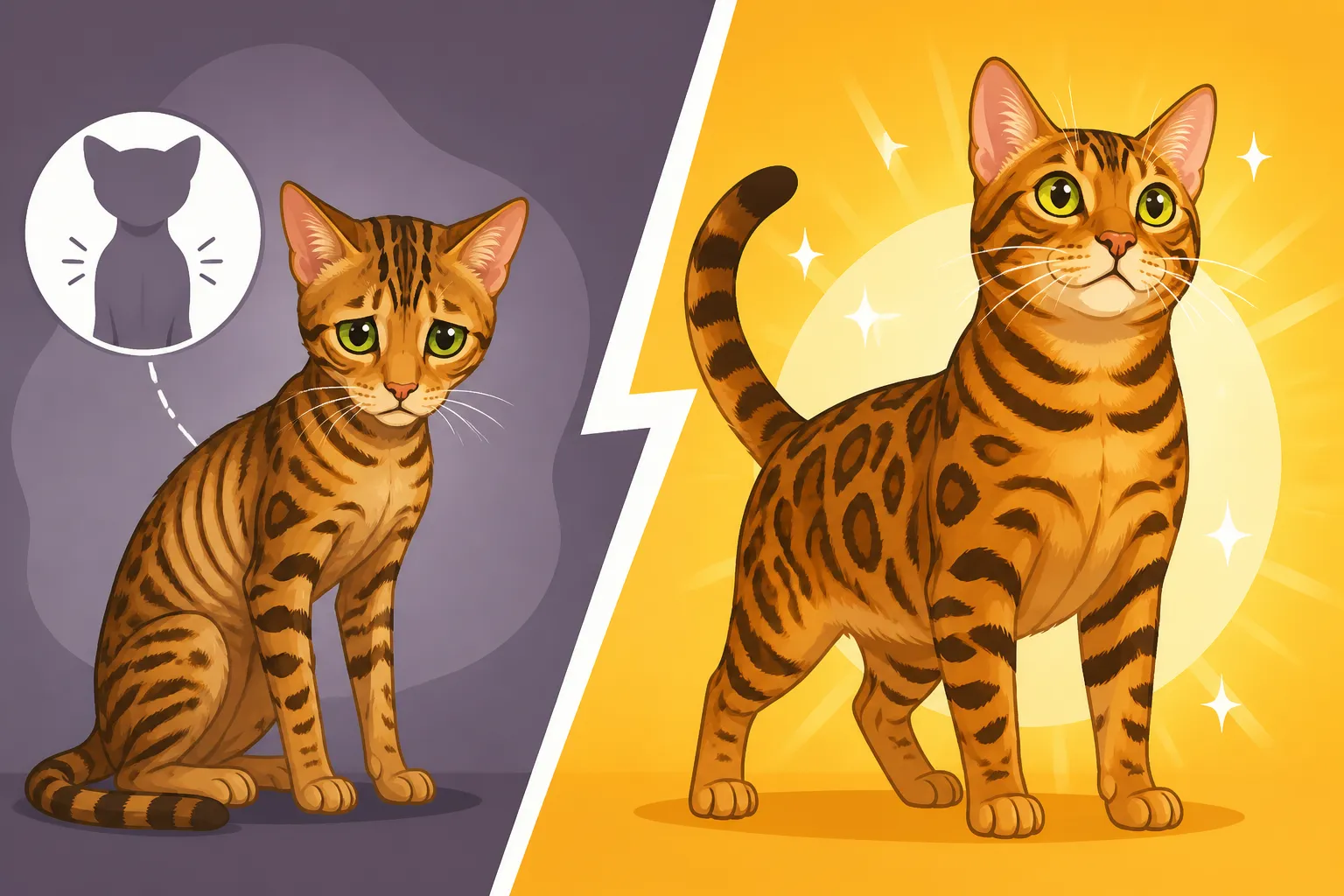
The most defining visual cue of FCKS is the shape of the chest itself. Instead of the gentle curve you'd expect on a healthy kitten, you'll notice the ribcage appears flattened, or even concave, on the sides. If you gently run your fingers along the kitten's ribcage, it might feel rigid and flat rather than yielding and rounded. Sometimes, you might even see a "cleft" or indentation running down the center of the sternum. This isn't just about appearance; this compression directly impacts their ability to breathe efficiently.
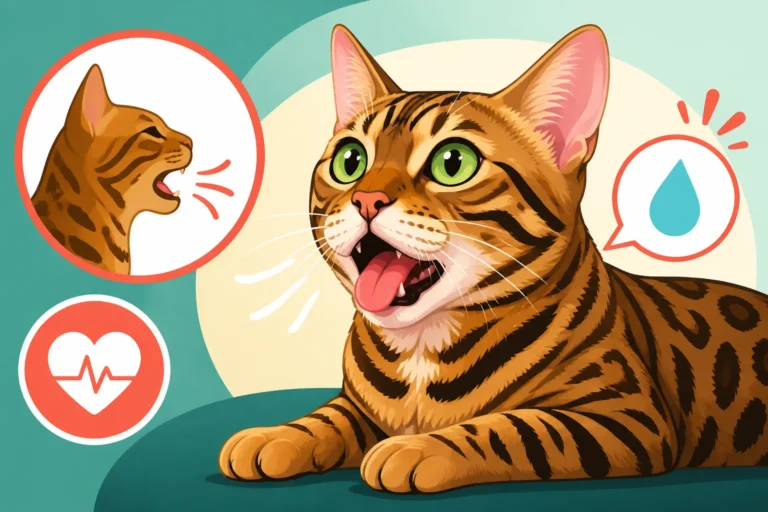
Observe the kitten's breathing. Are they taking shallow, rapid breaths? Is there an obvious effort involved in each inhalation, perhaps with their sides sucking in dramatically or their abdominal muscles working hard? In severe cases, the kitten might appear to pant or gasp, especially after exertion, like trying to nurse. Their posture might also give clues; they might lie flatter, splayed out, trying to open up their chest as much as possible. Sometimes, the deformity might only be apparent on one side, leading to an asymmetrical appearance. This visual inspection, combined with careful palpation, is usually the first step to identifying a potential problem.
Behavioral Indicators of Distress
Beyond the physical appearance, a kitten with FCKS will often exhibit clear behavioral signs of distress, primarily due to their compromised breathing and overall discomfort. These kittens might struggle to feed adequately. Imagine trying to nurse vigorously when every breath is a challenge; it’s exhausting. They might nurse for only short bursts before pulling away, panting, and needing a break. This inadequate feeding often leads to failure to thrive, meaning they don't gain weight at the same rate as their littermates. They might feel noticeably smaller or weaker.
You'll also observe a general lethargy or weakness. Healthy Bengal kittens are tiny bundles of energy, even at a few days old, wriggling and competing for a nipple. A kitten with FCKS might be less active, less vocal, and simply not engage in the normal kitten squabbles. They might be pushed away from the best feeding spots by stronger siblings and lack the energy to fight their way back. This cycle of poor feeding leading to weakness, and weakness impacting feeding, can rapidly lead to a decline in health. It’s a heartbreaking scenario, and these subtle behavioral shifts are often the first real alarm bells for attentive owners and breeders.
Early Detection and Breeder Responsibility
Early detection is paramount, and this places a significant responsibility on the breeder, especially when dealing with such vulnerable creatures. Reputable Bengal breeders are usually meticulously vigilant, checking each kitten in the litter multiple times a day from birth. They look for signs of vigorous nursing, good weight gain, and normal movement. They are also aware of conditions like FCKS and know to perform gentle physical examinations.
When a potential issue is noted, prompt veterinary attention is crucial. A good breeder will immediately consult with their vet, providing all relevant information about the litter, the queen's pregnancy, and any observations. For those looking to bring a Bengal kitten into their home, it's vital to ask questions about the breeder's health screening practices and their experience with kitten health issues. While a breeder might not always prevent FCKS, their ability to recognize and act swiftly on it speaks volumes about their commitment to the welfare of their animals. It’s also wise to inquire about what a Bengal Cat Breeder Should Have Tested, to ensure you're getting a kitten from a responsible program.
Diagnosing and Classifying FCKS Severity
Once FCKS is suspected, the next crucial step is getting an accurate diagnosis and determining the severity. This isn't just about confirming the presence of a flat chest, but understanding its impact on the kitten's internal systems. A vet's expertise is indispensable here.
Veterinary Examination and Imaging Techniques
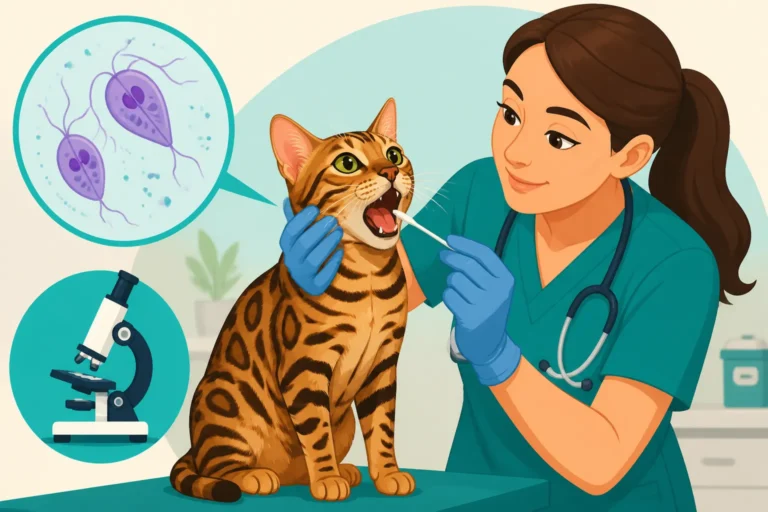
When you bring a suspected FCKS kitten to the vet, the first thing they’ll do is a thorough physical examination. This will involve observing the kitten’s breathing, feeling the chest wall, and listening to the heart and lungs with a stethoscope. They’ll assess overall hydration, body temperature, and weight gain (or lack thereof). However, a physical exam can only tell part of the story, especially regarding internal organ compression.
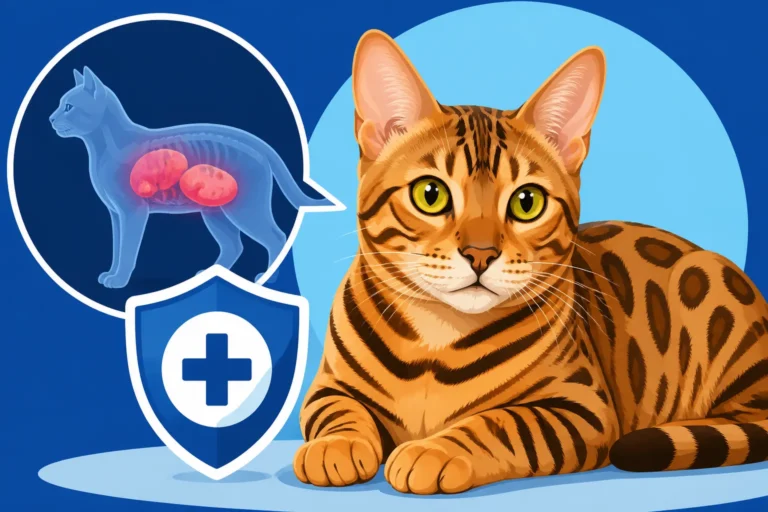
This is where imaging techniques become vital. X-rays are typically the go-to diagnostic tool. A lateral (side view) and ventrodorsal (belly-up) radiograph can clearly show the degree of chest wall flattening, the position of the heart, and how much lung space is compromised. These images help the vet visualize the internal architecture of the thorax. In some cases, more advanced imaging like a CT scan might be used, though this is less common for tiny kittens due to the logistics and cost. The goal of these diagnostics is not just to confirm FCKS, but to provide a roadmap for treatment by understanding the specific structural challenges the kitten faces. Knowing the precise nature of the flattening can inform decisions about whether a kitten with "Whether a Flat Chested Bengal Cat Kitten Survives" is likely to pull through.
Grading the Severity of Chest Wall Deformity
FCKS isn't a one-size-fits-all condition; its severity can range from mild to extremely severe, and veterinarians often use a grading system to classify it. While there isn't a universally adopted, standardized grading system like some other conditions, vets typically assess factors like the degree of sternal deviation or compression, the presence of a "washboard" effect (bumpy ribs), and the impact on lung capacity.
A mild case might involve a slight flattening that causes minimal respiratory distress, and the kitten might grow out of it with little intervention. A moderate case would show more pronounced flattening, potentially with noticeable breathing effort and some impact on feeding and growth. These kittens often require supportive care and close monitoring. Severe cases are those where the chest is significantly compressed, leading to severe respiratory distress, potential heart murmurs (due to the heart being pushed out of place), and often a very poor prognosis without aggressive intervention. The ribs might be markedly misshapen, and the sternum might be sunken or twisted. This grading helps guide treatment decisions and gives a clearer picture of the kitten's chances of recovery.
Differentiating FCKS from Other Conditions
It’s crucial for veterinarians to differentiate FCKS from other conditions that might present with similar symptoms, especially breathing difficulties in young kittens. For instance, a kitten struggling to breathe could also be suffering from pneumonia, congenital heart defects, or even severe parasitic infestations if they also exhibit signs like diarrhea on arrival (Whether a Bengal Cat Kitten Arrives With Diarrhea). While the physical flattening of the chest is a strong indicator of FCKS, the vet will rule out other potential underlying causes of respiratory distress.
Infections, such as bacterial or viral pneumonia, would typically be accompanied by fever, nasal discharge, and a wet cough, which aren't primary signs of FCKS. Congenital heart conditions might cause murmurs and exercise intolerance, but often without the characteristic chest deformity. Additionally, some nutritional deficiencies or metabolic disorders could lead to generalized weakness and poor growth, but again, without the specific chest anomaly. The comprehensive vet exam, especially with the aid of X-rays, helps to isolate FCKS as the primary diagnosis, ensuring that the appropriate treatment plan is put into place.
Treatment and Supportive Care for Affected Kittens
Dealing with FCKS in a tiny Bengal kitten can feel overwhelming, but there are definitely steps you and your vet can take to offer the best chance of recovery. The approach often combines diligent supportive care with specific interventions.
Non-Invasive Management Strategies
For kittens with mild to moderate FCKS, non-invasive supportive care is often the first line of defense. The primary goal is to support their breathing and ensure they get adequate nutrition. This usually means creating a warm, low-stress environment. Keeping them warm helps reduce metabolic demands and supports their immune system. Many breeders use incubators or heated beds to maintain optimal body temperature.
Nutritional support is paramount. Kittens with FCKS often struggle to nurse effectively from their mother. Therefore, frequent, small syringe or bottle feedings with a high-quality kitten formula are often necessary. This helps them gain strength without over-exerting themselves. Your vet might recommend specific feeding schedules and techniques. Gentle massage of the chest might also be suggested, although this should always be done under veterinary guidance to avoid causing further stress or injury. Some vets and experienced breeders use specific harnesses or vests designed to provide gentle, constant pressure to reshape the chest, often called "splinting." These devices need to be custom-fitted and monitored closely to ensure they are helping, not hindering, breathing or circulation. The consistent, loving care of an attentive owner or breeder during this critical period can truly make a difference.
When Surgical Intervention Might Be Considered
Surgical intervention for FCKS is a much more intensive approach, typically reserved for severe cases where the chest flattening is significantly compromising the kitten's life, and non-invasive methods aren't working. The decision to pursue surgery is a complex one, weighed against the kitten's overall health, age, and the extent of the deformity. It's not a procedure taken lightly.
The most common surgical technique involves placing a temporary sternal plate or external splint across the flattened chest. This device is designed to gently lift and reshape the sternum and ribs over several weeks as the kitten grows. It requires delicate surgical placement, often by a specialist, and meticulous post-operative care. Kittens undergoing such surgery will need pain management, antibiotics, and continued supportive care, often in a hospital setting for a period. The splint is usually removed once the chest wall has had a chance to solidify in a more normal position, typically after a few weeks to a couple of months. While it offers a chance for survival in otherwise fatal cases, surgery carries risks, including infection, anesthesia complications, and potential discomfort. This is where pet insurance, like a plan from Healthy Paws, can be an absolute lifesaaver, as these specialized procedures can incur significant veterinary expenses.
Nutritional and Environmental Support
Beyond direct medical interventions, ongoing nutritional and environmental support are critical to the recovery and development of a Bengal kitten with FCKS. As mentioned, ensuring adequate calorie intake is vital for growth and healing. This might mean continued supplemental feeding, even if the kitten is able to nurse from its mother, to guarantee it's getting enough nutrients. Discussions about "What a Bengal Cat Kitten Needs to Build Muscle" become even more important here, focusing on high-quality, easily digestible nutrition that supports bone and muscle development.
The environment needs to be as stress-free and nurturing as possible. This means a clean, quiet space where the kitten can rest and recover without excessive competition from littermates. Maintaining consistent warmth is crucial. Minimize handling to only what's necessary for feeding, cleaning, and gentle observation. Some kittens might also benefit from oxygen support if their breathing is severely compromised, which can be provided in a veterinary setting or, in some cases, with home oxygen concentrators. Regular check-ups with the vet are essential to monitor progress, adjust feeding plans, and address any secondary complications that might arise, such as pneumonia or heart issues. These kittens need a lot of patience, dedication, and sometimes, significant financial resources, which is another reason why robust pet insurance like that offered by Healthy Paws can provide crucial peace of mind during such a challenging time.
Prognosis and Long-Term Implications of FCKS
Understanding the likely outcome and any potential long-term issues is vital for anyone caring for a Bengal kitten with FCKS. The journey doesn't necessarily end when the chest looks better; continued vigilance is often required.
Survival Rates and Recovery Potential
The survival rate for kittens with FCKS varies dramatically depending on the severity of the condition and the promptness and quality of intervention. Kittens with very mild cases, often just a slight flattening, have a good to excellent prognosis and may recover completely with minimal intervention, sometimes just needing a little extra care and warmth. Their chest wall can often remodel itself into a more normal shape as they grow rapidly in the first few weeks of life.
However, for kittens with moderate to severe FCKS, the prognosis is much more guarded. Without intervention, many severe cases are unfortunately fatal due to respiratory failure or heart complications. Even with aggressive supportive care and potential surgery, there's no guarantee. Studies suggest that even with treatment, a significant percentage of severely affected kittens may not survive past the first few weeks or months. For those that do survive, the recovery period can be long, and they will need continuous monitoring. It's a testament to their resilience, but also a stark reminder of how fragile these tiny lives can be. The question of "Whether a Flat Chested Bengal Cat Kitten Survives" is often on the minds of owners and breeders, and the answer, sadly, is not always a positive one for severe cases.
Potential Lasting Health Issues
Even if a Bengal kitten with FCKS survives the critical early weeks, they can sometimes face lasting health implications throughout their lives. The primary concern revolves around the respiratory and cardiovascular systems. While the chest may remodel significantly, some kittens might retain a slightly altered chest shape or reduced lung capacity. This could make them more prone to respiratory infections, especially in their younger years, or they might show exercise intolerance as adult cats. Imagine a Bengal, known for being "The Bengal Cat Is the Most Active Cat You Can Own", if their lung capacity is compromised; they might struggle to keep up with their natural drive for play and exploration.
Cardiac issues are another potential concern. The compression or displacement of the heart during early development can sometimes lead to secondary heart conditions or persistent murmurs. While many cats live full lives with a heart murmur, it's something that would need regular veterinary monitoring. Additionally, some evidence suggests a potential link between FCKS and conditions like pectus excavatum (a sunken chest), though this is less common. Any kitten that has had FCKS should be closely monitored by a veterinarian throughout its life, with particular attention to its breathing, heart health, and overall stamina.
Quality of Life for a Flat-Chested Bengal Cat
For a Bengal cat that has survived FCKS, their quality of life largely depends on the initial severity and the extent of their recovery. Many cats who overcome FCKS, especially the milder cases, go on to live perfectly normal, happy, and active lives. They can play, run, jump, and interact just like any other Bengal, with no noticeable limitations. These success stories are incredibly rewarding and demonstrate the power of early intervention and dedicated care.
However, for cats that had more severe FCKS, their quality of life might be slightly different. They might be less active than the typical high-energy Bengal, preferring quieter pursuits. They might breathe a little harder during exertion or need more rest. As long as they are not in chronic pain or severe respiratory distress, and they can eat, play, and engage in normal cat behaviors, they can still have a good quality of life. Owners of these cats often need to be mindful of their cat's limitations, ensuring a calm home environment, avoiding excessive stress, and maintaining regular veterinary check-ups to manage any ongoing health concerns. It’s about adapting to their needs and providing a loving home that supports them fully, ensuring they still experience the richness of life, even if it's a slightly modified version.
Breeding Considerations and Future Prevention
Understanding the challenges of FCKS inevitably leads to questions about how to prevent it in future generations. This is a crucial area for responsible Bengal cat breeding, even with the mysteries surrounding the condition.
The Role of Genetics in FCKS
While the exact genetic mechanism for FCKS hasn't been definitively pinpointed, many experienced breeders and veterinarians strongly suspect a genetic component. This suspicion stems from observations that the condition often appears repeatedly in certain breeding lines or from specific parent pairings. If "Whether Flat Chested Kitten Syndrome Is Inherited in Bengal Cats" is true, it means breeders have a significant role to play.
When a condition like FCKS shows up, especially in multiple kittens from the same parents or within related litters, it's a strong indicator that there might be an underlying genetic predisposition. It's thought to be polygenic (involving multiple genes) or a recessive trait, which makes it incredibly difficult to test for or eliminate purely through DNA screening. Unlike clear-cut genetic diseases where a simple test can identify carriers, FCKS requires careful observation, meticulous record-keeping, and ethical decision-making from breeders. Any cat that has produced affected kittens, or has FCKS themselves (if they survive to adulthood), should ideally be removed from a breeding program to avoid passing on any potential genetic links. This difficult decision underscores the serious responsibility breeders carry.
Ethical Breeding Practices
Ethical breeding practices are the cornerstone of minimizing the incidence of conditions like FCKS. This goes beyond just having healthy parents; it involves a holistic approach to feline welfare. First and foremost, a reputable breeder will be transparent about health issues that have occurred in their lines, even those as distressing and hard to explain as FCKS. They should be willing to discuss any instances of "Flat Chested Kitten Syndrome in a Bengal Cat Litter" they may have encountered.
This transparency allows potential owners to make informed decisions and helps other breeders understand potential risks. Secondly, ethical breeders avoid inbreeding and linebreeding too closely if FCKS has appeared in their lines, opting instead for outcrossing to bring in fresh genetics. They also pay close attention to the overall health and vigor of their queens during pregnancy, ensuring optimal nutrition and a low-stress environment. Lastly, an ethical breeder will always prioritize the health of the kittens, even if it means retiring a beloved breeding animal or incurring significant veterinary costs, like those potentially covered by pet insurance from Healthy Paws, to give an affected kitten the best chance. The well-being of the cats always comes before profit or convenience.
Supporting Research and Awareness
Because the exact causes of FCKS remain elusive, supporting ongoing research is vital for the future of the Bengal breed and feline welfare in general. Researchers are continually working to identify genetic markers, understand developmental pathways, and explore environmental factors that contribute to this syndrome. Donations to feline health organizations and participation in research studies (if applicable and safe for your cat) can contribute to this collective knowledge.
Beyond research, raising awareness among both breeders and prospective owners is critical. Many people, even those familiar with cat breeding, may not have heard of FCKS or understand its severity. Educating new owners about what to look for in a healthy kitten, and encouraging them to choose breeders who prioritize health and transparency, creates a more informed community. Discussion groups and breeder associations play a crucial role in sharing anecdotal evidence and best practices. By working together, sharing information, and supporting scientific inquiry, we can hope to unravel the mysteries of FCKS and reduce its impact on these beautiful, energetic Bengal cats.
| FCKS Severity Grade | Appearance | Breathing | Feeding/Growth | Prognosis (with care) | Potential Long-Term Issues |
|---|---|---|---|---|---|
| Mild | Slight flattening, often subtle | Normal to slightly labored | Normal growth | Good to Excellent | Rare |
| Moderate | Noticeable flattening, potentially some sternal deviation | Labored breathing, occasional gasping | Slow growth, reduced nursing | Fair to Good | Minor respiratory sensitivity |
| Severe | Significant compression, rigid or concave chest, 'washboard' ribs | Severe labored breathing, panting, grunting | Failure to thrive, weak | Guarded to Poor | Chronic respiratory issues, cardiac strain, exercise intolerance |
Disclaimer
The information provided in this article is for general informational and educational purposes only and is not a substitute for professional veterinary advice. Always consult with a qualified veterinarian for any health concerns or before making any decisions related to your pet's care.