Whether Hip Dysplasia Affects Bengal Cats
It’s a common worry among cat parents, especially those of us who share our lives with a magnificent, active Bengal cat: are they prone to debilitating health issues like hip dysplasia? While this condition might be more frequently associated with certain dog breeds, the truth is, hip dysplasia can affect our feline friends, including Bengals, and understanding its nuances is crucial for ensuring a long, comfortable life for our energetic companions. This guide will walk you through what hip dysplasia means for a Bengal, how to spot the signs, and what you can do to manage or prevent it.
Unpacking Hip Dysplasia in Our Agile Bengal Cats
When we think of hip dysplasia, images of large dog breeds struggling to get up might come to mind. But don't let that common association make you complacent about your cat's joint health. While typically less prevalent in felines, the condition still warrants our attention, particularly in breeds known for their athleticism and higher energy levels like the Bengal.
What Exactly Is Hip Dysplasia? The Mechanics Behind the Pain
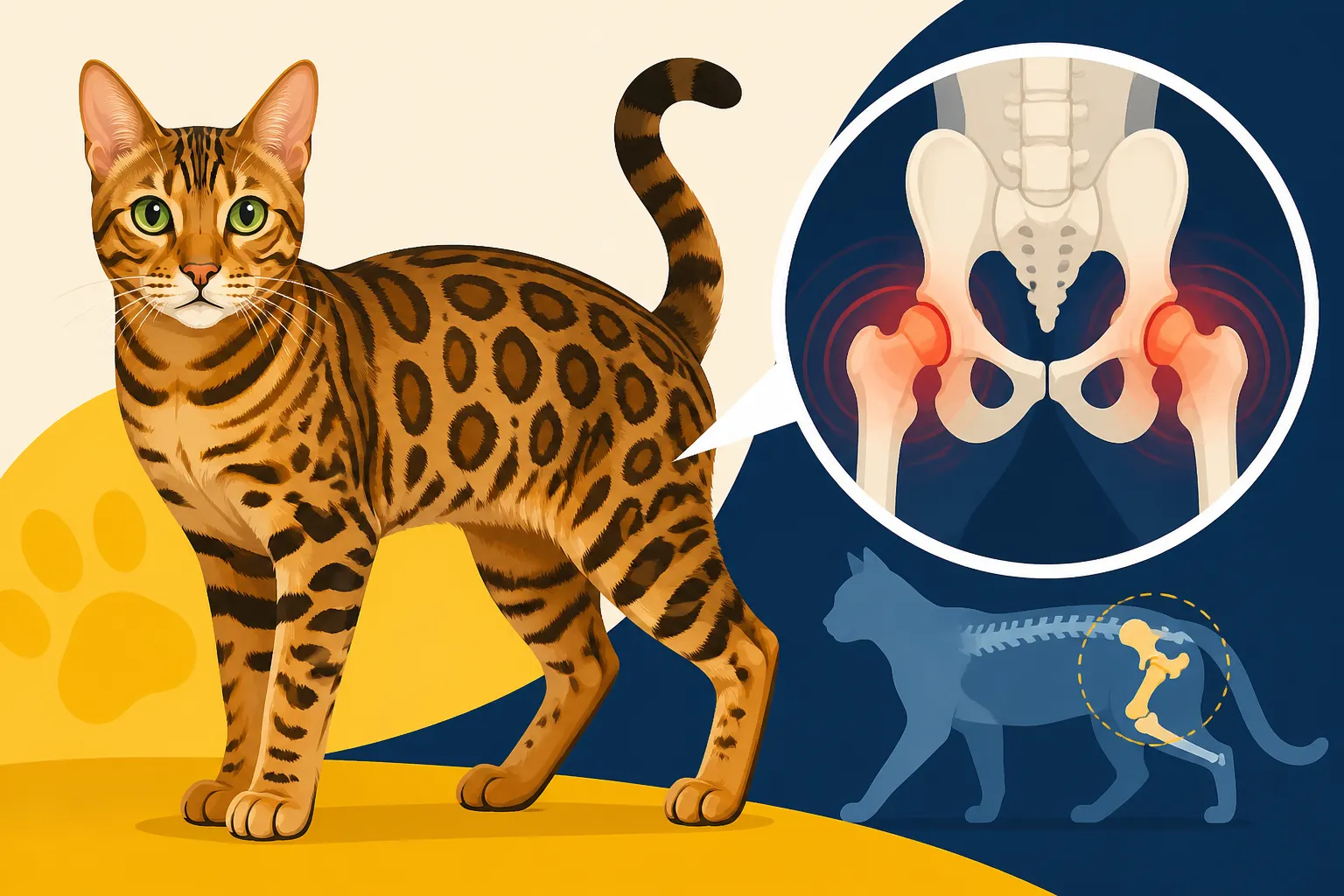
At its core, hip dysplasia is a malformation of the hip joint. Think of the hip as a ball-and-socket joint – the "ball" is the head of the femur (thigh bone), and the "socket" is the acetabulum, part of the pelvis. In a healthy joint, these two components fit snugly together, allowing for smooth, frictionless movement. When hip dysplasia is present, this perfect fit is compromised. The socket might be too shallow, or the ball might be flattened or misshapen. This misalignment leads to what's called joint laxity, meaning the ball is loose within the socket, rather than secure.
Over time, this constant improper movement causes wear and tear. The cartilage that cushions the joint starts to degrade, and the body attempts to stabilize the joint by laying down new bone, leading to painful osteoarthritis, bone spurs, and further reduction in mobility. For a Bengal, a breed that thrives on vigorous play, climbing, and running, this condition can significantly impact their quality of life, making even simple movements painful.
Why Cats Seem Less Affected Than Dogs (But Still Can Be)
It’s true, you hear about hip dysplasia in Labrador Retrievers and German Shepherds far more often than in a Bengal cat. There are a few key reasons for this discrepancy in prevalence. Firstly, cats have a different anatomical structure and gait. Their lighter build, incredible flexibility, and exceptional agility mean their hips bear weight differently and are subjected to less concussive force than a larger, heavier dog. Cats are also incredibly adept at masking pain and discomfort, a survival instinct from their wild ancestors. This often means that by the time an owner notices symptoms, the condition might be quite advanced.
However, genetic predisposition does play a role in some cat breeds, and while Bengal cats are generally considered a robust and healthy breed, no breed is entirely immune to inherited conditions. The rapid growth rate and specific conformation traits in some Bengal lines could contribute to a higher risk compared to the average domestic shorthair, even if the overall incidence remains low. It's a subtle distinction, but an important one for dedicated Bengal owners to grasp.
The Genetic Riddle: Inheritance and Risk Factors
The exact inheritance pattern of hip dysplasia in cats is not as thoroughly understood as it is in dogs. In canines, it's considered a polygenic trait, meaning multiple genes contribute to its development, influenced by environmental factors like diet and exercise. While research into feline hip dysplasia is ongoing, it's generally accepted that there's a genetic component, especially in breeds where it's observed more frequently, such as Maine Coons and Persians.
For Bengal cats, while not traditionally listed as a breed highly predisposed like some of the larger domestic cats, responsible breeders will still pay close attention to the skeletal health of their breeding lines. A cat could be genetically predisposed but show no clinical signs, yet still pass on the genes. This is why understanding a cat's lineage and any history of joint problems is important, even if a widespread official screening program doesn't exist for cats in the same way it does for dogs. It's all about making informed choices to minimize risks for future generations.
Spotting the Subtle Clues in Your Energetic Bengal
Bengal cats are, by nature, bundles of energy. They love to run, jump, climb, and generally make every day an adventure. This incredible activity level, combined with their instinct to hide pain, can make detecting early signs of hip dysplasia a real challenge. You might not see a dramatic limp, but rather a gradual shift in behavior or ability that you could easily attribute to something else.
The Nuances of Lameness and Reluctance to Move
Unlike a dog who might visibly limp or struggle to stand, a Bengal cat with hip dysplasia might exhibit much more subtle signs of discomfort. You might notice they're not quite as enthusiastic about scaling the tallest cat tree or that their once effortless leaps onto the counter are now a bit more hesitant. Perhaps they're using furniture more often as stepping stones instead of directly jumping.
Watch for:
- Reduced jumping: They might hesitate before jumping up or down, or choose lower surfaces. You might see them brace themselves more carefully upon landing.
- Stiffness, especially after rest: After a long nap, they might stretch more gingerly or appear stiff when first getting up. This can ease as they warm up.
- A "bunny hop" gait: When running, they might move both hind legs together, almost like a rabbit, to minimize movement in the painful hip joints.
- Limping: While often subtle, a slight limp in one or both hind legs, particularly after strenuous activity, can be a red flag.
- Reduced activity: Your Bengal, who used to demand endless play sessions, might seem to tire more quickly or prefer quieter activities. This is one of those frustrating changes because it's so gradual, you might not notice until it's quite advanced.
Remember, our cats are masters of disguise when it comes to pain. A Bengal cat's instinct to hide pain means that any outward sign is often a sign of significant discomfort.
Behavioral Shifts That Signal Discomfort
Beyond physical lameness, pain can manifest in surprising behavioral ways. A cat in chronic pain, even mild, might become withdrawn or, conversely, more irritable and aggressive. Your usually affectionate Bengal might shy away from being petted near their hips or back.
Consider these behavioral indicators:
- Changes in grooming habits: It might be harder for them to reach and groom certain areas, leading to a duller, matted coat over the hindquarters, or excessive licking at the painful area.
- Hiding or seeking solitude: A cat in pain often wants to be left alone and might retreat to quiet, out-of-the-way places more frequently.
- Irritability or uncharacteristic aggression: If touching their hips causes pain, they might hiss or swat when handled.
- Litter box issues: If climbing into a litter box causes discomfort, they might start eliminating outside the box in easier-to-access places. This is often misinterpreted as a behavioral problem when it's purely medical.
- Reluctance to play: A decline in their usual playful antics, especially those involving vigorous running and jumping, could indicate discomfort. If your Bengal, who normally demands to play for hours, is suddenly less interested, it's worth investigating.
It's crucial not to dismiss these subtle changes as just "getting older" or "being moody." For a Bengal cat, these can be significant signs that something is amiss.
When to Consult Your Veterinarian
If you observe any of these signs, even if they seem minor, it's always best to schedule a visit with your veterinarian. Early diagnosis can lead to more effective management and a better quality of life for your cat. Don't wait until your cat is overtly limping or screaming in pain. As mentioned in our guide on how a Bengal cat hides pain, by then, the condition is likely advanced.
When you go to the vet, be prepared to discuss:
- When you first noticed the changes.
- How frequently these symptoms occur.
- Any specific activities that seem to worsen the symptoms.
- Your cat's typical activity level, diet, and any other health concerns.
A thorough history, combined with a physical examination, will be the first step in unraveling the mystery of your Bengal’s discomfort. Your vet can assess range of motion, look for signs of pain on palpation, and evaluate muscle mass loss, which can occur in affected limbs.
Diagnosing and Managing Hip Dysplasia in Bengals
Once you've noticed the subtle shifts in your Bengal's demeanor or movement, the next step is getting a proper diagnosis. It can feel daunting, but knowing what to expect can ease some of the worry. The goal is always to confirm the condition and then work out the best plan to keep your beloved cat as comfortable and active as possible.
The Diagnostic Journey: From Exam Room to X-rays
Your veterinarian will start with a comprehensive physical examination. They’ll observe your Bengal's gait, manipulate their hips and legs to assess range of motion, and check for any signs of pain or instability. They'll also feel for crepitus, which is a grinding or crackling sensation in the joint, indicative of bone-on-bone friction.
However, a definitive diagnosis of hip dysplasia usually requires radiographs, or X-rays. Because even the most docile Bengal can be stressed by positioning for X-rays, and to ensure proper, pain-free positioning for the clearest images, your vet will likely recommend mild sedation or even general anesthesia. These X-rays will allow the vet to visualize the hip joint structure, evaluate the depth of the acetabulum, the shape of the femoral head, and look for secondary signs of osteoarthritis, such as bone spurs or joint space narrowing. In some cases, your vet might recommend a referral to an orthopedic specialist or a veterinary radiologist for a more in-depth assessment. Remember, ensuring your Bengal cat needs a pre-surgery workup, even for sedation, is a good practice to confirm they are healthy enough for the procedure.
Tailored Treatment Approaches for Comfort and Mobility
The good news is that even though hip dysplasia can’t be cured, it can often be managed very effectively, providing your Bengal with a good quality of life. Treatment options typically fall into two categories: conservative (non-surgical) and surgical.
Conservative Management: Supporting Joint Health
For many cats, especially those with mild to moderate dysplasia or those who aren't ideal surgical candidates, conservative management is the first line of defense. This approach focuses on alleviating pain, reducing inflammation, and maintaining joint function.
- Pain management: Your vet might prescribe non-steroidal anti-inflammatory drugs (NSAIDs) to reduce pain and inflammation. Other pain medications, like gabapentin, might also be used, especially for chronic pain.
- Weight management: Keeping your Bengal at a healthy weight is absolutely crucial. Excess weight puts additional strain on already compromised joints, exacerbating pain and accelerating degeneration. If your Bengal needs to shed a few pounds, your vet can help devise a safe and effective weight loss plan. It’s important to know what a healthy Bengal cat weighs to maintain their ideal physique.
- Joint supplements: Supplements containing glucosamine, chondroitin, and omega-3 fatty acids can help support cartilage health, reduce inflammation, and improve joint lubrication. Brands like Cosequin or Dasuquin are commonly recommended.
- Physical therapy: Gentle exercises, massage, and even hydrotherapy (water treadmill) can help strengthen muscles around the joint, improve flexibility, and reduce pain. This can be done at home or with a certified veterinary rehabilitation therapist.
- Environmental modifications: Making your home more accessible can significantly reduce strain. Think ramps or steps for accessing beds and furniture, soft, supportive bedding, and ensuring their litter box has low sides.
Surgical Interventions: When Conservative Isn't Enough
In more severe cases, or when conservative management doesn't provide adequate relief, surgical options may be considered. These are less common in cats than in dogs, but they do exist.
- Femoral Head Ostectomy (FHO): This procedure involves removing the head and neck of the femur (the "ball" part of the joint). The body then forms a "false joint" with scar tissue, which, while not a perfect ball-and-socket, can be significantly less painful. This is often considered for cats as their lighter weight and agility allow them to adapt well to the new joint.
- Total Hip Replacement (THR): This is a much more complex and specialized surgery where the damaged hip joint is replaced with artificial implants. It’s rarely performed in cats due to the technical challenges, cost, and the excellent outcomes often achieved with FHO in felines.
The decision for surgery is a significant one, and your vet will discuss all pros and cons, recovery times, and expected outcomes specific to your Bengal.
Ensuring a Full Life: Living with a Dysplastic Bengal
Managing hip dysplasia is often a lifelong commitment, but it doesn't mean your Bengal can't lead a happy, fulfilling life. It simply means being proactive and consistent with their care. Regular veterinary check-ups are essential to monitor their condition and adjust treatment plans as needed.
Consider pet insurance from providers like Healthy Paws. Comprehensive pet insurance can be an absolute lifesaver when it comes to covering the costs associated with chronic conditions like hip dysplasia, including diagnostics, medications, physical therapy, and even potential surgeries. Knowing you have that financial support can ease a lot of stress during what can already be a challenging time. The cost of a Bengal cat over its lifetime can add up, and insurance helps manage unexpected health expenses.
Creating an enriching environment that accommodates their needs is also key. While they might not be scaling the highest shelves with the same gusto, ensure they still have plenty of opportunities for mental stimulation and appropriate exercise. Puzzle toys, interactive play at ground level, and gentle walks on a harness (if they enjoy it) can keep them engaged without overstressing their joints. Caring for a Bengal cat past ten often involves similar considerations for joint health, even without a formal diagnosis of dysplasia.
Proactive Steps: Prevention and Responsible Breeding
While you can’t completely eliminate the risk of hip dysplasia in your Bengal cat, there are definite steps you can take to minimize the likelihood and impact of the condition. This involves smart choices, both as a prospective owner and in the daily care you provide.
The Role of Responsible Breeding Practices
For anyone considering bringing a Bengal cat into their home, finding a reputable breeder is paramount. A responsible breeder prioritizes the health and well-being of their cats above all else. While there isn't a universally adopted formal hip screening program for cats similar to the OFA or PennHIP for dogs, good Bengal breeders should still be transparent and proactive about the skeletal health of their breeding lines.
When speaking with a breeder, don't be afraid to ask direct questions:
- What is the incidence of hip dysplasia or other joint issues in your lines? A breeder should be able to discuss the health history of the parent cats and their ancestors.
- Have any of the cats in your breeding program shown signs of lameness or discomfort? Even if not formally diagnosed as hip dysplasia, any recurring mobility issues are worth noting.
- What measures do you take to ensure the skeletal health of your kittens? This might include proper nutrition for queens and kittens, and ensuring adequate but not excessive growth rates.
- Can I see the health records of the parents? A good breeder will be open about the health of their cats.
While a Bengal cat breeder must show an echo for heart health, there isn't a comparable mandatory screening for hip dysplasia. This makes breeder transparency and your due diligence even more important. Choose a breeder who is committed to ongoing education and health screening for all known issues in the breed, contributing to the overall goal of whether the Bengal cat is a healthy breed.
Maintaining Ideal Weight and Thoughtful Exercise Regimens
One of the most powerful things you can do for your Bengal's joint health, regardless of genetic predisposition, is to maintain their ideal body weight. Every extra pound puts undue stress on their joints, accelerating wear and tear. Discuss with your veterinarian what an ideal weight looks like for your individual Bengal, taking into account their age, sex, and build. Regular check-ups can help monitor their weight and overall health.
Exercise is vital for Bengals, as they are naturally high-energy cats. However, it needs to be appropriate. While they need ample opportunity to run, jump, and play, avoid activities that involve excessive, high-impact movements on hard surfaces, especially as they get older. Think about providing vertical space for climbing, but also offer sturdy, well-placed steps or ramps to make higher spots accessible without extreme jumps. Engaging in several shorter play sessions throughout the day can be better than one long, intense session that pushes them past their comfort level. For an active cat, understanding how much exercise a Bengal cat needs a day is crucial to balance physical and mental stimulation.
Nutrition for Optimal Joint Development and Health
Nutrition plays a key role in supporting skeletal and joint health from kittenhood through their senior years. While there's no magic diet to prevent hip dysplasia, providing a high-quality, balanced diet that meets a Bengal's specific needs is essential.
For kittens, it's particularly important to ensure they receive appropriate nutrition for steady, healthy growth. Rapid growth, often fueled by overly calorie-dense or imbalanced diets, can sometimes put stress on developing joints. Your veterinarian can advise on the best kitten food for your Bengal's first year.
For adult Bengals, a diet rich in high-quality protein and balanced in essential nutrients supports strong muscles and healthy bones. Some diets are fortified with joint-supporting ingredients like glucosamine and chondroitin, or omega-3 fatty acids, which have anti-inflammatory properties. While these won't prevent the genetic component of hip dysplasia, they can certainly support overall joint health and potentially mitigate symptoms. If your Bengal has a sensitive stomach, choosing which food firms up a Bengal cat’s stool can also contribute to their overall comfort and well-being, reducing any added stress from digestive issues.
Looking Ahead: Long-Term Wellness
Even with the best preventative measures, some cats may still develop hip dysplasia. The key is to be observant, proactive, and work closely with your veterinarian. With attentive care, a supportive environment, and appropriate medical management, a Bengal cat with hip dysplasia can continue to enjoy a vibrant, fulfilling life with you for many years.
| Aspect | Ideal Bengal Cat (Healthy Hips) | Bengal Cat with Hip Dysplasia |
|---|---|---|
| Movement | Agile, fluid jumps, confident landings, effortless running. | Hesitant to jump, uses 'stepping stones,' stiff after rest, 'bunny hop' gait. |
| Activity Level | High energy, eager for play, sustained bursts of activity. | Reduced stamina, less interest in vigorous play, tires quickly. |
| Comfort | Enjoys petting anywhere, no signs of pain upon manipulation. | May flinch or vocalize when hips are touched, avoids certain positions. |
| Grooming | Maintains a clean, well-groomed coat all over. | Difficulty reaching hindquarters, matted fur, excessive licking of hip area. |
| Muscle Mass | Well-defined, symmetrical muscle tone in hind legs. | Potential muscle atrophy in affected hind legs, asymmetry. |
| Litter Box Habits | Easily steps into and out of the litter box. | May avoid high-sided boxes, accidents outside the box due to discomfort. |
Disclaimer
The information provided in this article is for general informational purposes only and is not intended as a substitute for professional veterinary advice. Always consult with a qualified veterinarian for any health concerns or before making any decisions related to your pet's care.