Whether IBD Is Common in Bengal Cats
It's incredibly disheartening when your energetic, vibrant Bengal cat suddenly seems…off. Many Bengal owners find themselves on a frustrating journey of trying to understand recurring tummy troubles, and one of the most worrying diagnoses tossed around is Inflammatory Bowel Disease, or IBD. This guide will delve deep into whether IBD is a common affliction for our spotted companions, what it truly means, and how to navigate this challenging condition.
Understanding Inflammatory Bowel Disease in Bengal Cats
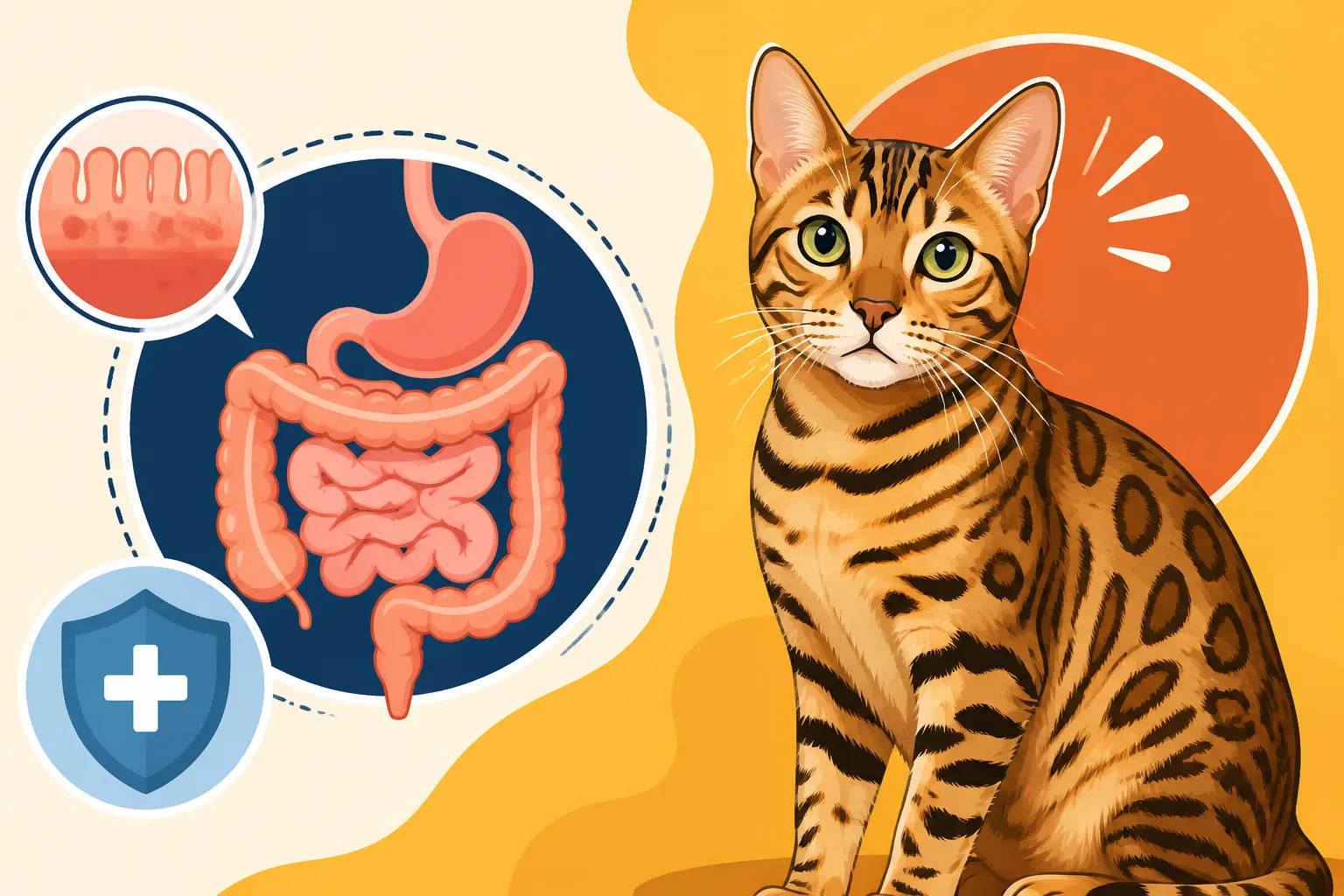
Inflammatory Bowel Disease (IBD) isn't just a simple upset stomach; it's a chronic, often debilitating condition where your cat's gastrointestinal (GI) tract becomes persistently inflamed. Imagine always having a low-level ache or irritation in your gut – that's a bit what it's like for them. It's not one specific disease but rather a group of syndromes that result from an abnormal immune response in the intestines, leading to a constant battle within their digestive system.
What Exactly Happens During IBD?
At its core, IBD means that inflammatory cells (like lymphocytes, plasma cells, eosinophils, or neutrophils) infiltrate the lining of your Bengal's intestines. This cellular invasion causes the gut wall to thicken, making it harder for nutrients to be absorbed properly and disrupting normal digestion. This isn't a one-off acute infection that clears up with antibiotics; it’s an ongoing, smoldering inflammation. The specific type of IBD is usually named after the predominant cell type found, such as lymphocytic-plasmacytic enteritis (the most common) or eosinophilic enteritis. Each part of the GI tract, from the stomach (gastritis) to the small intestine (enteritis) and large intestine (colitis), can be affected, sometimes individually, sometimes all at once.
This persistent inflammation leads to a cascade of problems. The cells lining the gut, which are usually tightly packed and efficient, become leaky and damaged. This allows undigested food particles, bacteria, and toxins to pass into the bloodstream, triggering an even stronger immune response. It’s a vicious cycle that can leave your Bengal feeling pretty miserable and unable to thrive.
Common Signs and Symptoms to Watch For
The symptoms of IBD in Bengal cats can be varied and often mimic other conditions, which is part of what makes diagnosis so tricky. You might notice your usually ravenous Bengal starting to pick at their food, or perhaps they're eating normally but still losing weight. One of the most common complaints I hear from fellow Bengal owners is about persistent diarrhea. It might be soft stool, liquid, or even contain mucus or fresh blood. This isn't just a one-day thing; it recurs frequently or is just always there, subtly undermining their health.
Vomiting is another hallmark symptom, which can range from occasional hairballs to frequent regurgitation of food, sometimes hours after eating. You might also observe changes in their appetite – either a complete loss of interest in food or a ravenous hunger without weight gain, indicating malabsorption. Some Bengals with IBD become noticeably lethargic, hiding away more often, which is very uncharacteristic for such an active breed. Others might show signs of abdominal discomfort, like being sensitive to touch on their belly or stretching excessively as if trying to relieve pain. It's a spectrum, and your observant eye as an owner is truly the first line of defense.
Why Bengal Cats Seem More Prone to Gut Troubles
It often feels like Bengal cats have a particularly sensitive digestive system compared to other breeds, doesn't it? Many owners, myself included, have spent countless hours worrying over their Bengal's stomach issues. While IBD itself isn't exclusively a Bengal cat disease, there's growing anecdotal and clinical evidence that they might have a predisposition to various gut ailments, which can sometimes lead to or be confused with IBD.
Their Wild Ancestry and Digestive Sensitivity
Remember, every Bengal cat has the majestic Asian Leopard Cat (ALC) in its lineage. While many generations removed, that wild ancestry still influences their genetics, including their digestive tract. ALCs are opportunistic hunters in the wild, consuming small prey whole, including bones, fur, and organs. Their digestive systems are finely tuned for a high-protein, low-carb, fresh meat diet, often digested quickly and efficiently.
When we bring these beautiful creatures into our homes and feed them commercial kibble, which often contains grains, fillers, and processed ingredients, it can be a shock to their system. Many believe that this dietary mismatch can contribute to chronic inflammation over time. It's not uncommon for Bengal owners to find their cats thriving on species-appropriate diets, such as a high-quality wet food or a carefully balanced raw diet, while struggling with conventional dry kibble. This sensitivity might make their gut lining more susceptible to the inflammatory processes seen in IBD.
Overlapping Conditions and Environmental Stressors
The tricky thing about gut issues in Bengals is that many conditions can present with similar symptoms, and some can even trigger or coexist with IBD. For instance, have you heard of Chronic Diarrhea Is the Bengal Cat Complaint Nobody Warns About? It's a sadly common lament among Bengal owners. Conditions like Tritrichomonas foetus, a persistent protozoan parasite, are notoriously prevalent in Bengal catteries and can cause chronic, foul-smelling diarrhea that looks very much like IBD. Similarly, What Tritrichomonas Does to a Bengal Cat can wreak havoc on their intestines. Another common culprit is Giardia, which can also lead to chronic loose stools if not properly treated; you can read more about How a Bengal Cat's Giardia Is Treated.
These infections, if left untreated or recurring, can lead to prolonged inflammation that might eventually develop into IBD. Furthermore, Bengal cats are highly intelligent, active, and can be quite sensitive to their environment. Stress, even subtle forms of it, can significantly impact their digestive health. Changes in routine, new pets, household upheaval, or even just not enough enrichment can manifest as gastrointestinal upset. An already sensitive gut, compounded by stress or recurrent infections, can certainly lean towards chronic inflammatory states like IBD. Many owners find themselves grappling with Why a Bengal Cat Gets Chronic Diarrhea, highlighting the breed's overall gut fragility.
The Frustrating Journey of Diagnosing IBD
Getting a definitive diagnosis for IBD in your Bengal cat can feel like a marathon, not a sprint. It's one of the most frustrating aspects for owners because there isn't a single, simple test that screams "IBD!" Instead, it's a process of elimination, ruling out everything else that could be causing those troubling symptoms. This can be emotionally and financially draining, making owners question if they’re doing enough for their beloved pets.
The Exclusionary Process: Ruling Out Other Causes
Your veterinarian will typically start by trying to rule out other, more easily identifiable causes of chronic gastrointestinal upset. This often begins with a thorough physical exam and basic diagnostics.
- Fecal Tests: Multiple fecal samples will likely be collected and analyzed to check for parasites like roundworms, hookworms, coccidia, Giardia, and especially Tritrichomonas foetus, which is a significant consideration for Bengals. A comprehensive What a Bengal Cat's Fecal Panel Costs can be very revealing. You might need to submit samples over several days as parasite shedding can be intermittent.
- Blood Work: Routine blood tests, including a complete blood count (CBC) and biochemistry panel, can reveal signs of inflammation, anemia (especially if there's chronic blood loss in the stool), or organ issues. Specific blood tests, like those measuring cobalamin (B12) and folate levels, can indicate malabsorption in the small intestine, which is often seen with IBD. A low B12 level is a strong indicator of chronic GI disease.
- Imaging: X-rays can help rule out foreign bodies or tumors, while an abdominal ultrasound can provide a more detailed view of the GI tract, showing thickened intestinal walls, enlarged lymph nodes, or other abnormalities consistent with inflammation. However, imaging can't definitively diagnose IBD.
- Food Trials: One of the most crucial steps is often a dietary elimination trial. This involves feeding a novel protein diet (one your cat has never eaten before, like venison or rabbit) or a hydrolyzed protein diet (where proteins are broken down into tiny particles to avoid triggering an immune response) for 8-12 weeks, and nothing else. This helps determine if food allergies or sensitivities are driving the inflammation. This commitment can be challenging, especially if your Bengal is a picky eater, but it's a non-invasive way to potentially resolve symptoms. You'll likely be guided on When a Bengal Cat Needs a Special Diet for Its Gut.
The Definitive Step: Intestinal Biopsy
After all other potential causes have been thoroughly investigated and ruled out, and symptoms persist, the gold standard for diagnosing IBD is an intestinal biopsy. This procedure involves taking small tissue samples from the stomach, small intestine, and/or large intestine, which are then examined by a veterinary pathologist. The pathologist looks for the characteristic inflammatory cell infiltration and changes in the gut architecture that confirm IBD.
Biopsies can be obtained in two main ways:
- Endoscopy: A minimally invasive procedure where a flexible tube with a camera is inserted into the GI tract (either from the mouth for the stomach and upper small intestine, or rectally for the colon). Small samples are snipped off using tiny instruments. While less invasive, endoscopy only samples the very superficial layers of the gut.
- Surgical Biopsy: A more invasive abdominal surgery is performed to collect full-thickness tissue samples. This provides a more comprehensive view of the entire gut wall, which can sometimes be necessary if endoscopic biopsies are inconclusive.
This diagnostic phase can be incredibly taxing on both you and your cat. It requires patience, multiple vet visits, and potentially expensive tests. It's a tough road, but getting that definitive diagnosis is crucial for developing an effective long-term management plan.
Managing and Living with IBD in a Bengal Cat
Once your Bengal cat has an IBD diagnosis, the focus shifts from finding the problem to managing it effectively. Remember, IBD is usually a chronic condition, meaning there's no "cure," but it absolutely can be managed to ensure your Bengal lives a comfortable, happy life. It's about finding the right balance of diet, medication, and environmental adjustments to keep those flare-ups at bay.
Dietary Management and Nutritional Support
Diet is often the cornerstone of IBD management. The goal is to reduce the antigenic load on the gut and provide easily digestible nutrients that don't trigger further inflammation.
- Elimination Diets: As mentioned in the diagnostic phase, a prescription novel protein or hydrolyzed protein diet is often the first line of defense. Brands like Royal Canin Veterinary Diet or Purina Pro Plan Veterinary Diets offer excellent options that are specifically formulated for cats with food sensitivities and IBD. The key is strict adherence – no treats, no human food, no other cat's food. Just the prescription diet. This is where you might also delve into Whether a Raw Diet Suits a Bengal Cat's Gut as some owners find success with carefully balanced raw feeding under veterinary guidance, though this approach also carries risks and requires extensive knowledge.
- Fiber and Prebiotics/Probiotics: Some Bengal cats benefit from a diet with specific fiber levels, which can help regulate gut motility and promote a healthy microbiome. Probiotics, which introduce beneficial bacteria to the gut, can also be incredibly helpful in restoring balance. You might explore Whether Probiotics Help a Bengal Cat as part of their daily regimen. These can help strengthen the gut barrier and reduce inflammation.
- Supplements: B vitamins, especially cobalamin (B12), are often deficient in cats with IBD due to malabsorption. Your vet may recommend B12 injections or oral supplements. Omega-3 fatty acids are natural anti-inflammatories and can be beneficial for reducing gut inflammation.
Medical Interventions and Long-Term Care
While diet is critical, many Bengals with IBD also require medication, especially during acute flare-ups or for initial control of severe inflammation.
- Corticosteroids: Prednisolone is a commonly prescribed steroid that works by suppressing the immune system and reducing inflammation in the gut. The goal is to start with a dose that controls symptoms and then slowly taper down to the lowest effective dose to minimize side effects. This might be a long-term medication for some Bengals.
- Immunosuppressants: For cats that don't respond to steroids or experience unacceptable side effects, other immunosuppressive drugs like chlorambucil or cyclosporine might be used. These are more powerful drugs that require careful monitoring through blood tests.
- Antibiotics: While IBD isn't a bacterial infection, antibiotics like metronidazole can sometimes be used for their anti-inflammatory properties and to help manage secondary bacterial overgrowth in the gut.
- Anti-nausea Medications: If vomiting is a persistent problem, your vet might prescribe anti-emetics to improve comfort and appetite.
- Addressing Co-occurring Conditions: Ensuring that any other gut issues, like chronic parasites, are fully cleared up is vital.
Living with a Bengal cat with IBD means being incredibly attuned to their subtle cues. Bengals are masters at hiding pain, so you might need to look closely for signs your cat is not feeling well, as explored in How a Bengal Cat Hides Pain. Regular vet check-ups, often every 3-6 months, are crucial to monitor their condition, adjust medication, and ensure they are thriving. Having pet insurance, like a comprehensive plan from Healthy Paws, can be an absolute lifesaver during this journey, as the costs of specialist consultations, prescription diets, and ongoing medications can certainly add up. Many owners find that a good insurance policy helps them make the best medical decisions without financial strain.
Environmental Enrichment and Stress Reduction
Don't underestimate the power of a calm, stimulating environment for your Bengal cat, especially one prone to IBD. Stress can trigger or worsen IBD flare-ups. Bengals are high-energy, intelligent cats that need plenty of mental and physical stimulation.
- Consistent Routine: Cats thrive on routine. Try to keep meal times, play times, and litter box cleaning on a predictable schedule.
- Vertical Space and Play: Ensure your Bengal has ample opportunities to climb, explore, and play. Tall cat trees, wall-mounted shelves, and engaging puzzle toys can keep their minds busy and reduce anxiety.
- Interactive Play: Dedicate time each day for interactive play sessions with wand toys or laser pointers to burn off energy.
- Safe Spaces: Make sure your Bengal has quiet, private spots where they can retreat if they feel overwhelmed or unwell.
- Feliway Diffusers: Pheromone diffusers can help create a more serene atmosphere for anxious cats.
Managing IBD in a Bengal cat is a lifelong commitment, but with careful dietary management, appropriate medication, and a supportive home environment, these incredible cats can continue to live full, happy lives. It requires a lot of patience and advocacy from you, but the bond you share makes it all worthwhile. Remember to keep up with What a Bengal Cat's Yearly Bloodwork Should Cover and wellness exams to catch any changes early.
Disclaimer
This article is for general informational purposes only and does not constitute professional advice. Laws, prices and regulations vary by location and change over time. Consult a qualified professional for guidance on your specific situation.