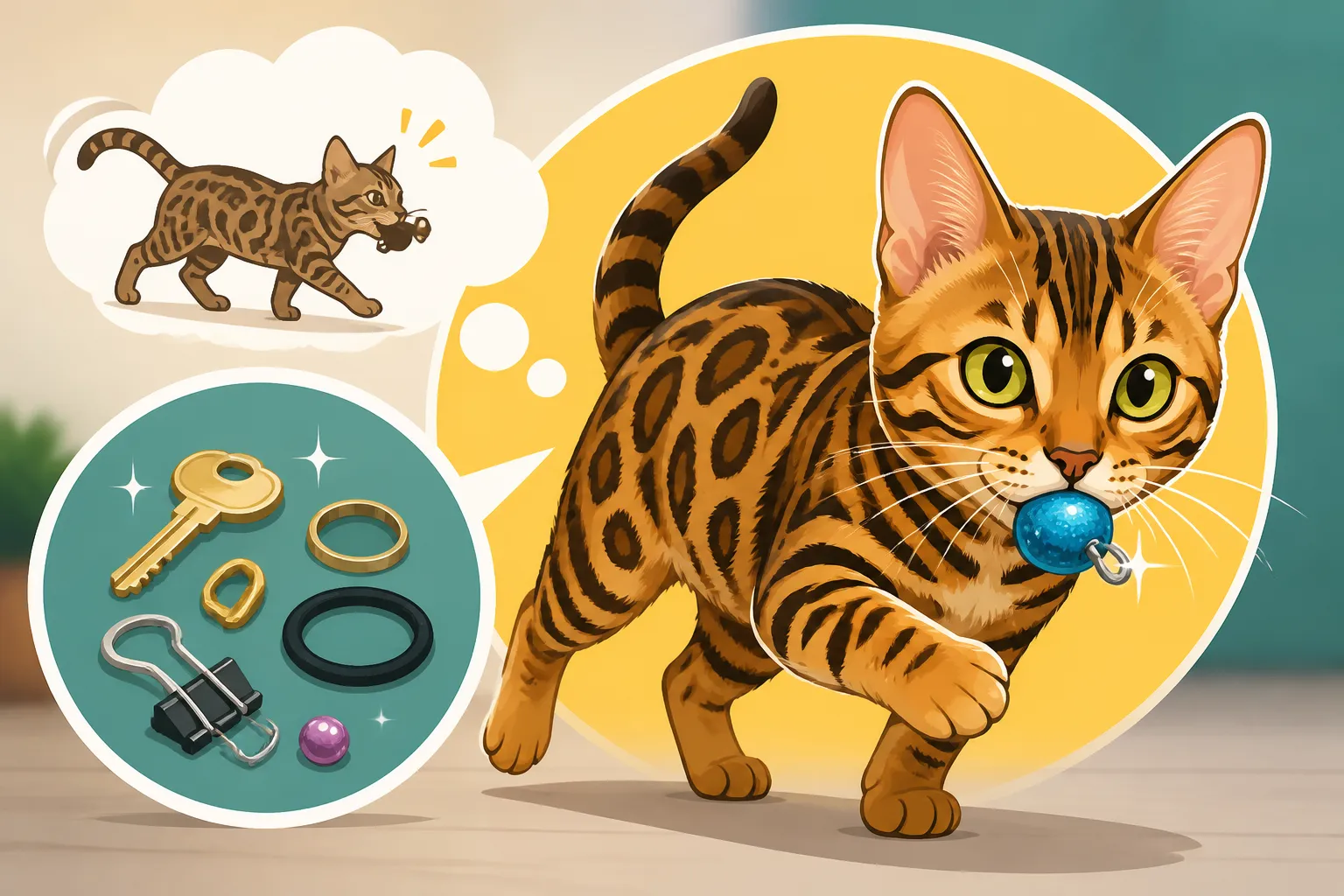
Why a Bengal Cat Steals Small Objects
It's baffling, isn't it? One minute your favorite pen or your treasured earrings are right where you left them, and the next they've vanished without a trace, only to reappear in the strangest nooks and crannies of your home. If you're a Bengal cat parent, you know this scenario all too well. This guide is here to shed light on why your clever, curious Bengal has developed a penchant for "borrowing" your small objects and how you can manage this endearing, if sometimes frustrating, behavior.
The Instinctual Drive Behind the 'Theft'
When your Bengal cat "steals" something, it's not out of malice or spite. It's a deeply ingrained behavior, often tied to their wild ancestry and their incredibly sharp hunting instincts. Understanding these roots can help you appreciate this quirky trait, even as you search for your missing car keys under the sofa.
Echoes of the Wild Ancestor
Think about the Asian Leopard Cat (ALC), the magnificent wild feline that contributes to the Bengal's unique genetic makeup. In the wild, successful hunting isn't just about the kill; it's about securing the prey, moving it to a safe, secluded spot away from scavengers or other predators, and then consuming it at leisure. This act of "stashing" is vital for survival. A smaller kill might be carried off in the mouth, while a larger one might be dragged to cover. This protective behavior, this desire to secure valuable items, is hardwired into their DNA.
Your Bengal, despite generations removed from the wild, still carries these genetic blueprints. When they pick up a shiny button, a hair tie, or a piece of crumpled paper, they're not necessarily planning to eat it (though sometimes they might, which is a concern we'll touch on later). Instead, they're often acting on that primal urge to "secure their bounty." It's a sophisticated play behavior that mimics the real-life necessities of their wild ancestors. They’re practicing survival skills, even if their "prey" is just your forgotten bottle cap.
Prey Drive and the Thrill of the Chase
Bengal cats are renowned for their high energy and intense prey drive. They live for the thrill of the chase, the pounce, and the "capture." Small objects in your home—especially those that move, roll, or make interesting sounds—can become irresistible stand-ins for actual prey. A pen rolling off a desk, a stray hair tie flicked across the floor, or even the crinkle of a plastic wrapper can trigger their predatory sequence.
The act of "stealing" an item often involves a mini-hunt. Your Bengal might stalk the item, pounce on it, then carry it off in their mouth. This entire sequence provides immense satisfaction, engaging both their physical agility and their sharp mental faculties. It's a self-directed game, one where they are both the hunter and the ultimate winner. They aren't just taking an object; they're experiencing a miniature version of the hunting experience, from the initial spotting to the triumphant carry-off. This is why a simple object can hold so much appeal to them – it's an interactive challenge, far more stimulating than a stationary toy. This deep-seated need for activity is why The Bengal Cat Is the Most Active Cat You Can Own.
Why Your Bengal Cat Sees Your Belongings as Their Treasure
It's not just about the thrill of the hunt; there's also a strong element of ownership and communication in your Bengal's pilfering habits. These clever felines often have complex reasons for choosing specific items and places to "stash" them.
Scent Marking and Ownership
Cats communicate a great deal through scent. They have scent glands on their cheeks, chins, foreheads, and paw pads. When your Bengal rubs against you, kneads their paws, or even chews on an object, they're depositing their unique scent. This is how they mark their territory and express ownership. When they pick up your car keys or a specific trinket and carry it away, they're not just moving it; they're scent-marking it as "theirs."
Imagine your Bengal carrying off your favorite pair of socks and depositing them in their preferred sleeping spot. To them, this isn't random. Those socks now carry their scent, making their sleeping area feel more secure and familiar. It's like a child carrying their favorite blanket around—it brings comfort and a sense of belonging. The more they interact with an object, the more it becomes imbued with their personal signature, reinforcing their claim. This behavior can be particularly pronounced in multi-cat households, where each cat might try to establish their own "treasure hoard."
Attention-Seeking Behavior
Let's be honest, Bengal cats are smart. Sometimes, too smart for their own good. They quickly learn cause and effect, and they are masters at getting your attention. If they've discovered that picking up a specific item—say, your phone or your glasses—instantly elicits a reaction from you, whether it's a startled gasp, a chase, or even a scolding, they might repeat the behavior. To them, any attention is good attention, and if "stealing" gets them that valuable interaction, they'll happily become repeat offenders.
Consider a scenario where you're engrossed in a book or working on your computer. Your Bengal, feeling neglected, might saunter over, deliberately pick up something small and important, and walk off with it, often glancing back to see if you're watching. The moment you look up or call their name, they've achieved their goal: they've broken your concentration and secured your focus. This isn't malicious; it's simply a highly intelligent animal using the tools at their disposal to get what they want—your undivided attention. They know exactly Why a Bengal Cat Learns From Watching You and will use it to their advantage.
The 'Bounty' – What Your Bengal Cat Might Steal
So, what exactly attracts a Bengal's discerning eye? It seems almost any small, portable object is fair game, but there are definitely favorites and common hiding spots that many Bengal owners will recognize.
Common Targets and Their Appeal
Bengal cats are drawn to a variety of items, often based on their size, texture, sound, or shine. It's like they have an internal radar for anything that could simulate prey or just be incredibly entertaining. Here's a rundown of the usual suspects:
- Hair Ties and Bobby Pins: These are top contenders. They're small, lightweight, can be flicked and chased, and their elastic texture offers a satisfying chew. Many Bengal owners have entire collections of lost hair ties that mysteriously reappear under furniture.
- Jewelry: Earrings, rings, small necklaces—especially those with dangling parts or a reflective gleam—are irresistible. The sparkle catches their eye, mimicking the glint of water or the flash of a small animal. Plus, they're often easy to grab and carry.
- Pens and Pencils: These roll beautifully, making them perfect for a game of chase. They also have a satisfying texture for mouthing. A pen might start on your desk and end up in their water bowl.
- Bottle Caps and Milk Rings: Lightweight, often colorful, and they make a great clattering sound as they're batted around. These are prime "prey" for an impromptu game of fetch or a solo hunt.
- Socks and Small Clothing Items: Soft, absorbent of your scent, and easily carried. A lone sock might become a comfort item or simply a fun, soft "kill" to parade around.
- Small Toys (Even Their Own!): Yes, even their designated toys aren't safe from being "stolen." A Bengal might choose to relocate a favorite toy from its basket to a more "secret" spot, reinforcing that sense of security and ownership over their prized possessions.
- Qtips and Cotton Swabs: These are lightweight, have a unique texture, and are easy to bat around. They're often found shredded or stashed in odd places.
The appeal lies in the sensory experience each item provides. The way a small object rolls, the sound it makes when batted, its texture for chewing, or its reflective surface all contribute to making it an attractive target. This fascination explains What a Bengal Cat Steals Most Often.
The Hidden Stash – Where the Treasures Go
Once your Bengal has successfully "stolen" their chosen bounty, where do they take it? Unlike a squirrel burying nuts, a Bengal's stash spots can be remarkably creative and often frustratingly inaccessible for their human companions. These hidden locations serve as their personal trophy room or secure den.
Common hiding spots include:
- Under furniture: Sofas, armchairs, beds—anything with a dark, enclosed space underneath offers a perfect, secure spot to deposit their finds. It feels like a safe den, reminiscent of where a wild cat might hide its prey.
- Inside shoes or slippers: The enclosed, often warm space of footwear is another favorite. Plus, it's infused with your scent, adding another layer of comfort and familiarity to their hidden treasure.
- Behind curtains or drapes: These offer quick concealment and a soft landing spot for their loot. It’s an easy place to discretely drop an item.
- Inside drawers or cabinets they've opened: Yes, your Bengal probably knows how to open cabinets and drawers. Once inside, these offer an excellent, multi-level storage system for their ever-growing collection. If your Bengal is particularly adept, you might need to look into How to Cat Proof Cabinets From a Bengal Cat.
- Under rugs or mats: A quick flick of a paw can send a small item underneath, out of sight and "safe."
- In their beds or favorite sleeping spots: Some Bengals like to keep their most prized possessions close, tucking them into their sleeping blankets or cat beds. This reinforces the idea of ownership and security.
These collections aren't just random piles; they're often a testament to your Bengal's cunning and persistence. Finding a dozen hair ties, three pens, and a sparkling earring all nestled together behind a rarely moved chest of drawers is a rite of passage for many Bengal owners. It's their personal "treasure chest," and they take great satisfaction in adding to it. They might even display these items to you, almost as a proud offering, showing off their successful hunt.
Preventing the Pilfering and Redirecting the Instinct
While you might never fully stop a Bengal cat from acting on their natural instincts, you can certainly manage the behavior. The key is to make your home less tempting for "theft" and to provide more appropriate outlets for their boundless energy and intelligence.
Cat-Proofing Your Home
The first line of defense against a disappearing act is to make the tempting items less accessible. This requires a bit of foresight and some creative storage solutions. Think like a Bengal: what would you want to steal, and how would you get it?
- Secure Small Objects: Invest in containers with lids for all those little bits and bobs. Jewelry boxes, zippered pouches, and desk organizers are your best friends. Don't leave keys, wallets, or small electronics out on open surfaces. Get into the habit of putting things away immediately after use.
- Lock it Down: For items you truly can't have your Bengal getting into—like medications, important documents, or dangerous small objects—consider child-proof locks for cabinets and drawers. Many effective and affordable options are available on Amazon that can prevent even the most determined feline from gaining access. These work wonders not just for curious toddlers but for clever cats too!
- Designated "Bengal Zones": Consider creating specific areas that are truly Bengal-proof for certain items, perhaps a higher shelf that is inaccessible even to their incredible jumping abilities, or a room with a door that can be securely closed when you're not supervising.
- Clean Up Regularly: A tidy home means fewer temptations. Make a habit of doing a quick sweep for loose items before you leave the house or go to bed. The less available, the less to "steal."
Remember, a Bengal cat's intelligence means they're always looking for a challenge. Your cat-proofing strategies might need to evolve as your Bengal figures out new ways to bypass them. It's a constant, playful battle of wits!
Providing Appropriate Outlets for Hunting
Since the stealing behavior often stems from a strong prey drive and a need for mental and physical stimulation, the best long-term solution is to redirect this energy into acceptable channels. Your Bengal isn't just a pretty face; they are incredibly intelligent and need engaging activities to thrive.
- Interactive Play Sessions: Structured playtime is crucial. Use wand toys, feather teasers, or fishing rod-style toys to simulate hunting. Engage them in chasing, pouncing, and "killing" the toy. Aim for multiple, vigorous sessions daily. This fulfills their instinctual need for the hunt in a safe, directed way. Remember that How Many Play Sessions a Bengal Cat Needs is often more than you'd think!
- Puzzle Feeders: These are fantastic for mental enrichment. Instead of just eating from a bowl, your Bengal has to "work" for their food, pushing, batting, or problem-solving to get kibble. This mimics the challenge of hunting and foraging. You can find a wide array of puzzle feeders on Amazon designed to challenge even the smartest cats. A good puzzle feeder can truly exhaust their clever minds; try finding Which Puzzle Feeder Beats a Bengal Cat.
- Cat Wheels: For the ultimate energy burner, a cat wheel can be a game-changer. Bengals love to run, and a wheel provides an excellent indoor outlet for their incredible athleticism, helping to tire them out both physically and mentally. This directly addresses Why a Bengal Cat Never Seems to Tire.
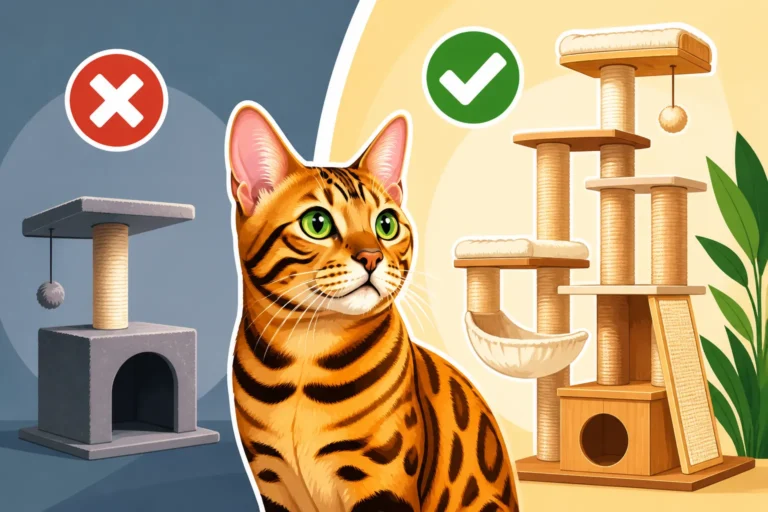
- Vertical Space: Bengals are climbers. Providing tall cat trees, wall-mounted shelves, and other vertical perches gives them places to observe their "territory" from above, jump, and expend energy. A stimulating environment is less likely to lead to destructive or attention-seeking behaviors.
- Catios: If possible, consider building a secure outdoor enclosure, or "catio." This provides fresh air, sensory stimulation, and a safe space to explore and "hunt" bugs or leaves without the dangers of free-roaming. A catio is a fantastic way to satisfy many of their innate needs; learn more about Why a Bengal Cat Needs a Catio.
By providing plenty of appropriate outlets, you're not just preventing them from stealing; you're enriching their lives and reinforcing positive behaviors.
Dealing with the Aftermath and Building Positive Habits
So, your Bengal has just made off with your favorite lipstick. What do you do? Your reaction in these moments can either reinforce the behavior or help to curb it. It's all about consistency and positive reinforcement.
How to React When an Item is Stolen
Your immediate reaction is key. While it's tempting to chase after them, yell, or make a big fuss, this often backfires, turning the "theft" into an even more exciting game for your Bengal. They've effectively trained you to chase them, which is exactly what their wild instincts crave.
- Avoid the Chase: Resist the urge to chase them down. For a Bengal, being chased is part of the game. It makes the "stolen" item feel even more valuable and the interaction more thrilling. This is like an encore for them.
- Redirect, Don't Confront: Instead of confronting them directly, try redirecting their attention. If they've got your pen, jingle a favorite wand toy or throw a preferred treat across the room. While they are distracted by the new, more exciting "prey," quietly retrieve your item.
- Ignore and Retrieve: Sometimes, the best approach is to act like you don't care. If they drop the item and wander off, or if they take it to a stash spot, retrieve it silently when they're not looking. This removes the "reward" of your attention.
- Trade Up: If your Bengal is holding a particularly precious item, you can try a "trade." Offer them a highly desirable treat or a new, exciting toy in exchange for the stolen item. This teaches them that letting go of things can lead to an even better reward.
The goal is to make the act of stealing less rewarding and less exciting for them. By staying calm and strategic, you can slowly chip away at the attention-seeking component of the behavior.
Training and Reinforcement
Bengal cats are incredibly intelligent and highly trainable. You can absolutely teach them commands that will help manage their "sticky paws." Positive reinforcement is the name of the game here.
- "Drop It" and "Leave It": These are invaluable commands. Start by practicing with toys. When your Bengal has a toy in their mouth, offer a high-value treat right near their nose. The moment they open their mouth to investigate or drop the toy, say "Drop it!" and reward them with the treat. Repeat this many, many times in short, positive sessions. Once they understand "drop it," you can move to "leave it," rewarding them for not picking up an item. Consistent clicker training works wonders for these intelligent felines; read more about How to Clicker Train a Bengal Cat.
- Reward Appropriate Play: When your Bengal is playing nicely with their own toys, especially interactive ones, lavish them with praise, treats, and continued engagement. Reinforce the idea that playing with their toys earns them positive attention.
- Create Designated Play Zones: Encourage play in specific areas where their toys are kept. This helps them associate certain spaces with appropriate play, and other spaces (like your desk) with different rules.
- Consistency is Key: Everyone in the household needs to be on the same page with how to react to stolen items and how to reinforce desired behaviors. Inconsistency will only confuse your clever Bengal.
Remember, patience and understanding go a long way. Your Bengal isn't trying to be naughty; they're simply acting on instincts and learned behaviors. With a little guidance and a lot of positive reinforcement, you can help them channel their energy in constructive ways. Their intelligence is truly remarkable, but it does require consistent direction. How Intelligent a Bengal Cat Is means they need mental engagement, and training is a wonderful way to provide it.
When Stealing Becomes a Concern
For the most part, a Bengal cat's habit of "stealing" small objects is a charming, if sometimes inconvenient, quirk. However, there are instances where this behavior can escalate into a genuine concern for their health and well-being. Knowing when to worry is important for any cat parent.
Distinguishing Play from Problem Behavior
The main concern with a Bengal's stealing habit is when the "stolen" items are not just stashed, but ingested. While a hair tie might seem like a harmless plaything, if your Bengal chews and swallows it, it can lead to serious health issues.
- Ingestion of Objects (Pica): This is the biggest red flag. Hair ties, string, small rubber bands, bits of plastic, or even fabric can cause gastrointestinal blockages. If you notice your Bengal consistently chewing on and swallowing non-food items, or if you find remnants of chewed-up objects in their vomit or litter box, it's time to take it seriously. Signs of a blockage include vomiting, lethargy, loss of appetite, straining to defecate, or abdominal pain.
- Stealing Food Items: While an occasional counter-surfing escapade for a dropped crumb might be typical feline mischief, consistent theft of human food can be problematic. Some human foods are toxic to cats, and even safe foods, if consumed in large quantities, can cause digestive upset. This often indicates hunger or a lack of appropriate food sources, but it can also be a learned behavior.
- Destructive Chewing: If your Bengal is not just taking items but actively destroying them by chewing, it might signify a deeper issue. This could be a sign of boredom, anxiety, or even dental problems. A bored Bengal will resort to What a Bored Bengal Cat Destroys, and sometimes that includes your valuable belongings.
If you suspect your Bengal is ingesting items or if their behavior shifts from playful pilfering to destructive consumption, don't hesitate to seek professional advice.
Seeking Professional Guidance
When you've tried redirection, environmental enrichment, and training, but the problematic stealing or ingestion continues, it's time to bring in the experts.
- Consult Your Veterinarian: Your vet is the first point of contact. They can rule out any underlying medical conditions that might be contributing to the behavior, such as nutritional deficiencies, dental pain, or gastrointestinal issues. They can also advise on the dangers of specific ingested items and whether imaging or other diagnostics are needed if a blockage is suspected. For example, a Bengal with a sensitive gut might be showing signs of discomfort; understanding What a Bengal Cat's Gut Is So Sensitive can sometimes link to unusual chewing habits.
- Referral to a Feline Behaviorist: If medical causes are ruled out, your vet might recommend a certified feline behaviorist. These professionals specialize in understanding and modifying cat behavior. They can help you identify the root cause of the intense stealing or pica, whether it's anxiety, compulsive behavior, lack of appropriate stimulation, or something else. A behaviorist can develop a tailored plan that includes environmental modifications, enrichment strategies, and behavior modification techniques to help your Bengal cat overcome these challenges.
- Review Their Diet: Sometimes, a perceived nutritional deficiency can drive pica. Discuss your Bengal's diet with your vet to ensure it's balanced and meets all their needs, especially given their high activity levels.
- Increase Enrichment: Re-evaluate your Bengal's daily routine. Are they getting enough physical exercise and mental stimulation? Sometimes, simply adding more play sessions, new puzzle toys, or increasing their vertical space can make a significant difference.
While a Bengal's habit of "stealing" can be quite amusing, it's essential to monitor the behavior for signs that it's becoming harmful. Your proactive approach can keep your adventurous feline happy, healthy, and safe, ensuring their natural curiosity doesn't lead them into trouble.
Disclaimer
This article is for general informational purposes only and does not constitute professional advice. Laws, prices and regulations vary by location and change over time. Consult a qualified professional for guidance on your specific situation.