Why Bengal Cat Hair Does Not Show on Furniture
One of the common headaches for any cat owner is finding cat hair absolutely everywhere – clinging to your clothes, decorating your sofa, and making an unwelcome appearance in your morning coffee. So, when you hear whispers that Bengal cat hair doesn't show up on furniture, it sounds almost too good to be true. This guide will dive deep into the unique characteristics of the Bengal coat to explain why many owners find themselves pleasantly surprised by the lack of visible shedding, and what that truly means for your home.
The Unique Structure of the Bengal Cat's Coat
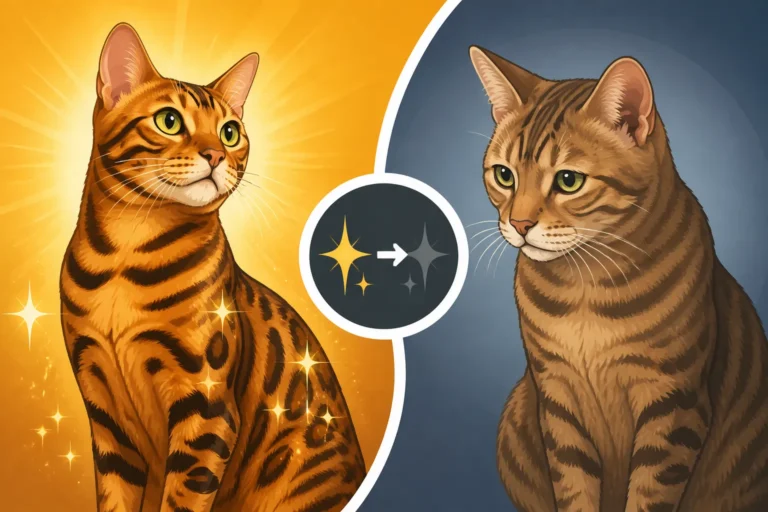
Unlike many domestic cats, Bengals possess a truly distinct coat that sets them apart. This isn't just about their stunning patterns; it's about the very composition of their fur, which contributes significantly to why you might not see it strewn across your living room. Their wild ancestry, specifically the Asian Leopard Cat, plays a huge role in this unique trait.
The Pelt-Like Quality
If you've ever had the pleasure of petting a Bengal, you'll immediately notice that their coat feels different. It's often described as a "pelt" rather than traditional fur, and it’s not just a fancy way of talking about it. This pelt-like quality means the individual hair shafts are remarkably fine, sleek, and lay very close to the body. They don't have the fluffy, soft texture of many long-haired or even some short-haired domestic breeds. Think of it more like a mink coat – incredibly soft and dense, but very smooth and flat. This density and texture means the hair is less prone to floating around freely in the air or sticking to fabrics with static. It tends to stay put until it's physically brushed or falls directly to the floor. Owners often remark on Why a Bengal Cat's Coat Feels Like Silk – it’s a tactile experience unlike any other feline.
Absence of a Thick Undercoat
Here's one of the biggest secrets to the Bengal's minimal hair footprint: they generally lack the dense, fluffy undercoat that characterizes many other cat breeds. Most domestic cats, especially those adapted to colder climates, have two layers of fur: a coarser outer guard coat and a thick, insulating undercoat. It's often this soft, downy undercoat that sheds in copious amounts, especially during seasonal changes, forming those infamous "dust bunnies" and hairballs. Bengals, however, inherited a more single-coated genetic trait from their wild ancestors, who are native to warmer, tropical regions. This means less insulation for them, but a significant benefit for you when it comes to shedding. Without that heavy undercoat, there's simply less loose hair to be released into your environment. You might be interested in reading Why a Bengal Cat Has Almost No Undercoat for more on this.
The Role of the Asian Leopard Cat Ancestry
The primary reason for these unique coat characteristics ties directly back to the Bengal's foundation: the Asian Leopard Cat (ALC). The ALC, a small wild cat found across parts of Asia, has a sleek, short, and very close-lying coat. This coat is perfectly adapted for their jungle and forest habitats, offering protection without excessive bulk, and shedding minimally to avoid being weighed down by loose fur. When the ALC was bred with domestic cats to create the Bengal breed, many of these desirable physical traits, including the coat structure, were carried over. So, every time you marvel at your Bengal's impossibly soft and seemingly non-shedding coat, you're experiencing a direct lineage to their wild heritage. It’s a genetic jackpot for clean furniture! For more on their origins, consider A Leopard Cat and a Housecat Made the First Bengal Cat.
Understanding Bengal Cat Shedding Patterns
Even though Bengals are touted for their low shedding, it's important to understand that no cat is truly non-shedding. They are not hairless, after all! However, the amount and type of shedding a Bengal experiences is drastically different from what you might be used to with other feline companions.
Minimal Shedding Cycles
While other cats might have distinct "shedding seasons" where you feel like you're living in a fur factory, Bengals tend to shed more consistently and minimally year-round. You won't typically see huge clumps of hair coming off them, nor will your home be buried in a thick layer of fur every spring and autumn. This isn't to say they never shed; they simply replace individual hairs gradually. This continuous, low-level shedding means that the few hairs that do fall out are often so fine and light that they might go unnoticed, or they settle on hard surfaces where they're easily swept or vacuumed up, rather than embedding themselves deeply into soft furnishings. It’s a subtle process that significantly contributes to the perception that their hair doesn't "show."
Fine Hair Texture and Interaction with Surfaces
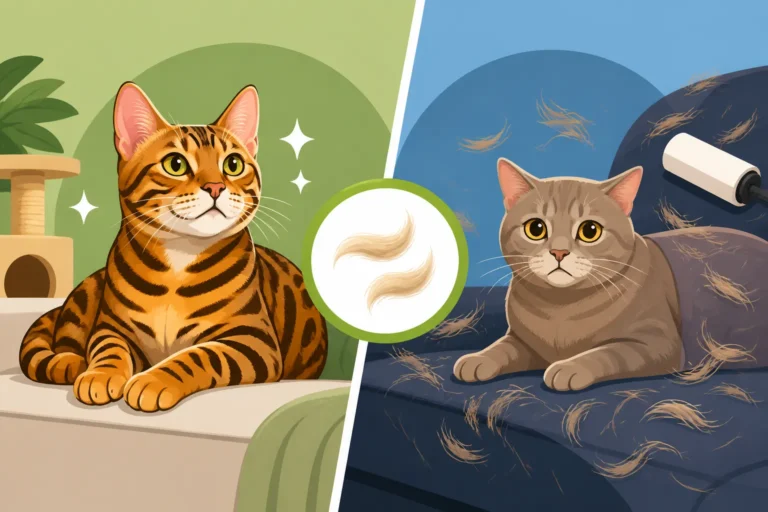
The individual hairs of a Bengal cat are not only fewer in number due to the lack of an undercoat, but they are also exceptionally fine. This delicate texture means that when a hair does fall, it's less likely to cling stubbornly to upholstery or carpets compared to the coarser, often barbed hairs of many domestic cats. Think about the difference between a fine human hair and a thick, wiry dog hair – they behave very differently when they land on fabric. Bengal hair, being so fine and light, also doesn't tend to build up or create visible clusters on surfaces. Instead, it might blend into the fabric's fibers or simply fall off, making it less noticeable. This is particularly true if you have furniture colors that are somewhat close to your Bengal's coat, but even on contrasting fabrics, the sheer lack of volume makes a huge difference. This unique characteristic is part of How Little a Bengal Cat Sheds for a Shorthair.
How Shed Hair Interacts with Furniture
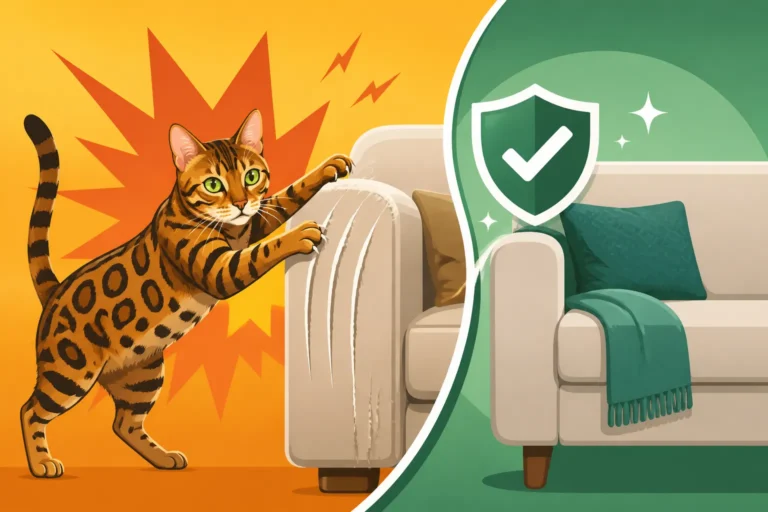
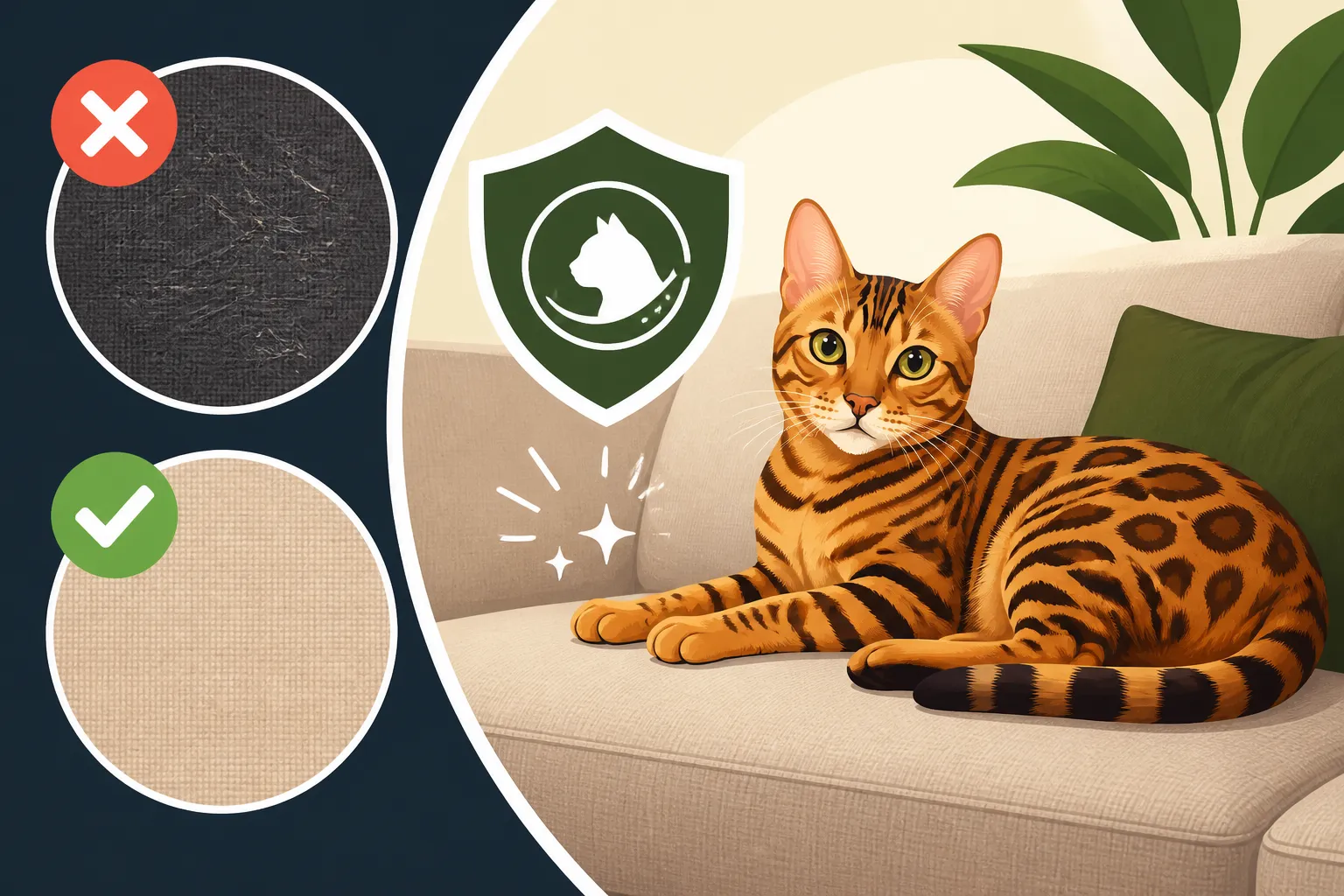
When Bengal hair does shed, its interaction with furniture is key to why it's less noticeable. Because the hairs are short, fine, and lack the barbed structure often found in a thick undercoat, they don't easily weave themselves into the fibers of your couch or throw pillows. Instead, they tend to lie on the surface, making them far easier to remove. A quick swipe with a lint roller, a damp cloth, or a portable vacuum can often pick up any stray hairs without much effort. You might find a few hairs on your dark jeans after a snuggle, but it’s rarely the kind of pervasive fuzz that demands a full re-linting of your entire outfit. For more on what to expect, check out Why Bengal Cat Hair Does Not Show on Furniture.
Practical Implications for Bengal Owners
Understanding why Bengal hair doesn't show up as much is one thing, but what does it mean for your daily life as an owner? It translates to less time spent cleaning, easier maintenance, and potentially a more comfortable environment for those with mild sensitivities.
Easier Cleaning and Maintenance
The low shedding nature of a Bengal cat is a huge bonus for home cleanliness. Instead of daily battles with cat hair tumbleweeds and deeply embedded fur in your upholstery, you'll find that routine cleaning is much more manageable. A quick vacuuming schedule, perhaps every few days instead of daily, might be all you need to keep things tidy. For surfaces like hardwood floors or tile, a robotic vacuum can easily handle the minimal stray hairs.
For furniture, a simple brush or a wipe-down is often sufficient. You might still want to invest in a good pet hair remover for occasional touch-ups, and brands like Chewy offer a wide array of options, from reusable lint rollers to specialized upholstery brushes that are perfect for picking up those fine hairs that might settle. The overall effort required to keep your home hair-free is dramatically reduced, freeing up more time for playing with your active Bengal.
Why Allergies Might Seem Less Triggered
It’s a common misconception that Bengal cats are hypoallergenic. No cat is truly hypoallergenic, as allergies are primarily triggered by dander (dead skin flakes), saliva, and urine proteins, not the hair itself. However, because Bengals shed so minimally and have a finer coat, they can sometimes be better tolerated by individuals with mild cat allergies. Less hair floating around means less dander being distributed throughout the environment. Additionally, some anecdotal evidence suggests that their saliva might contain lower levels of the Fel d 1 protein, though scientific consensus on this varies widely and it's certainly not a guarantee.
If you have allergies, it's crucial to spend time with a Bengal cat before bringing one home to see how you react. Do not rely solely on the "low-shedding" claim as a guarantee against an allergic reaction. But for many, the reduced hair dispersal can indeed make living with a Bengal a more comfortable experience than with a heavily shedding breed. This topic is explored further in Whether the Bengal Cat Hypoallergenic Claim Holds Up.
Grooming Benefits and Tools
Despite their minimal shedding, a Bengal still benefits from occasional grooming, both for coat health and as a bonding experience. However, the intensity and frequency of grooming are significantly lower than for most other breeds. You won't need to dedicate hours each week to brushing.
A weekly once-over with a soft rubber curry brush or a grooming glove is usually plenty. This helps to remove any loose hairs before they have a chance to fall out naturally, distributes their natural skin oils, and keeps their already stunning coat looking its best. The pelt-like coat does not mat, which is another huge advantage. You can find these types of grooming tools easily on platforms like Amazon or Chewy. Some owners even incorporate bathing, which Bengals often enjoy due to their love of water. Pet-safe shampoos and conditioners can help maintain coat health without irritating their sensitive skin.
| Coat Characteristic | Bengal Cat (Pelt-like) | Typical Domestic Shorthair (Fur) |
|---|---|---|
| Layers | Primarily single coat | Usually double coat (undercoat) |
| Hair Texture | Fine, sleek, lies flat | Varies, often coarser, can be barbed |
| Shedding Volume | Minimal, consistent year-round | Moderate to heavy, seasonal surges |
| Visibility on Furniture | Low, less prone to clinging | High, easily embeds and clings |
| Dander Dispersal | Less, due to minimal hair loss | More, due to higher hair shedding |
| Grooming Need | Low (weekly brush) | Moderate (several times a week) |
Even with their minimal shedding, regular interaction and observation of your Bengal's coat can help you catch any unusual changes that might indicate a health issue. A sudden increase in shedding, for example, could be a sign of dietary imbalance or stress, things a good vet would want to investigate. Generally, however, you'll find that your Bengal is a wonderfully low-maintenance companion when it comes to keeping your home free from a perpetual layer of cat hair. Their wild beauty truly comes with domesticated convenience in this regard!
Disclaimer
This article is for general informational purposes only and does not constitute professional advice. Laws, prices and regulations vary by location and change over time. Consult a qualified professional for guidance on your specific situation.