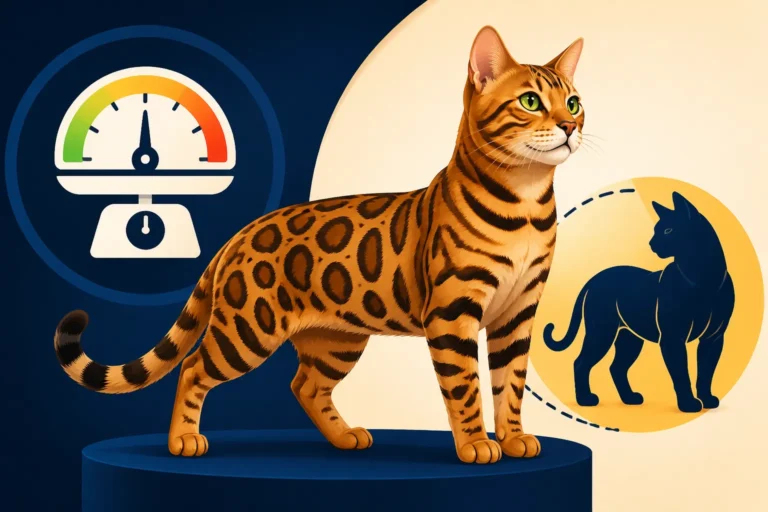
Why a Bengal Cat’s Big Ears Stay Clean
One common worry for new Bengal cat owners is keeping their lively companions healthy, and often, ear care comes up. You might find yourself wondering if you're missing something crucial, especially when your Bengal's ears seem remarkably clean compared to other cats you've known. It’s natural to feel a bit puzzled by this apparent lack of gunk, but rest assured, there are very good reasons why your Bengal's ears often stay so pristine, and this guide will explore them in depth, helping you understand their unique anatomy and self-care habits.
The Unique Design of a Bengal Cat's Ears
When you look at a Bengal cat, their wild heritage is instantly apparent, and that extends right down to their ears. These aren't just any cat ears; they carry traits passed down from their Asian Leopard Cat ancestors, which are perfectly adapted for life in the wild. This ancestral blueprint plays a huge role in why their ears often appear so remarkably clean without much human intervention.
The Asian Leopard Cat Connection
The domestic Bengal cat owes much of its distinctive appearance and even some behavioral traits to its wild predecessor, the Asian Leopard Cat (ALC). These wild cats are native to various parts of Asia, inhabiting diverse environments from tropical rainforests to temperate forests. In these natural habitats, an animal's senses, particularly hearing, are paramount for survival – for hunting prey and detecting predators. The ears of the ALC are designed for optimal function in such conditions. They are typically medium to large, set relatively high on the head, and have a wide base, allowing for excellent directional hearing. This structure helps them pick up the faintest rustle of leaves or the tiny squeak of a rodent.
When the Asian Leopard Cat was first bred with domestic cats to create the Bengal, many of these physical attributes, including ear structure, were passed down. Breeders specifically sought to retain the "wild look," and that included aspects like ear shape and placement. This genetic inheritance isn't just about aesthetics; it also influences the internal mechanisms and natural cleanliness of the Bengal's ears. The very design that makes them so efficient for hearing in the wild also contributes to their self-cleaning efficiency in your living room.
Anatomy of the Bengal Ear
The ears of a Bengal cat, like those of their wild ancestors, are generally quite prominent. They are often broader at the base and have a slightly rounded tip, giving them an alert, almost triangular appearance. What's particularly interesting from a cleanliness perspective is the internal structure. The ear canal itself tends to be quite open and well-ventilated compared to some other domestic breeds. This increased airflow helps to prevent moisture buildup, which is a common culprit for bacterial and yeast infections in many other cat breeds. A dry ear canal is a less hospitable environment for these unwelcome guests.
Furthermore, the cartilage within the Bengal's ear is often quite firm, allowing the ear to stand erect and funnel sound effectively. This firm structure also helps maintain the openness of the ear canal. Think of it like a perfectly designed architectural feature that naturally sheds debris and prevents stagnation. This isn't to say Bengal cats are immune to ear problems, but their inherent anatomy provides a strong first line of defense against common issues that plague other breeds with floppy, hairy, or narrower ear canals. It's a testament to evolutionary design, preserved in your household companion. For those interested in the breed's overall characteristics, checking What a Bengal Cat looks like by the standard can offer more insights into their physical traits.
The Role of Minimal Hair in the Ear Canal
Unlike some long-haired or even certain short-haired breeds that have dense tufts of hair growing within their ear canals, Bengal cats typically have minimal hair in this area. This might seem like a small detail, but it makes a significant difference when it comes to ear hygiene. Excess hair inside the ear can trap dirt, debris, and wax, creating a perfect breeding ground for bacteria and yeast. It can also impede airflow, further contributing to moisture retention and making the ear canal a dark, warm, and damp environment – basically, a petri dish for potential infections.
With minimal hair, the Bengal's ear canal is less likely to accumulate these trapped particles. Debris has an easier path to exit naturally, either through the cat's regular movements or during their self-grooming. This reduction in hair is a direct benefit from their Asian Leopard Cat lineage, where heavy ear hair might interfere with acute hearing needed for hunting. It's another subtle but powerful anatomical advantage that contributes to their reputation for naturally clean ears, reducing the frequency of ear infections that can be a nuisance and discomfort for other breeds and their owners.
Factors Contributing to Naturally Clean Ears
Beyond their inherent anatomy, several aspects of a Bengal cat's behavior and physical traits contribute to their ears remaining remarkably clean. These aren't just passive features but active elements of their lifestyle that keep ear troubles at bay.
Superior Self-Grooming Efficiency
Bengals are meticulous groomers, a trait often amplified by their wild ancestry. They dedicate a significant portion of their day to keeping their coats, paws, and yes, their ears, in pristine condition. Their barbed tongues are incredibly effective tools for removing loose hair, dirt, and even parasites from their fur. When it comes to their ears, they use their paws, often licked clean, to thoroughly wipe and clean the outer ear and the entrance to the ear canal. This isn't just a quick swipe; it's a deliberate and thorough cleaning process.
This superior self-grooming isn't just about looking good; it's a crucial health mechanism. By regularly cleaning their ears, they remove dust, shed skin cells, and any accumulating wax before it has a chance to build up and cause problems. Think of it as a daily maintenance routine performed with extreme diligence. It's one of the primary reasons why you might rarely, if ever, feel the need to intervene with a cotton swab or ear cleaner. Many Bengal owners marvel at how little they need to do in terms of grooming compared to other breeds, and this extends to their ears as well. Indeed, A Bengal Cat needs almost no grooming is a common sentiment among those who share their homes with these magnificent creatures.
Active Lifestyle and Environment
Bengal cats are renowned for their incredibly active and curious nature. They are often described as the most active cat breed you can own, constantly exploring, climbing, and playing. This high level of physical activity isn't just good for their muscles and mental stimulation; it also indirectly contributes to their ear health. When a cat is constantly moving, jumping, and shaking its head during play, it helps to dislodge any loose debris or dust that might settle in the ear canal. The natural vibrations and movements can prevent particles from settling deeply and causing irritation. The Bengal Cat is the most active cat you can own is not an exaggeration, and this constant motion translates to benefits across their entire physical well-being.
Furthermore, a well-stimulated Bengal, often engaged with toys, cat trees, and even outdoor enclosures like catios, tends to be a happier, healthier cat. A clean, enriched environment with appropriate How much enrichment a Bengal Cat actually needs can also mean less exposure to common environmental allergens and irritants that could otherwise lead to ear inflammation. While they might occasionally get into muddy situations if they have outdoor access, their vigorous self-cleaning and active nature usually mean these instances don't lead to chronic ear problems. This combination of self-maintenance and a dynamic lifestyle forms a powerful defense against common ear issues.
When to Worry About Ear Issues in Your Bengal Cat
Even with their excellent self-cleaning mechanisms and wild-inspired anatomy, Bengal cats are not entirely immune to ear problems. It's essential for any diligent owner to know the signs that something might be amiss, even if you’re used to seeing pristine ears. Overlooking subtle changes can allow minor issues to escalate into more significant health concerns.
Signs of Infection or Mites
Despite their best efforts, Bengal cats can still develop ear infections or fall victim to ear mites. The signs of these issues are generally similar to those found in any other cat breed, though they might be more noticeable in a Bengal simply because their ears are typically so clean. One of the most common indicators is excessive scratching or pawing at the ears. If you see your Bengal frequently shaking their head, tilting it to one side, or rubbing their ears against furniture, it's a red flag. You might also notice a discharge from the ear canal. This discharge could be waxy, dark brown (often indicative of ear mites), yellow, or even pus-like. A foul odor emanating from the ear is another strong sign of infection, often bacterial or yeast-related.
Beyond these more obvious physical signs, changes in behavior can also hint at discomfort. A Bengal who is usually outgoing and playful might become withdrawn, lethargic, or irritable if they're experiencing ear pain. They might resist having their head or ears touched. While a Bengal can be quite stoic and How a Bengal Cat Hides Pain incredibly well, persistent discomfort will eventually manifest in some behavioral shift. It's crucial not to dismiss these subtle changes, as early detection and veterinary intervention can prevent more severe complications and ensure your energetic companion remains comfortable.
Underlying Health Conditions
Sometimes, ear problems are not isolated incidents but rather symptoms of a broader underlying health issue. For instance, skin allergies, whether environmental or food-related, can manifest with itchy, inflamed ears. If your Bengal is consistently experiencing ear irritation without a clear external cause, your vet might investigate allergies, requiring a change in diet or environment. Respiratory infections, though less common as a direct cause, can sometimes lead to secondary ear infections if bacteria travel up the Eustachian tubes.
Systemic illnesses that compromise the immune system can also make a cat more susceptible to infections, including those in the ears. While Bengal cats are generally a healthy breed, they are not immune to all health concerns. Certain genetic predispositions, though rare for ear issues specifically, could hypothetically play a role in overall susceptibility. For example, some immune-mediated conditions can make a cat more prone to chronic inflammation. Therefore, if ear problems recur, or if they appear alongside other seemingly unrelated symptoms like changes in appetite, energy levels, or coat condition, it’s vital to discuss a full diagnostic workup with your veterinarian to rule out any deeper health concerns. Regularly checking What a Bengal Cat's yearly bloodwork should cover can help monitor for these broader issues.
Impact of Environment and Diet
Even for a Bengal cat with naturally clean ears, their immediate environment and diet can play a surprisingly significant role in maintaining or disrupting that natural balance. A dusty home, for example, especially during renovation or in very dry climates, can introduce more airborne particles that might eventually irritate the ear canal, even if the cat is a diligent groomer. Similarly, exposure to certain types of outdoor allergens, if your Bengal has supervised outdoor access to a catio, could trigger an allergic reaction that manifests as itchy ears.
Diet is another critical factor. A high-quality, species-appropriate diet supports overall skin and coat health, which includes the delicate skin lining the ear canal. If a Bengal is on a diet that lacks essential fatty acids or has ingredients they are sensitive to, it could lead to systemic inflammation that presents as skin issues, including redness and itchiness in the ears. Many Bengal owners advocate for high-protein diets, as detailed in The High Protein Argument for a Bengal Cat, which can support overall vitality. Products found on sites like Chewy or Amazon can provide a wide range of high-quality cat foods, including those formulated for sensitive skin or allergies. While it’s rare for diet alone to cause a severe ear infection in a Bengal, a suboptimal diet can certainly make them more susceptible to irritation and slower to recover from minor issues.
Maintaining Overall Ear Health in Your Bengal
Even with their naturally clean ears, a proactive approach to your Bengal's ear health is always best. This doesn't mean constant cleaning, but rather regular, gentle checks and supporting their overall well-being to ensure their ears continue to thrive.
Gentle Routine Checks
Since Bengal cat ears are often so clean, you might not feel the need to routinely clean them, and often, you shouldn't unless directed by a vet. Over-cleaning can actually do more harm than good by irritating the delicate skin and disrupting the natural protective balance of the ear canal. However, performing gentle routine checks is still highly recommended. Aim to look into your Bengal's ears once every week or two, perhaps when you're enjoying some cuddle time. Gently fold back the ear flap and visually inspect the visible part of the ear canal.
What are you looking for? You want to make sure the skin inside is a healthy pink color, free from redness, swelling, or any unusual discharge. A small amount of light brown wax is normal, but excessive buildup, dark brown "coffee ground" looking debris (a classic sign of ear mites), or yellow/green pus is not. Also, take a moment to smell the ear. It should have a neutral, clean scent. Any foul or yeasty odor warrants attention. If you spot anything concerning, resist the urge to deep-clean it yourself. Instead, schedule a visit with your veterinarian. They have the right tools and expertise to properly diagnose and treat any issues without causing further harm. Remember, your Bengal might be quite wriggly during these checks, so patience and positive reinforcement are key.
Dietary Support for Skin and Coat
A healthy diet is foundational for a healthy cat, and this extends to their skin and coat, including the health of their ears. Ensuring your Bengal receives a diet rich in high-quality protein and essential fatty acids, particularly Omega-3s and Omega-6s, is crucial. These nutrients play a vital role in maintaining the integrity of the skin barrier, reducing inflammation, and promoting a healthy, robust immune system. Look for cat foods that list meat as the first ingredient and are specifically formulated for active felines, as discussed in Which Protein Percentage Suits a Bengal Cat.
Many premium cat foods emphasize these nutritional components. If your Bengal has particularly dry or sensitive skin, or if you notice any flakiness around their ears, your vet might recommend a dietary supplement containing fish oil or other beneficial fatty acids. Always introduce new foods or supplements gradually and observe your cat for any adverse reactions. A well-nourished Bengal is better equipped to naturally resist skin irritations and maintain optimal ear health, reinforcing their innate cleanliness.
Proper Tools and Vet Visits
When it comes to ear care, the "less is more" approach is often best for Bengal cats, but being prepared with the right tools and knowing when to call the vet is paramount. For routine, non-problematic ears, you really don't need much beyond some soft tissues or cotton balls for wiping the outer ear if it ever gets a bit dusty. Never use cotton swabs inside the ear canal, as this can push debris deeper and potentially damage the delicate eardrum. If your vet does recommend a cleaner for a specific issue, ensure it’s a veterinary-approved product. You can often find these at your vet's office or through reputable online pet supply stores like Amazon.
Regular veterinary check-ups are the most important tool in your ear health arsenal. During their annual wellness exam, your veterinarian will routinely check your Bengal's ears using an otoscope to look deep into the canal. This allows them to spot subtle issues you might miss, such as minor inflammation or early signs of mites that haven't yet caused obvious symptoms. If you ever notice any of the concerning signs we discussed – excessive scratching, discharge, odor, or behavioral changes – don't delay a vet visit. Early intervention is always easier and more effective than waiting until a problem becomes severe. Your vet can provide accurate diagnoses and appropriate treatments, ensuring your Bengal's ears remain as wonderfully clean and healthy as nature intended.
| Sign of Ear Issue | Description | What to Look For | Urgency to See Vet |
|---|---|---|---|
| Excessive Scratching | Your Bengal frequently paws at or rubs their ears against surfaces. | Constant pawing, rubbing, or head shaking. | Moderate to High |
| Head Tilting | Your cat consistently holds their head at an unusual angle. | Persistent tilt to one side, especially after scratching. | Moderate |
| Ear Discharge | Any liquid or debris coming from the ear canal. | Dark brown wax, yellow/green pus, black "coffee grounds." | High |
| Foul Odor | An unpleasant smell emanating from the ear. | Yeasty, pungent, or generally "unclean" smell. | High |
| Redness/Swelling | The skin inside or around the ear appears inflamed. | Visible redness, puffy appearance, warmth to the touch. | Moderate to High |
| Pain/Sensitivity | Your cat recoils or cries out when their ears are touched. | Resistance to touch, flinching, vocalization. | High |
| Behavioral Changes | Unexplained shifts in mood, energy, or appetite. | Lethargy, irritability, hiding, loss of appetite. | Moderate |
Disclaimer
This article is for general informational purposes only and does not constitute professional advice. Laws, prices and regulations vary by location and change over time. Consult a qualified professional for guidance on your specific situation.