The Grooming a Bengal Cat Will Actually Sit Still For
Many first-time Bengal cat owners quickly realize that the grooming regimen they might have expected—the daily brush-out, the routine baths—just isn't going to fly with their energetic, opinionated wild child. These magnificent cats are incredibly particular and self-sufficient, and forcing a traditional grooming session is often a recipe for scratches, frustration, and a strained relationship. This guide will walk you through the realistic grooming practices your Bengal cat will not only tolerate, but perhaps even enjoy, focusing on their unique needs and how to make these essential tasks as stress-free as possible for both of you.
Understanding the Bengal's Unique "Pelt"
Before we dive into the nitty-gritty of grooming, it's crucial to understand what makes a Bengal cat's coat so special. It's not just "fur" in the traditional sense; it's a "pelt," and that distinction changes everything about their grooming needs. Their wild ancestry, primarily the Asian Leopard Cat, bequeathed them a coat that's truly one of a kind.
The Luxurious Feel and Glitter Effect
When you run your hand over a Bengal cat, you immediately notice the difference. Their coat isn't fluffy or dense with a thick undercoat; instead, it feels incredibly soft, sleek, and often like silk or even velvet. This unique texture is often described as "pelted" because the individual hairs lie very close to the body, creating a dense, smooth surface. It's truly unlike touching a regular domestic shorthair. This characteristic means their coat is far less prone to matting or tangling, which is a huge bonus in the grooming department.
Adding to this allure is the famous "glitter" gene. Not all Bengals have it, but many do, and it's absolutely mesmerizing. This genetic trait causes the individual hair shafts to be hollow and translucent, allowing light to penetrate and reflect, giving the coat a shimmering, iridescent quality, almost like it's dusted with gold or silver. It's most noticeable in bright sunlight and adds another layer to their wild, exotic appearance. This glitter isn't something that needs special grooming to maintain; it's inherent to the coat itself. You can learn more about The Glitter Gene and What It Does to a Bengal Cat's Coat and how it contributes to the feel of their unique coat in Why a Bengal Cat's Coat Feels Like Silk.
The Reality of Bengal Shedding
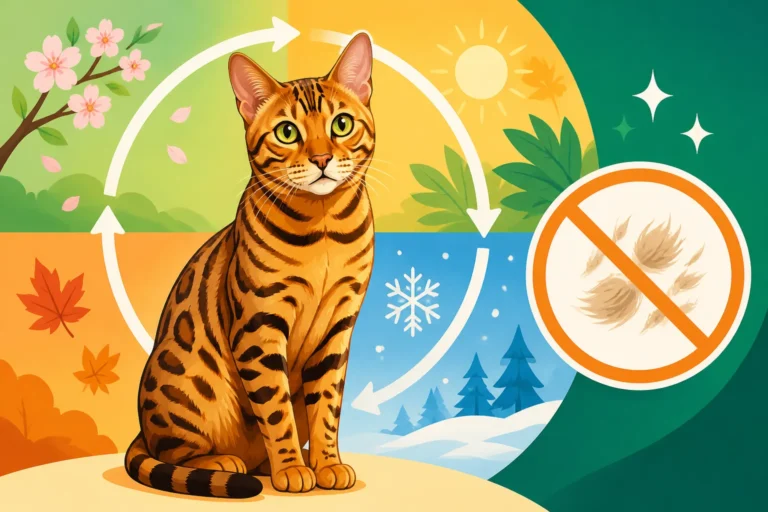
Let's address one of the most common myths about Bengals: that they don't shed at all. While it's true that they generally shed less than many other cat breeds, especially those with thick double coats, they are not entirely non-shedding. Just like any living creature with hair, Bengals will lose old hairs to make way for new ones. However, due to their unique pelted coat structure with minimal undercoat, the shedding is often far less noticeable.
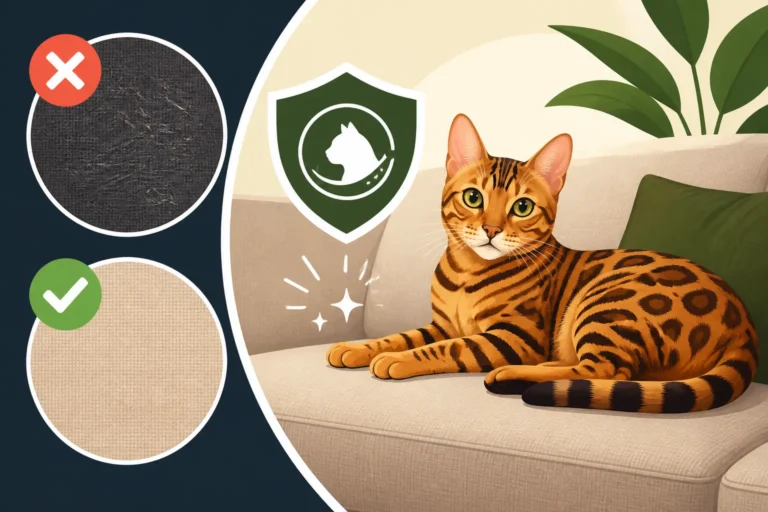
You might find a stray hair or two, but you're unlikely to experience the tumbleweeds of fur that can plague a household with a fluffy Persian or a Ragdoll. This low-shedding quality is often a big draw for people who prefer a cleaner home or those with mild allergies, though it's important to remember no cat is truly hypoallergenic. The reduced shedding means less loose hair to brush out, simplifying their grooming routine significantly. You'll likely find that their fine, short hairs are less visible on furniture and clothing compared to the coarser, longer hairs of other breeds. This is why Why Bengal Cat Hair Does Not Show on Furniture is often a pleasant surprise for new owners.
Brushing Your Bengal: Less About Necessity, More About Connection
Given their self-grooming prowess and low-shedding coats, the need for brushing a Bengal cat isn't quite the same as for other breeds. For them, it's often more about bonding and comfort than critical hair removal.
When and Why to Brush Your Bengal
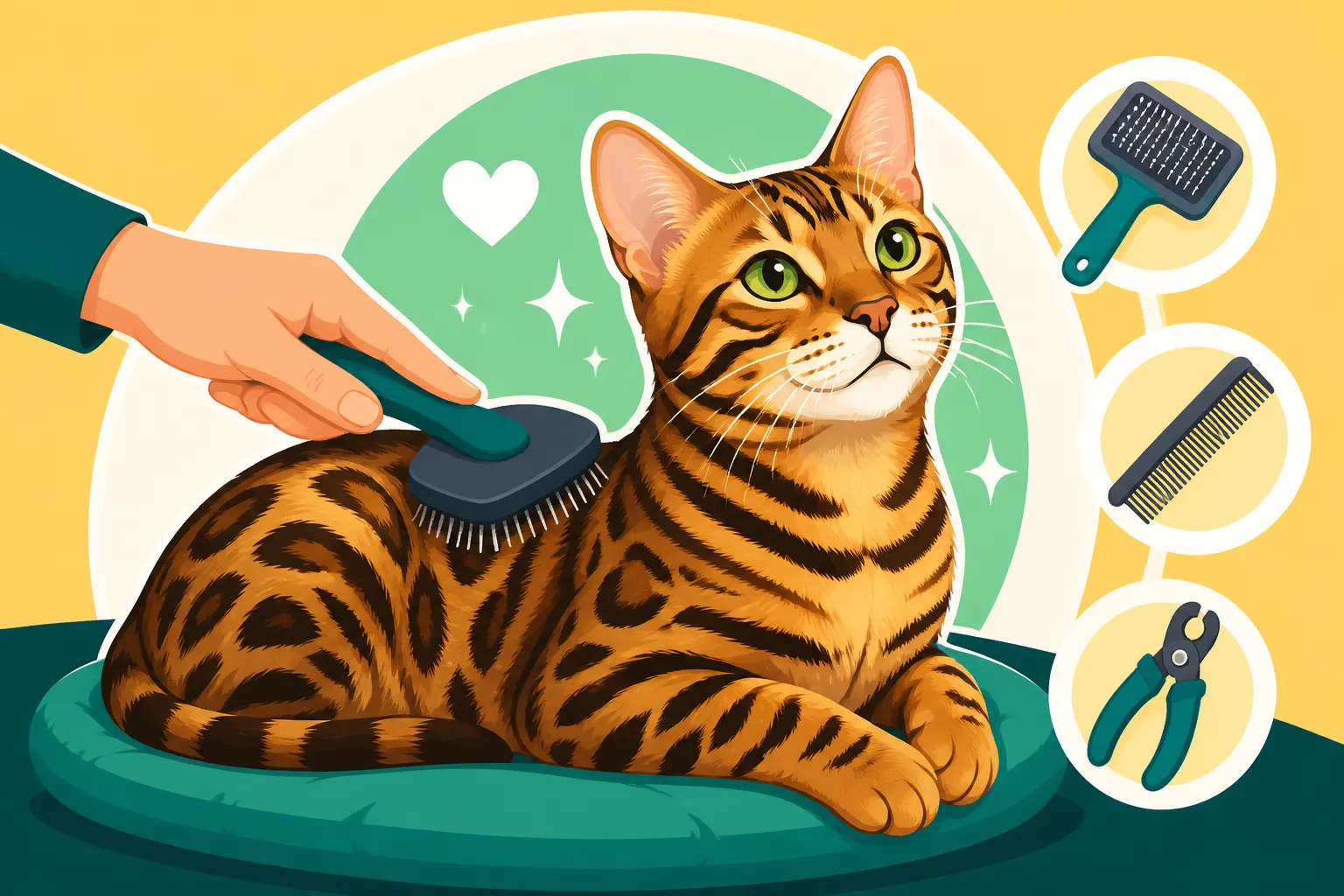
Most Bengal cats don't need daily brushing to prevent mats or tangles; their short, close-lying pelts simply don't have those issues. However, a weekly or bi-weekly gentle brushing session can still be beneficial. It helps to remove any loose hairs that are present, distributes their natural skin oils, and can be a wonderful opportunity for a quiet, affectionate interaction. Think of it less as a chore and more as a massage session that strengthens your bond. Some Bengals absolutely adore the sensation of being stroked with a soft brush, purring and leaning into the contact. Others might tolerate it for a few minutes before deciding they have more important, adventurous things to do. Pay attention to your cat's cues; if they're enjoying it, great! If they're squirming, keep it brief and positive. For a deeper dive into frequency, consider How Often a Bengal Cat Should Be Brushed.
Tools and Techniques for a Tolerated Session
The key to a successful brushing session with a Bengal is choosing the right tool and approaching it with patience. Forget the harsh slicker brushes or de-shedding tools designed for heavy undercoats; these will likely irritate their delicate skin. Instead, opt for soft, rubber curry brushes or grooming gloves. These tools gently massage the skin while picking up loose hairs, mimicking the feel of a mother cat's tongue. A damp cloth can also work wonders for a quick wipe-down and shine.
When you introduce brushing, make it a positive experience. Start with very short sessions, just a minute or two, accompanied by soft praise and perhaps a favorite treat immediately afterward. Choose a quiet time when your Bengal is already relaxed, perhaps after a strenuous play session when they're winding down. Avoid restraining them forcefully; if they want to leave, let them. The goal is to build trust and associate brushing with good feelings, not stress. You might find great options for these gentle brushes on Amazon or Chewy, with many brands offering soft rubber or silicone grooming gloves that make the experience feel more like a petting session than a formal groom. Finding Which Brush a Bengal Cat Will Tolerate is all about trial and error, but starting soft is always best.
Conquering the Claws: Essential Nail Care for Bengals
While their coats are low-maintenance, a Bengal's claws are another story entirely. These active, climbing, and exploring felines keep their claws sharp, and regular maintenance is crucial for their well-being and the longevity of your furniture.
The Importance of Regular Nail Trims
Bengal cats are incredibly athletic, always ready to leap, climb, and pounce. Their claws are powerful tools, growing quickly and designed for grip and tearing. Without regular trimming, these claws can become dangerously sharp, posing a risk to your skin, your furniture, and even themselves if they get snagged. Overgrown claws can curl and grow into their paw pads, causing pain, infection, and mobility issues. Moreover, their active lifestyle means they are constantly using those claws, leading to significant wear and tear on your upholstery, curtains, and anything else they decide is a suitable scratching post. It's a common lament among Bengal owners that those claws seem to grow back almost as soon as they're trimmed! This is why Why a Bengal Cat's Claws Outrun the Clippers often feels like a daily battle.
While they need scratching posts – and plenty of them! – these are typically for stretching, marking territory, and removing the outer, dull layers of the nail. They don't always keep the length in check, particularly on the sensitive quick of the nail. Therefore, regular trimming is not just about aesthetics; it's a vital part of preventative health care, protecting both your cat and your home. Ensure you have sturdy, tall scratching posts, like those found on Chewy, that can withstand their vigorous scratching. You'll want to explore options mentioned in Which Scratching Post a Bengal Cat Needs.
Making Nail Clipping a Manageable Task
Okay, let's be honest: nail clipping a Bengal can be an Olympic sport. They're often strong, agile, and not particularly keen on being held still, especially when clippers are involved. But it can be done, and with consistency, it can even become a tolerable routine. The key is starting young, if possible, and using positive reinforcement.
First, invest in good quality cat-specific nail clippers. Scissor-style clippers are often easier to handle than guillotine types for many owners. Familiarize your Bengal with the clippers by letting them sniff them, perhaps giving a treat. Then, during a relaxed moment – maybe when they're sleepy or after a big meal – gently take a paw, press lightly on the toe pad to extend a claw, and quickly snip just the very tip, avoiding the quick (the pink part that contains blood vessels and nerves). If you cut the quick, it will bleed and hurt, making future sessions much harder. If you're unsure, ask your vet or a groomer for a demonstration.
Keep sessions very short, perhaps just one or two nails at a time, followed immediately by praise and a high-value treat. Over time, you can gradually increase the number of nails you trim. Some owners find wrapping their Bengal in a towel (a "purrito") helps, while others find a second person to hold and distract with treats is invaluable. Don't be discouraged if it's a struggle at first; consistency and patience are your best friends. Many Bengals simply won't "sit still" like a dog might, so adapting your technique to quick, efficient movements during their cooperative moments is crucial. You might find more tips in Whether a Bengal Cat Sits for a Nail Trim.
Dental Health: A Crucial, Often Challenging Aspect of Bengal Care
Just like humans, cats are susceptible to dental disease, and Bengals are no exception. Unfortunately, it's one of the most commonly overlooked areas of pet care, often leading to significant pain and health issues down the line if not addressed.
Why Dental Care Can't Be Ignored
Dental disease in cats, primarily periodontal disease, begins with plaque buildup on the teeth. This plaque hardens into tartar, which then irritates the gums, leading to gingivitis (inflammation of the gums). Left untreated, it can progress to more severe periodontal disease, causing infection, tooth decay, painful abscesses, and even bone loss in the jaw. The bacteria from these oral infections can also enter the bloodstream and affect other organs, including the heart, kidneys, and liver. Given that many Bengals live for well over a decade, the cumulative effect of poor dental hygiene can significantly impact their quality of life in their senior years. Regular dental check-ups with your vet are essential, and they will advise you on How Often a Bengal Cat Needs a Dental.
The challenge, of course, is that brushing a cat's teeth isn't usually easy, especially with a high-energy, independent Bengal. They don't typically line up for a toothbrush like a well-behaved dog. However, even if daily brushing isn't feasible, incorporating some form of dental care into their routine is critical for preventing serious problems.
Strategies for Oral Hygiene with a Bengal
Let's be realistic: convincing a Bengal to enthusiastically accept daily tooth brushing is a monumental task for most owners. But that doesn't mean you should give up entirely! There are several strategies you can employ, often in combination, to support their oral health.
If you can brush their teeth, start slowly. Get a cat-specific toothbrush (a finger brush can be easier) and enzymatic toothpaste (never use human toothpaste, as it can be toxic). Let them lick the toothpaste off your finger first to get used to the flavor. Then, gradually introduce the brush, focusing on the outside surfaces of their upper teeth where plaque tends to accumulate most. Keep sessions very short and positive, rewarding immediately afterward. For practical tips, check out How to Brush a Bengal Cat's Teeth Without a Fight.
If brushing proves impossible, don't despair. Dental treats formulated to help reduce plaque and tartar can be a good supplement. Look for veterinary dental health organizations' seals of approval on products, indicating they've been proven effective. Water additives are another option, though their efficacy can vary and some cats might refuse water with an additive. Some prescription dental diets are also available through your vet. While these methods are generally less effective than regular brushing, they are far better than doing nothing at all. Always discuss dental care strategies with your veterinarian, who can recommend the best approach for your individual Bengal. You can find a range of dental health products for cats on Amazon.
Eyes and Ears: Simple Checks for Overall Well-being
Unlike some long-haired breeds that require intricate grooming around their eyes and ears, Bengal cats generally have straightforward needs in these areas. Their short coats and alert nature often mean less fuss, but routine checks are still important.
Keeping Bengal Ears Clean and Healthy
Bengal cats typically have relatively large, upright ears, which actually contributes to their ears staying quite clean and well-ventilated naturally. Unlike breeds with folded ears or heavy ear furnishings, air circulates easily, reducing the buildup of wax and moisture that can lead to infections. Most of the time, their ears will be perfectly clean and won't require any intervention from you. This is one of the reasons Why a Bengal Cat's Big Ears Stay Clean is often true.
However, it's still a good habit to gently check their ears weekly or bi-weekly while you're petting them. Just a quick peek inside. Look for any signs of excessive wax buildup (it should be light brown and minimal, not dark or heavy), redness, swelling, or a foul odor. Any of these could indicate an infection, allergies, or ear mites. If you spot anything concerning, or if your Bengal is scratching at their ears or shaking their head more than usual, it's time for a vet visit. If a light cleaning is occasionally needed (and only if your vet recommends it), use a vet-approved ear cleaner and a cotton ball or gauze, never cotton swabs, which can push debris deeper or damage the ear drum. Always be gentle; their ears are sensitive.
Observing and Maintaining Bright Bengal Eyes
Bengal cats generally have healthy, bright eyes that require minimal maintenance. Their short facial hair means there's no long fur to irritate their eyes or collect discharge, a problem often faced by brachycephalic (flat-faced) breeds or those with long coats around their faces. This is why you'll often hear that Why a Bengal Cat's Eyes Stay Clear is a common trait of the breed.
A healthy Bengal's eyes should be clear, bright, and free of excessive tearing or discharge. If you notice any crustiness, redness, swelling, cloudiness, or persistent watering, these are signs that something might be amiss. A small amount of clear discharge that wipes away easily is usually normal, especially after waking up, but anything more than that warrants attention. If you need to clean around their eyes, use a soft, damp cloth (warm water only) and gently wipe away from the eye, being careful not to touch the eyeball itself. Never use harsh soaps or human eye drops. If the discharge is colored (green or yellow), thick, or if your Bengal is squinting or pawing at their eyes, consult your veterinarian immediately, as these could be signs of an infection, allergy, or injury requiring medical attention.
Bath Time: When, How, and Why a Bengal Might Tolerate It
The idea of bathing a cat often elicits groans from pet owners, conjuring images of frantic struggling and scratches. But here's a secret about many Bengals: they actually love water! Their wild ancestors often fished in streams, and this affinity can translate into a surprising tolerance, or even enjoyment, of water play and baths.
Rare Occasions for a Bengal Bath
While some Bengal cats adore water, they are also meticulous self-groomers. This means that, for the most part, bathing them is completely unnecessary. Their pelted coats are designed to shed dirt and stay clean naturally. So, when would you actually need to bathe a Bengal?
Typically, a bath is reserved for specific, rare occasions:
- They've gotten into something truly messy or toxic: If your Bengal has rolled in mud, something sticky, or come into contact with a substance that could be harmful if ingested during self-grooming (like chemicals or certain plants), a bath is essential for their safety.
- Skin conditions: If your vet has prescribed medicated shampoo for a skin issue, then bath time becomes a medical necessity.
- Show preparation: For Bengals that compete in cat shows, a bath might be part of the preparation to ensure their coat is sparkling clean and at its best. However, for the average pet Bengal, this isn't a concern.
Remember that frequent bathing can strip their skin of natural oils, leading to dryness and irritation, so it should truly be a last resort unless medically indicated. Even though they may enjoy water, it doesn't mean they need regular baths. Why a Bengal Cat Loves Water explains their aquatic tendencies, but it's more often about play than actual cleaning.
Tips for a Low-Stress Bathing Experience
If a bath becomes unavoidable, approach it with patience and a strategy. The good news is that many Bengals are far more amenable to water than your average house cat, but that doesn't mean they'll necessarily love the shampoo part.
Here’s how to make it as smooth as possible:
- Preparation is Key: Gather everything beforehand: cat-specific shampoo (never human shampoo), several towels, a non-slip mat for the tub or sink, and treats.
- Warm Water: Fill a sink or tub with a few inches of lukewarm water. Test the temperature on your wrist. A spray nozzle on a hose attachment can be very helpful for rinsing.
- Gentle Introduction: Slowly introduce your Bengal to the water. Some might leap right in, others might need gentle encouragement. Start by just getting their paws wet. Talk to them in a calm, soothing voice.
- Lather and Rinse: Gently wet their body (avoiding their face initially). Apply a small amount of cat shampoo, working it into their coat. Be careful around their eyes and ears. The rinsing stage is critical to prevent skin irritation; ensure all shampoo is thoroughly washed out. This is where a spray nozzle can be a lifesaver.
- Dry Off: As soon as you're done, wrap them immediately in a warm towel. Gently blot and rub to remove as much moisture as possible. Many Bengals dislike blow dryers, so air-drying in a warm room is usually best. Provide a warm, cozy spot for them to finish drying off.
- Reward: Lavish them with praise and high-value treats after the ordeal.
Keeping the experience as quick and positive as possible is paramount. If your Bengal really fights it, consider asking a vet tech or professional groomer for assistance. Learning How Much a Bengal Cat Enjoys a Bath will depend on the individual cat, but these steps can increase the odds of a tolerable experience.
Building a Positive Grooming Routine: Trust and Patience Are Key
Ultimately, the goal with Bengal cat grooming isn't just about getting the job done; it's about fostering a trusting relationship where routine care doesn't have to be a battle. These intelligent and sensitive cats respond best to positive interactions and clear communication.
The Power of Positive Reinforcement
Bengal cats thrive on attention and positive experiences. When it comes to grooming, this means associating every step with something good. Treats are your best friend! Whether it's a small piece of cooked chicken, a lickable treat paste, or their favorite crunchy kibble, offering a reward immediately after a tolerated interaction (even just letting you touch their paw for a second) reinforces the behavior you want.
Praise is also powerful. Use a happy, soothing voice, telling them what a good cat they are. Keep sessions short, especially when introducing something new like nail clipping or a new brush. Five minutes of positive interaction is far more effective than fifteen minutes of struggling that ends in frustration for both of you. If they pull away or show signs of stress, take a break. Forcing the issue will only make them more resistant next time. Consistency, however, is key. Short, regular positive interactions will build up their tolerance and acceptance over time far more effectively than infrequent, drawn-out battles.
Recognizing and Respecting Your Bengal's Boundaries
Bengals are incredibly expressive, and learning to read their body language is vital for successful grooming. Pay attention to their ears (pinned back means unhappy), tail (lashing can indicate irritation), and overall posture. If their muscles are tensed, their pupils are dilated, or they start to growl or hiss, they are telling you they've had enough. Pushing past these boundaries will erode trust and make future grooming attempts even harder.
Respecting their limits doesn't mean letting them dictate everything, but it means understanding when to pause, regroup, and try again later. Sometimes, a successful "grooming session" might simply be allowing you to gently pet their paws for a moment, followed by a treat. Over days and weeks, you can gradually increase the duration or intensity. Remember, these cats are intelligent and observant. If they learn that resisting leads to the immediate cessation of an unpleasant activity, they will use that to their advantage. Conversely, if they learn that cooperating, even a little, leads to rewards and a quick end to the task, they're more likely to participate next time. Building this foundation of trust and respect makes all the difference in caring for your Bengal throughout their lifespan.
Here's a quick overview of some essential Bengal grooming tools:
| Tool Type | Best Use for Bengals | Why it Works for Them |
|---|---|---|
| Rubber Curry Brush | Daily/weekly gentle brushing, massage, loose hair | Soft on pelt, feels like a massage, minimal shedding |
| Grooming Glove | Bonding, light brushing, great for reluctant cats | Mimics petting, gentle, picks up fine hairs |
| Cat-Specific Nail Clippers | Regular nail trims to prevent overgrowth | Essential for sharp claws, prevents snags |
| Cat Toothbrush & Paste | Oral hygiene, preventing dental disease | Gentle on gums, palatable flavors, enzymatic action |
| Soft Cloth (damp) | Quick wipe-downs, cleaning around eyes/ears | Non-irritating, good for sensitive areas |
| Cat-Specific Shampoo | Rare baths for heavy soiling or skin conditions | pH-balanced for feline skin, safe if ingested |
Disclaimer
This article is for general informational purposes only and does not constitute professional advice. Laws, prices and regulations vary by location and change over time. Consult a qualified professional for guidance on your specific situation.