What Fifteen Years of Bengal Cat Care Looks Like
Fifteen years of Bengal cat care involves adapting to shifting needs across kittenhood, adulthood, and senior life stages.
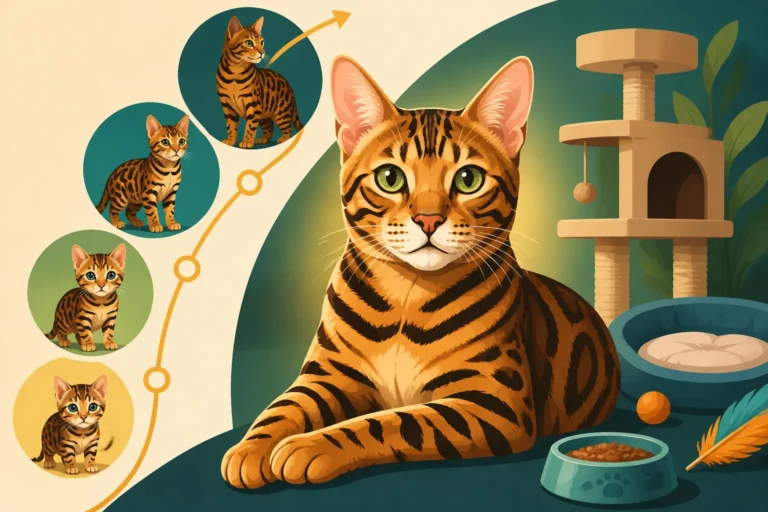
Fifteen years of Bengal cat care involves adapting to shifting needs across kittenhood, adulthood, and senior life stages.
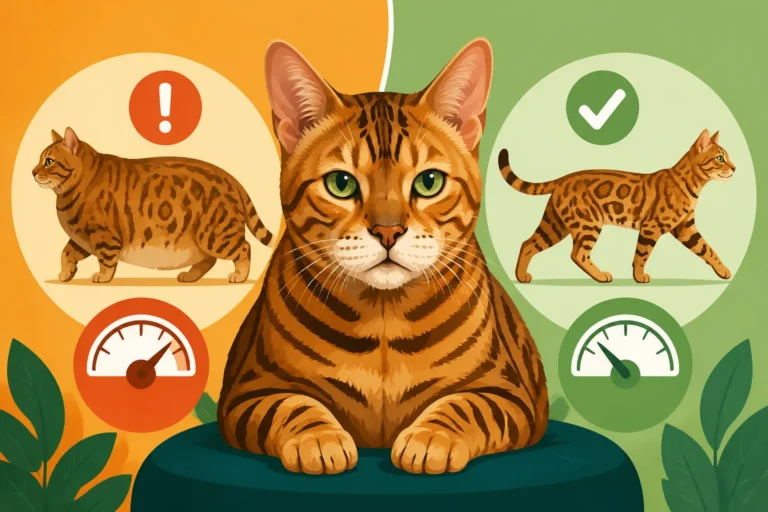
Senior Bengal cat weight changes signal underlying health issues requiring monitoring to prevent sarcopenia, obesity, and diabetes.
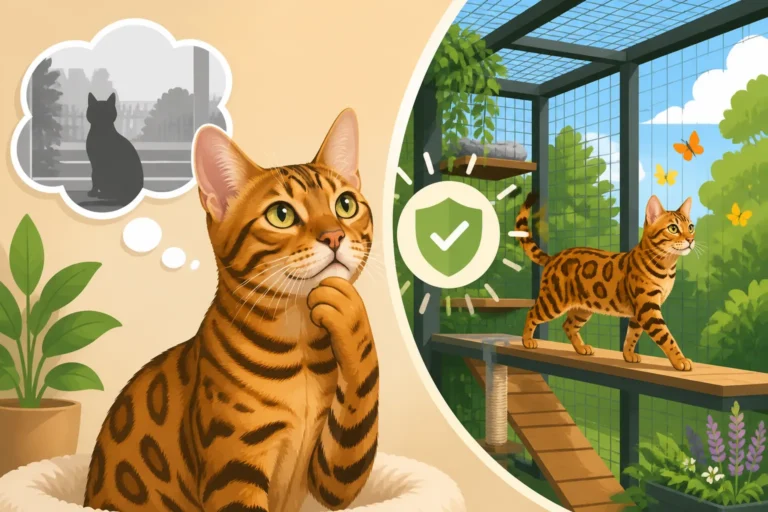
An aging Bengal cat still benefits from a catio providing mental stimulation and outdoor access during senior years.
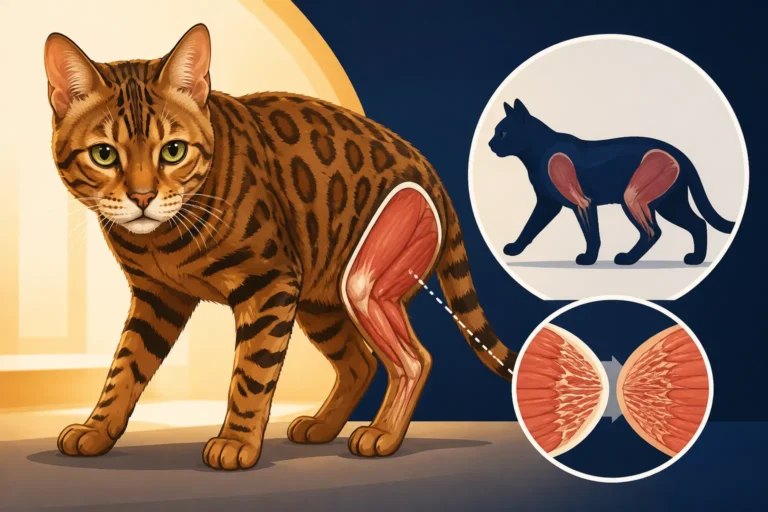
Senior Bengal cats experience sarcopenia, causing natural muscle loss and protein synthesis decline in aging felines.
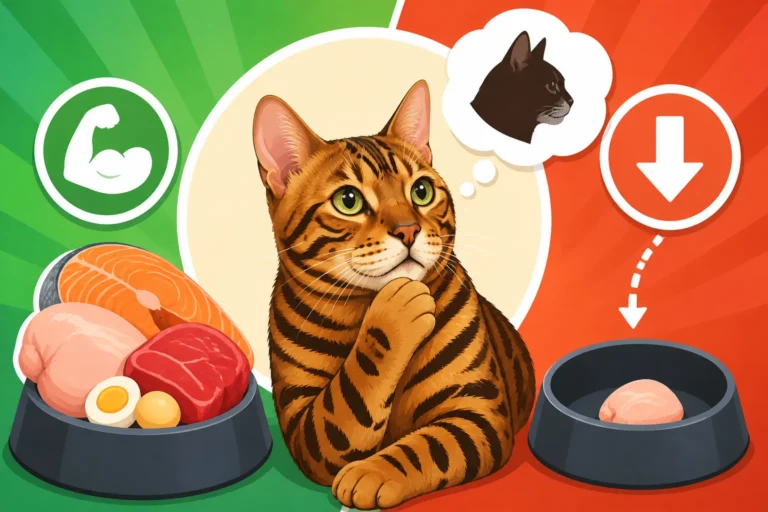
Senior Bengal cat protein requirements, muscle mass loss prevention, and dietary needs for aging feline health.
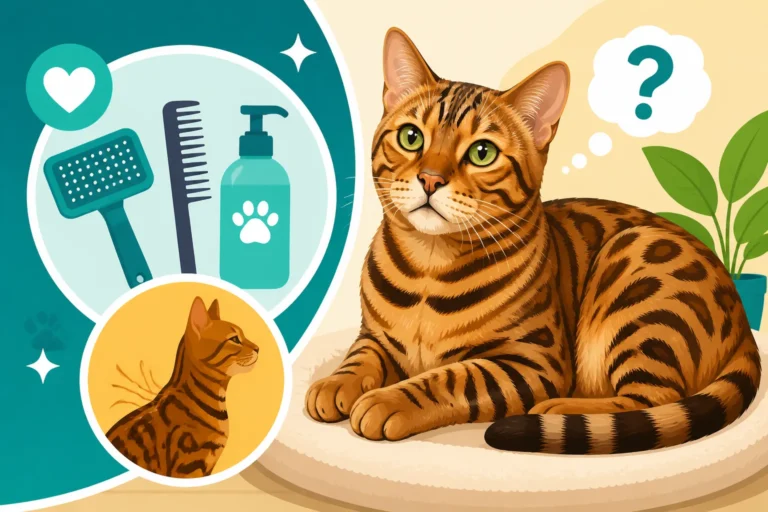
Aging Bengal cats retain low maintenance pelted coats and strong self grooming habits, requiring minimal extra brushing despite senior physiological changes.
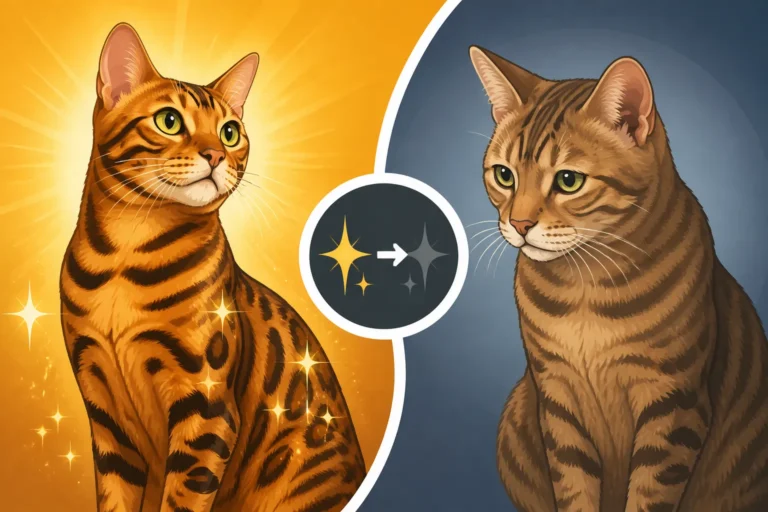
Aging Bengal cat coat glitter dims because senior skin glands produce fewer natural oils and hair becomes brittle.
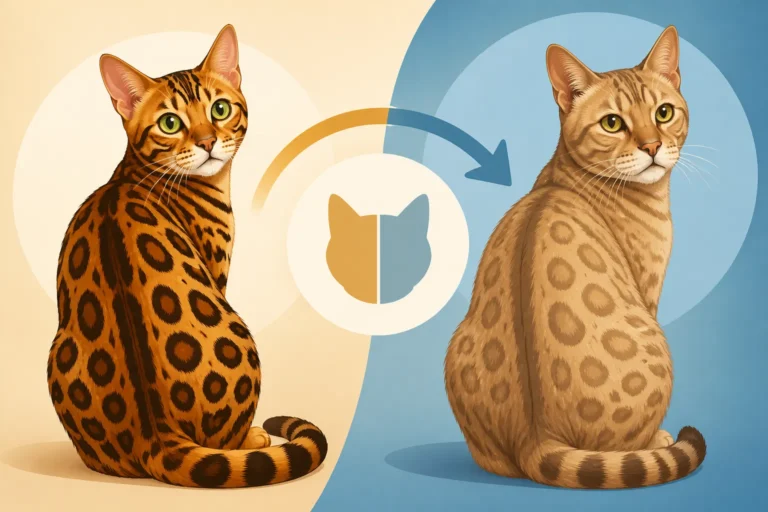
An aging Bengal cat experiences a natural softening of rosettes as cellular renewal and pigment production change over time.
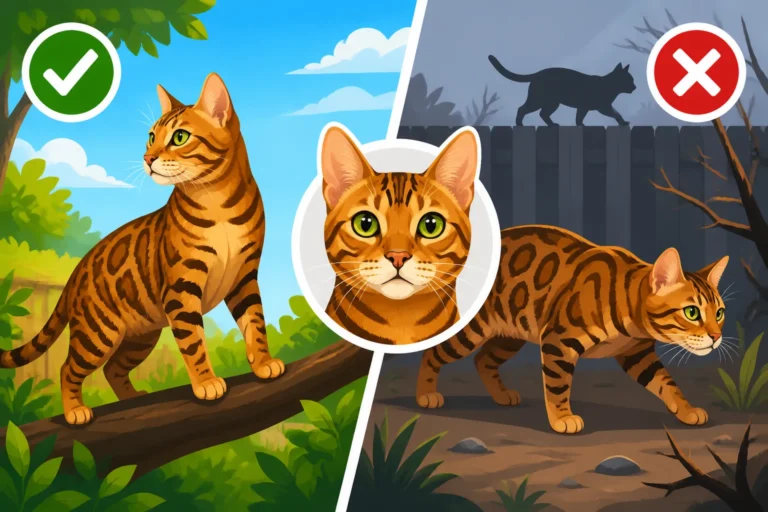
Bengal cat outdoor living involves severe risks like traffic accidents and dangers to their wild hybrid ancestry.
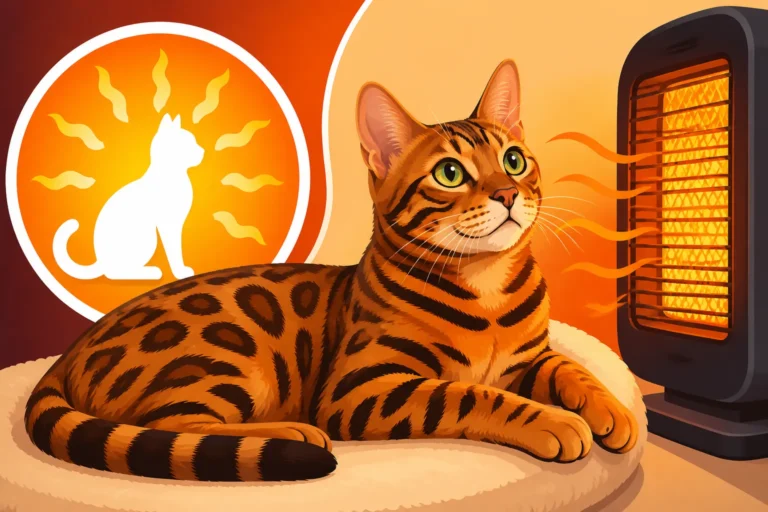
Bengal cat ancestry from the Asian Leopard Cat and thinner coats lacking dense undercoats explain their constant need for warmth.