Why an Old Bengal Cat Loses Muscle First
It’s a bittersweet moment when you start noticing the subtle shifts in your magnificent Bengal cat as they transition into their senior years. One of the most common, and often heartbreaking, changes many owners observe is their once-powerful, lithe companion starting to lose some of that incredible muscle mass, especially along their spine and hindquarters. This guide aims to shed light on why our older Bengal cats tend to lose muscle first, offering insights into this natural process and how we can support them through their golden years.
Understanding Sarcopenia: The Inevitable Muscle Loss in Senior Bengal Cats
Just like in humans, muscle loss is a natural, often unavoidable part of aging in cats, a condition known as sarcopenia. For Bengal cats, whose very essence is defined by their athletic build and powerful musculature, this can feel particularly pronounced and worrisome for owners. Their wild ancestry instilled in them a physique designed for agility, jumping, and chasing, making any decline in that strength a stark reminder of time passing.
The Mechanics of Age-Related Muscle Atrophy
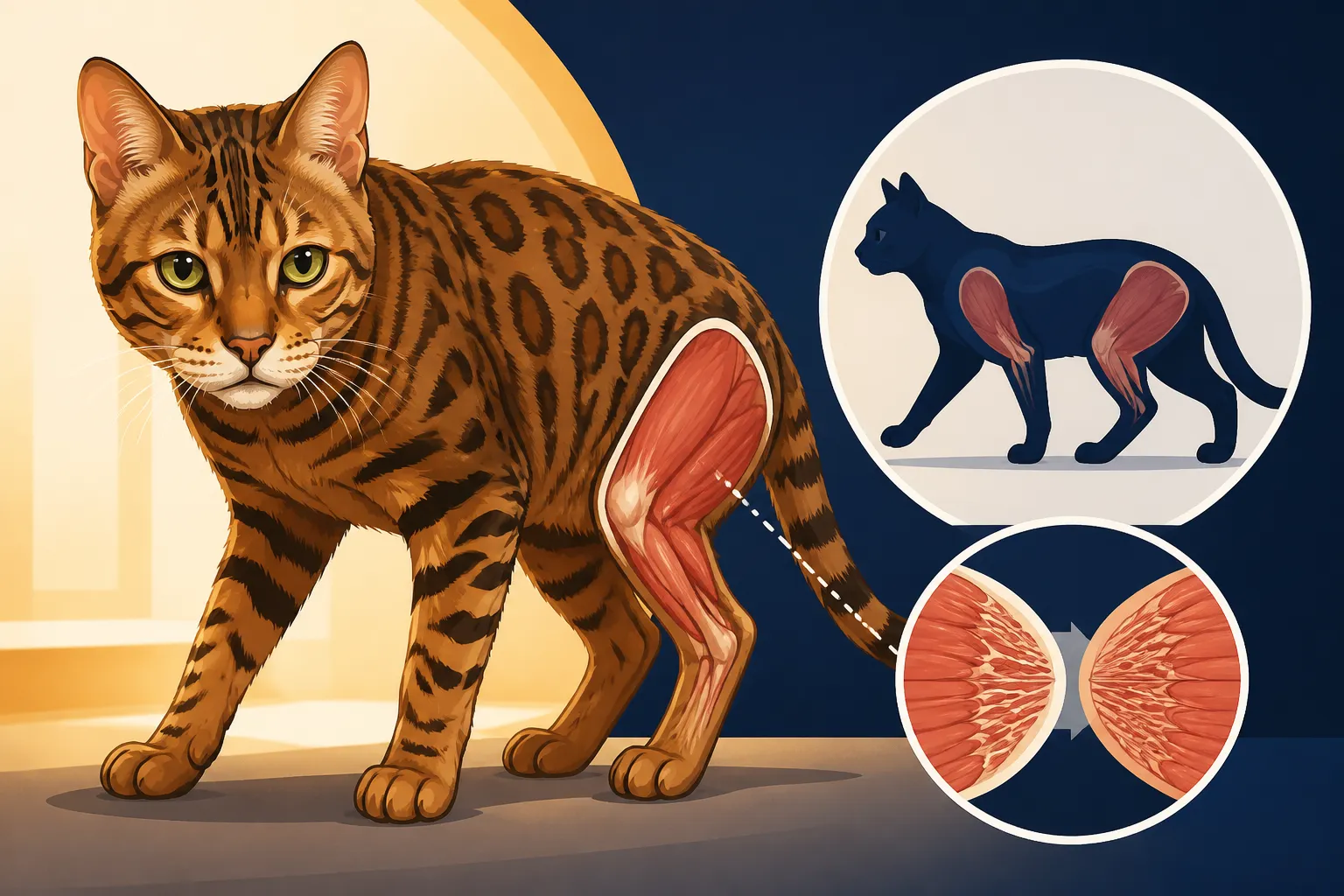
Sarcopenia isn't just about becoming less active; it's a complex process involving cellular changes at the foundational level of muscle tissue. As our Bengal cats age, their bodies become less efficient at synthesizing protein, which is the building block of muscle. Even if they're eating enough protein, their digestive system and metabolic pathways might not be as effective at utilizing it to repair and build muscle fibers. This means that, over time, the rate of muscle breakdown starts to outpace the rate of muscle synthesis, leading to a net loss of muscle mass. It's a slow, insidious process that can begin long before it's visually obvious, sometimes starting as early as seven or eight years of age, which is when many consider The Age a Bengal Cat Is Considered Senior.
Furthermore, there’s a natural decline in the number and size of muscle fibers, particularly the fast-twitch fibers responsible for explosive movements that Bengals are so famous for. Imagine your Bengal used to effortlessly leap onto the highest bookshelf in a single bound, but now they might need a few attempts or prefer a lower perch. This isn't just them being lazy; it's a tangible effect of sarcopenia, making those powerful bursts of energy harder to maintain. The body prioritizes certain functions, and muscle maintenance becomes less efficient, often making the most used muscles (like those in the hind legs and back) the first to show visible signs of thinning.
Why Bengal Cats Show Muscle Loss Prominently
Bengal cats are, by nature, incredibly muscular and lean. Their sleek, athletic build and high energy levels mean they typically carry very little excess fat. This is part of their exotic appeal – they're little jungle explorers in our homes. Because they are so naturally lean, any loss of muscle mass becomes far more apparent than in a cat of a chunkier, less defined breed. Where another cat might simply look a bit softer, a Bengal can start to look quite bony, especially over their hips, shoulders, and spine. This is why Why an Old Bengal Cat's Weight Should Be Watched is so important.
Their innate drive for activity also plays a role. A healthy young Bengal is a whirlwind of motion, constantly exploring, climbing, and running on their cat wheel. This high level of activity naturally builds and maintains strong muscles. As they age, even if they remain relatively active for a senior cat, their overall intensity and duration of play will inevitably decrease. Less intense physical demand means less stimulus for muscle maintenance, further contributing to sarcopenia. It's a cruel irony that the very traits we love in them – their boundless energy and powerful physique – also make the signs of aging more striking when they begin to fade.
Beyond Normal Aging: Medical Conditions Accelerating Muscle Wasting
While sarcopenia is a normal part of aging, it’s crucial for Bengal cat owners not to dismiss all muscle loss as simply "getting old." There are numerous underlying medical conditions that can significantly accelerate muscle wasting, and distinguishing between normal aging and a treatable health issue is paramount for their well-being. A proactive approach to senior cat care, including regular veterinary check-ups, can make all the difference.
Chronic Illnesses and Their Impact on Muscle
Many chronic diseases common in older cats can lead to cachexia, which is a severe form of muscle wasting that is distinct from sarcopenia. Cachexia is often driven by inflammation, metabolic disturbances, and a decreased appetite, all of which combine to break down muscle tissue at an accelerated rate. Conditions like chronic kidney disease (CKD), hyperthyroidism, diabetes, and certain cancers are notorious for causing significant weight and muscle loss.
For instance, cats with hyperthyroidism have an overactive metabolism that burns through calories and muscle mass at an alarming rate, often despite a ravenous appetite. A Bengal who suddenly seems to be eating more but losing weight, particularly muscle, needs immediate veterinary attention. Similarly, kidney disease can lead to a build-up of toxins and an aversion to food, both contributing to muscle loss. What Changes in a Bengal Cat After Ten often includes a higher risk of these conditions. It's not just about looking thin; it's about compromised organ function impacting their entire system. Your vet will perform bloodwork and other diagnostics to rule out these serious issues, ensuring any muscle loss isn't a symptom of something more sinister.
Pain and Reduced Mobility
Another significant, yet often overlooked, cause of muscle loss in senior Bengal cats is chronic pain, particularly from arthritis or other orthopedic issues. Bengalis are incredibly agile, and their bodies are put through a lot during their active younger years. Years of jumping, climbing, and running can take a toll on their joints. When a cat is in pain, they naturally limit their movement to avoid discomfort. This reduced activity directly leads to muscle disuse atrophy, where muscles shrink and weaken simply because they're not being used. You might notice your cat hesitates before jumping, or takes shorter, more careful steps. They might even become a bit grumpier or less tolerant of being handled, which are subtle signs How a Bengal Cat Hides Pain.
If your Bengal is experiencing stiffness or pain, they won't be as keen to use their cat wheel or chase toys, leading to a downward spiral of less activity and more muscle loss. Conditions like Patellar Luxation in a Bengal Cat can also contribute to reduced mobility and muscle wasting in the affected limb. Addressing pain through appropriate medication, supplements, and environmental modifications (like ramps or lower perches) is crucial not only for their comfort but also for encouraging gentle movement that can help preserve muscle mass. Always discuss pain management options with your veterinarian, as it can significantly improve their quality of life.
Fueling the Golden Years: Nutritional Strategies for Maintaining Muscle Mass
Nutrition plays an absolutely critical role in supporting our senior Bengal cats, especially when it comes to combating muscle loss. Their dietary needs shift as they age, and what worked for a spry young adult might not be adequate for a wise old elder. Owners often find themselves wondering if they're doing enough, or if a diet change is truly necessary.
The Importance of High-Quality Protein
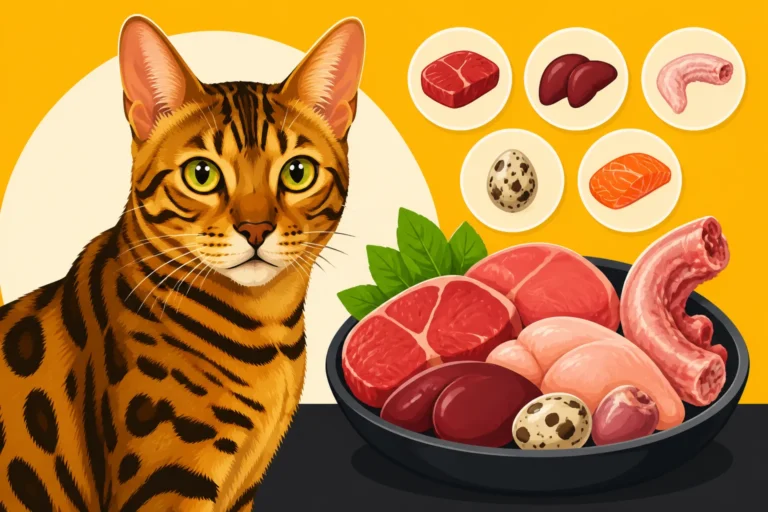
Contrary to older beliefs that senior cats need less protein to protect their kidneys, modern veterinary science emphasizes the importance of high-quality, easily digestible protein for aging felines, especially those showing signs of sarcopenia. Older cats actually need a higher percentage of protein in their diet, not less, to help counteract muscle breakdown. Their bodies become less efficient at metabolizing protein, so providing them with a rich source is essential for maintaining muscle mass. Look for foods where meat is the primary ingredient, and avoid excessive fillers.
When you're choosing food, read those labels carefully. You want to see real chicken, turkey, beef, or fish at the top of the ingredient list. Many commercial senior cat foods are formulated with this in mind, but it's worth checking the protein percentage to ensure it's robust enough for your Bengal. Some owners even explore fresh food options, or making homemade diets under veterinary guidance, to ensure optimal protein intake and digestibility. Consistency is also key; switching foods too frequently can upset their sensitive digestive systems. Why a Bengal Cat's Gut Is So Sensitive means you need to introduce new foods gradually over several days.
Enhancing Caloric Intake and Digestibility
Sometimes, it’s not just about protein, but about overall caloric intake. Older cats might eat less due to dental issues, a decreased sense of smell, or gastrointestinal discomfort. If your Bengal is losing muscle, they might also be struggling to consume enough calories to meet their energy needs, even if they seem to be eating regularly. It's a good idea to monitor how much they're actually consuming. Offering smaller, more frequent meals can sometimes help, as can warming up wet food slightly to enhance its aroma. This can be especially appealing if their sense of smell isn't what it used to be.
Consider adding a little extra moisture to their diet if they primarily eat dry kibble. Wet food often has a higher protein content per calorie and is generally more palatable. Hydration is also vital for overall health and nutrient absorption. Some owners find that adding water to kibble or using a pet-safe broth encourages intake. You might explore specific senior formulas from reputable brands like Chewy, which often have higher caloric density and specialized nutrient profiles designed for aging metabolisms. Don’t be afraid to experiment a little to find what your senior Bengal truly enjoys and thrives on.
Supplements and Nutritional Support
Beyond diet, certain supplements can offer additional support for muscle maintenance and overall joint health in aging Bengal cats. Omega-3 fatty acids, often found in fish oil, have anti-inflammatory properties that can benefit aching joints and also support skin and coat health. Glucosamine and chondroitin are popular for joint support and can help maintain cartilage, which in turn encourages more comfortable movement, reducing muscle atrophy from disuse.
Other supplements like L-carnitine or specific amino acids might be recommended by your vet to directly support muscle metabolism. Always discuss any supplements with your veterinarian before introducing them, as some can interact with medications or not be suitable for certain health conditions. When purchasing supplements, always ensure they are specifically formulated for cats and from a reputable source, perhaps looking at trusted pet brands available on platforms like Amazon. Remember, supplements are meant to support a balanced diet, not replace it.
Keeping the Spark Alive: Exercise and Enrichment for Senior Bengal Cats
Just because your Bengal cat is getting older doesn't mean they're ready to retire from all activity. While their wild antics might calm down, maintaining appropriate levels of gentle exercise and mental enrichment is incredibly important for preserving muscle mass, joint health, and overall cognitive function. It's about adapting, not stopping.
Gentle Exercise for Aging Joints
For a senior Bengal, intense, high-impact play sessions are likely a thing of the past. Instead, focus on shorter, more frequent bursts of gentle activity. Think about encouraging stretching and low-impact movements that don't put excessive strain on their joints. Wand toys are fantastic for this, allowing you to control the pace and intensity. Dangle a feather toy for them to bat at or chase for a few steps, rather than demanding full-out sprints. You might find that your Bengal still enjoys a leisurely stroll on a harness and leash, but for shorter distances and on softer ground. Whether an Aging Bengal Cat Still Needs a Catio is a common question, and yes, a catio can still provide safe, low-impact exploration opportunities.
Puzzle feeders are also wonderful. They make mealtime a stimulating event, encouraging gentle movement and problem-solving without being too strenuous. Hiding treats around the house, encouraging them to sniff them out, is another excellent way to engage their minds and bodies. The goal is to keep their muscles working, even if it's just for a few minutes at a time, to slow down that age-related muscle decline. This also helps with Whether an Aging Bengal Cat Gets Stiff, as gentle movement improves circulation and flexibility.
Environmental Adjustments to Support Mobility
As their strength and agility wane, your Bengal cat might need a little help navigating their environment. Ensure their favorite napping spots, especially those higher up, are still easily accessible. This might mean adding ramps, pet stairs, or strategically placed sturdy boxes to create "steps" to their preferred perches. This makes it easier for them to reach heights without the stress of a big jump, protecting their joints and encouraging them to continue using vertical space.
Make sure their litter boxes are easy to get into and out of. Low-sided litter boxes can prevent discomfort for cats with arthritis, encouraging them to use the box regularly rather than finding more accessible (and less appropriate) spots. Keep their environment consistent and clutter-free, especially if their eyesight is also beginning to diminish, which can be a concern for conditions like PRA-b Blinds a Bengal Cat by Two and There Is a DNA Test. A familiar, safe environment reduces stress and encourages them to move about confidently.
Mental Stimulation and Comfort
Beyond physical movement, mental stimulation is key for an aging Bengal. Interactive toys that don't require much physical exertion, like automatic laser pointers (used sparingly to avoid frustration) or slow-moving robotic toys, can keep their minds sharp. Spending quality time with them, engaging in gentle petting, grooming, and soft conversations, also provides immense comfort and mental well-being. Caring for a Bengal Cat Past Ten often means a greater focus on comfort and connection.
Consider if they need extra warmth in their sleeping areas, as older cats can sometimes struggle to regulate their body temperature. A soft, heated cat bed can be a real luxury for stiff, achy joints. Remember, their world is shrinking as they age, and our role is to make that world as comfortable, stimulating, and safe as possible, ensuring their golden years are truly golden.
| Characteristic | Normal Sarcopenia (Aging) | Accelerated Muscle Wasting (Medical Concern) |
|---|---|---|
| Onset | Gradual, subtle, often begins around 7-10 years. | Relatively sudden or rapid progression over weeks/months. |
| Energy Level | Reduced activity, more napping, but still engages in short play sessions. Whether an Aging Bengal Cat Slows Down is normal. | Markedly low energy, lethargy, reluctance to move even for preferred activities. |
| Appetite | May decrease slightly, but generally consistent with caloric needs. | Noticeable increase or decrease in appetite, often paired with continued weight loss. |
| Body Condition | Leaner, muscle definition softens, visible spine/hips but coat condition generally good. | Emaciated appearance, bony protrusions pronounced, poor coat quality, dull eyes. |
| Other Symptoms | May show some stiffness, occasional slower jumps. | Vomiting, diarrhea, increased thirst/urination, breathing difficulties, changes in behavior/mood. |
| Veterinary Check-up | Normal blood work for age, no obvious disease. | Abnormal blood work (e.g., kidney values, thyroid hormones), evidence of underlying disease. |
Disclaimer
This article is for general informational purposes only and does not constitute professional advice. Laws, prices and regulations vary by location and change over time. Consult a qualified professional for guidance on your specific situation.