Why an Aging Bengal Cat’s Glitter Dulls
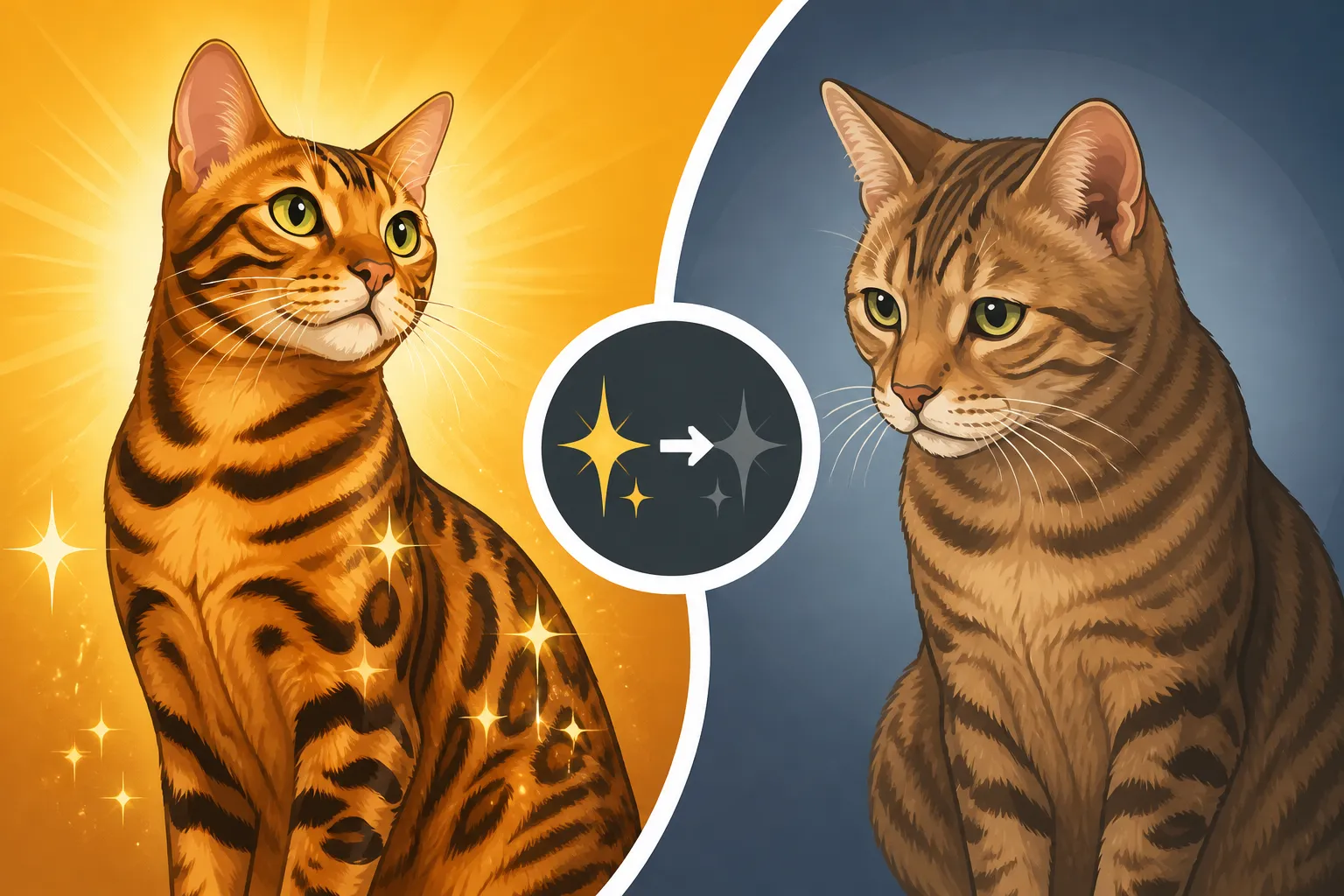
You’ve loved watching your Bengal cat sparkle with that gorgeous glitter coat for years, a signature trait that makes them so unique. But lately, you might have noticed that dazzling shimmer isn't quite as vibrant as it used to be. It's disheartening to see a beloved aspect of their appearance fade, and it's natural to wonder why this happens. This guide will explore the natural reasons why an aging Bengal cat's glitter can dull, what factors contribute to this change, and what you can do to support their coat health as they gracefully age.
Understanding the Bengal Cat's Signature Glitter
Before we delve into why the glitter might dull, it’s helpful to understand what "glitter" actually is in a Bengal cat. This isn't just about their fur being extra shiny; it's a unique genetic trait that truly sets them apart. Imagine looking closely at each individual hair shaft – in a glittered Bengal, these shafts are somewhat hollow and translucent. This special structure allows light to pass through and reflect off the inner layers, creating that incredible, almost iridescent shimmer that catches your eye. It’s what gives their coat that wet, glistening look, even when it's perfectly dry.
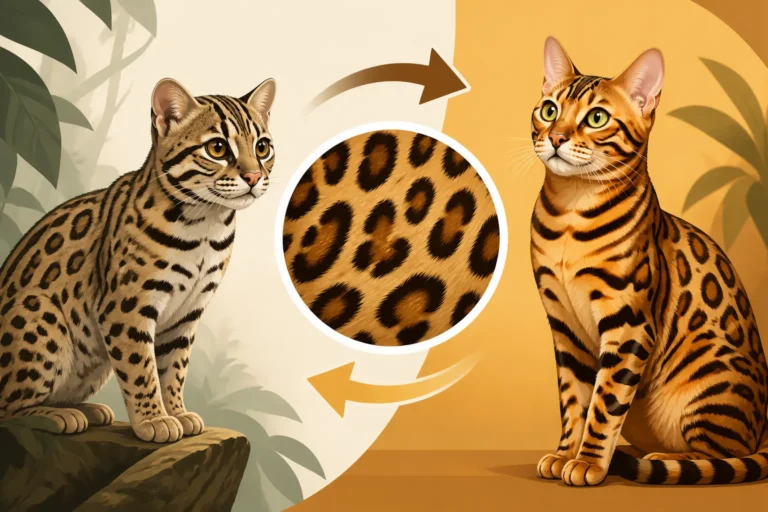
This glitter isn't something you can find in just any domestic cat. It's a direct inheritance from their wild ancestor, the Asian Leopard Cat, contributing to the exotic, wild look that Bengal breeders strive for. When a Bengal kitten is born, its glitter might not be immediately obvious. It usually develops and becomes more pronounced as they mature, hitting its peak vibrancy in their prime adult years. It's a hallmark of the breed, often sought after by enthusiasts and judges alike. The Glitter Gene and What It Does to a Bengal Cat's Coat provides more insight into this fascinating trait.
However, despite its inherent beauty and genetic basis, the glitter isn't entirely static. Like many aspects of an animal's appearance, it can be influenced by internal and external factors throughout their life. It's a living part of their coat, connected to their overall health and vitality, which is why observing changes can be an indicator of other shifts happening within their body.
The Inevitable March of Time: Natural Aging Processes
Just like us, cats experience natural changes as they age, and their coat is certainly not immune. When a Bengal cat enters its senior years – typically around age ten or twelve – you might start to notice more subtle shifts in their appearance. The Age a Bengal Cat Is Considered Senior often marks the beginning of these changes. One of the most common and often overlooked aspects is the reduction in the skin's natural oil production. These oils, known as sebum, are crucial for keeping the coat pliable, hydrated, and yes, shiny. As your cat gets older, their skin glands might not be as efficient at producing these oils, leading to a drier coat texture and, consequently, a less reflective surface.
Think about it like an old wooden floor that's lost its polish – it's still wood, but it doesn't gleam the way it used to. The individual hair shafts themselves can also become more brittle or coarser. This change in texture means they don't lie as smoothly or reflect light as uniformly as the soft, plush pelt of a younger Bengal. The structural integrity of the hair can diminish, leading to a less vibrant, more subdued appearance. This isn't a sign of neglect; it's simply a part of the aging process that affects all living things.
Furthermore, the cellular turnover rate in older cats tends to slow down. This means that old hair isn't shed and replaced by new, vibrant hair as quickly as it once was. The older hairs that remain can accumulate minor damage from environmental exposure, washing, or even just daily activity, further contributing to a duller overall look. While a Bengal's coat is known for minimal shedding, How Little a Bengal Cat Sheds for a Shorthair still acknowledges that hair replacement is a constant process, and that process slows with age.
| Coat Characteristic | Young Bengal Cat (Prime) | Aging Bengal Cat (Senior) |
|---|---|---|
| Glitter Vibrancy | High, shimmering, iridescent | Lower, subdued, less reflective |
| Hair Texture | Soft, sleek, pliable | Potentially coarser, drier, brittle |
| Oil Production (Skin) | Robust, keeping coat hydrated | Reduced, leading to drier skin/coat |
| Cellular Turnover | Rapid, frequent hair replacement | Slower, older hairs persist longer |
| Overall Appearance | Dazzling, fresh, vibrant | More muted, softer sheen |
Nutritional Factors and Absorption Issues
What goes into your Bengal cat's body plays a massive role in what their coat looks like on the outside, especially as they age. A dulling glitter can often be a tell-tale sign that their nutritional needs aren't being met quite as effectively as they once were. Senior cats, even those who have been on the same high-quality diet for years, can start to experience changes in their metabolism and digestive efficiency. Their bodies might not absorb essential nutrients, vitamins, and minerals from their food with the same prowess they did in their younger years. This is a common frustration for owners who feel they're doing everything right, yet their cat's coat is losing its luster.
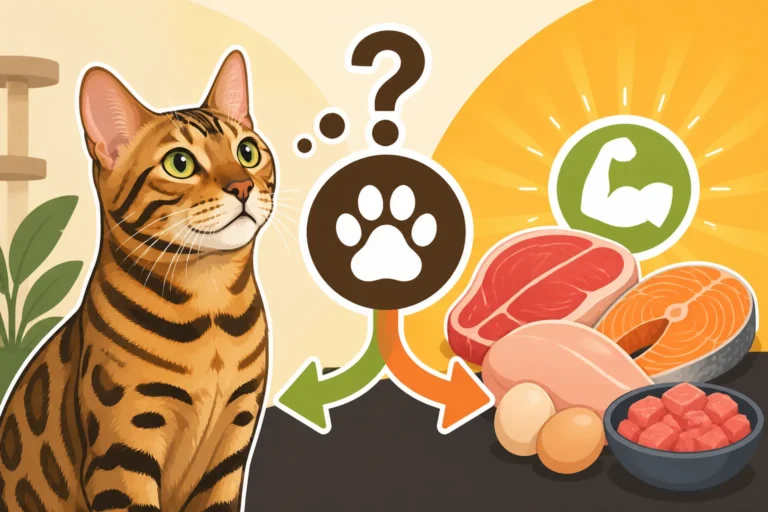
Key nutrients for a healthy, shiny coat include essential fatty acids (like Omega-3 and Omega-6), B vitamins, zinc, and quality protein. Omega fatty acids, in particular, are vital for skin health and oil production, which directly impacts the sheen of the glitter. If your senior Bengal isn't absorbing enough of these, their skin can become dry, and their hair can become brittle and less shiny. Even if their food technically contains these nutrients, if their gut isn't pulling them out effectively, it's almost as if they aren't getting them at all. This is a crucial point many owners miss. You might consider talking to your vet about specific supplements that could help, or exploring food options that are easier to digest for older cats. Brands available on platforms like Chewy often have senior-specific formulations designed with these absorption challenges in mind.
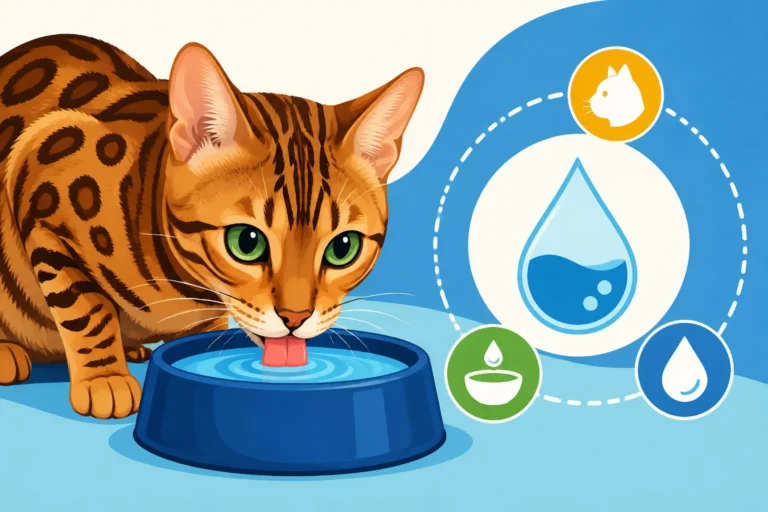
Moreover, a decline in kidney or liver function, which can be common in older cats, can also impact their ability to process and utilize nutrients. These organs are powerhouse detoxifiers and processors, and if they're not operating at peak efficiency, it can indirectly affect everything from energy levels to coat quality. Even subtle changes in hydration can affect skin and coat health, and older cats sometimes don't drink as much water as they should. What Changes in a Bengal Cat After Ten often includes a discussion of changes in organ function, which are directly related to nutritional needs. Ensuring a constant supply of fresh water, perhaps even with a water fountain, can make a surprising difference.
Health Conditions and Environmental Influences
Beyond natural aging and nutrition, various health conditions and environmental factors can also contribute to a dulling coat in an aging Bengal cat. It's easy to assume it's just "old age," but sometimes, a lack of sparkle can be an early warning sign of something more significant happening internally. Any chronic illness that stresses the body or impairs nutrient absorption can manifest in a poor coat condition. This includes conditions like diabetes, thyroid issues, dental disease, or even just chronic pain. An uncomfortable cat is often not a well-groomed cat, and chronic low-grade inflammation can impact hair follicle health. What a Bengal Cat's Yearly Bloodwork Should Cover often helps veterinarians catch these underlying issues early, which can make a big difference for your cat's overall health and appearance.
Parasites, though less common in strictly indoor senior cats, can still be a factor. Fleas, mites, or even internal parasites can drain nutrients from your cat, leading to a dull, dry, and lacklustre coat. While a Bengal cat's coat is often celebrated for its minimal grooming needs, A Bengal Cat Needs Almost No Grooming doesn't mean they're immune to pests. Regular veterinary check-ups are paramount to rule out these kinds of issues.
Environmental factors also play a role. Dry indoor air, especially in heated homes during winter, can strip moisture from a cat's skin and coat. Excessive bathing, using harsh shampoos, or exposure to strong sunlight can also damage the hair shaft and diminish the glitter. While Bengals love water, as detailed in Why a Bengal Cat Loves Water, frequent baths are generally not necessary for their coat type and can even be detrimental if not done correctly with cat-specific, moisturizing products. Keeping their living environment stable, comfortable, and free from harsh chemicals can help preserve their coat's natural vibrancy.
Strategies to Support Your Senior Bengal's Coat
Seeing your beloved Bengal's glitter dim can be a little disheartening, but there are definitely proactive steps you can take to help maintain their coat health and overall well-being as they age. It's about supporting their body through these natural transitions, rather than trying to reverse time.
Tailored Nutrition and Supplements
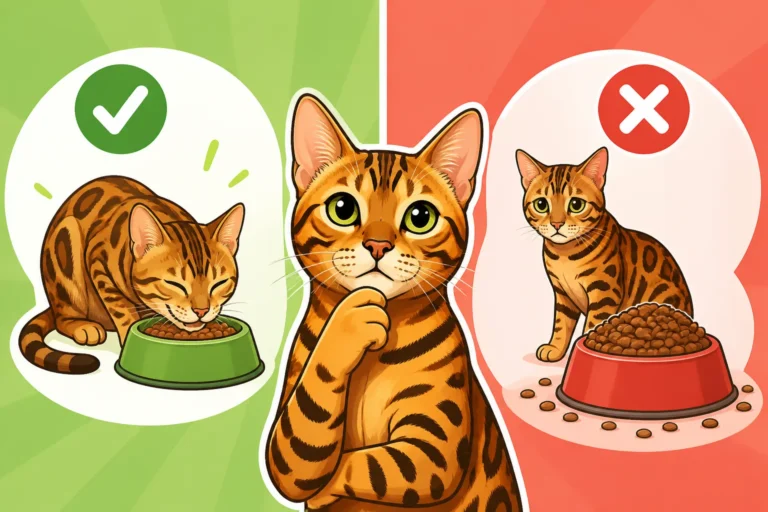
Revisiting your senior Bengal's diet is often the first and most impactful step. As discussed, their ability to absorb nutrients changes, so even if the food was perfect before, it might need an update. Look for senior-specific formulas that are typically easier to digest and often contain higher levels of targeted nutrients for aging bodies, such as antioxidants and omega fatty acids. You might want to consider adding supplements directly to their food, after consulting with your veterinarian. Fish oil (rich in Omega-3s) can do wonders for skin and coat health. Brands found on platforms like Amazon offer a wide array of cat-specific omega supplements in various forms, from liquid to softgels, making it easier to find one your picky eater might accept. Some owners even explore fresh, human-grade food options, which can sometimes be more bioavailable for sensitive senior digestive systems.
It’s not just about the type of food, but also about how you feed them. Smaller, more frequent meals can be easier on an older digestive system than one or two large ones. Ensure they always have access to fresh water. If they're not drinking enough, consider investing in a pet water fountain, which often encourages greater water intake by providing circulating, aerated water. This consistent hydration is crucial for skin elasticity and overall coat health.
Gentle Grooming and Environmental Adjustments
While Bengal cats are known for being fastidious self-groomers, an aging cat might not be as thorough as they once were. They might have less flexibility, arthritis, or simply less energy. This is where you, as their dedicated caregiver, can step in to help. Gentle brushing a few times a week with a soft brush can help distribute natural skin oils, remove loose hair, and stimulate circulation. This isn't just for appearances; it's a bonding experience and a chance to check for any lumps, bumps, or skin issues. Even though Whether an Aging Bengal Cat Needs More Grooming suggests their basic needs don't change drastically, your assistance becomes more important.
Consider the environment your senior Bengal lives in. If you live in a dry climate or use indoor heating frequently, a humidifier can add much-needed moisture to the air, benefiting both your cat's skin and your own. Avoid harsh chemical cleaners in areas your cat frequents, as these can dry out their paws and fur. When it comes to bathing, it's rarely necessary for a Bengal, but if a bath is absolutely needed, use a veterinarian-approved, moisturizing cat shampoo and ensure they are thoroughly dried afterward to prevent skin irritation.
Regular Veterinary Care
Perhaps the most crucial strategy is maintaining regular veterinary check-ups. A dull coat can sometimes be the first outward sign of an underlying health issue that isn't yet obvious. Your vet can perform routine blood work and physical exams to catch potential problems like kidney disease, thyroid imbalances, or dental issues before they become severe. Addressing these health concerns directly will often lead to an improvement in coat quality as a secondary benefit. Caring for a Bengal Cat Past Ten emphasizes the importance of these regular visits, as proactive care is key to a long and comfortable life for your senior feline friend. Early intervention for conditions that might impede nutrient absorption or cause chronic stress on their system can not only bring back some of that sparkle but significantly improve their quality of life. Don't dismiss coat changes as merely cosmetic; view them as a valuable piece of your cat's health puzzle.
Disclaimer
This article is for general informational purposes only and does not constitute professional advice. Laws, prices and regulations vary by location and change over time. Consult a qualified professional for guidance on your specific situation.