What Treats Add to a Bengal Cat’s Yearly Bill
It’s a common scenario for Bengal cat owners: you walk into the pet store, intending to grab just their regular food, and suddenly you’re mesmerized by the array of tempting treats. Before you know it, your basket is overflowing, and your credit card is wincing. The truth is, while we often budget for their food, litter, and vet visits, the cost of treats can quietly creep up, adding a significant chunk to your Bengal cat's yearly expenses. This guide is here to shine a light on those often-overlooked treat costs, helping you understand where your money goes and how to manage it without compromising your fabulous feline's happiness.
The Allure of Treats for Your Energetic Bengal Cat
Let's be real, Bengal cats aren't your average couch potato kitties. They are bundles of energy, intelligence, and boundless curiosity. This means that treats, for them, aren't just about a tasty morsel; they're often an integral part of their active lifestyle and mental enrichment.
Why Treats Are More Than Just Indulgences for Bengals
For a Bengal, treats serve many purposes beyond a simple snack. Think of them as tiny motivators, learning aids, and even a way to channel that incredible energy. Their high intelligence means they thrive on interaction and challenges. Offering a treat can be a powerful tool for positive reinforcement during training sessions, teaching them to sit, fetch, or even walk on a leash. Without these little rewards, training can feel like a much harder uphill battle for both of you.
Moreover, treats are fantastic for enrichment. A bored Bengal is often a destructive Bengal, and believe me, we've all been there with the shredded toilet paper rolls or the mysteriously "rearranged" cabinet contents. Interactive treat-dispensing toys can keep their clever minds engaged, turning mealtime or snack time into a stimulating hunt. This active engagement helps them burn off some of that incredible energy. You really can't underestimate How Active a Bengal Cat Is and how that translates to their need for mental and physical stimulation, which treats can help provide.
The Different Kinds of Treats Your Bengal Might Crave
The market for cat treats is vast, and it can feel overwhelming trying to choose. For a Bengal, who often has discerning tastes and a robust chewing habit, not all treats are created equal.
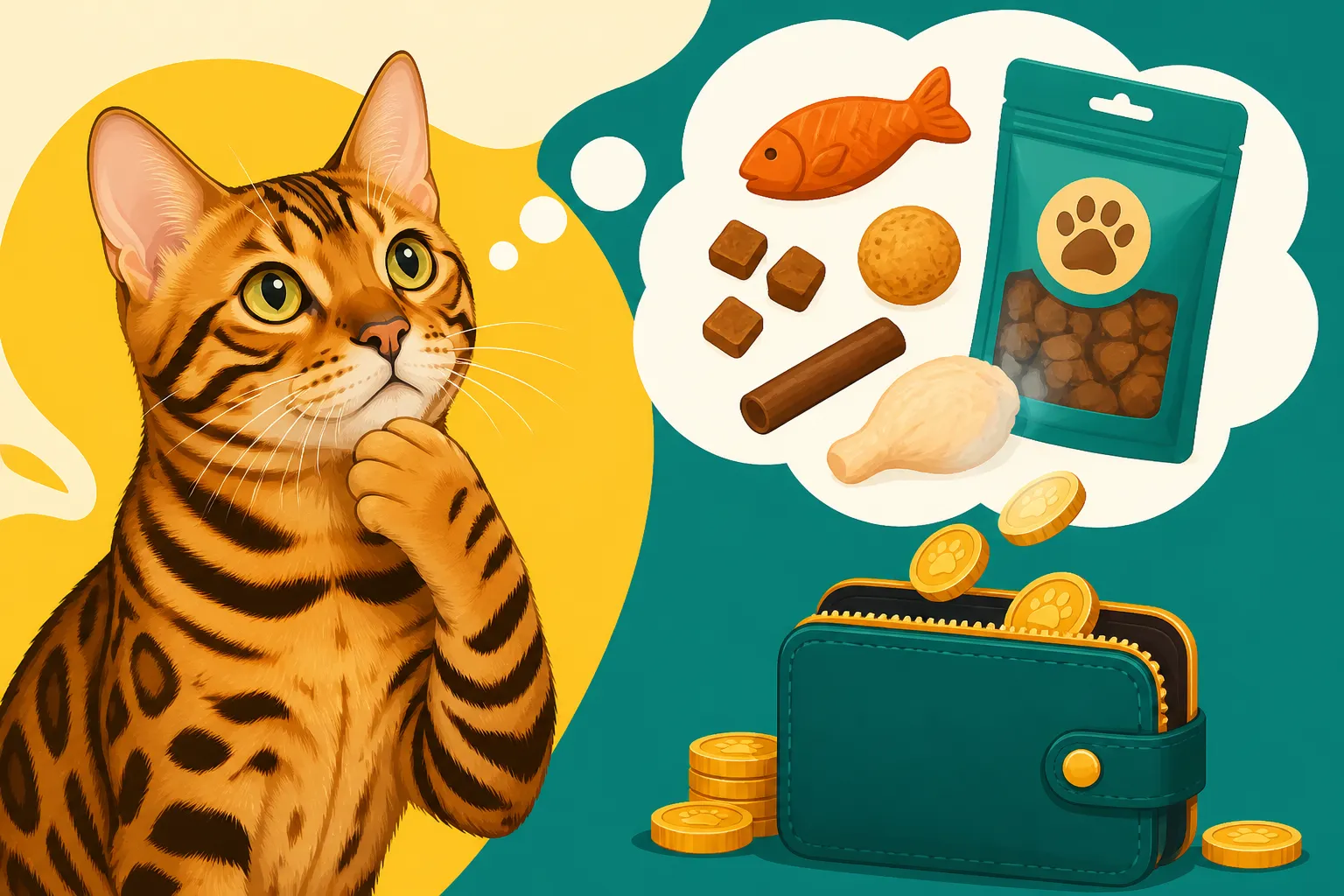
You've got your standard crunchy biscuits, which are often good for a quick reward or a little tooth-scrubbing action. Then there are soft, chewy treats, sometimes designed for palatability or specific dietary needs. Many Bengal owners gravitate towards freeze-dried meat treats, perhaps because they feel more "natural" given the breed's wild ancestry. These are often single-ingredient and intensely flavorful, making them highly motivating. Liquid treats or "churu" style purees are also incredibly popular, great for administering medication or just a quick, messy, bonding moment. Dental treats, specifically formulated to help reduce plaque and tartar, are another category that can be vital, especially as Whether a Bengal Cat Gets Dental Disease is a real concern for any cat owner. Some treats are even specifically shaped or sized to fit into puzzle feeders, requiring your Bengal to work for their reward, which is a fantastic way to engage their brain.
Dissecting the Cost: What Drives Treat Prices for Bengal Cats
It’s easy to grab a bag of treats without thinking, but understanding why some cost more than others can help you make more informed decisions and manage your budget.
Ingredient Quality and the "Wild Ancestry" Marketing
One of the biggest factors influencing treat prices is the quality of the ingredients. Many Bengal owners, understandably, look for treats that align with their cat's perceived "wild" diet. This often translates to products with a high meat content, limited ingredients, and no artificial colors, flavors, or preservatives. These premium ingredients, like freeze-dried salmon, chicken heart, or duck, simply cost more to source and process than fillers like corn or wheat.
Brands know that Bengal owners are often conscious of their cat's unique heritage and activity levels. They'll market treats as "ancestral diet-inspired" or "high protein," tapping into our desire to provide the best for our exotic-looking companions. While this isn't necessarily a bad thing – a The High Protein Argument for a Bengal Cat often holds weight for this active breed – it does come with a higher price tag. You'll often see this reflected in the labels, where a single-ingredient freeze-dried chicken treat will be significantly more expensive per ounce than a bag of crunchy kibble-like treats.
Packaging, Brand, and Specialized Formulations
Just like with human food, brand reputation and packaging play a role in treat pricing. Established, well-regarded brands that have a history of quality and safety often command higher prices. You're paying not just for the ingredients, but for the research, development, and trust associated with that name. Larger, more visually appealing packaging might also add to the cost.
Then there are specialized formulations. Treats designed for specific health benefits, such as dental care, joint support, or hairball control, often contain added vitamins, minerals, or other functional ingredients. These additions increase the complexity and cost of manufacturing. For example, a dental chew with specific enzymes or a hairball treat with added fiber will typically be pricier than a basic crunchy snack. While the benefits can be valuable, it’s worth considering if your Bengal truly needs these specialized treats or if a multi-purpose option will suffice. Companies like Chewy offer a wide range of these specialized treats, often with detailed ingredient lists to help you compare.
The "Bengal-Proof" Factor: Why Durability Matters
This is a factor unique to owning such a powerful and clever cat. A Bengal cat isn't just active; they are incredibly strong, resourceful, and, let's be honest, sometimes a little destructive when bored. If you've ever found your cheap cat furniture demolished, you know Why a Bengal Cat Destroys Cheap Cat Furniture. This applies to toys and treat dispensers too. Cheap plastic puzzle toys that crack or flimsy plush toys that are instantly disemboweled might mean you're buying replacements constantly, adding to your overall treat-related expenses.
While not a direct treat cost, the durability of the delivery method for treats (like a robust puzzle feeder) indirectly impacts your treat budget by reducing breakage and encouraging longer, more satisfying play. Some treats themselves are also designed to be tougher, taking longer for your Bengal to chew through, thus lasting longer per serving.
Budgeting for Bengal Cat Treats: Practical Strategies and Realistic Expectations
The good news is you don't have to break the bank to spoil your Bengal. With a bit of planning, you can incorporate treats into their routine without financial stress.
How Much is "Too Much"? Determining a Reasonable Treat Budget
The first step is understanding that treats should be treats, not a significant portion of their daily caloric intake. The general rule of thumb is that treats should make up no more than 10% of your cat's daily calories. Over-treating can lead to weight gain, which then opens the door to a host of other health problems, ultimately increasing your vet bills down the line. Remember, What a Healthy Bengal Cat Weighs is crucial for their long-term health.
A good approach is to factor in treats as part of your overall monthly pet expenses. If you spend, say, $50 on their main food, allocating an additional $5-10 for treats might be a reasonable starting point. This helps keep things in perspective. Some weeks you might spend more, other weeks less, but having a general guideline prevents impulse overspending.
Smart Shopping: Where to Find Value Without Compromising Quality
Finding good deals on quality treats is absolutely possible.
- Buy in Bulk: Often, larger bags or multi-packs of treats offer a better per-ounce price. If your Bengal has a favorite they consistently enjoy, stocking up when it's on sale can save you a good amount.
- Subscription Services: Online retailers like Chewy often have "autoship" programs that provide a discount on recurring orders. This can be great for treats your cat goes through regularly, ensuring you never run out and save some money in the process.
- Sales and Promotions: Keep an eye out for sales events, both online and at local pet stores. Black Friday, Cyber Monday, and even seasonal clearances can be prime times to grab a bargain.
- Read Labels Diligently: Don't just look at the price tag. Compare ingredient lists and nutritional information across brands. Sometimes a slightly more expensive bag might be more nutrient-dense, meaning you feed less for the same effect, making it a better value in the long run.
DIY and Homemade Treats: A Cost-Saving Alternative
If you're really looking to cut down on costs or want absolute control over ingredients, making treats at home is a fantastic option. Simple cooked chicken breast (plain, no seasoning), boiled fish, or even pureed pumpkin can be appealing to many Bengals. Always do your research to ensure any homemade treats are safe and appropriate for cats. This is particularly helpful if your Bengal needs a special diet, perhaps after a When a Bengal Cat Needs a Food Trial due to sensitivities. Just remember to introduce any new food slowly!
The Hidden Costs and Long-Term Implications
While we're talking about direct treat costs, it's important to consider the hidden costs of irresponsible treating. Overfeeding or providing treats with poor nutritional value can contribute to obesity, diabetes, and other health issues. These conditions can lead to expensive veterinary treatments, medications, and specialized diets. This is where pet insurance, like policies from Healthy Paws, can be invaluable for mitigating unexpected health costs, but prevention is always better than cure. Thinking about the full What a Bengal Cat Costs Over Its Lifetime should always include responsible feeding and treating to keep those vet bills as low as possible.
Integrating Treats into Your Bengal's Overall Wellness Plan
Treats aren't just about indulgence; they're a powerful tool in your Bengal's daily life, contributing to their physical and mental well-being when used thoughtfully.
Treats as Training Tools for a Clever Cat
Bengals are incredibly smart, and they respond exceptionally well to positive reinforcement. Treats are the gold standard for this. Whether you're teaching basic commands like "sit" or "stay," or more complex tricks, a high-value treat can make all the difference. Their intelligence means they often pick up commands quickly, especially when there's a tasty reward involved. You'll be amazed at Which Commands a Bengal Cat Learns Fastest when a delicious treat is on the line. Small, easily digestible treats are best for training sessions so you can give several without overfeeding.
Enrichment and Mental Stimulation: Puzzle Feeders and Interactive Treats
For a breed as energetic and intelligent as the Bengal, mental stimulation is as important as physical exercise. Puzzle feeders, lick mats, and other interactive toys that dispense treats slowly are fantastic for this. They force your cat to think, strategize, and work for their food, mimicking their natural hunting instincts. This can alleviate boredom, reduce destructive behaviors, and provide a healthy outlet for their boundless energy. Finding Which Puzzle Feeder Beats a Bengal Cat can be a fun challenge for both of you, extending their engagement time and making those treats last longer. A busy Bengal is a happy Bengal!
Dental Health and Beyond: Functional Treats for Specific Needs
Beyond just being tasty, many treats offer functional benefits. Dental treats are formulated to help reduce plaque and tartar buildup on your cat's teeth. While they're not a substitute for professional dental cleanings, they can be a helpful addition to your Bengal's oral hygiene routine.
Other functional treats might target specific concerns like hairball control with added fiber, or joint support with ingredients like glucosamine. If your Bengal has a specific health need, discuss with your vet whether a functional treat could be beneficial. Just remember to factor these specialized treats into your budget, as they tend to be on the pricier side.
No matter how you choose to use them, treats are an undeniable part of the Bengal cat ownership experience. By being mindful of ingredients, understanding pricing, and integrating them wisely into your cat's routine, you can keep your energetic companion happy, healthy, and within budget.
| Treat Type | Average Cost (Shape) | Common Uses | Pros | Cons |
|---|---|---|---|---|
| Crunchy Kibble-like | Generally budget-friendly | Everyday rewards, dental health (some) | Widely available, often fortified, good for quick rewards | Can contain fillers, less appealing to picky eaters, quickly consumed |
| Soft Chews/Pates | Moderate | Training, medication administration | Highly palatable, easier to chew for older cats, versatile | Can be messier, higher moisture content means shorter shelf life |
| Freeze-Dried Meats | Higher end | High-value rewards, training, picky eaters | Single ingredient, highly nutritious, intense flavor, minimal processing | More expensive per ounce, can be crumbly |
| Liquid/Lickable Treats | Moderate to higher | Bonding, hydration, medication concealment | Very palatable, easy to consume, good for hydration | Often high in calories for their volume, quickly consumed, messy |
| Dental Chews | Moderate to higher (specialized) | Oral hygiene, plaque reduction | Targeted health benefit, can reduce bad breath | Less appealing to some cats, effectiveness varies, an added expense |
Disclaimer
This article is for general informational purposes only and does not constitute professional advice. Laws, prices and regulations vary by location and change over time. Consult a qualified professional for guidance on your specific situation.