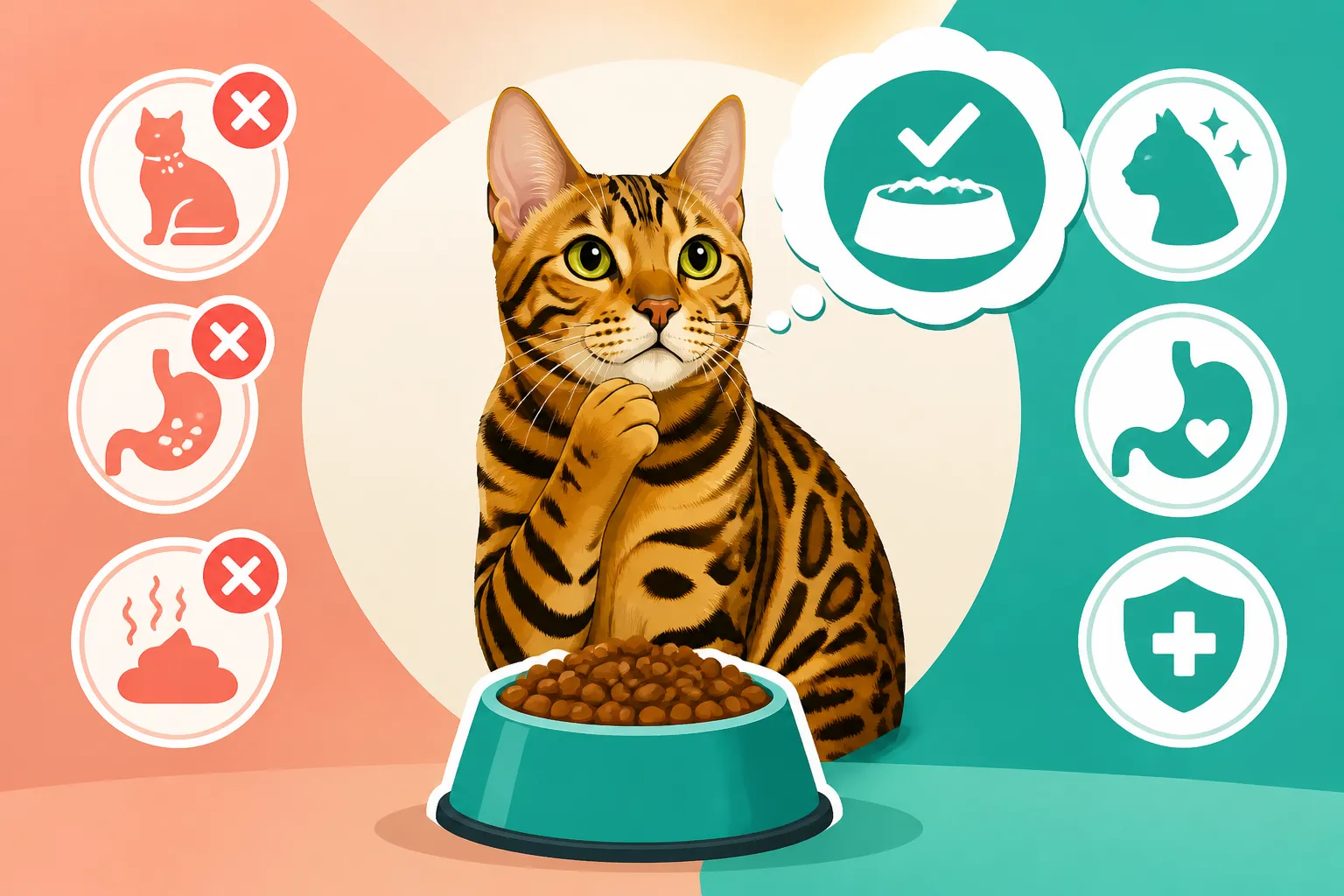
When a Bengal Cat Needs a Food Trial
It's incredibly disheartening when your energetic Bengal cat, known for their playful antics and stunning looks, starts to show persistent signs of digestive distress or uncomfortable skin issues. You clean the litter box, you try different foods, you wonder if it's just a "Bengal thing" – but deep down, you know something isn't quite right. This guide is here to walk you through exactly when and why a veterinary-guided food trial becomes a crucial step in uncovering the root cause of your beloved cat's discomfort and finally bringing them some much-needed relief.
Recognizing the Signs Your Bengal Cat Needs a Food Trial
Living with a Bengal cat is a unique experience, full of zoomies, chirps, and an inquisitive nature that keeps you on your toes. But when their vibrant personality is overshadowed by constant trips to the litter box or endless scratching, it's a clear signal that something needs attention. A food trial isn't usually the first line of defense, but it becomes a serious consideration when other common issues have been ruled out.
Persistent Digestive Upset
This is often the most obvious red flag. You're not just dealing with an occasional hairball or a minor stomach rumble after a new treat. We're talking about a consistent, recurring pattern of discomfort that impacts your cat's quality of life.
Chronic diarrhea is perhaps the most common and frustrating symptom. Your Bengal's stools might be consistently soft, watery, or even contain mucus or blood. It's not just messy; it's a sign that their digestive system isn't absorbing nutrients properly. Imagine constantly feeling unwell in your gut – that's what your Bengal could be experiencing. They might have accidents outside the litter box because they simply can't hold it, or they might strain frequently. It’s important to distinguish this from the occasional loose stool that any cat might have; we’re looking for a pattern here. Many owners are already intimately familiar with Chronic Diarrhea Is the Bengal Cat Complaint Nobody Warns About, and a food trial often follows efforts to address parasitic or bacterial issues.
Vomiting is another clear indicator, especially if it happens regularly, isn't linked to eating too fast, or doesn't produce hairballs. If your Bengal is throwing up their food, bile, or even just foamy liquid several times a week, or if it's a sudden onset that continues despite dietary changes, it's a serious concern. Excessive gas or loud stomach gurgling can also point to digestive irritation, making your normally agile cat seem uncomfortable and bloated. This isn't just an inconvenience; these symptoms can lead to dehydration, malnutrition, and a general decline in energy. You might notice your Bengal isn't as enthusiastic about playtime or seems more lethargic than usual, all due to internal discomfort.
Skin and Coat Issues Without Obvious Cause
It might seem counterintuitive, but what goes into your Bengal's belly can absolutely show up on their skin and coat. Food allergies or sensitivities often manifest as dermatological problems, even if your cat isn't scratching their tummy.
If you've noticed your Bengal constantly scratching, licking, or chewing at themselves, especially around their head, neck, ears, or paws, and your vet has already ruled out external parasites like fleas, mites, and fungal infections, a food allergy could be the culprit. Their skin might appear red, inflamed, or bumpy. They might develop small scabs or even lose patches of fur from over-grooming. A dull, dry, or flaky coat that doesn't improve with regular grooming or supplements can also be a sign. It's frustrating to see your beautiful cat's luxurious pelt looking anything less than perfect, and even more so when they're clearly uncomfortable. You might clean their ears frequently, only to find persistent waxy buildup and redness. Sometimes, even chronic ear infections can be linked to underlying food sensitivities, as inflammation throughout the body can affect various systems.
This kind of persistent itching and discomfort is different from environmental allergies, which often have seasonal patterns or are linked to specific triggers like pollen or dust. With food-related skin issues, the problem tends to be year-round and less responsive to typical allergy medications. It’s about a constant internal reaction, manifesting externally.
Unexplained Weight Loss or Poor Appetite
While less common than diarrhea or skin issues, significant or unexplained weight loss in an otherwise active Bengal can be a serious sign that their body isn't getting what it needs from their food. Bengal cats are naturally lean and muscular, so noticing their ribs or spine becoming more prominent is a definite worry.
If your Bengal is eating normally but still losing weight, it suggests that their digestive system isn't properly absorbing nutrients, even if the food quantity seems adequate. This malabsorption can be a direct result of chronic inflammation or irritation caused by a food sensitivity. On the other hand, if your Bengal, usually a robust eater, suddenly becomes picky, starts to turn up their nose at food they once loved, or shows a general decrease in appetite, this also warrants investigation. They might associate eating with discomfort, leading them to avoid meals. It's a tricky situation because Bengal cats can be notoriously finicky eaters sometimes, but a sustained disinterest in food is a red flag.
Of course, weight loss and poor appetite can be symptoms of many serious medical conditions, so it's paramount to have a thorough veterinary check-up to rule out issues like hyperthyroidism, kidney disease, or cancer before embarking on a food trial. A comprehensive annual check-up, including What a Bengal Cat's Yearly Bloodwork Should Cover, is always recommended to catch these things early.
When Your Vet Recommends a Food Trial: The Diagnostic Journey
It’s crucial to understand that a food trial isn’t a DIY project you embark on lightly. It’s a specialized diagnostic tool that your veterinarian will guide you through, and it typically comes after a series of other investigations to ensure you’re on the right track.
Ruling Out Other Medical Conditions First
Before even mentioning a food trial, your vet will want to comprehensively rule out a host of other potential health issues. This initial diagnostic phase is absolutely critical. Imagine putting your cat through weeks of a strict, specialized diet, only to find out they had a treatable parasitic infection all along!
The diagnostic journey usually begins with a thorough physical examination. Your vet will check everything from their teeth to their tail, looking for any obvious signs of illness. Next, a series of laboratory tests will likely be ordered. This typically includes multiple fecal exams to check for common intestinal parasites like Giardia or roundworms, and sometimes specific tests for nastier bugs like What Tritrichomonas Does to a Bengal Cat. Bloodwork is essential to assess organ function (kidneys, liver), check for signs of inflammation or infection, and evaluate overall health. They might also check for specific markers of inflammatory bowel disease (IBD) if chronic digestive issues are prominent.
In some cases, imaging like X-rays or ultrasound may be recommended to look for foreign bodies, tumors, or other structural abnormalities in the digestive tract. Your vet is essentially playing detective, systematically eliminating all the usual suspects until food sensitivity remains the most plausible explanation. Only once these other potential causes have been thoroughly investigated and ruled out, or adequately treated without full resolution of symptoms, will a food trial be proposed. This meticulous process ensures that you're not missing a simpler, more direct cause for your Bengal's discomfort.
Understanding the Types of Food Trials
Once other conditions are off the table, your vet will recommend a specific type of food trial, usually involving one of two main dietary approaches: a novel protein diet or a hydrolyzed protein diet. The key to both is strict elimination of all other food sources.
Novel Protein Diet: This approach involves feeding your Bengal a single source of protein that they have never eaten before. The logic here is that if your cat is allergic or sensitive to common proteins like chicken, beef, or fish (which are prevalent in most commercial cat foods), introducing a protein they’ve never been exposed to dramatically reduces the chance of an immune reaction. Common novel proteins for cats might include venison, duck, rabbit, or even kangaroo. Your vet will likely recommend a prescription novel protein diet, or guide you on how to prepare a carefully balanced home-cooked novel protein diet if that’s an option. The challenge here is truly finding a protein your Bengal hasn't encountered, especially if they've eaten a variety of commercial foods over their lifetime.
Hydrolyzed Protein Diet: These diets are quite clever. The proteins in the food, often chicken or soy, have been broken down into such tiny fragments (hydrolyzed) that the cat's immune system doesn't recognize them as allergens. Think of it like a puzzle piece being shattered into a thousand indistinguishable shards – the immune system can't identify the original picture. These diets are typically prescription-only and are highly effective because they eliminate the allergenic potential of even common proteins. Brands like Royal Canin or Hill's often have excellent hydrolyzed options designed for food sensitivities.
Regardless of the type chosen, the strictest adherence is non-negotiable. This means absolutely no other food, treats, human scraps, flavored medications, toothpaste, or even toys that might have food-based scents or residues. For a minimum of 8 to 12 weeks, your Bengal eats only the trial diet. This duration is critical because it takes time for existing inflammatory reactions to subside and for the body to clear out any residual allergens. Consistency is the golden rule here; even a tiny slip-up can derail the entire trial and mean starting over from scratch. It’s a test of patience for both you and your persistent feline friend! If you're looking into specific dietary needs, you might also find our guide on When a Bengal Cat Needs a Special Diet for Its Gut useful.
| Symptom Category | Specific Signs to Watch For | What It Might Indicate |
|---|---|---|
| Digestive | Chronic diarrhea (soft, watery, mucus, blood), frequent vomiting (not just hairballs), excessive gas, loud stomach gurgling, straining at litter box, decreased stool frequency, passing accidents outside box. | Food allergy/intolerance, IBD, parasites (if not ruled out), bacterial overgrowth. |
| Skin/Coat | Persistent itching (head, neck, ears, paws), excessive licking/chewing, redness, scabs, lesions, ear infections, dull coat, dandruff, fur loss from over-grooming. | Food allergy, environmental allergy, parasites (if not ruled out), fungal infection. |
| General | Unexplained weight loss despite eating, sudden or gradual loss of appetite, lethargy, decreased energy/playfulness. | Malabsorption, chronic discomfort, underlying illness. |
Action Steps:
- Document: Keep a detailed journal of symptoms (frequency, severity, changes).
- Vet Visit: Schedule a comprehensive check-up.
- Diagnostics: Cooperate with vet on fecal tests, bloodwork, imaging.
- Follow Vet Advice: If a food trial is recommended, adhere strictly to the chosen diet for the full duration.
Implementing a Food Trial: Practicalities and Pitfalls
Embarking on a food trial with your Bengal cat is a commitment, and it requires careful planning and a strong will to succeed. It's not always easy, but the potential for a healthier, happier cat makes it absolutely worth the effort.
Choosing the Right Diet and Sticking to It
The first step is always to work closely with your veterinarian to select the appropriate diet. They might recommend a specific prescription hydrolyzed protein food like Hill's z/d, Royal Canin Hydrolyzed Protein, or Purina Pro Plan Veterinary Diets HA. These are scientifically formulated to be nutritionally complete and as hypoallergenic as possible. If a novel protein diet is chosen, your vet will help you select a protein source and guide you on whether a commercial option or a carefully prepared home-cooked diet is best. For example, some Bengals do incredibly well on a single-ingredient duck or rabbit formula. If you're pondering Which Food Settles a Bengal Cat's Stomach, remember that a trial diet is about diagnosis, not just settling.
Once the diet is chosen, strict adherence is paramount. This cannot be stressed enough. Even a tiny piece of kibble from another bag, a shared treat, or a lick of human food can completely undo weeks of effort and trigger a reaction, meaning you'll have to start over. This is particularly challenging in multi-cat households. You might need to feed your trial cat in a separate room, behind a closed door, or use microchip-activated feeders to ensure they only eat their designated food. All other food items, including any dental chews, flavored medications, or supplements, must be put on hold or replaced with non-allergenic alternatives discussed with your vet. It's a full-on lockdown for their diet. Imagine your Bengal's natural curiosity and determination to get into everything; this will be your biggest hurdle!
Monitoring Progress and Reintroduction
During the 8-12 week trial period, diligent monitoring is key. You'll need to become a keen observer and a meticulous record-keeper. Keep a journal detailing your Bengal's symptoms: note the consistency and frequency of their stools, any instances of vomiting, the intensity of itching or scratching, their energy levels, appetite, and overall demeanor. Look for subtle improvements – perhaps their coat looks a bit shinier, or they're having fewer litter box mishaps. True improvement often happens gradually, so consistency in tracking is crucial. Don't expect an overnight miracle; it takes time for the body to heal and inflammation to subside.
If your Bengal shows significant improvement on the trial diet, the next step is reintroduction. This phase is critical because it confirms the specific food allergen. Under your vet's guidance, you'll slowly reintroduce one new ingredient at a time, usually a common protein source like chicken, for about a week. You'll then observe intently for any return of symptoms. If symptoms reappear, you've likely identified the culprit! If not, you move on to the next ingredient. This process can be slow and requires even more patience, but it provides invaluable information for your Bengal's long-term dietary management. For some owners, the relief of finally identifying a trigger, even if it means a restricted diet, is immense.
Considering Long-Term Dietary Management
Once the food trial has successfully identified a trigger, or if your Bengal thrived on the trial diet without a clear reintroduction culprit, the conversation shifts to long-term dietary management. This might mean keeping your cat on the novel protein or hydrolyzed diet permanently, or transitioning them to a carefully selected commercial food that avoids the identified allergen. This often involves reading ingredient labels with extreme scrutiny and sticking to a limited ingredient diet. Brands like Natural Balance or Instinct often offer single-protein, limited-ingredient options that might be suitable once a trigger is identified.
This long-term commitment often comes with additional costs, as prescription diets can be more expensive than standard commercial foods. This is where pet insurance can be a real lifesaver. Companies like Healthy Paws can often provide coverage for prescription foods if they are medically necessary for a diagnosed condition, as well as for the diagnostic tests that led to the food trial in the first place. Always check your policy details, but having that support can make a huge difference in managing your Bengal's ongoing health needs without breaking the bank. Understanding What a Prescription Gut Diet Costs a Bengal Cat Owner can help you budget for the future.
What a Food Trial Isn't and Why It Matters
It's easy to misunderstand the purpose and process of a food trial, and this can lead to frustration and ineffective results. Getting it right is vital for your Bengal's health and your peace of mind.
Not a Quick Fix or a DIY Project
A food trial is emphatically not a quick fix. It's a rigorous diagnostic procedure, designed to systematically eliminate potential dietary triggers over an extended period. It takes time – often 8 to 12 weeks for the initial trial, plus the reintroduction phase – and it demands consistency. There's no magic pill or instant solution when it comes to identifying food sensitivities.
Trying to conduct a food trial on your own, without veterinary guidance, can be risky and largely ineffective. Firstly, you might inadvertently choose a novel protein that your cat has already been exposed to, rendering the trial useless. Secondly, ensuring nutritional completeness with a homemade diet is incredibly challenging. Cats have very specific dietary requirements, including essential amino acids like taurine, and an imbalanced diet can lead to serious health problems. Thirdly, without the systematic process of ruling out other conditions first, you might be focusing on food when the real problem is something entirely different and treatable. Your Bengal's sensitive gut, as detailed in Why a Bengal Cat's Gut Is So Sensitive, requires expert care, not guesswork. A veterinary professional ensures that the trial is conducted safely, effectively, and leads to an accurate diagnosis, not just a temporary dietary change.
The Importance of Persistence and Patience
Let's be real: a food trial can be a major test of patience. It’s challenging to meticulously control every morsel your Bengal eats for weeks on end, especially when they're masters of counter-surfing and charming you out of snacks. It can be expensive, between the vet visits for diagnosis and the specialized diet itself. And frankly, it can be frustrating when you're not seeing immediate results, or when a small slip-up means backtracking.
However, the payoff for this persistence and patience is immense. Successfully identifying and eliminating a food allergen can transform your Bengal's quality of life. Imagine them finally free from chronic itching, painful stomach upset, or persistent diarrhea. They'll likely be more energetic, playful, and comfortable. Their coat will improve, their appetite will stabilize, and those messy litter box issues could become a distant memory. This long-term health benefit far outweighs the temporary inconveniences. Investing this time and effort now can significantly contribute to How Long a Bengal Cat Lives on Average and ensures they enjoy those years to the fullest.
Moreover, knowing exactly what to avoid allows you to make informed decisions about their ongoing care and diet, preventing future flare-ups. This proactive approach to health management is truly a gift to your Bengal. If unexpected costs crop up during this extensive diagnostic and management process, knowing you have support from your pet insurance, like Healthy Paws, can alleviate some of the financial stress, allowing you to focus on your cat's recovery. Their unwavering support in managing extensive vet bills can be a game-changer when you're navigating complex health issues.
Disclaimer
This article is for general informational purposes only and does not constitute professional advice. Laws, prices and regulations vary by location and change over time. Consult a qualified professional for guidance on your specific situation.