What a Healthy Bengal Cat Weighs
Many Bengal cat owners find themselves constantly wondering if their lithe, energetic companions are at a healthy weight. Unlike the typical housecat, Bengals possess a unique athletic build and a metabolism that seems to run on rocket fuel, making it tricky to gauge if they're too slender or carrying a few too many pounds. This comprehensive guide aims to demystify what a healthy Bengal cat weighs, helping you understand their specific needs and how to ensure your spotted friend thrives.
Understanding the Bengal Cat Physique and Activity Level
Determining a healthy weight for your Bengal isn't just about a number; it's about understanding the unique biological and behavioral characteristics that define this extraordinary breed. Their ancestry has bestowed upon them a specific kind of body and an insatiable drive for activity that directly impacts their ideal weight.
Why Bengals Are Different From Domestic Shorthairs
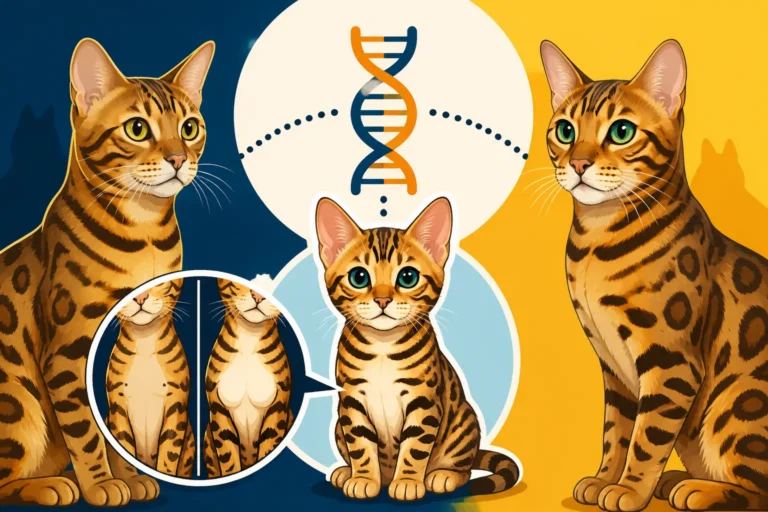
Bengal cats are a breed apart, literally. Their lineage traces back to the Asian Leopard Cat, a small wild feline, which gives them a distinctive physiology that sets them apart from your average domestic shorthair. This wild ancestry isn't just about their stunning coat patterns; it also dictates their bone structure, muscle density, and overall body type. They are naturally lean, muscular, and incredibly agile, built for powerful leaps and bursts of speed. When you pet a Bengal, you'll often feel solid muscle beneath a sleek, short coat, rather than the softer, sometimes more padded feel of other breeds. It's crucial not to compare your Bengal's weight or appearance to a Persian or even a Maine Coon; they simply don't have the same genetic blueprint. Their lean physique means that what might look "too thin" on another cat could be perfectly healthy for a Bengal.
This inherent athleticism means their ideal weight often sits on the lower side of what many might expect for their size. Their bones are typically finer, and their bodies are streamlined, designed for movement and efficiency, not bulk. Think of them as feline athletes—runners and jumpers rather than sumo wrestlers. This is why just looking at a number on a scale can be misleading without understanding the context of their unique build. A seemingly low weight might be perfectly appropriate for a compact, muscular Bengal who is constantly on the move. Getting to know The Bengal Cat Is the Most Active Cat You Can Own really helps you appreciate their build and understand why they are built the way they are.
Their wild roots also influence their metabolism. They're often described as having high metabolisms, burning through calories at a faster rate than many other domestic breeds. This is a direct reflection of their energy demands. A Bengal isn't content to simply nap all day; they are explorers, hunters, and acrobats, always seeking out new adventures. This constant motion directly impacts their caloric needs and, consequently, their healthy weight range.
The Role of Activity in Their Lean Build
The relentless energy of a Bengal cat is perhaps their most defining characteristic, and it plays an enormous role in maintaining their lean physique. These aren't cats that lie around on the sofa for hours on end; they are constantly in motion, exploring, climbing, playing, and generally burning off steam. This high activity level is directly responsible for their well-muscled, low-fat body composition. If your Bengal isn't getting enough exercise, not only might their behavior suffer (hello, mischievous destruction!), but their physical health could too, potentially leading to unhealthy weight gain or a loss of muscle tone.
Consider a Bengal with access to a catio, a cat wheel, and plenty of interactive play sessions. This cat is likely to maintain a much leaner, more toned physique than a Bengal confined to a small apartment with minimal enrichment. Their need for activity is not just a preference; it's a physiological imperative. Without it, their bodies simply won't be able to maintain that iconic athletic build. This means that a "healthy" weight for a Bengal isn't just about the number on the scale, but also about the quality of their muscle tone and overall fitness, which are direct results of their daily expenditure of energy. You can learn more about How Much Exercise a Bengal Cat Needs a Day to tailor your pet's routine.
It's a delicate balance: enough food to fuel their incredible energy, but not so much that they start to pack on extra pounds when that energy isn't fully expended. Owners often report that their Bengals never seem to tire, and while that might feel like an exaggeration after a long play session, it speaks to the sustained energy levels that are intrinsic to the breed. This consistent high activity level makes monitoring their weight and body condition even more critical, as changes can sometimes be subtle until they become more pronounced.
Average Weight Ranges for Healthy Bengal Cats
Determining an "average" healthy weight for a Bengal cat can feel a bit like trying to hit a moving target, given their individuality. However, there are general guidelines that can help owners understand what to expect. Keep in mind that these are averages, and your individual Bengal might fall slightly outside these ranges while still being perfectly healthy, depending on their bone structure, muscle mass, and activity level. Always consider their body condition score in conjunction with their weight.
Factors Influencing a Bengal's Weight
Several factors can influence a Bengal cat's healthy weight, making it a truly individual assessment. First and foremost is gender. Male Bengal cats tend to be larger and more muscular than females, often weighing a couple of pounds more. This is a natural physiological difference observed across many feline breeds. A full-grown male Bengal might typically range from 10 to 15 pounds (about 4.5 to 6.8 kg), while a female might be closer to 8 to 12 pounds (about 3.6 to 5.4 kg). Some exceptionally large males might even push slightly higher, while petite females could be a bit less.
Beyond gender, an individual Bengal's genetics play a significant role. Just like people, some Bengals are naturally bigger-boned and more substantial, while others are slighter. A Bengal from a line known for larger cats might naturally weigh more than one from a line of more delicate Bengals, even at the same health level. The cat's age is also a factor; kittens will steadily gain weight as they grow, reaching their adult weight generally between one and two years of age, though some might continue to fill out slightly beyond that. The cat's overall health and metabolic rate are also crucial. A cat with certain underlying health conditions might struggle to maintain weight, while others might be predisposed to gain it. This is where a robust pet insurance plan, like those offered by Healthy Paws, can be invaluable for covering diagnostics if you notice unexpected weight fluctuations.
Finally, their generation from the Asian Leopard Cat can subtly influence their size and build, though this becomes less pronounced in later generations. While F1 to F3 Bengals can sometimes be larger and more robust, the SBT (Stud Book Traditional) Bengals, which are at least four generations removed, are typically what we see in pet homes and fit these general weight ranges. It's a complex interplay of all these elements that defines an individual Bengal's ideal weight.
How to Accurately Weigh Your Bengal
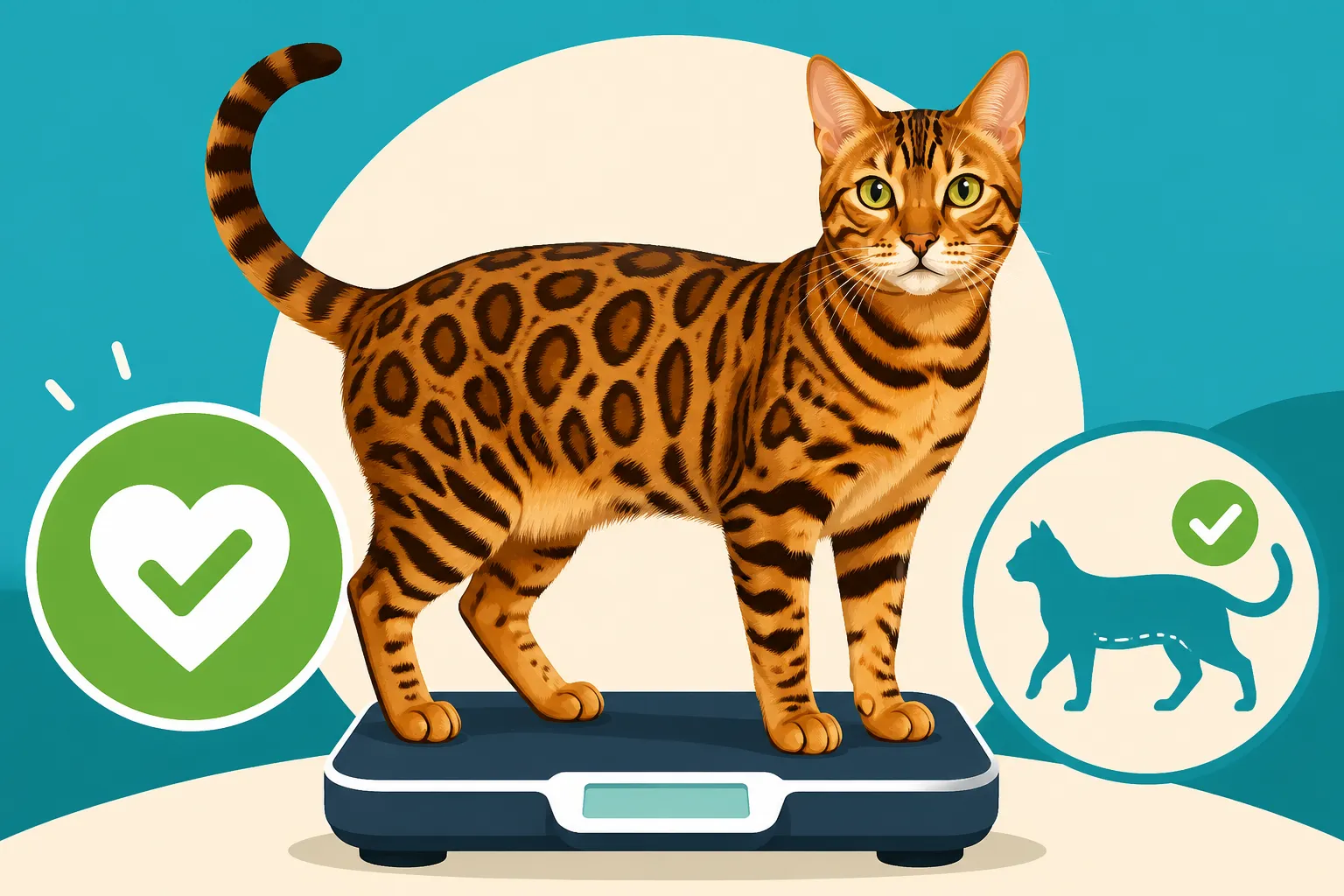
Weighing an active, inquisitive Bengal cat might sound like a wrestling match, but with a few tricks, it can be a relatively straightforward process. Regular weighing is a critical part of monitoring their health and catching any significant changes early. The easiest and most common method for most pet owners is to use a standard human bathroom scale. First, weigh yourself while holding your Bengal. Then, weigh yourself alone. The difference between the two measurements is your Bengal's weight. Try to do this around the same time of day, perhaps before breakfast, for the most consistent readings.
For kittens or very small Bengals, a kitchen scale might be more accurate, provided they can fit comfortably and safely on it. You can place a small, secure box or carrier on the scale, tare it to zero, and then place your Bengal inside. Consistency is key; don't just weigh them once and forget about it. Aim for monthly weigh-ins, or more frequently if you have concerns or are trying to manage their weight. Keep a record in a notebook or on your phone so you can track trends over time. Sudden drops or gains, even if small, can be early indicators of underlying health issues that warrant a vet visit. Early detection can make all the difference, and having records can be incredibly helpful for your vet, who might also suggest the help of a good insurance provider like Healthy Paws for any unexpected issues.
Remember, the number on the scale is just one piece of the puzzle. It's always best to combine regular weigh-ins with a body condition assessment. You should be able to feel your Bengal's ribs easily under a thin layer of fat without them protruding sharply. Their waist should be evident when viewed from above, and there should be an abdominal tuck when viewed from the side. If you're unsure about their body condition, your veterinarian is the best resource to provide an expert assessment.
Here's a general guideline for healthy adult Bengal cat weights:
| Gender | Typical Weight Range (lbs) | Typical Weight Range (kg) |
|---|---|---|
| Male | 10 – 15 lbs | 4.5 – 6.8 kg |
| Female | 8 – 12 lbs | 3.6 – 5.4 kg |
Note: These are averages. Individual variations based on genetics, bone structure, and activity level are normal.
Recognizing Underweight and Overweight Bengals
Keeping a Bengal at an ideal weight is a balancing act, and sometimes they can veer off course. Both being underweight and overweight carry significant health risks, even for a breed as naturally robust as the Bengal. Learning to recognize the subtle signs that your cat's weight isn't quite right is a crucial aspect of responsible pet ownership.
Signs Your Bengal Might Be Too Thin
An underweight Bengal cat can be a serious concern, as it often indicates that they're not getting enough calories to support their high metabolism and activity level, or that there's an underlying health issue at play. One of the most obvious signs is when their ribs, spine, or hip bones become clearly visible or feel very prominent to the touch with little to no fat padding over them. Instead of feeling a smooth, lean contour, you might feel sharp, distinct bones. This isn't just about appearance; it signifies a lack of adequate fat reserves. You might also notice a very pronounced abdominal tuck, where their stomach area seems to sharply rise into their flank.
Beyond visible cues, an underweight Bengal might exhibit other behavioral or physical changes. They could seem lethargic, despite their breed's typical high energy, or they might appear weaker. Their coat might lose its usual luster and become dull or dry. Changes in appetite can also be a red flag; they might refuse food or eat less than usual, which is concerning for such an active cat. If you notice any of these signs, it's vital to consult your veterinarian promptly. They can help rule out medical conditions such as parasites, hyperthyroidism, or gastrointestinal issues, which can all lead to unexplained weight loss. For unexpected vet visits, especially for diagnosing conditions that cause a cat to be too thin, having pet insurance like Healthy Paws can truly ease the financial burden. Getting a What a Bengal Cat's Yearly Bloodwork Should Cover can provide key insights into their overall health status.
It's also important to consider if their environment and diet are sufficient. Are they getting enough high-quality, protein-rich food? Is their stress level high, potentially impacting their appetite? Are they able to eat peacefully, without competition from other pets? Sometimes, simple adjustments to feeding routines or ensuring adequate caloric intake can make a big difference, but always start with a vet check to ensure no serious health problems are lurking.
The Dangers of an Overweight Bengal and How to Address It
While less common due to their high energy, Bengal cats can become overweight, especially as they age or if their activity levels drop and their diet isn't adjusted. An overweight Bengal is one where you can no longer easily feel their ribs without applying significant pressure, and they might have a rounder, less defined waist and abdomen. Their famous athleticism can suffer, as carrying extra weight puts strain on their joints and cardiovascular system. You might notice them being less eager to jump, play, or run, and they may tire more quickly. How Easily a Bengal Cat Becomes Overweight is something many owners overlook.
The health risks associated with obesity in cats are substantial and can include a higher likelihood of developing diabetes, joint problems (like arthritis, especially in an active breed whose joints already bear considerable impact), heart disease, and even certain types of cancer. Overweight cats also face increased risks during anesthesia and surgery. It's not just about aesthetics; it's about their long-term health and quality of life. An overweight Bengal is a less happy, less active Bengal.
Addressing an overweight Bengal requires a two-pronged approach: diet and exercise. Your vet can help you create a safe and effective weight loss plan. This often involves reducing caloric intake, switching to a high-protein, lower-fat, and lower-carbohydrate food, and strictly portioning meals. Free-feeding is almost never recommended for an overweight cat. Simultaneously, increasing their activity is paramount. This means more interactive play sessions, using puzzle feeders to make them work for their food, and encouraging climbing and running. Investing in a cat wheel or a secure catio can be a game-changer for boosting their exercise. Gradual weight loss is safest, typically no more than 1-2% of their body weight per week, to avoid complications like hepatic lipidosis. Remember, managing chronic conditions that can arise from obesity can be costly, making pet insurance like Healthy Paws a practical consideration for proactive owners.
Maintaining a Healthy Weight Through Diet and Exercise
Achieving and maintaining a healthy weight for your Bengal cat isn't just about reacting to problems; it's about a proactive lifestyle approach that combines appropriate nutrition with ample opportunities for their inherent athleticism to shine. These two pillars are foundational to their overall well-being.
Tailoring Nutrition for Your Active Bengal
Given their high energy levels and muscular build, Bengal cats generally thrive on a diet that is high in animal protein, moderate in fat, and low in carbohydrates. This mirrors the nutritional profile of the prey their wild ancestors would consume. Look for cat foods where meat is the first and primary ingredient, and avoid those heavy in fillers like corn, wheat, or soy. Many owners find that a high-quality wet food diet or a carefully balanced raw diet is particularly beneficial for Bengals, as it provides essential moisture and typically higher protein content. You might want to research Whether a Raw Diet Suits a Bengal Cat's Gut for more detailed information.
The amount you feed your Bengal will depend on their age, activity level, and individual metabolism. It's often recommended to feed adult Bengals two or three smaller meals throughout the day rather than one large one. This can help stabilize blood sugar and keep their energy levels consistent, mimicking their natural hunting patterns. However, precise portion control is key; always follow your veterinarian's guidance on daily caloric intake, as recommendations on food packaging can sometimes be too generic for an active breed like the Bengal. If you're unsure about How Much a Bengal Cat Eats to Fuel That Activity, consult your vet.
Hydration is also critical. While wet food helps, ensuring constant access to fresh water is essential. Many Bengals are fascinated by running water, so a pet water fountain can encourage them to drink more, which supports kidney health and overall metabolism. Regularly monitoring their weight and body condition will help you fine-tune their diet over time, adjusting as their needs change with age or activity shifts.
Essential Exercise for Weight Management
For a Bengal cat, exercise isn't just about burning calories; it's about mental stimulation, expressing natural behaviors, and maintaining their powerful musculature. Without adequate opportunities to move and play, even a well-fed Bengal can become prone to weight gain or behavioral issues stemming from boredom. Interactive play is paramount. Think wand toys, laser pointers (used responsibly to avoid frustration), and toys they can chase, pounce on, and "kill." Aim for at least 30-60 minutes of dedicated, high-intensity play every day, broken into several shorter sessions. This helps to deplete their boundless energy and keeps their metabolism humming. If you wonder Why a Bengal Cat Never Seems to Tire, it's because their genetic makeup drives them to be constantly active.
Vertical space is also vital. Bengals love to climb, jump, and survey their domain from high vantage points. Investing in tall, sturdy cat trees, wall-mounted shelves, and cat "highways" provides them with outlets for their natural climbing instincts and encourages physical activity. A cat wheel can be an excellent addition for indoor Bengals, allowing them to run off steam safely. Many Bengals also enjoy leash training, offering another avenue for exploration and exercise in a controlled outdoor environment. Consider if A Bengal Cat Walks on a Leash might be a good option for your feline friend.
Ultimately, a truly healthy Bengal is one that is not only at an ideal weight but is also mentally stimulated and physically fulfilled. Combining a species-appropriate diet with consistent, engaging exercise will ensure your Bengal maintains their magnificent physique and lives a long, vibrant life. Regular check-ups with your vet, including discussions about nutrition and activity, are also crucial for preventative care and early intervention, possibly supported by pet insurance plans like those offered by Healthy Paws.
Disclaimer
This article is for general informational purposes only and does not constitute professional advice. Laws, prices and regulations vary by location and change over time. Consult a qualified professional for guidance on your specific situation.