Whether Probiotics Help a Bengal Cat
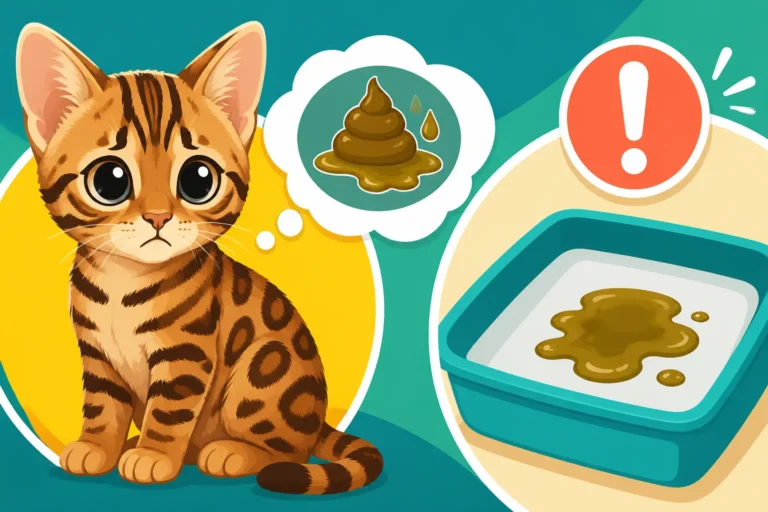
It's incredibly frustrating when your beautiful Bengal cat, full of energy and mischief, suddenly starts having tummy troubles. One day their stool is perfectly fine, the next it's loose, maybe even liquid, and you're left wondering what on earth changed and how to make them feel better. We've all been there, pacing and worrying. This guide is here to shed some light on whether probiotics can truly be a game-changer for your Bengal's often sensitive digestive system.
Understanding Your Bengal Cat's Sensitive Digestive System
Let's face it, Bengal cats are special in so many ways, and their digestive systems are no exception. They often seem to have a gut that’s far more finicky than your average domestic house cat, and there’s a good reason for that.
The Wild Ancestry Factor and Gut Health
You see, the Bengal cat’s exotic good looks aren't just for show; they come directly from their wild ancestor, the Asian Leopard Cat. This isn't some ancient history – it's still very much present in their DNA, influencing everything from their incredible agility to their dietary needs. In the wild, an Asian Leopard Cat would be hunting small prey, consuming a diet almost entirely of raw meat, bones, and organs. This diet is highly digestible and provides a very specific microbiome in their gut.
Now, fast forward to our modern domestic lives, and we're often feeding our Bengals processed kibble or wet food, which, while formulated for cats, is a far cry from what their wild ancestors – and by extension, they – are biologically programmed to consume. This fundamental difference can lead to a delicate balance in their digestive system. Their digestive tracts are shorter, more acidic, and designed to quickly process protein and fat, not necessarily the carbohydrates and plant fillers found in many commercial pet foods. This can create a constant uphill battle for their system, leading to inflammation or dysbiosis, where the 'good' gut bacteria are overwhelmed by 'bad' ones. It’s part of Why a Bengal Cat's Gut Is So Sensitive.
Common Digestive Issues in Bengal Cats
Given their unique digestive makeup, Bengal cats are unfortunately prone to a range of gastrointestinal complaints that can leave both them and their owners feeling miserable. One of the most common and distressing issues is Chronic Diarrhea Is the Bengal Cat Complaint Nobody Warns About. This isn't just a one-off upset stomach; it can be persistent, leading to dehydration, nutrient malabsorption, and a generally unhappy cat.
Beyond general "sensitive stomach" issues, specific culprits often plague Bengal owners. Parasites like Tritrichomonas foetus are notoriously difficult to get rid of and can cause chronic, foul-smelling diarrhea. Understanding What Tritrichomonas Does to a Bengal Cat can help owners identify the signs early. Similarly, Giardia is another common protozoan parasite that can wreak havoc on a Bengal's gut, and knowing How a Bengal Cat's Giardia Is Treated is crucial for recovery. Inflammatory Bowel Disease (IBD) is also observed in Bengal cats, presenting as persistent vomiting, diarrhea, and weight loss, though it often requires a more complex diagnostic and treatment approach. These issues stem from a combination of their genetics and sometimes environmental factors, making proactive gut health management incredibly important.
What Are Probiotics and How Do They Work for Cats?
When we talk about probiotics for our feline friends, especially for Bengals with their notoriously sensitive stomachs, we're really diving into the fascinating world of gut health. It's a bit more complex than just popping a pill; it's about nurturing an entire ecosystem within their digestive tract.
The Gut Microbiome and Its Importance
Think of your Bengal cat's gut as a bustling city, teeming with trillions of microscopic residents – bacteria, yeasts, and other microorganisms. This complex community is known as the gut microbiome, and it plays an absolutely vital role in not just digestion, but their overall health. These tiny residents are crucial for breaking down food, synthesizing vitamins, and even training the immune system. When this delicate balance is working harmoniously, your Bengal's digestion is smooth, their immune system is robust, and they generally feel great.
However, various factors can disrupt this "city life." Stress, dietary changes, antibiotics, parasites, and underlying health conditions can all throw the microbiome into disarray, leading to a state called dysbiosis. When dysbiosis occurs, the beneficial bacteria may decrease, allowing potentially harmful bacteria to flourish. This imbalance can manifest as diarrhea, constipation, excessive gas, poor nutrient absorption, and a weakened immune response, making your Bengal more susceptible to illness. Supporting a healthy gut microbiome is fundamental to preventing and addressing many of the digestive woes that Bengal owners often encounter.
Different Types of Probiotics and Their Mechanisms
Probiotics are essentially beneficial live microorganisms that, when administered in adequate amounts, confer a health benefit on the host – in this case, your Bengal cat. But not all probiotics are created equal, and understanding the nuances can help you make an informed choice.
You'll primarily encounter two main categories:
- Live Culture Probiotics: These are the traditional probiotics, containing live, active bacteria strains like Enterococcus faecium, Lactobacillus acidophilus, or Bifidobacterium animalis. They work by colonizing the gut, helping to restore balance by outcompeting harmful bacteria, producing beneficial compounds (like short-chain fatty acids), and supporting the immune system. They need to be stored properly (often refrigerated) to maintain viability.
- Spore-Based Probiotics: These contain bacteria in a spore form, such as Bacillus coagulans. The spores are dormant and incredibly resilient, able to survive stomach acid and bile much more effectively than live cultures. Once they reach the intestines, they germinate and become active, producing lactic acid and other compounds that foster a healthy gut environment. They generally have a longer shelf life and don't require refrigeration.
Beyond probiotics, you might also hear about prebiotics. These aren't bacteria themselves but are non-digestible fiber compounds that act as food for the beneficial bacteria already present in your cat's gut or those introduced by probiotics. Common prebiotics include Fructooligosaccharides (FOS) and Inulin. By feeding the good bacteria, prebiotics help them thrive and multiply, indirectly supporting a healthier microbiome. Some supplements combine both probiotics and prebiotics, often referred to as "synbiotics," for a more comprehensive approach. The mechanism is simple: introduce or nourish the good guys, and they'll help keep the bad guys in check, leading to improved digestion, better nutrient absorption, and a stronger immune system.
When and How Probiotics Can Benefit Your Bengal Cat
Navigating your Bengal cat's sensitive stomach can feel like a guessing game sometimes. When is it truly helpful to reach for a probiotic? And once you do, how do you make sure you’re giving them the best chance to work?
Specific Scenarios Where Probiotics Shine
Probiotics aren't a miracle cure for every ailment, but there are definitely situations where they can provide significant support for your Bengal cat's digestive health and overall well-being.
One of the most common and beneficial uses is during or after a course of antibiotics. Antibiotics, while necessary to fight off bacterial infections, don't discriminate between good and bad bacteria; they wipe out both. This can severely disrupt the gut microbiome, often leading to antibiotic-associated diarrhea. Introducing a good probiotic during or after antibiotic treatment can help repopulate the gut with beneficial bacteria, minimizing digestive upset and restoring balance.
Another prime scenario is stress-induced digestive issues. Bengal cats, being highly intelligent and often sensitive creatures, can react to changes in their environment with stress. Moving to a new home, a new pet joining the family, or even changes in routine can manifest as loose stools or diarrhea. Probiotics can help stabilize their gut during these stressful periods.
They're also incredibly useful during dietary transitions. If you're switching your Bengal to a new food, especially if it's a more appropriate diet like one recommended When a Bengal Cat Needs a Special Diet for Its Gut, a probiotic can ease the transition, helping their gut adapt to the new ingredients and preventing digestive upset. For general immune support, a healthy gut directly translates to a robust immune system. Regular probiotic use can help bolster your Bengal's natural defenses, making them more resilient to illness.
Remember, probiotics are a supportive measure, not a replacement for veterinary care, especially if symptoms are severe or persistent. If you're ever in doubt about whether a probiotic is appropriate for your Bengal's specific situation, it's always best to chat with your veterinarian. Having pet insurance, like a plan from Healthy Paws, can also provide peace of mind for those unexpected vet visits and ensure you can always get the best advice and treatment for your furry friend.
Choosing the Right Probiotic Supplement
Stepping into the world of pet probiotics can feel a bit overwhelming with the sheer number of options available. To make an informed choice for your Bengal cat, it's important to know what to look for.
First and foremost, always look for vet-recommended brands. Products like FortiFlora (from Purina Pro Plan Veterinary Diets) and Proviable (from Nutramax) are often suggested by veterinarians because they have undergone rigorous testing and contain proven strains of beneficial bacteria. These brands are formulated specifically for pets and have documented efficacy.
Beyond brand names, delve a little deeper into the specifics:
- Specific Strains: Look for products that list specific bacterial strains, not just "beneficial bacteria." Common and effective strains for cats include Enterococcus faecium, Lactobacillus acidophilus, Bifidobacterium animalis, and Bacillus coagulans. Different strains have different benefits, so a multi-strain product can sometimes be more comprehensive.
- Colony-Forming Units (CFUs): This indicates the number of live, active microorganisms in each dose. A higher CFU count generally means more beneficial bacteria are making it to the gut. For cats, a range of 1 billion to 10 billion CFUs per dose is often recommended.
- Third-Party Testing: Reputable brands will often have their products third-party tested to ensure the product contains what the label claims and is free from contaminants.
- Formulation: Probiotics come in various forms:
- Powders: These are easily sprinkled over food, often palatable, and simple to dose.
- Pastes: Great for precise dosing, often flavored, and can be administered directly into the mouth.
- Chews/Treats: A convenient option if your Bengal loves treats, but ensure they don't contain ingredients that could upset their sensitive stomach.
Before committing to any probiotic, a quick call to your vet is always a good idea. They can help you choose a product that's tailored to your Bengal's specific needs and health status. When considering your pet's overall health and preventative care, it's worth noting that some pet insurance providers, like Healthy Paws, may offer coverage for veterinary consultations that lead to supplement recommendations, though routine supplements themselves are typically not covered. It's always a good idea to check your specific policy details.
Administering Probiotics and Expected Outcomes
Once you’ve chosen the right probiotic for your Bengal, getting them to actually take it is the next step! Luckily, most powdered or paste probiotics are quite palatable. Powders can be easily mixed into a small amount of their favorite wet food, a tasty treat, or even just sprinkled over their kibble. For pastes, many cats will lick them directly off your finger or from a spoon. Consistency is key here; aim to give the probiotic at the same time each day to establish a routine.
Now, what can you expect to see? Don't anticipate overnight miracles. It typically takes a few days to a couple of weeks for the beneficial bacteria to establish themselves and start making a noticeable difference. What you should be looking for includes:
- Firmer Stools: This is often the most visible improvement. Instead of loose or watery stools, you should see more formed, consistent output. This indicates better nutrient absorption and a healthier gut environment.
- Reduced Gas and Bloating: If your Bengal has been gassy or had a noticeably distended belly, these symptoms should lessen as their digestion improves.
- Improved Appetite: A cat with an upset stomach might be reluctant to eat. As their gut health improves, their appetite should return to normal.
- Increased Energy and Better Coat Condition: While less direct, a healthier gut contributes to overall wellness. Better nutrient absorption means more energy and a healthier skin and coat.
It’s important to understand that not every Bengal cat will respond in the same way, and some might require a longer course of probiotics to see optimal results. It’s also crucial to monitor their stools. If after a few weeks, you're not seeing any improvement, or if their condition worsens, it's time to consult your vet again. While some Bengal cats might eventually Whether a Bengal Cat Grows Out of Loose Stools, probiotics can often provide essential support during those challenging periods.
Important Considerations and Potential Limitations
While probiotics can be a wonderful tool in managing your Bengal cat's gut health, it's crucial to approach them with realistic expectations. They are a supportive measure, not a cure-all, and understanding their limitations is just as important as knowing their benefits.
Probiotics Aren't a Magic Bullet
It’s easy to hope that a simple supplement can solve all our furry friends’ problems, but probiotics aren't a magic bullet for every digestive issue. While they excel at restoring bacterial balance and supporting overall gut health, they won't fix underlying medical conditions without proper diagnosis and treatment.
For instance, if your Bengal has a severe parasitic infection like Tritrichomonas or Giardia, probiotics alone aren't going to clear it up. These require specific antiparasitic medications from your veterinarian. Similarly, if your cat is suffering from chronic, severe vomiting or diarrhea, there could be a more serious underlying cause, such as organ disease, a foreign body, or even certain types of cancer. Probiotics might offer some symptomatic relief, but they won't address the root problem.
Conditions like severe Inflammatory Bowel Disease (IBD), while they can certainly benefit from gut support, often require a multi-faceted approach involving prescription diets, anti-inflammatory medications, and sometimes even steroids. As we discussed, Whether IBD Is Common in Bengal Cats is a concern, and these cases necessitate a vet's intervention. If a food allergy or sensitivity is the culprit, a probiotic won't replace the need for a targeted When a Bengal Cat Needs a Food Trial to identify and eliminate the offending ingredient. In these situations, probiotics should be seen as an adjunct therapy, working in conjunction with a veterinary-prescribed treatment plan.
Potential Side Effects and When to Consult Your Vet
Generally speaking, probiotics are very safe for cats, with minimal side effects reported. Most Bengals tolerate them extremely well. However, like with any supplement, there's always a possibility of some mild reactions, especially when first introducing them.
The most common side effects, if they occur, tend to be mild digestive upsets such as:
- Mild Gas: Your Bengal might be a bit gassier than usual for the first few days. This is often a sign that the new bacteria are beginning to ferment in the gut, which can be normal.
- Slight Bloating: Similar to gas, a little bloating can occur as the gut adjusts.
- Temporary Worsening of Stools: In rare cases, some cats might experience a temporary increase in loose stools as their system adjusts.
These minor symptoms usually resolve on their own within a few days. However, it's crucial to know when to stop and seek professional veterinary help. You should consult your vet immediately if:
- Symptoms Worsen Significantly: If your Bengal's diarrhea becomes more severe, if they start vomiting, become lethargic, or refuse to eat.
- No Improvement After a Few Weeks: If you've been consistently giving probiotics for two to three weeks and haven't seen any positive changes in their digestive issues.
- Other Concerning Symptoms Appear: Any signs of pain, blood in the stool, or severe dehydration warrant an urgent vet visit.
It's vital to remember that probiotics are not a substitute for proper veterinary diagnosis and care. Regular vet check-ups are always the best way to monitor your Bengal's health and catch any potential issues early. This is where having comprehensive pet insurance, such as through Healthy Paws, can be incredibly beneficial, as it helps ensure you never have to hesitate to seek expert medical advice for your beloved feline companion.
Probiotic Options for Bengal Cats
Here's a quick overview of some common probiotic types and their general applications for your Bengal's digestive health. Remember, always consult your vet for tailored recommendations.
| Probiotic Type | Key Features | Common Strains/Ingredients | Best For |
|---|---|---|---|
| Powder Supplements | Easy to mix with food, precise dosing, often palatable. | Enterococcus faecium, FOS | Daily maintenance, post-antibiotic support, general gut health, picky eaters. |
| Paste Supplements | Highly concentrated, often flavored, good for direct administration. | Bacillus coagulans, Clay | Acute diarrhea, stress-related upset, travel, during recovery from illness. |
| Chews/Treats | Convenient, disguised as a treat, good for ongoing support if accepted. | Lactobacillus species, Inulin | Picky eaters, daily supplementation for mild issues, long-term gut health. |
| Formulated Diets | Kibble or wet food with added probiotics (often heat-treated or microencapsulated). | Various strains | Ongoing, consistent probiotic intake as part of their regular diet, sensitive stomachs. |
| Human Grade Probiotics | Not recommended without vet guidance. May contain xylitol or other harmful ingredients. | Varies | Avoid; formulations are different and can be dangerous for cats. |
Disclaimer
This article is intended for informational purposes only and does not constitute veterinary advice. Always consult with a qualified veterinarian for any health concerns or before making any decisions related to your Bengal cat's health or treatment.