Why a Bengal Cat Hides Heart Failure
It's incredibly frustrating, even heartbreaking, when you know something is wrong with your beloved Bengal cat, but they seem to be doing everything in their power to hide it. Unlike dogs, who often wear their feelings on their paws, cats, especially one as instinctively wild as a Bengal, are masters of disguise when it comes to illness. This guide aims to pull back the curtain on why your Bengal cat hides heart failure and equip you with the knowledge to spot the subtle, often overlooked signs.
The Instinctual Drive to Conceal Weakness
One of the most challenging aspects of caring for a Bengal cat is understanding their innate drive to conceal any hint of vulnerability. This isn't them being difficult; it's deeply ingrained survival instinct.
Echoes of the Wild Ancestor
When we talk about Bengal cats, we're talking about a breed with a recent connection to the wild. Their ancestors, the Asian Leopard Cats, are solitary, stealthy predators, but also prey animals in their natural habitats. In the wild, showing weakness or illness is an invitation for a larger predator to target you, or for rivals to challenge your territory. It’s a matter of survival. This primal programming, though softened over generations of domestication, still runs strong in our beautiful, spotted companions.
Think about it: a cat with a limp, a cough, or obvious lethargy in the jungle is a cat that won't last long. They learn from a very young age to mask discomfort, pain, and illness. This means that by the time a Bengal cat is showing clear, undeniable symptoms of something like heart failure, the condition is often quite advanced. They’ve been fighting it, hiding it, and pushing through for as long as their little bodies possibly can. It’s a powerful testament to their resilience, but it makes our job as vigilant owners incredibly difficult. This instinct is why the question of Whether the Bengal Cat Is a Healthy Breed can be so complex to answer – their stoicism makes diagnostics tricky.
Subtle Signs, Not Obvious Distress
Because of this deeply ingrained instinct, Bengal cats tend to manifest illness in incredibly subtle ways. You might not see the dramatic loss of appetite or the obvious lameness you'd expect from a visibly sick animal. Instead, you're looking for nuances, shifts in behavior that might easily be dismissed as "just being a cat" or attributed to age. This is particularly true for conditions like heart failure, which often progress gradually.
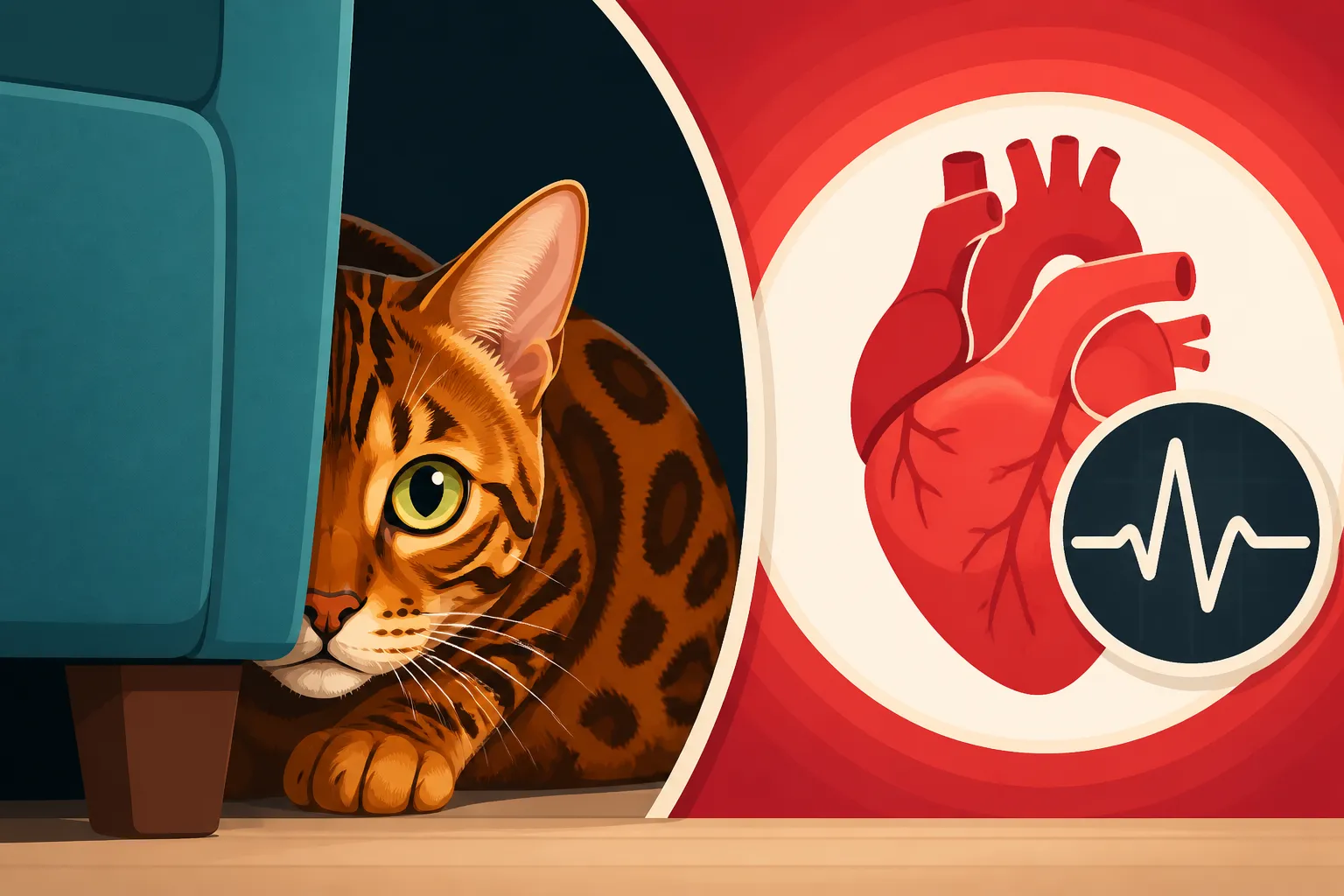
For instance, your usually boisterous Bengal, known for its endless energy and acrobatic leaps, might start hesitating before jumping onto the tallest cat tree. Or perhaps they're not engaging in quite as many rigorous play sessions as before, opting instead for a quiet nap in a sunbeam. These aren't overt cries for help; they're whispers. These subtle changes are the early warnings, but they require a keen eye and a deep understanding of your individual cat's baseline behavior to pick up on. Without that awareness, it's easy to miss these crucial indicators until the illness progresses to a point where more noticeable, and often more severe, symptoms appear.
Understanding Bengal Cat Heart Failure: HCM
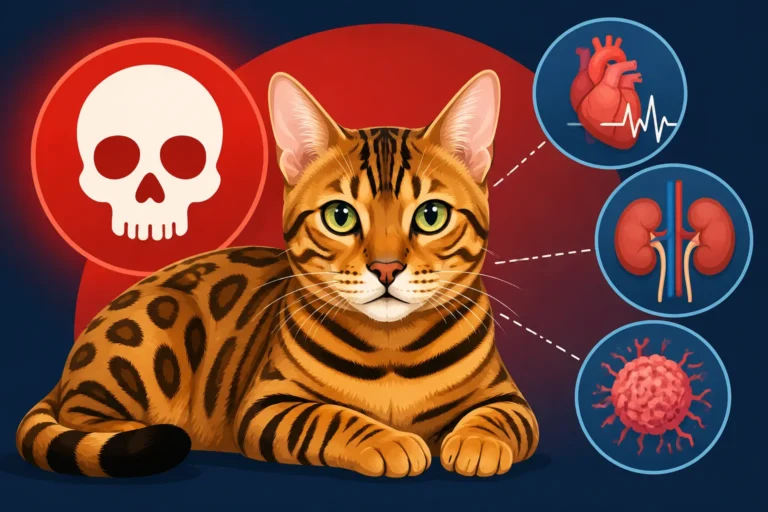
One of the most concerning health issues in Bengal cats is heart failure, often caused by a condition called Hypertrophic Cardiomyopathy, or HCM. It's a silent threat, and understanding it is key to protecting your pet.
What is HCM and Why Bengals Are Prone
Hypertrophic Cardiomyopathy (HCM) is the most common heart disease in cats, and unfortunately, Bengal cats are genetically predisposed to it, just like several other purebreds. In simple terms, What HCM Does to a Bengal Cat's Heart is cause the muscular walls of the heart, particularly the left ventricle, to thicken abnormally. This thickening reduces the heart's ability to pump blood effectively and relax properly to fill with blood. Imagine a powerful engine that can't quite get enough fuel – it struggles to keep everything running.
This genetic predisposition means that even well-bred Bengals from reputable catteries can develop HCM, though responsible breeders strive to screen their lines to reduce its prevalence. The insidious nature of HCM is that it can exist for a long time without any outward signs. The heart gradually works harder and harder to compensate for the thickened muscle, and the cat's natural athleticism and energy often mask the underlying problem. It’s a cruel irony that their vibrant energy can make it harder for us to detect an issue that’s quietly worsening within.
The Gradual Progression of Symptoms
The most challenging aspect of HCM, and why Bengal cats hide its progression so well, is its typically gradual onset. It’s not usually a sudden collapse that alerts you; instead, it's a slow, almost imperceptible decline that your cat valiantly tries to overcome. The Age HCM Appears in a Bengal Cat can vary widely, from young adulthood to later in life, making consistent monitoring crucial throughout their lifespan.
In the early stages, your Bengal might feel completely normal. Their heart is still managing to do its job, albeit with increasing effort. As the disease progresses, the heart's efficiency diminishes further, and fluid can begin to build up in or around the lungs (congestive heart failure). Even at this point, your Bengal's instinct to hide illness kicks in with full force. They might adapt their activity levels ever so slightly, choose quieter spots to rest, or simply become less demonstrative. These small behavioral changes are their attempt to conserve energy and avoid drawing attention to their failing health. It’s only when their body can no longer compensate, when the fluid buildup severely impacts breathing, or the heart rhythm becomes dangerously erratic, that the more obvious and acute symptoms tend to manifest.
Decoding the Subtle Language of a Sick Bengal
Given their propensity for stealth when it comes to illness, learning to read your Bengal cat's subtle cues is paramount. It’s less about looking for glaring signs and more about noticing deviations from their normal vibrant selves.
Behavioral Shifts, Not Dramatic Illness
When a Bengal cat is developing heart failure, you’re often looking for shifts in their typical, high-energy behavior rather than dramatic illness. Your cat might not stop eating altogether or become completely immobile. Instead, think about the gradual decline in their usual zest for life. For instance, if your Bengal usually greets you at the door with excited chirps and rubs, but now they simply lift their head or stay put, that's a change. If they used to demand playtime constantly, but now they settle for one or two short sessions and then retreat, pay attention.
You might notice they're less interested in climbing to their favorite high perch or using their cat wheel with the same enthusiasm. Perhaps they're sleeping a bit more than usual, or seeking out quieter, more secluded spots in the house to nap. These are all subtle indicators that their body is working harder than it should be and they’re trying to conserve energy. Signs a Bengal Cat Has Heart Disease aren't always textbook, and with Bengals, they're rarely an emergency siren. It’s often a slow fading of their typical vivacious personality, a quieter presence in the home. It’s about knowing your cat so well that you notice when their spark dims, even just a little.
Physical Cues That Demand Attention
While behavioral changes are key, there are also subtle physical cues that, when observed carefully, can point towards heart issues. These are often easy to dismiss if you’re not actively looking for them. One of the most critical physical signs involves breathing. Pay close attention to your Bengal’s respiratory rate and effort when they are at rest or asleep. Normally, a resting cat takes between 15-30 breaths per minute, with minimal chest movement. If you notice Signs a Bengal Cat Is Breathing Hard, such as faster breathing (tachypnea), panting (which is very unusual for a cat unless overheated or stressed), or using their abdominal muscles to breathe (belly breathing), these are serious red flags.
Other physical signs might include a subtle cough, which can be mistaken for a hairball if infrequent. Less common, but still important, are changes in gum color – if they appear paler than usual, it could indicate poor circulation. Weight loss, despite maintaining a normal appetite, can also be a sign of increased metabolic demand from a struggling heart. While each of these signs on its own might not seem alarming, especially when your Bengal is still moving around and interacting, their cumulative presence, or even just one persistent change, warrants an immediate veterinary visit. Your vet might also pick up on What a Bengal Cat's Murmur Means during a routine check-up, another subtle clue that the heart needs a closer look.
Proactive Measures and Veterinary Care
Because Bengal cats are so adept at hiding illness, a proactive approach to their health is not just recommended, it's essential. Early detection truly can make a world of difference.
Regular Vet Checks and Specialist Scans
One of the best lines of defense against hidden conditions like heart failure is a commitment to regular veterinary check-ups. Even if your Bengal seems perfectly healthy, annual wellness exams are crucial. Your vet can listen to their heart, check their overall condition, and discuss any subtle changes you’ve observed. However, for a breed prone to HCM, a routine listen with a stethoscope might not be enough.
This is where specialized screening comes in. The gold standard for diagnosing HCM in cats is an echocardiogram – a non-invasive ultrasound of the heart. For Bengals, it’s often recommended that they have their first echo by a board-certified veterinary cardiologist around 1-2 years of age. Understanding When a Bengal Cat Should Have Its First Echo is vital, especially if you have a cat from breeding lines. If the initial scan is clear, your vet or cardiologist will advise you on How Often a Bengal Cat Needs an Echo, which is typically every 1-2 years, depending on their individual risk factors and the cardiologist's recommendations. A specialist's expertise is invaluable, which is why considering Why a Cardiologist Should Scan a Bengal Cat makes so much sense for this breed. These regular scans can catch the thickening of the heart muscle long before symptoms appear, allowing for early intervention.
The Value of Pet Insurance and Early Intervention
Let’s be realistic: specialized veterinary care, particularly regular echocardiograms and potential long-term medication for a condition like HCM, can be a significant financial commitment. This is where the practical side of pet ownership comes into play. Investing in pet insurance, like a comprehensive plan from Healthy Paws, can be an absolute lifesaver. When faced with the need for frequent diagnostic tests and specialist consultations, knowing that a significant portion of the costs could be covered can alleviate immense stress and allow you to make decisions based on what’s best for your cat, not just your wallet.
For example, an echocardiogram can cost several hundred dollars each time, and treatments for heart failure can be ongoing. Pet insurance from providers like Healthy Paws often covers diagnostic tests, specialist visits, and prescribed medications for covered conditions, potentially reducing your out-of-pocket expenses. This financial safety net allows for earlier and more consistent diagnostic testing, which is paramount for a breed that hides illness so well. Catching HCM early, even if it’s asymptomatic, allows your vet to start supportive therapies and monitor the condition closely, potentially slowing its progression and improving your Bengal’s quality of life, extending the answer to How Long a Bengal Cat Lives After an HCM Diagnosis. When a Bengal Cat needs medication for heart disease, a Healthy Paws policy can also help with those ongoing costs, making consistent care more manageable. The initial investment in a policy can truly pay dividends in peace of mind and the well-being of your cherished feline companion.
Disclaimer
This article is intended for informational purposes only and does not substitute for professional veterinary advice. Always consult with a qualified veterinarian for any health concerns or before making any decisions about your pet's health or treatment.