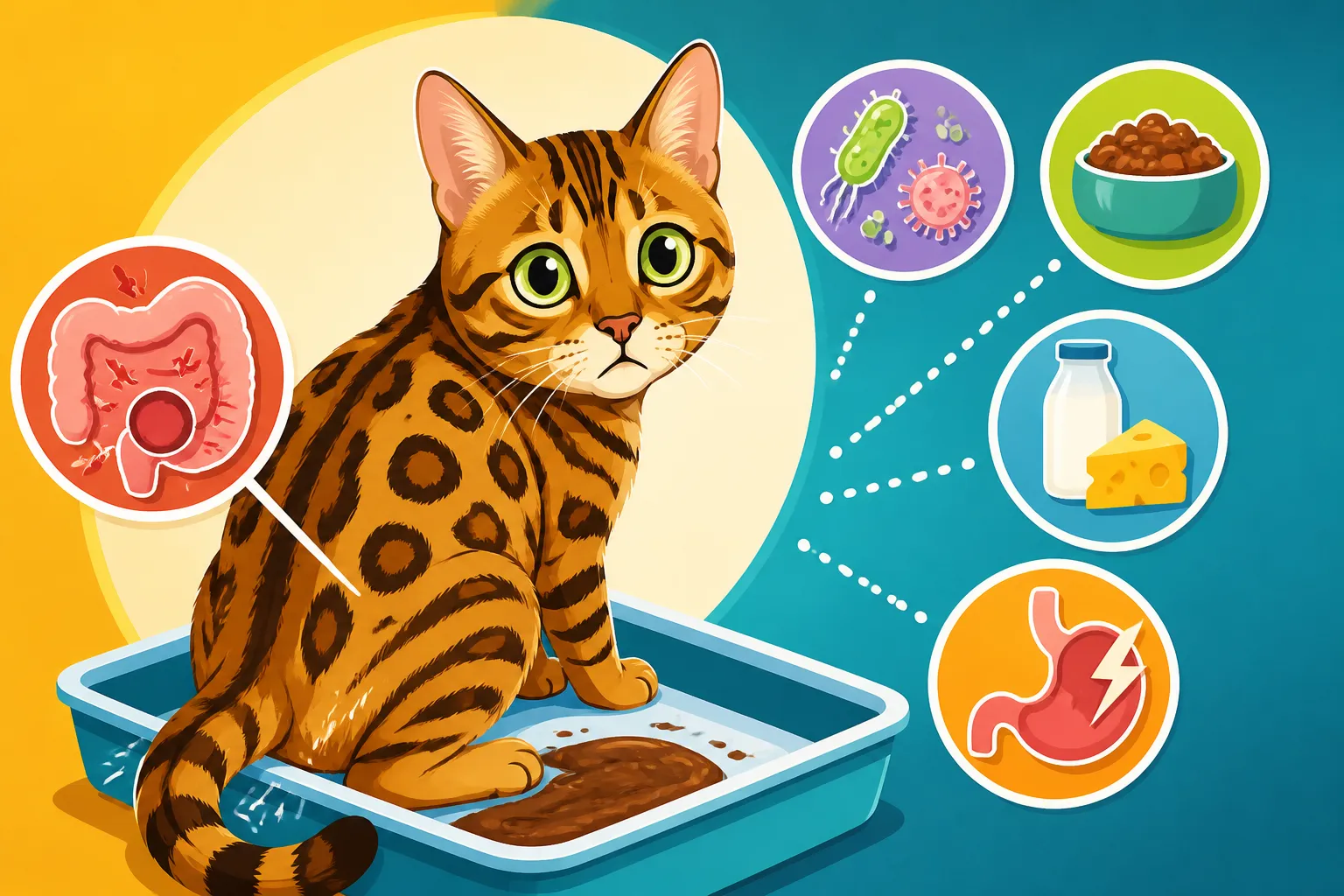
Why a Bengal Cat Gets Chronic Diarrhea
One of the most disheartening things for any Bengal cat parent is seeing their normally vibrant, energetic companion struggling with chronic diarrhea. It's not just messy and inconvenient; it's a constant worry about their comfort, nutrition, and overall health. You might find yourself constantly cleaning litter boxes, agonizing over every meal, and feeling utterly frustrated by the seemingly endless cycle of loose stools. This comprehensive guide is here to shed light on why Bengal cats, in particular, seem so prone to this frustrating issue, and what steps you can take with your veterinarian to find solutions and bring relief to your beloved furball.
The Unsettled Bengal Gut: Why Are They So Prone?
Bengal cats, with their stunning wild looks and boundless energy, are truly special, but their digestive systems often come with a unique set of sensitivities. It's not uncommon for owners to experience ongoing tummy troubles with their Bengals, and there are several reasons why these magnificent felines might struggle with chronic diarrhea more than your average domestic housecat. Understanding these underlying factors is the first step toward managing the problem effectively.
The Wild Ancestry Connection to Gut Sensitivity
Bengals are a hybrid breed, stemming from crosses between the Asian Leopard Cat (ALC) and domestic cats. While selective breeding has aimed to produce a cat with a domestic temperament, some of their wild ancestor's physiological traits, particularly those related to their digestive system, can still be present. In the wild, ALCs have a diet rich in raw prey, which is significantly different from the processed kibble or even canned food many domestic cats consume. This ancestral diet suggests a gut designed for high-protein, low-carbohydrate, and high-moisture foods, along with robust enzymes to break down raw meat and bone.
When a Bengal cat's digestive system, inherently wired with this wild blueprint, encounters highly processed ingredients, grains, or synthetic additives commonly found in commercial cat foods, it can react strongly. This isn't just about pickiness; it's often a genuine inability for their system to properly digest and assimilate these components, leading to inflammation and, you guessed it, chronic diarrhea. It's a bit like expecting a wolf to thrive on potato chips; their biology just isn't set up for it. Many Bengal owners grapple with Why a Bengal Cat's Gut Is So Sensitive They’re not being dramatic; it’s a real challenge.
Stress and Environmental Factors
Beyond genetics and diet, the high-energy and often intensely sensitive nature of Bengal cats makes them particularly susceptible to stress, which can wreak havoc on their digestive health. Bengals thrive on routine, mental stimulation, and a stable environment. Changes, even seemingly minor ones, like rearranging furniture, new pets, visitors, or changes in their owner's schedule, can trigger anxiety. This anxiety often manifests physically, and the gut is frequently the first place it shows up.
A stressed Bengal might develop what's akin to irritable bowel syndrome in humans, where their gut motility is disrupted, leading to bouts of diarrhea. Ensuring your Bengal has ample vertical space, engaging toys, consistent play sessions, and a secure, predictable environment can go a long way in mitigating stress. A quiet, private litter box area is also crucial, as feeling exposed or unsafe while doing their business can contribute to stress-induced digestive issues. Think about how much stimulation The Bengal Cat Is the Most Active Cat You Can Own, and how lack of it could cause stress.
The Unique Bengal Cat Microbiome
The microbiome, the complex community of bacteria, fungi, and other microorganisms living in a cat's gut, plays a pivotal role in digestion, nutrient absorption, and immune function. For Bengal cats, their wild lineage and often specific dietary needs can mean their microbiome is inherently different, and potentially more delicate, than that of other domestic breeds. An imbalance in this microbiome, known as dysbiosis, can lead directly to chronic diarrhea.
Factors like diet changes, antibiotic use, or even underlying illnesses can disrupt this delicate balance. When the "good" bacteria are overwhelmed by "bad" bacteria, or there's a lack of diversity, the gut lining can become inflamed and permeable, leading to malabsorption and loose stools. This is why interventions like probiotics are often considered for Bengals with chronic digestive issues, aiming to restore a healthy gut flora. Maintaining a healthy gut environment is paramount for these sensitive felines, and sometimes it feels like a constant balancing act.
Common Culprits Behind Chronic Diarrhea
When your Bengal cat is experiencing chronic diarrhea, it’s natural to feel overwhelmed trying to pinpoint the cause. There's a wide range of potential issues, from microscopic invaders to dietary sensitivities, and understanding the most common culprits can help you and your vet narrow down the possibilities. This isn't just about throwing treatments at the problem; it's about becoming a detective to solve the mystery of your cat's discomfort.
Parasitic Infections: The Usual Suspects
Parasites are incredibly common, especially in kittens or cats from multi-cat environments, and they are frequent instigators of chronic diarrhea in Bengals. Even indoor cats can pick them up, as eggs can be brought in on shoes, clothing, or other pets.
- Tritrichomonas foetus: This is a particularly notorious culprit in Bengal cats and catteries. It's a microscopic flagellate parasite that specifically targets the large intestine, causing persistent, often foul-smelling, loose stools, sometimes with mucus or fresh blood. The diarrhea can wax and wane, making it seem like your cat is getting better, only for it to return with a vengeance. Diagnosing What Tritrichomonas Does to a Bengal Cat requires specific testing beyond a routine fecal float, usually a PCR test or direct smear analysis, as the organism can be difficult to spot. Treatment often involves a specific antibiotic, Ronidazole, which needs careful veterinary supervision due to potential side effects. The good news is, with proper diagnosis and treatment, it can be cleared.
- Giardia: Another common microscopic parasite, Giardia cysts are shed in feces and can contaminate water or food. Cats often pick it up from shared litter boxes, contaminated water sources, or direct contact with infected feces. Giardia causes chronic, sometimes intermittent, watery to soft diarrhea, often yellowish and greasy, due to malabsorption. It's notoriously hard to eradicate completely and can cause persistent problems if not treated aggressively. Your vet might prescribe drugs like metronidazole or fenbendazole. For more on treatment, check out How a Bengal Cat's Giardia Is Treated.
- Coccidia, Roundworms, Hookworms: While generally more common in kittens, these parasites can cause chronic issues in adult cats, especially if they have a compromised immune system or are continually re-exposed. Routine deworming often targets roundworms and hookworms, but coccidia requires different medication. Even if your Bengal is strictly indoors, regular deworming and fecal checks are a good idea, as eggs can be tracked in from outside.
Bacterial Overgrowth and Imbalances
Just as with parasites, the gut's bacterial balance can go awry, leading to chronic diarrhea. Sometimes, an overgrowth of "bad" bacteria or a deficiency of "good" bacteria can cause significant digestive distress.
- Clostridium perfringens: This bacterium is a common resident in the gut, but when it overgrows, it can produce toxins that irritate the intestinal lining, leading to chronic diarrhea. The diarrhea often has a distinct odor and may contain mucus. Stress, dietary changes, or antibiotic use can trigger an overgrowth. Treatment typically involves specific antibiotics and dietary management, sometimes including probiotics to help restore balance.
- Small Intestinal Bacterial Overgrowth (SIBO): While more recognized in dogs, SIBO can occur in cats too. It happens when bacteria that normally reside in the large intestine migrate and multiply excessively in the small intestine. This interferes with digestion and nutrient absorption, resulting in chronic, watery diarrhea and often weight loss despite a good appetite. Diagnosing SIBO can be challenging and often involves ruling out other causes and potentially a trial of antibiotics.
- Dysbiosis from Antibiotic Use: While antibiotics are crucial for treating bacterial infections, they can also inadvertently harm the beneficial bacteria in the gut. This disruption can lead to a state of dysbiosis, where the gut microbiome is out of balance, resulting in post-antibiotic diarrhea that can become chronic if the balance isn't restored. Probiotics are often recommended alongside or after antibiotic courses to help mitigate this effect.
Food Sensitivities and Allergies
This is a massive area for Bengal cats and probably one of the most common, yet frustrating, causes of chronic diarrhea. It’s not just about an upset stomach; it’s an immune response to certain ingredients.
- Food Intolerance vs. Allergy: It's important to distinguish between the two. A food intolerance means the cat's digestive system struggles to process a particular ingredient (e.g., lactose intolerance). A food allergy is an immune system reaction to a protein in the food, which can cause not only digestive upset but also skin issues like itching or ear infections. Chronic diarrhea is a hallmark sign of both.
- Common Allergens: The most common food allergens for cats are animal proteins like chicken, beef, fish, and dairy. Grains, corn, and soy are also frequent offenders. Because commercial cat foods often contain a mix of these ingredients, it can be incredibly difficult to pinpoint the exact trigger. Owners often find themselves wondering When a Bengal Cat Needs a Special Diet for Its Gut.
- Symptoms Beyond Diarrhea: While diarrhea is the main focus, food sensitivities can also manifest as vomiting, excessive gas, abdominal pain, poor coat quality, and even behavioral changes due to discomfort. A detailed dietary history is critical for your vet to help you identify potential triggers.
Diagnosing the Root Cause: Working with Your Vet
When your Bengal cat has chronic diarrhea, it’s incredibly important to partner closely with your veterinarian. Self-diagnosing and trying various remedies at home can delay proper treatment and even worsen your cat’s condition. A systematic approach, guided by a professional, is the most effective way to identify the underlying cause and develop a successful treatment plan. This can sometimes feel like a long and winding road, but persistence is key for your Bengal's well-being.
The Importance of a Comprehensive Fecal Panel
The first and often most crucial step in diagnosing chronic diarrhea is a thorough examination of your cat's feces. This isn't just about looking for visible worms; it's a deep dive into the microscopic world.
- Standard Fecal Flotation: This test helps identify common intestinal parasites like roundworms, hookworms, and whipworms by concentrating their eggs. However, it's not foolproof, as some parasites, like Giardia, shed intermittently, and others, like Tritrichomonas, don't show up on a standard float.
- Direct Fecal Smear: This involves examining a fresh sample of feces directly under a microscope. It’s particularly useful for identifying motile organisms like Tritrichomonas foetus or Giardia trophozoites, which might be missed on a float. Timing is critical for this test, as these organisms can die quickly.
- PCR Testing: Polymerase Chain Reaction (PCR) tests are incredibly sensitive and can detect the DNA of various parasites and bacteria, even if only small amounts are present. A comprehensive fecal PCR panel is often recommended for chronic diarrhea in Bengals, as it can simultaneously screen for common pathogens like Tritrichomonas, Giardia, Clostridium, Cryptosporidium, and Feline Enteric Coronavirus. This comprehensive approach can save time and provide a clearer picture than individual tests. Understanding What a Bengal Cat's Fecal Panel Costs is important, as these advanced tests can be more expensive but yield invaluable information. Pet insurance plans, like those offered by Healthy Paws, can be incredibly helpful in managing these diagnostic costs.
Dietary Elimination Trials
If parasitic or bacterial causes are ruled out or treated, food sensitivities or allergies become a prime suspect. The gold standard for diagnosing these conditions is a strict dietary elimination trial. This isn't just about switching foods; it's a careful, methodical process.
- The Concept: The idea is to feed your cat a novel protein source (one they've never eaten before) or a hydrolyzed protein diet (where the proteins are broken down into such small pieces that the immune system doesn't recognize them as allergens). This specific diet must be the only thing your cat eats – no treats, no table scraps, no flavored medications, no other pet's food. Even a tiny exposure to the allergen can ruin the trial.
- Duration and Protocol: Elimination trials typically last 8-12 weeks. During this time, your vet will monitor your cat's symptoms closely. If the diarrhea resolves on the novel/hydrolyzed diet, it strongly suggests a food sensitivity.
- Rechallenge Phase: Once symptoms have cleared, your vet might recommend a "rechallenge" phase where previous ingredients are reintroduced one by one. If symptoms return after reintroducing a specific ingredient, you've found the culprit! This step is often skipped if the owner is happy to continue with the successful elimination diet, but it definitively confirms the allergy. Learning When a Bengal Cat Needs a Food Trial is crucial for managing these often complex cases.
Advanced Diagnostics and Specialist Referrals
Sometimes, even after thorough fecal testing and dietary trials, the cause of chronic diarrhea remains elusive. In these more complex cases, your veterinarian might recommend further diagnostics or a referral to a veterinary internal medicine specialist.
- Blood Tests: While not always directly diagnostic for diarrhea, blood work (like a complete blood count and chemistry panel) can assess overall organ function, rule out other systemic diseases, check for signs of inflammation or infection, and evaluate nutrient absorption (e.g., cobalamin and folate levels can indicate small intestinal disease).
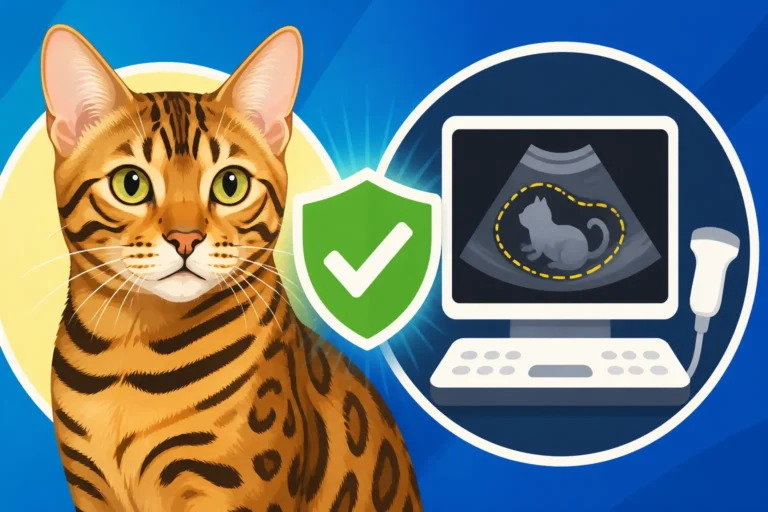
- Abdominal Imaging: X-rays and ultrasound can provide valuable information about the gastrointestinal tract and other abdominal organs. An ultrasound, in particular, allows the vet to assess the thickness of the intestinal walls, look for foreign bodies, tumors, or other structural abnormalities that might be contributing to the diarrhea.
- Endoscopy and Biopsies: For persistent, unexplained chronic diarrhea, especially if inflammatory bowel disease (IBD) is suspected, an endoscopy might be recommended. This procedure involves inserting a tiny camera into the GI tract to visually inspect the lining and collect small tissue samples (biopsies). These biopsies are then examined by a veterinary pathologist to diagnose conditions like IBD, specific enteropathies, or even certain cancers. Understanding Whether IBD Is Common in Bengal Cats is important, as it's a condition that often requires this level of diagnostic investigation.
- Specialist Referrals: A veterinary internal medicine specialist has advanced training and expertise in diagnosing and managing complex medical conditions, including challenging gastrointestinal diseases. They often have access to more specialized equipment and a deeper understanding of rare conditions. Don't hesitate to discuss this option with your primary vet if progress is slow.
Managing Chronic Diarrhea: Treatment and Prevention Strategies
Once the root cause of your Bengal's chronic diarrhea has been identified, a targeted treatment plan can be put into action. However, managing this condition often involves more than just a single pill; it's a multifaceted approach that combines medication, dietary adjustments, and environmental enrichment to support your cat's sensitive system. Patience and consistency are your best friends here.
Medication and Probiotic Support
Depending on the diagnosis, your veterinarian may prescribe specific medications to address the underlying issue. These are often combined with supportive therapies to aid gut recovery.
- Targeted Medications: If a parasitic infection like Tritrichomonas or Giardia is confirmed, specific antiparasitic drugs will be prescribed, such as Ronidazole for Tritrichomonas or Fenbendazole for Giardia. For bacterial overgrowths, antibiotics might be necessary, but these are used cautiously to avoid further disrupting the gut microbiome. In cases of inflammatory bowel disease, anti-inflammatory medications like corticosteroids may be used to calm the immune response in the gut. These medications need to be administered exactly as prescribed, and your vet will monitor your Bengal closely for any side effects.
- Probiotics: These beneficial microorganisms are often a cornerstone of treatment for chronic diarrhea, regardless of the cause. Probiotics help to restore balance to the gut microbiome, introduce good bacteria, and can even have anti-inflammatory effects on the intestinal lining. They are particularly useful after antibiotic courses or during periods of stress. There are many veterinary-specific probiotics available, such as Purina FortiFlora or Nutramax Proviable, which contain strains proven beneficial for cats. You might want to explore Whether Probiotics Help a Bengal Cat to understand their full potential. Administering probiotics consistently, as directed by your vet, can significantly support gut health and help firm up stools over time.
- Prebiotics and Fiber: Prebiotics are non-digestible food ingredients that stimulate the growth and activity of beneficial bacteria in the colon. Fiber, when used appropriately, can also help regulate gut motility and absorb excess water, firming up stools. Your vet might recommend specific fiber supplements or diets formulated with a balanced fiber content to aid your Bengal's digestion.
Tailoring the Right Diet
Dietary management is often the most critical, and sometimes the most challenging, aspect of managing chronic diarrhea in Bengal cats. Given their ancestral diet and sensitive systems, what they eat can make all the difference.
- Novel Protein or Hydrolyzed Diets: As discussed in the diagnostic section, these diets are invaluable if food sensitivities are suspected. They provide a safe, non-allergenic food source that allows the gut to heal. Once a successful diet is found, many Bengals may need to remain on it long-term. Brands like Royal Canin Hydrolyzed Protein or Hill's Prescription Diet z/d are common veterinary options. It's vital to ensure only this food is consumed.
- High-Quality, Digestible Foods: Even if a full elimination diet isn't needed, switching to a high-quality, highly digestible cat food with limited ingredients can be beneficial. Look for foods with a single, identifiable protein source (e.g., "duck" not "poultry meal") and limited fillers. These foods are designed to be easy on the digestive system, allowing for maximum nutrient absorption and minimizing waste. This often means focusing on the right protein percentage, as explored in articles like Which Protein Percentage Suits a Bengal Cat.
- Raw or Home-Cooked Diets: Some Bengal owners swear by raw or home-cooked diets, believing they align better with their cat's wild ancestry. If you consider this route, it's absolutely crucial to work with a veterinary nutritionist. Raw diets, if not balanced correctly, can lead to serious nutritional deficiencies or introduce pathogens. A vet nutritionist can formulate a complete and balanced home-cooked diet that meets all your Bengal's nutritional needs and avoids specific triggers. Delve into Whether a Raw Diet Suits a Bengal Cat's Gut for a deeper discussion.
- Meal Frequency: Instead of one or two large meals, smaller, more frequent meals (3-4 times a day) can sometimes be easier on a sensitive digestive system, preventing overload and promoting better digestion. Ensure your Bengal always has access to fresh, clean water, perhaps even from a water fountain, as hydration is crucial when dealing with diarrhea.
Environmental Enrichment and Stress Reduction
Remember how stress can trigger diarrhea in Bengals? Addressing this is a non-negotiable part of the management plan. Creating a calm, stimulating, and predictable environment is key.
- Vertical Space and Scratching Posts: Bengals are climbers! Provide tall cat trees, wall-mounted shelves, and secure scratching posts (sisal, cardboard, or wood) to allow them to express natural behaviors and survey their territory from above. This helps them feel secure and provides outlets for their energy, reducing anxiety.
- Interactive Play: Daily, dedicated interactive play sessions with wand toys or laser pointers are essential. Bengals need to "hunt" and burn off energy. Aim for at least 15-20 minutes, two to three times a day. This mental and physical exertion helps alleviate boredom and stress.
- Puzzle Feeders and Foraging Toys: These items make mealtime a stimulating activity, mimicking natural hunting behaviors. They can also slow down eating, which can be beneficial for digestion.
- Consistent Routine: Cats thrive on routine. Try to feed, play, and interact with your Bengal at roughly the same times each day. Predictability helps reduce anxiety.
- Safe Retreats: Ensure your Bengal has quiet, private spaces where they can retreat and feel safe, especially if there are other pets, children, or frequent visitors in the home.
- Pheromone Diffusers: Products like Feliway diffusers release synthetic feline facial pheromones that can help create a calming environment for many cats, reducing anxiety-related behaviors, including digestive upset.
Long-Term Outlook and Living with a Sensitive Bengal Gut
Living with a Bengal cat prone to chronic diarrhea can be a lifelong journey, but it doesn't mean a life of constant struggle for either of you. With proper management, vigilance, and a close partnership with your veterinarian, many Bengal cats with sensitive guts can lead happy, healthy, and comfortable lives. The key is understanding that this isn't a "one-and-done" fix; it's an ongoing commitment to their specific needs.
Recognizing Flare-Ups and Early Intervention
Even with the best management plan, a Bengal cat with a sensitive gut might still experience occasional flare-ups of diarrhea. Learning to recognize the early signs of these episodes is crucial for swift intervention, which can often prevent a minor upset from becoming a full-blown crisis.
- Changes in Stool Consistency: This is the most obvious sign. While a fully normal Bengal stool should be firm and well-formed, keep an eye out for anything softer than usual, even if it's not yet full-blown liquid diarrhea. Softer stools, a change in color, or the presence of mucus or blood are all red flags.
- Behavioral Cues: Your Bengal might exhibit subtle changes in behavior. They might be a bit more lethargic, hide more often, show a decreased appetite, or even be more vocal or clingy due to discomfort. Some cats might even start avoiding the litter box if they associate it with pain or discomfort.
- Increased Grooming or Abdominal Discomfort: Some Bengals might lick their anal area excessively due to irritation, or seem to protect their abdomen if it's tender. Watching for these nuanced signs can help you react before things escalate.
- Early Action: At the first sign of a flare-up, contact your vet. They might recommend a short course of a specific probiotic, a temporary change to a bland diet (like boiled chicken and rice, if your cat tolerates it), or a re-evaluation of their current treatment plan. Timely intervention can often prevent dehydration and further irritation of the gut lining. Having pet insurance, such as a plan from Healthy Paws, can provide peace of mind that you can seek veterinary care quickly without immediate financial stress during these unpredictable flare-ups.
The Role of Preventative Care and Regular Check-ups
Just like any other aspect of their health, ongoing preventative care is paramount for managing a Bengal's sensitive digestive system. Regular veterinary check-ups allow for early detection of potential issues and ensure that their long-term management plan remains effective.
- Annual or Bi-Annual Vet Visits: These appointments are not just for vaccinations. Your vet will perform a thorough physical exam, discuss any changes you've noticed, and may recommend routine blood work or fecal exams to screen for underlying conditions or recurrent parasites. Even if your Bengal seems fine, these check-ups are vital for proactive health management.
- Consistent Parasite Control: Even if your Bengal is indoor-only, discuss a regular deworming schedule with your vet, especially if you have other pets that go outdoors or if their history suggests a susceptibility to parasites. This proactive approach can prevent many common causes of chronic diarrhea.
- Dietary Consistency: Once you find a diet that works for your Bengal, try to stick with it. Frequent changes, even to other "good" foods, can sometimes trigger digestive upset. If you must change their food, do so very gradually over 7-10 days, mixing increasing amounts of the new food with decreasing amounts of the old.
- Stress Management: Continuously evaluate your Bengal's environment for potential stressors. Are they getting enough mental and physical stimulation? Is their living space stable and secure? Regular engagement and a predictable routine are powerful tools in preventing stress-related digestive issues.
- Monitoring Overall Health: Remember that the gut is closely linked to the immune system and overall health. A strong immune system can better fend off pathogens and manage inflammatory responses. Ensuring your Bengal receives a balanced diet, regular exercise, and minimal stress contributes to a robust immune system and, by extension, a healthier gut. It's all connected, and a holistic approach often yields the best long-term results.
Disclaimer
This article is for general informational purposes only and does not constitute professional advice. Laws, prices and regulations vary by location and change over time. Consult a qualified professional for guidance on your specific situation.