What a Bengal Cat’s Fecal Panel Costs
One of the most unsettling moments for any Bengal cat owner is when your energetic, playful companion suddenly experiences digestive distress, particularly chronic diarrhea. It's a common, frustrating problem that often leads to a visit to the vet and the inevitable recommendation for a fecal panel. Understanding what this diagnostic test involves and what factors contribute to its cost can help you prepare financially and emotionally for managing your Bengal's unique health needs. This guide aims to shed light on the expenses associated with a Bengal cat's fecal panel, detailing what these costs cover and how you can plan for them.
The Critical Importance of Fecal Panels for Your Bengal Cat's Health
Bengals are stunning cats, known for their wild appearance and boundless energy, but they also come with a reputation for sensitive stomachs. This isn't just an old wives' tale; many owners find themselves navigating a world of digestive issues with their beloved companions. When your Bengal starts showing signs of discomfort, like loose stools or persistent diarrhea, a fecal panel isn't just a suggestion—it's often the first crucial step to pinpointing the problem and getting them back to their vibrant selves.
Understanding the Bengal Cat's Sensitive Digestive System
The truth is, many Bengal cat owners wrestle with finicky eaters or cats prone to upset stomachs. It's almost a rite of passage! From their earliest days as kittens, many Bengal cats seem to have guts that are easily thrown off balance. This sensitivity can stem from various factors, including their unique genetics and the higher-energy demands of their active lifestyle, which can make them more susceptible to certain parasites or dietary sensitivities. When something is off, it can manifest quickly and dramatically, often leaving you wondering what went wrong. I’ve heard countless stories, and experienced some myself, of Bengals who thrive one day and are suddenly struggling with Why a Bengal Cat's Gut Is So Sensitive the next.
Why Regular Screening Isn't Just for Kittens
While kittens are particularly vulnerable to parasites due to their developing immune systems, adult Bengal cats are by no means immune. Even if your cat seems perfectly healthy, routine fecal screenings, often done as part of annual wellness exams, are a proactive measure. These regular checks can catch issues before they become severe, potentially saving you a lot of heartache and a much larger vet bill down the line. Imagine discovering a mild parasitic infection during a routine check-up, allowing for quick, inexpensive treatment, rather than dealing with an advanced case that requires extensive, costly intervention and prolonged recovery. It’s about prevention, not just reaction.
The Silent Threat of Parasites
Many common parasites can wreak havoc on a Bengal cat's digestive system, often without immediate, obvious symptoms until the infection is quite advanced. Internal parasites like roundworms, hookworms, coccidia, and giardia are notorious for causing anything from mild digestive upset to severe dehydration and malnutrition. Some, like Tritrichomonas foetus, are particularly tricky to diagnose and treat, leading to persistent, frustrating bouts of chronic diarrhea that can last for months or even years. These silent invaders thrive unseen, slowly draining your cat's health and vitality. Knowing that your Bengal is susceptible to these issues is why the fecal panel becomes such an invaluable tool for their overall well-being.
Decoding the Fecal Panel: What Tests Are You Paying For?
When your vet recommends a "fecal panel," it's not just one single test. It's a collection of diagnostic procedures designed to identify different types of intestinal parasites, bacteria, and other indicators of gastrointestinal health. Each component of the panel serves a specific purpose, and the overall cost reflects the complexity and labor involved in running these tests. Don't be afraid to ask your vet exactly what they are testing for; a good practice will always be transparent.
The Standard Fecal Flotation: Basic but Essential
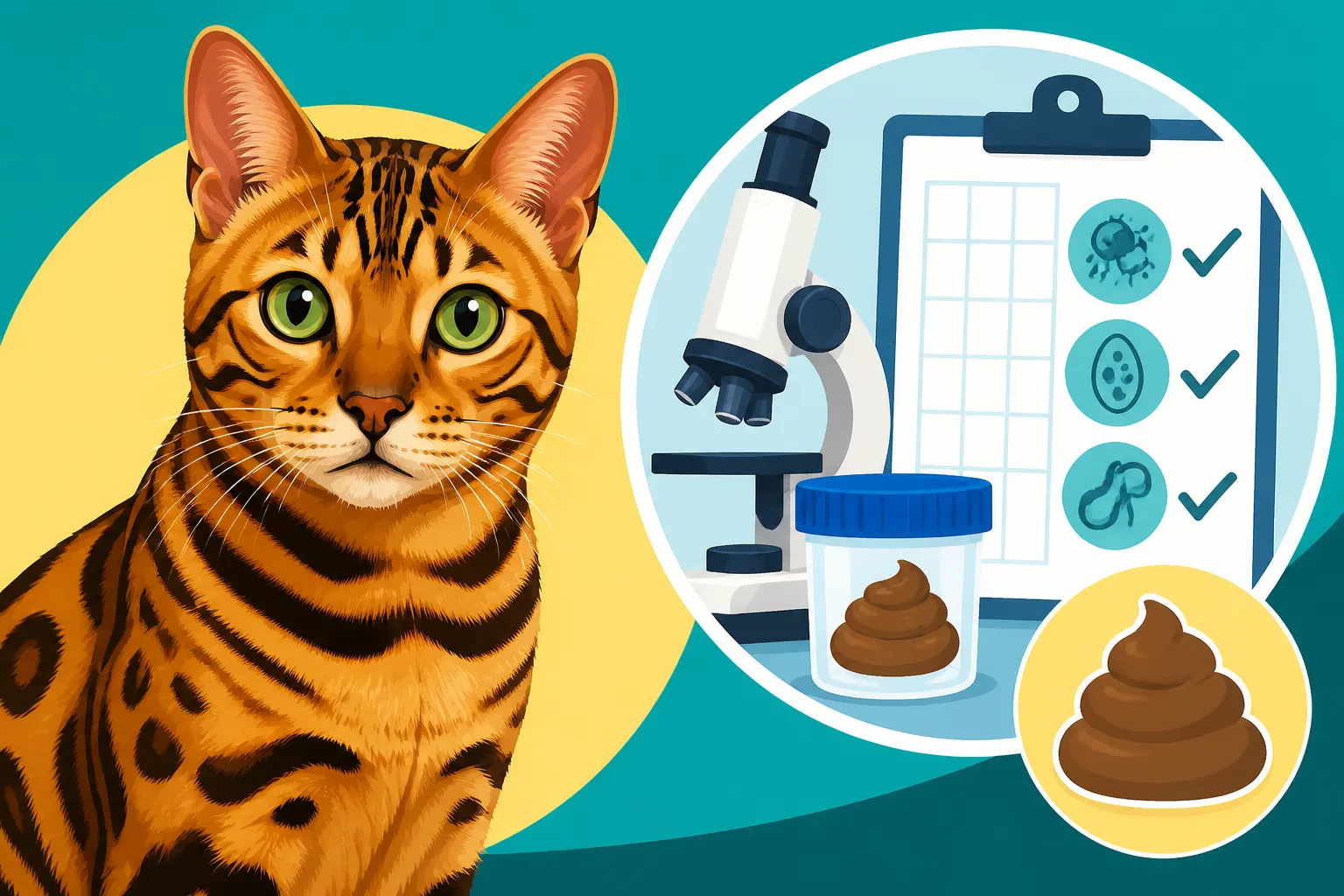
The most common and foundational part of any fecal panel is the fecal flotation test, sometimes called a fecal ovum and parasite (O&P) exam. This test involves mixing a small stool sample with a special solution that causes parasite eggs, cysts, and some larvae to float to the top. This concentrate is then examined under a microscope by a trained technician. It's excellent for detecting common parasites like roundworms, hookworms, and whipworms, as well as some types of tapeworm segments and coccidia. While it's a relatively inexpensive test, its effectiveness depends on the parasite's shedding cycle and the technician's skill. It's a solid first line of defense, but it doesn't catch everything, especially those sneaky parasites that don't float well or shed intermittently.
Advanced Diagnostics: PCR and Antigen Tests
For those persistent or harder-to-diagnose cases, veterinarians often turn to more advanced diagnostics, particularly PCR (Polymerase Chain Reaction) and antigen tests. PCR tests detect the actual DNA of parasites and certain bacteria, offering incredibly high sensitivity, even if only a tiny amount of the pathogen is present. This is particularly useful for parasites like Tritrichomonas foetus, which can be notoriously difficult to find with standard flotation. Antigen tests, on the other hand, look for specific proteins produced by the parasites themselves, rather than eggs. Both PCR and antigen tests are far more accurate than simple flotation for certain parasites, notably Giardia. These advanced tests are more labor-intensive and require specialized equipment, which naturally makes them a more significant investment. When your Bengal is really struggling with Chronic Diarrhea Is the Bengal Cat Complaint Nobody Warns About, these tests are often the key to unlocking a diagnosis.
Specialized Testing for Persistent Issues
Sometimes, even after standard and advanced panels, a Bengal cat might continue to exhibit symptoms, or the vet might suspect a less common issue. This is where truly specialized tests come into play. These could include specific bacterial cultures to identify problematic gut bacteria, tests for viral infections that affect the GI tract, or even endoscopic biopsies if inflammatory bowel disease (IBD) is suspected. These specialized investigations are typically reserved for complex cases where initial diagnostics have not yielded clear answers. They are often performed at specialty veterinary labs or referral centers, adding to their cost and complexity. While it's not what any pet owner wants to hear, these tests are invaluable when your cat's health hangs in the balance, pushing towards a definitive diagnosis that can finally bring relief.
| Test Type | What It Detects | Primary Method | Typical Cost Implication | When It's Used |
|---|---|---|---|---|
| Fecal Flotation | Roundworms, Hookworms, Whipworms, Coccidia | Microscope examination of floating eggs/cysts | Moderate | Routine checks, initial diarrhea investigation |
| Giardia Antigen ELISA | Giardia specific proteins | Immunoassay to detect antigens | Moderate to High | Suspected Giardia, chronic diarrhea |
| Tritrichomonas PCR | Tritrichomonas foetus DNA | Molecular test detecting parasite DNA | High | Persistent chronic diarrhea, especially in kittens |
| Fecal Cytology | Yeast, abnormal bacteria, inflammatory cells | Microscope examination of stained fecal smear | Low to Moderate | Diarrhea with unusual characteristics |
| Bacterial Culture | Specific pathogenic bacteria (e.g., Salmonella) | Growing bacteria in a lab | High | Severe, unresponsive diarrhea, suspected bacterial |
Factors Shaping the Cost of Your Bengal Cat's Fecal Panel
It's natural to wonder why the cost of a fecal panel can seem to vary so much, even for what appears to be the same service. Just like human healthcare, veterinary costs are influenced by a multitude of factors, from where you live to the specific expertise of the professionals involved. Understanding these variables can help you anticipate the potential financial outlay when your Bengal needs a diagnostic work-up.
Geographic Location and Veterinary Practice Differences
Where you live can play a surprisingly large role in how much you pay for veterinary services, including fecal panels. A bustling urban area like Los Angeles or New York City, with its higher overheads and cost of living, will almost certainly have higher prices than a rural clinic in, say, Kansas or Montana. Even within the same city, costs can fluctuate between different veterinary practices. Some clinics might be part of a larger corporate chain, while others are independent, family-run practices, each with different pricing structures and access to in-house lab equipment versus outsourcing. Don't be shy about calling a few local vets to compare their standard fees for these diagnostics—it's a smart move for any savvy pet parent.
The Range of Tests Requested by Your Veterinarian
As we've discussed, a "fecal panel" isn't a single entity. The cost directly correlates with the number and type of tests your veterinarian deems necessary. A basic flotation test will always be the most economical option. However, if your vet suspects something more insidious, like What Tritrichomonas Does to a Bengal Cat, they might recommend a full panel that includes a Giardia antigen test and a Tritrichomonas PCR test right from the start. Each additional test adds to the overall bill because it requires more reagents, technician time, and specialized equipment. It's a balance between thoroughness and cost, and your vet will usually discuss the options and their rationale with you, especially if you're concerned about your What a Bengal Cat Costs Over Its Lifetime.
Emergency Situations and Additional Procedures
Sometimes, digestive issues escalate quickly, especially with a breed as active as a Bengal. If your cat suddenly develops severe, bloody diarrhea, extreme lethargy, or other alarming symptoms, you might find yourself rushing to an emergency veterinary clinic outside of regular hours. Emergency services inherently carry higher fees, and diagnostics performed under urgent circumstances can also be more expensive. Furthermore, if the fecal panel reveals a severe infection or other health issue, additional procedures might be necessary right away, such as IV fluids for dehydration, anti-parasitic medications, or even hospitalization. These add-on treatments, while crucial for your cat's recovery, will certainly increase the total bill beyond just the diagnostic cost. It’s always important to remember that prompt action often means less severe intervention, so keeping a close eye on your Bengal’s stools is vital.
Strategies for Managing and Budgeting for Fecal Panel Costs
While the cost of diagnostics can be daunting, there are practical steps you can take to manage these expenses and ensure your Bengal cat receives the care they need without breaking the bank. A little planning and proactive effort can go a long way in preparing for the unexpected.
The Role of Pet Insurance in Covering Diagnostic Fees
Pet insurance can be an absolute lifesaver when unexpected vet bills arise, and diagnostic tests like fecal panels are often covered, depending on your policy. Plans from providers like Healthy Paws typically help reimburse a percentage of your eligible veterinary expenses after your deductible is met. It’s crucial to read the fine print: some policies might have waiting periods before certain conditions or tests are covered, and pre-existing conditions are usually excluded. However, for new or unforeseen illnesses, having pet insurance can significantly ease the financial burden of extensive diagnostic work-ups and subsequent treatments. It truly offers peace of mind when your cat is experiencing something like chronic diarrhea, knowing you won't have to choose between your wallet and their well-being.
Proactive Care: Diet, Prevention, and Routine Vet Visits
One of the best ways to mitigate the costs of fecal panels and subsequent treatments is through proactive care. Feeding your Bengal a high-quality, appropriate diet can do wonders for their gut health. Many Bengal owners find success with specialized diets designed for sensitive stomachs, or even fresh food options, which can sometimes help reduce digestive upsets. Regular deworming, as recommended by your vet, is also a key preventative measure. Furthermore, maintaining routine wellness exams allows your vet to catch potential problems early, often when they are easier and less expensive to treat. Remember, a Bengal cat with a healthy gut is less likely to need expensive, repeated fecal panels, especially if you're mindful of their diet and environment. Consider exploring different food options on platforms like Chewy to find what truly works best for your sensitive companion.
Finding Affordable and Reliable Veterinary Care
It's perfectly acceptable to shop around for veterinary care, especially for non-emergency situations. Don't be afraid to call different clinics in your area and inquire about their fees for a standard fecal panel. Some veterinary schools or larger animal hospitals might offer diagnostic services at a slightly reduced cost, or have specialized internal medicine departments that can offer clearer diagnostics for complex cases. Additionally, many communities have low-cost clinics or humane society veterinary services that provide essential care, including diagnostics, at more accessible prices. While you certainly don't want to compromise on quality of care, finding a clinic that aligns with your budget and offers excellent service is a completely reasonable goal for any pet owner.
Disclaimer
This article is for general informational purposes only and does not constitute professional advice. Laws, prices and regulations vary by location and change over time. Consult a qualified professional for guidance on your specific situation.