Whether a High Protein Food Costs a Bengal Cat Owner More
It's a common worry among Bengal cat owners and prospective parents: does feeding my energetic, wild-looking companion the high-protein diet they truly need mean breaking the bank? The idea that these magnificent felines require a more specialized diet often brings up concerns about inflated grocery bills. This guide will delve into whether high-protein cat food genuinely costs a Bengal owner more, breaking down the factors that influence price and exploring the long-term value of investing in quality nutrition for your spotted friend.
Why Bengal Cats Thrive on High-Protein Foods
If you've ever spent more than five minutes with a Bengal cat, you know they are not your average couch potato. These cats are bundles of lean muscle and boundless energy, always ready for the next adventure, whether it's scaling the highest cat tree or engaging in an epic game of fetch. Their dietary needs are intrinsically linked to this vibrant, active lifestyle and their wild ancestry.
The Energetic Lifestyle of a Bengal Cat
Bengals are incredibly active creatures. They jump higher, run faster, and play with an intensity that can leave other cat breeds in their dust. This isn't just a quirk of their personality; it's a fundamental part of their physiology. All that climbing, chasing, and exploring burns a significant number of calories every single day. Think about it: your Bengal probably cycles through several vigorous play sessions, dashes around the house, and explores every nook and cranny. This constant motion means their bodies are constantly working, and they need the right fuel to sustain it.
This level of activity directly translates into a higher metabolic rate and a greater demand for energy. Just like a human athlete needs a diet rich in macronutrients to support their training, a Bengal cat requires a diet that can keep pace with their incredible energy output. Without adequate, high-quality fuel, their performance, and indeed their overall health, could suffer. For more on their activity, you might find The Bengal Cat Is the Most Active Cat You Can Own insightful.
Mimicking a Wild Ancestral Diet
At their heart, Bengal cats still carry a significant genetic legacy from their wild ancestor, the Asian Leopard Cat. This isn't just about their stunning spots and powerful build; it extends to their digestive system and nutritional requirements. In the wild, small felines are obligate carnivores, meaning their diet consists almost exclusively of meat. This diet is naturally very high in protein and fat, with minimal carbohydrates.
When we choose a diet for our domestic Bengal cats, the goal is often to mimic this ancestral diet as closely as possible. A high-protein diet provides the essential amino acids that Bengals need to build and maintain their impressive muscle mass. It supports their lean physique and contributes to their overall vitality. Ignoring this fundamental biological need can lead to a host of health problems, from dull coats to compromised immune systems, and even issues with their notorious sensitive stomachs. The argument for a species-appropriate diet is strong, and you can learn more about it in The High Protein Argument for a Bengal Cat.
Decoding High-Protein Cat Food Labels
Stepping into the pet food aisle can feel like navigating a maze, especially with all the marketing claims about "premium," "natural," and "high-protein" foods. Knowing what to look for on a label is crucial to ensure you're actually getting a high-protein diet that benefits your Bengal, rather than just paying a higher price for cleverly worded packaging.
What "High Protein" Really Means for Your Cat
For a cat, "high protein" generally means a diet where protein makes up a significant percentage of the total caloric content, often upwards of 30-40% on a dry matter basis. However, it's not just about the percentage; it's also about the source and digestibility of that protein. Cats require animal-based protein because they need specific amino acids, like taurine, that are only found in meat. Plant-based proteins simply don't cut it for these obligate carnivores.
When you look at an ingredient list, the first few ingredients are the most important. You want to see real meat sources listed prominently. This could be chicken, turkey, beef, lamb, or fish. Terms like "chicken meal" or "turkey meal" are also acceptable, as these are concentrated forms of meat protein with the water removed, making them very nutritious. What you want to be wary of are foods that list grains, corn, soy, or excessive plant-based proteins as the first few ingredients, as these indicate a lower quality, less appropriate protein profile for a Bengal cat.
Understanding Ingredient Quality and Protein Sources
The quality of the protein sources makes a huge difference, not just in nutritional value but often in cost. Whole, named meats (e.g., "deboned chicken") or high-quality meat meals (e.g., "chicken meal") are generally superior to generic "meat by-products" or plant-derived proteins. While "by-products" aren't inherently bad if they come from a reputable source (they can include organ meats which are very nutritious), vague terms can sometimes mask lower quality ingredients.
Some brands, like those found on Chewy, offer an extensive range of high-protein options, allowing you to compare ingredients and quality levels easily. You might notice that foods featuring novel proteins like venison or duck, or those with a very short, clean ingredient list focused solely on meat, tend to command a higher price. This is because these ingredients are often more expensive for manufacturers to source and process. Ultimately, better ingredients mean a more bioavailable and digestible protein for your Bengal, which can contribute to better health and less waste, potentially offsetting some of the initial cost.
The Actual Cost Difference: High Protein vs. Conventional Cat Food
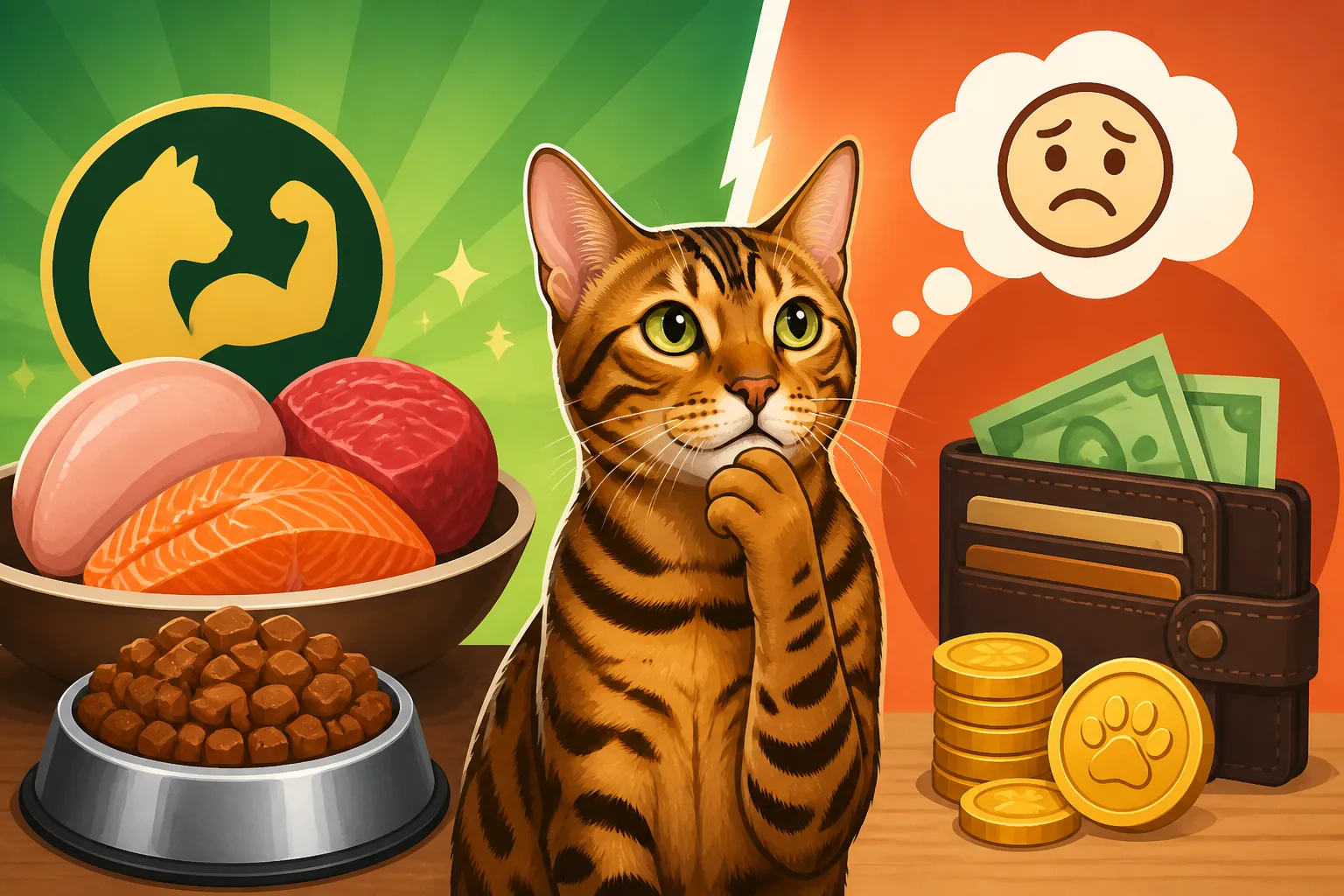
Let's address the elephant in the room: yes, high-protein cat food can indeed come with a higher price tag than conventional, filler-heavy diets. However, it's crucial to look beyond the initial sticker price and consider the long-term implications and overall value for your Bengal cat.
Upfront Price Tag Shock
When you compare a bag of premium, high-protein Bengal-appropriate food to a standard supermarket brand, the price difference can be noticeable. You might see a dollar amount per bag or per can that makes you pause. This isn't just marketing; it reflects the cost of sourcing higher quality, animal-based ingredients and the often more meticulous manufacturing processes involved. A food that features real chicken or salmon as its first ingredient, with fewer cheap fillers, simply costs more to produce.
For instance, if you're exploring fresh, human-grade, high-protein meals, the cost per serving will likely be higher than a bag of dry kibble. However, this is where the “you get what you pay for” adage often rings true. That higher upfront cost is an investment in nutrient density and digestibility. Your Bengal might eat less of a high-quality food because it's more satisfying and provides more concentrated nutrition, meaning a bag could last longer than you initially expect from a cheaper, less dense alternative.
Long-Term Value and Health Benefits
This is where the true cost-effectiveness of a high-protein diet often reveals itself. While the initial outlay might be more, the long-term health benefits for your Bengal can potentially lead to fewer vet visits and a healthier, happier cat. Bengal cats, as you may know, can be prone to certain digestive sensitivities. Why a Bengal Cat's Gut Is So Sensitive is a common concern among owners. A diet rich in easily digestible animal protein and free from common irritants like excessive grains or artificial additives can significantly improve digestive health, leading to fewer bouts of chronic diarrhea and a more stable gut.
Consider the cost of vet visits, diagnostic tests, and prescription medications for issues that could be exacerbated or even caused by a suboptimal diet. These costs can quickly dwarf the extra expense of premium food. Investing in high-quality nutrition upfront is often seen as preventative care. A Bengal cat thriving on a species-appropriate diet is less likely to suffer from obesity, diabetes, dental problems, and a host of other ailments that poor nutrition can contribute to. This can translate to significant savings over your cat's lifetime, not to mention the invaluable peace of mind that comes from knowing you're providing the best for your beloved companion. Many owners report that their What a Bengal Cat Costs Over Its Lifetime is reduced by focusing on preventative care.
For those who are concerned about unexpected vet bills, pairing a high-quality diet with pet insurance from providers like Healthy Paws can offer a comprehensive approach to managing your Bengal's health expenses, covering a wide range of illnesses and accidents that might still arise, even with the best diet.
| Feature | High-Protein Cat Food (Bengal Appropriate) | Conventional Cat Food (Lower Protein) |
|---|---|---|
| Typical Cost | Generally higher per pound/serving | Generally lower per pound/serving |
| Primary Ingredients | Named animal proteins (chicken, fish, beef) first | Grains, corn, soy, or generic by-products often first |
| Nutrient Density | Higher, more concentrated nutrients | Lower, more fillers |
| Digestibility | High, due to species-appropriate ingredients | Variable, can be harder for cats to digest |
| Long-Term Health | Supports lean muscle, energy, potentially fewer issues | May contribute to weight gain, digestive problems |
| Meal Frequency | May eat less due to satiety and nutrient density | May eat more to feel full due to lower nutrient density |
Beyond the Bag: Comprehensive Dietary Costs
While the price of the food itself is a major factor, a Bengal cat's complete dietary needs can involve more than just kibble or wet food. Understanding these additional costs helps paint a fuller picture of what it truly means to feed these special cats.
Treats, Supplements, and Special Diets
Just like us, our Bengals enjoy treats! However, for a cat on a high-protein diet, it's important that treats align with their nutritional needs. High-protein, meat-based treats are ideal, but these often come at a slightly higher price point than sugary or grain-filled alternatives. Investing in good quality treats ensures you're not undermining their main diet with empty calories.
Sometimes, despite a great diet, a Bengal might need supplements. Perhaps your vet recommends a probiotic to support gut health, especially if they've had a sensitive stomach in the past. Or maybe they need a joint supplement as they age, given their active nature. These additions, while beneficial, do add to the monthly cost. Furthermore, if your Bengal develops a specific health condition, such as chronic diarrhea that necessitates a hydrolyzed protein diet or other prescription-grade food, the cost can escalate significantly. These specialized diets, while invaluable for managing certain conditions, are almost always more expensive than even premium over-the-counter options. Understanding When a Bengal Cat Needs a Special Diet for Its Gut is important for any owner.
Wet Food vs. Dry Food Considerations
Many Bengal owners, and indeed many vets, advocate for a diet that includes a significant portion of wet food, if not exclusively wet food. The reason is simple: hydration. Cats naturally have a low thirst drive, and their wild ancestors got most of their moisture from their prey. Dry kibble, by its very nature, is low in moisture. Feeding wet food helps ensure your Bengal stays adequately hydrated, which is vital for kidney and urinary tract health.
However, high-protein wet food is typically more expensive per ounce or per can than high-protein dry kibble. This is a significant factor in the overall monthly feeding budget. While dry food offers convenience and can be free-fed in puzzle feeders to keep your Bengal engaged, the hydration benefits of wet food are hard to ignore. Many owners strike a balance, feeding a combination of high-quality dry food and wet food daily. This way, they get the benefits of both while managing costs. You can explore Why Wet Food Suits a Bengal Cat's Gut for more details on this topic. Ultimately, whether a high-protein diet costs more often comes down to the quality of ingredients, the type of food (wet vs. dry), and any additional supplements or veterinary-prescribed diets your individual Bengal might require. It's an investment, but one that typically pays dividends in health and vitality.
Disclaimer
This article is for general informational purposes only and does not constitute professional advice. Laws, prices and regulations vary by location and change over time. Consult a qualified professional for guidance on your specific situation.