Why Wet Food Suits a Bengal Cat’s Gut
One of the most common frustrations Bengal cat owners face is navigating their furball's notoriously sensitive stomach. It seems like one day they're fine, the next they're dealing with loose stools, and figuring out the root cause can feel like a never-ending puzzle. This comprehensive guide will explain exactly why wet food often provides the ideal solution for a Bengal cat's unique digestive system, helping you keep their gut happy and healthy.
Understanding the Bengal Cat's Unique Digestive System
Bengals are truly special, not just in their stunning appearance but in their physiology too. Their lineage traces back to the Asian Leopard Cat, a wild felid, and this heritage plays a significant role in why their digestive system thrives on certain types of food over others. Understanding this foundational biology is key to unlocking a happier, healthier gut for your Bengal.
The Wild Ancestry and Protein Needs
Imagine the wild jungles where the Asian Leopard Cat, the magnificent ancestor of our domestic Bengals, roams. Their natural diet consists entirely of freshly caught prey – think small rodents, birds, and insects. This isn't a vegetarian smorgasbord or a carb-heavy banquet; it's a diet rich in raw animal protein and fat, with very little in the way of carbohydrates. Their digestive systems have evolved over thousands of years to efficiently process this highly specific type of fuel.
When we welcome a Bengal cat into our homes, we're not just adopting a beautiful spotted companion; we're bringing in an animal whose internal machinery is still largely wired for that wild, carnivorous blueprint. They are obligate carnivores, meaning they must eat meat to survive and thrive. Their bodies are designed to extract nutrients from animal tissue, which means they have a high protein requirement for everything from muscle maintenance to energy levels. A lack of sufficient, digestible animal protein can put undue stress on their system, leading to inefficient digestion and potential gut upset. This is why you'll often hear discussions around The High Protein Argument for a Bengal Cat when talking about their diet.
Furthermore, a Bengal's incredibly active lifestyle means they burn through a significant amount of calories. Their powerful muscles and endless energy demand a constant supply of high-quality protein to support their physique and provide sustained energy. Foods that are difficult for their system to break down or that lack the necessary protein content can leave them feeling sluggish or, more commonly, trigger digestive distress as their body struggles to process inappropriate ingredients. It’s a delicate balance, and often, what looks like a simple kibble might not be meeting these fundamental needs.
The Importance of Hydration for a Feline Gut
Cats, by their very nature, are not big drinkers. This goes back to their desert-dwelling ancestors, who historically obtained most of their hydration from the moisture content of their prey. A mouse, for instance, is about 70-80% water. This means that, unlike dogs or humans who might guzzle from a water bowl throughout the day, a cat's thirst drive is relatively low. This inherent physiological trait, while perfect for survival in arid environments, can become a significant problem for domestic cats fed predominantly dry kibble.
Dry kibble typically contains only about 6-10% moisture. If a cat is relying solely on dry food for sustenance, they would need to drink a tremendous amount of water separately to compensate for this deficit – often more than their natural, low thirst drive encourages. Many cats simply don't drink enough to make up the difference, leading to a state of chronic, low-grade dehydration. You might not even notice it, as it's not always as obvious as extreme thirst.
This subtle but persistent dehydration can have a profound impact on their digestive system and overall health. Insufficient moisture can lead to harder, drier stools, making bowel movements more difficult and potentially causing constipation. It also affects the kidneys and urinary tract, making them more susceptible to issues like urinary crystals, bladder inflammation, or even more serious kidney disease over time. A well-hydrated gut is a happy gut, allowing food to move smoothly through the digestive tract and nutrients to be absorbed efficiently.
Why Wet Food is a Superior Choice for Bengal Guts
Given the Bengal cat's specific physiological needs, particularly their carnivorous heritage and low thirst drive, wet food emerges as a clear frontrunner in supporting their digestive health. It addresses these fundamental requirements in ways that dry kibble simply cannot match, leading to fewer tummy troubles and a more vibrant, energetic cat.
High Moisture Content for Better Digestion
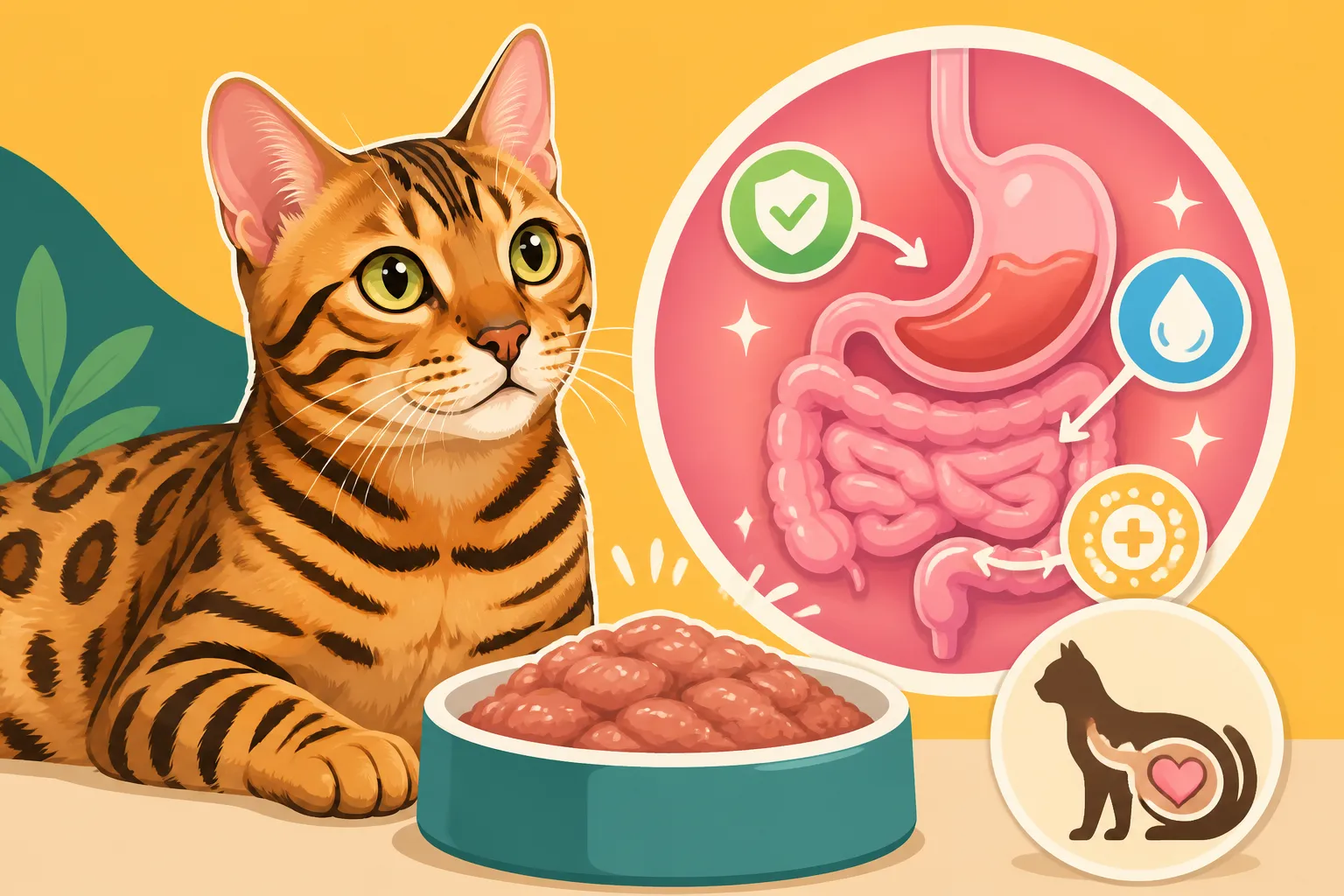
The most immediate and significant benefit of wet cat food is its incredibly high moisture content, typically ranging from 70-85%. This mirrors the moisture found in a wild cat's natural prey, meaning your Bengal is getting a substantial portion of their daily water intake directly from their meals. This built-in hydration is a game-changer for their digestive system.
Think of it like this: well-hydrated food is easier to process. The moisture acts as a lubricant, helping the food move smoothly through the esophagus, stomach, and intestines. It aids in the breakdown of food particles, making nutrient absorption more efficient. For a cat prone to firm or irregular stools, the increased moisture in wet food can make a world of difference, helping to soften the stool and promote regular, comfortable bowel movements. This can be particularly beneficial for Bengals who suffer from chronic diarrhea, as maintaining proper hydration is crucial to gut healing and regularity. Furthermore, better hydration helps keep the mucosal lining of the digestive tract healthy and functioning optimally, which is vital for nutrient uptake and protecting against pathogens.
Higher Protein, Lower Carbohydrate Formulation
Most high-quality wet cat foods are formulated with a significantly higher percentage of animal-based protein and a much lower percentage of carbohydrates compared to their dry counterparts. This nutritional profile aligns perfectly with the Bengal cat's ancestral diet and obligate carnivore needs. Dry kibble often relies on carbohydrates (like corn, wheat, rice, or potatoes) as inexpensive fillers and binders to create the crunchy kibble shape. While cats can technically digest some carbohydrates, their digestive system is not designed to process large quantities efficiently.
Excessive carbohydrates in a Bengal's diet can lead to several problems. They can be difficult to digest, causing fermentation in the gut which results in gas, bloating, and loose stools. High carb content can also lead to rapid spikes and drops in blood sugar, which isn't ideal for their long-term metabolic health. With wet food, you're generally providing a diet that is much closer to what their bodies are truly built for: a concentrated source of highly digestible animal protein. This superior protein content not only supports their lean, muscular physique and high energy levels but also ensures their digestive enzymes are working on the type of food they are best equipped to handle, minimizing digestive upset. This principle is at the heart of Whether a Bengal Cat Really Needs High Protein Food.
Supporting Urinary Tract Health
The link between diet and urinary tract health in cats is well-established, and it's another area where wet food shines for Bengals. As mentioned, cats often don't drink enough water, and this chronic low-level dehydration can lead to concentrated urine. Highly concentrated urine provides an ideal environment for the formation of urinary crystals and stones, which can cause painful inflammation (cystitis), blockages, and serious medical emergencies.
By providing a significant amount of moisture with every meal, wet food helps to dilute the urine. Diluted urine makes it much harder for crystals to form and helps to flush out potential irritants from the bladder more regularly. This proactive approach can significantly reduce the risk of common feline lower urinary tract diseases (FLUTD), which can be incredibly painful and costly to treat. While Bengals aren't necessarily more prone to FLUTD than other breeds, ensuring optimal hydration is a simple yet powerful way to support their overall health and prevent issues that can arise from a diet primarily consisting of dry food. Keeping your Bengal well-hydrated is a cornerstone of preventative care, and wet food makes that effort much easier and more consistent.
Practical Considerations and Transitioning to Wet Food
Making the switch to wet food for your Bengal cat, or ensuring they get enough of it, can sometimes feel like a daunting task. Owners often have questions about which food to pick, how to introduce it, and what to do if their finicky feline resists. But with a little patience and the right approach, you can successfully transition your Bengal to a diet that truly supports their sensitive gut.
Choosing the Right Wet Food for Your Bengal
Not all wet foods are created equal, and simply picking any can off the shelf might not give you the desired results. When selecting wet food for your Bengal, you want to prioritize quality and nutritional appropriateness. Look for foods with:
- Named Meat as the First Ingredient: This means chicken, turkey, beef, salmon, etc., not vague "meat by-products" or "poultry meal." The clearer the source, the better.
- High Protein Content: Aim for foods where protein makes up a significant portion of the nutritional analysis.
- Low Carbohydrate Content: Avoid foods with grains, corn, soy, or excessive vegetable fillers. Remember, your Bengal's wild ancestor isn't eating corn on the cob!
- Minimal Fillers and Artificial Additives: Simpler ingredient lists are often better. You want real food, not a science experiment.
- Appropriate Texture: Some Bengals prefer pâté, while others like chunky bits in gravy. Experiment to see what your cat enjoys, as palatability is key.
When you're sifting through endless options on platforms like Chewy or Amazon, make sure to read the ingredient labels carefully. Don't be swayed by marketing jargon; focus on the actual list of ingredients and the guaranteed analysis. Some owners find success with fresh food services, which can offer highly digestible, natural options, though you'll always want to verify the specific formulation for cats. Remember, what works for one Bengal might not work for another, so be prepared to try a few different high-quality options.
Tips for a Smooth Dietary Transition
Switching your Bengal's food too quickly can lead to digestive upset, which is the exact opposite of what you're trying to achieve! A gradual transition is always the safest and most effective method. Here's a step-by-step approach:
- Start Slowly: Begin by mixing a very small amount of the new wet food into their current food. For example, a 90% old food to 10% new food ratio.
- Gradually Increase: Over the course of 7-10 days (or even longer if your Bengal has a particularly sensitive stomach), slowly increase the proportion of wet food while decreasing the old food.
- Monitor Stools: Keep a close eye on your cat's litter box habits. If you notice any signs of diarrhea or constipation, slow down the transition and maintain the current ratio until their stool returns to normal. This might mean staying at a particular ratio for several days.
- Patience is Key: Bengals can be creatures of habit and sometimes resistant to change. Don't get discouraged if they turn their nose up at the new food initially. Try warming the wet food slightly to enhance its aroma, or spread a thin layer on a plate rather than in a bowl to make it more appealing.
If your Bengal is a particularly stubborn dry food addict, you might need to get creative. Try offering the wet food as a separate, small meal or treat first, away from their main meal, to introduce the taste without overwhelming them. Some owners find that adding a little warm water to the dry food initially can help them get used to a softer texture, before introducing wet food directly.
Addressing Common Concerns
While wet food offers significant benefits, it's natural to have concerns about its practicalities. Let's tackle some of the common worries:
- Cost: Yes, high-quality wet food can be more expensive than dry kibble, especially when you consider What a Bengal Cat Costs Over Its Lifetime. However, many owners find that the long-term health benefits, potentially leading to fewer vet visits for digestive or urinary issues, can offset the higher upfront cost. Look for bulk discounts on sites like Chewy or Amazon, or consider subscription services to manage expenses.
- Mess: Wet food can indeed be messier than dry kibble. Bengals, with their playful nature, might even bat it out of the bowl! Consider using wide, shallow ceramic or stainless steel bowls that are less likely to tip over and easier to clean. Placing a mat under their food station can also help contain any spills.
- Pickiness: Bengals, like many cats, can be notoriously picky eaters. If your Bengal refuses a particular wet food, don't give up on wet food entirely. Try different brands, protein sources (chicken, turkey, salmon, duck), and textures (pâté, shredded, gravy). Sometimes it's about finding that one "holy grail" flavor and consistency. If they're accustomed to crunch, you can try mixing a few pieces of their old dry food into the wet food initially, gradually reducing the dry.
- Storage: Once opened, wet food needs to be refrigerated and typically used within 2-3 days. This might mean buying smaller cans or dividing larger cans into meal portions and storing them in airtight containers. If your cat doesn't finish a meal, discard it after a few hours to prevent bacterial growth.
Transitioning to and maintaining a wet food diet is an investment in your Bengal's health and happiness. By understanding their unique needs and being patient and persistent with the transition, you can significantly improve their digestive well-being and overall quality of life. For more on dietary needs, consider exploring When a Bengal Cat Needs a Special Diet for Its Gut.
Wet vs. Dry Food for Bengal Cats: A Comparison
To help clarify the differences, here's a quick comparison of wet and dry food options for your Bengal cat, focusing on the factors most relevant to their digestive and overall health.
| Feature | Wet Food | Dry Food (Kibble) |
|---|---|---|
| Moisture Content | High (70-85%) | Low (6-10%) |
| Hydration | Excellent, contributes significantly to daily intake | Poor, relies heavily on external water consumption |
| Protein Level | Typically higher animal-based protein | Often lower, can include plant proteins |
| Carbohydrates | Generally lower | Often higher (used as binders/fillers) |
| Digestibility | High, easier for carnivorous systems to process | Can be lower for some ingredients; requires more water |
| Urinary Health | Supports bladder and kidney health through hydration | Can increase risk of concentrated urine/crystal formation |
| Satiety | Often more filling due to water content | Less filling, cats may overeat to feel satisfied |
| Dental Health | Minimal benefit | Some crunch may help scrape teeth (limited effect) |
| Convenience | Less convenient (refrigeration, can be messier) | Highly convenient (can be left out, less mess) |
| Cost | Generally higher per serving | Generally lower per serving |
Disclaimer
This article is for general informational purposes only and does not constitute professional advice. Laws, prices and regulations vary by location and change over time. Consult a qualified professional for guidance on your specific situation.