Whether a Retired Bengal Cat Breeding Queen Is Cheaper
When you're dreaming of bringing a stunning Bengal cat into your home, it's natural to explore all the avenues. Many folks, perhaps thinking they've found a savvy shortcut, often wonder if adopting a retired breeding queen might be a more budget-friendly option. It's a valid question, and on the surface, it can seem like a logical conclusion. After all, the cat is no longer contributing to a breeding program, so surely their price would reflect that, right? The truth is, it's a bit more nuanced than a simple discount, and understanding the full picture is crucial for anyone considering giving a former queen her forever retirement home.
Understanding the "Retired Queen" Concept
The term "retired breeding queen" often conjures up different images for different people. For some, it might mean an older cat who is winding down and needs a quiet place to live out her golden years. For others, it might suggest a cat that's somehow "used" or less desirable. Neither of these fully captures the reality, especially when we're talking about a breed as special and sought-after as the Bengal.
What "Retired" Truly Means for a Breeding Queen
In the world of responsible Bengal breeding, "retirement" isn't a harsh dismissal; it's a planned transition. A queen, or female breeding cat, is typically retired for several reasons. Often, it's simply because she's reached a certain age or has produced a sufficient number of healthy litters and the breeder feels it's time for her to enjoy a life free from the demands of motherhood. Breeders are often passionate about the well-being of their cats, and allowing a queen to retire means she can fully settle into a pet-only home, receiving all the individual attention she deserves without the cycles of pregnancy and raising kittens.
Sometimes, a queen might be retired if her specific genetic contribution is no longer needed in the breeding program, or if the breeder is downsizing or refocusing their lines. It's about ensuring she has the best quality of life possible. These cats are usually healthy, well-socialized, and have been regularly seen by veterinarians, often more frequently than a typical pet cat, given the rigorous health screenings associated with responsible breeding. You might find a detailed health history for a retired queen, which can be invaluable.
Why Breeders Rehome Retired Queens
Responsible Bengal breeders put an immense amount of time, effort, and love into their cats. The decision to rehome a retired queen is rarely taken lightly. It's usually driven by a desire to provide each cat with an optimal environment. Many breeders operate with limited space and resources, and keeping too many cats can compromise the quality of care and attention each one receives. Allowing a retired queen to go to a loving pet home ensures she gets undivided affection and attention in her golden years, something that might be harder to provide in a busy cattery environment with new litters arriving.
Furthermore, a retired queen has likely spent her life surrounded by other cats in a breeding setup. While this provides a rich social environment, a pet home offers a different kind of bond, often a deeper, one-on-one connection with her human family. It's a chance for her to truly become the pampered companion she deserves to be. Breeders often have strict criteria for these homes, sometimes preferring experienced cat owners or those who understand the specific needs of an adult Bengal, like their need for How Much Enrichment a Bengal Cat Actually Needs.
The Initial Price Tag: Is it Lower?
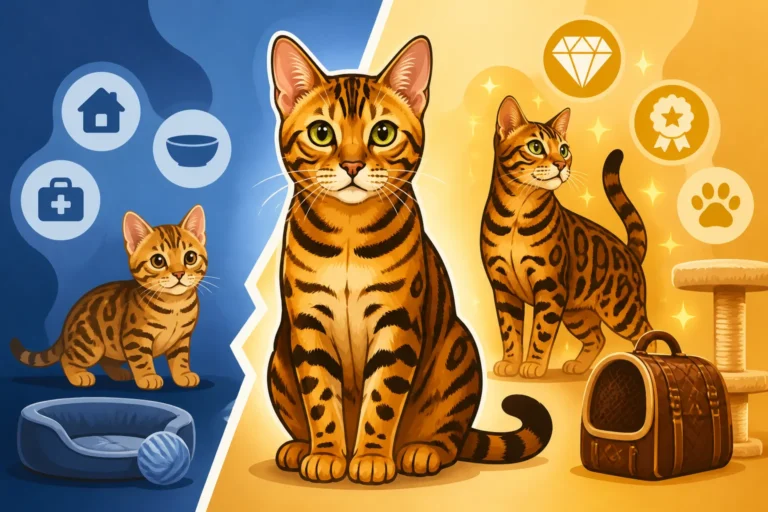
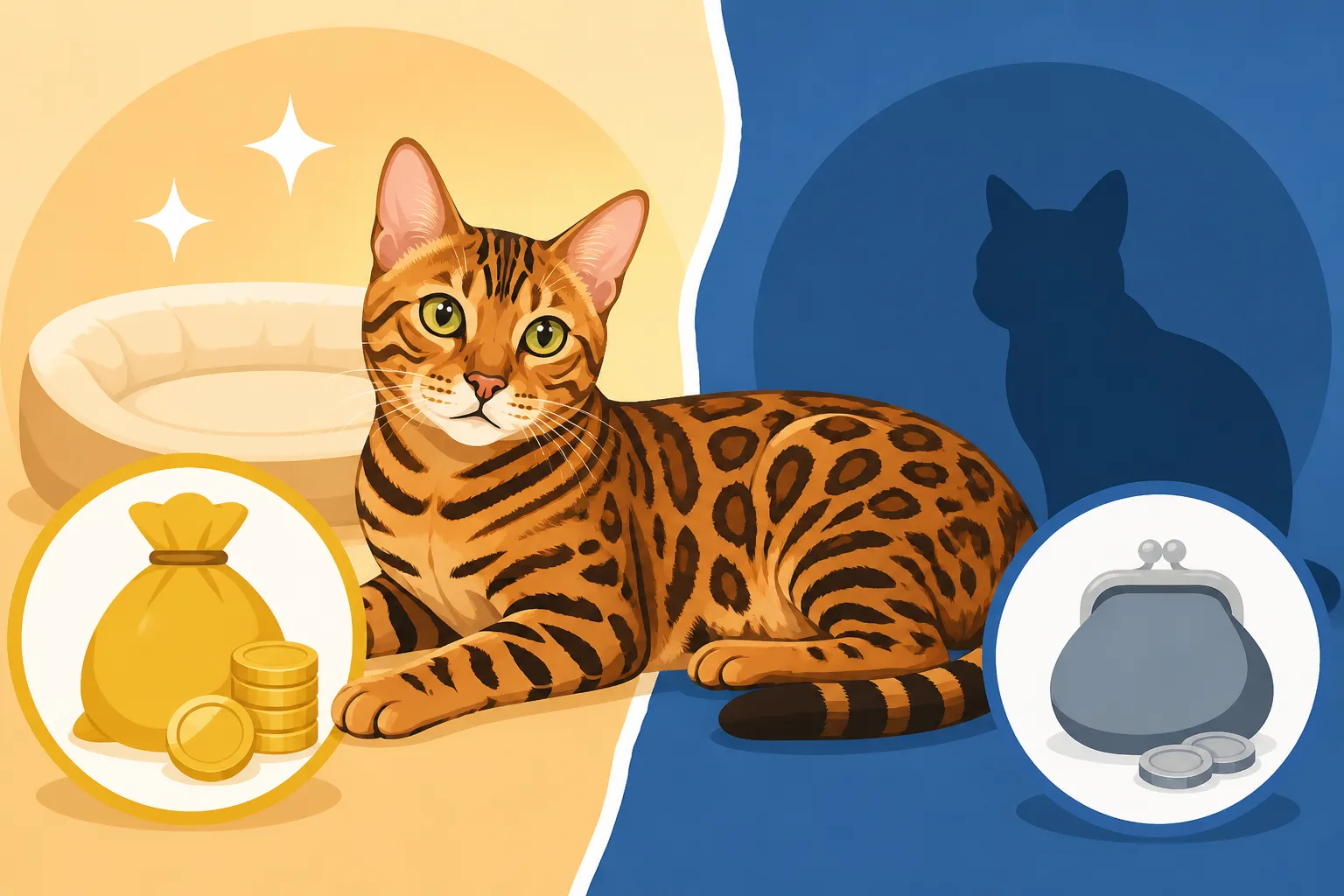
This is where the initial assumption about "cheaper" often comes into play. Yes, generally speaking, the upfront purchase price for a retired Bengal breeding queen can be lower than that of a young Bengal kitten from the same breeder and lines. This isn't because she's "less valuable" but because the breeder is often prioritizing a loving, stable home for her retirement rather than seeking to recoup the full investment of her breeding potential. It's a gesture of care, an effort to ensure these deserving cats find their ideal forever family.
However, it's crucial not to mistake "lower" for "cheap." You won't typically find a retired Bengal queen for the price of a shelter cat. These are often pedigreed, well-bred animals with extensive health histories, and the breeder has invested significantly in their care, health screenings, and overall well-being throughout their breeding career. The price reduction reflects her being spayed and no longer a breeding asset, allowing the breeder to place her in a pet home. It's more about finding the right match than turning a profit at this stage.
Factors Influencing the Price of a Retired Bengal Queen
Just like with kittens, the price of a retired Bengal queen isn't a fixed number. Several factors come into play that can cause the cost to vary quite a bit. It’s never just about her age or status as "retired" but a confluence of elements that speak to her history, health, and desirability.
Age and Health Status
One of the most significant factors is the queen's age at retirement. A Bengal queen might be retired at a relatively young age, perhaps three or four years old, if her breeder has fulfilled their goals with her lines or if she simply prefers not to be a mom anymore. A younger retired queen, still in her prime and with many years ahead of her, might command a higher price than an older queen who is, say, six or seven. This is simply because you're getting more years of companionship with a younger cat.
Her overall health status is also paramount. Reputable breeders will ensure their retired queens are spayed, up-to-date on vaccinations, and have a clear bill of health before rehoming. They will usually provide extensive health records, including results for genetic tests like How the Bengal Cat PRA-b DNA Test Works or regular cardiac screenings (echocardiograms) to check for conditions like What HCM Does to a Bengal Cat's Heart. If an older queen has any known minor health conditions that require ongoing management, this might influence her price, but it should also come with full disclosure from the breeder. Always ask about her full veterinary history; a good breeder will be transparent.
Pedigree and Show History
A retired queen's lineage can also impact her price. If she comes from a long line of champion Bengals, or if she herself has achieved titles in the show ring, her initial adoption fee might be on the higher end, even in retirement. This isn't just about bragging rights; it speaks to the quality of her genetics, her conformation to the breed standard, and her overall type. Breeders invest heavily in acquiring top-quality foundation cats, and even a retired cat from such lines carries a certain prestige and genetic value.
Consider if she produced notable offspring that went on to be successful in shows or breeding programs. This history, while no longer relevant to her personal breeding future, is part of her story and can be reflected in her price. It signifies a proven track record of health, temperament, and adherence to the Bengal breed standard. A cat with a solid pedigree and a history of contributing positively to the breed's development will generally have a different price point than one whose background is less established.
Breeder's Policies and Intentions
Every breeder has their own policies regarding the rehoming of retired queens, and these policies significantly influence the price. Some breeders view the retirement fee as a way to partially recover the considerable costs associated with raising, showing, and health testing a breeding animal for several years. Others might prioritize finding the absolute perfect home, making the fee more of an administrative cost or a barrier to ensure only serious, committed adopters apply.
It's not uncommon for breeders to include the cost of spaying, microchipping, and a final veterinary check-up in the adoption fee. Sometimes, they might even provide a "starter pack" of her current food, toys, and blankets to help her transition. These inclusions, while beneficial to you as the adopter, are part of the overall cost considered by the breeder. Always have an open conversation with the breeder about their pricing philosophy and what exactly is included in the adoption fee. This transparency helps manage expectations and ensures you understand the value you're receiving.
The True Cost Beyond the Purchase Price
While the initial adoption fee for a retired Bengal queen might be lower than a kitten, it's absolutely vital to look at the bigger picture. The purchase price is just one piece of the puzzle when it comes to What a Bengal Cat Costs Over Its Lifetime. Many other expenses come with owning any cat, but especially a mature, potentially older, active Bengal.
| Cost Category | Kitten (0-1 year) | Retired Queen (3+ years) |
|---|---|---|
| Initial Purchase | Higher | Potentially lower than a kitten, rarely "cheap" |
| Spay/Neuter | Usually included in kitten price, or separate fee | Typically already done and included in adoption fee |
| Vaccinations | Series of shots as a kitten | Booster shots annually or every three years |
| Microchip | Often included in kitten price | Usually already done and registered |
| Vet Check-ups | Kitten wellness checks | Annual wellness checks, potentially senior panels |
| Special Diets | Kitten-specific food, then adult | Adult food, potential for prescription/sensitive diets |
| Enrichment | High energy toys, scratching posts | Continuation of high energy toys, catio, cat wheel |
| Behavioral | Training, socialization | Adjustment period, potential for ingrained habits |
| Insurance | Essential for unexpected accidents/illness | Essential, especially for older cats; check exclusions |
Ongoing Veterinary Care
A retired queen, particularly if she's a bit older, will have ongoing veterinary needs that are critical for her continued health and happiness. While a good breeder will ensure she's healthy upon adoption, cats are masters at hiding pain and illness, and regular check-ups become even more important as they age. This includes annual wellness exams, routine vaccinations, and potentially more frequent dental cleanings. Many older cats can develop dental disease, and these procedures are not inexpensive.
You might also consider senior blood panels for an older queen to monitor for common age-related conditions such as kidney disease, thyroid issues, or early signs of diabetes. These proactive measures are key to catching problems early and managing them effectively. Pet insurance, such as a plan from Healthy Paws, can be an absolute lifesaver for unexpected illnesses or accidents. Even if a cat has been healthy her whole life, things can change, and having that financial safety net offers immense peace of mind. Discussing What an Aging Bengal Cat's Bills Look Like with your vet will give you a clearer financial picture.
Dietary Needs and Supplements
A Bengal cat, whether a retired queen or a playful kitten, is an active creature with specific dietary requirements. They are obligate carnivores and thrive on a high-quality, high-protein diet. While a retired queen might not burn as many calories as a hyperactive youngster, her nutritional needs remain significant to maintain her muscle mass and overall health. You might find yourself investing in premium dry kibble, high-quality wet food, or even exploring fresh food options, which can contribute to digestive health and coat quality.
If the queen has any sensitivities or a history of digestive issues – and chronic diarrhea is a complaint nobody warns about with some Bengals – she might require a specialized or limited-ingredient diet. These prescription diets can be more expensive than conventional cat food. Supplements, such as probiotics for gut health or joint support for an older cat, might also become part of her daily routine. Always discuss any dietary changes or supplements with your veterinarian to ensure they are appropriate for your specific cat. When a Bengal Cat Needs a Special Diet for Its Gut is a serious consideration.
Behavioral Adjustments and Training
Bringing any adult cat into a new home requires an adjustment period, but a retired breeding queen might have a unique set of behaviors to navigate. She's spent her life in a cattery environment, accustomed to a specific routine, and potentially to the presence of many other cats and fewer human-centric interactions. Moving into a quiet pet home means learning new social dynamics, becoming the sole focus of attention, and sometimes even adapting to being an "only cat" if that's the setup. This can take time and patience.
While Bengal cats are known for their intelligence and adaptability, some may initially be more reserved or take longer to bond. Others might be very outgoing from the start. They are incredibly clever and active, so they will still need plenty of interactive play, puzzle toys, and vertical climbing spaces to thrive. You might need to reinforce litter box habits, especially if she's coming from a multi-cat environment, or address any ingrained behaviors like counter-surfing that were tolerated in a cattery but not desired in your home. Companies like Chewy offer a wide range of enrichment toys and tools that can help with this transition, providing mental stimulation. Patience, consistent routine, and positive reinforcement training will be your best tools.
Weighing the Pros and Cons
Deciding whether a retired Bengal breeding queen is the right fit for your home involves looking at both the wonderful advantages and the potential challenges. It's not a decision to rush, and a thorough understanding of what you're signing up for will lead to a much happier outcome for both you and your new feline companion.
Advantages of Adopting a Retired Queen
There are some truly compelling reasons to consider welcoming a retired Bengal queen into your life. First and foremost, you are providing a deserving cat with a peaceful, loving retirement home after she's dedicated years to producing beautiful offspring for the breed. This act of compassion is incredibly rewarding. Unlike a tiny kitten, a retired queen comes with a known personality. The breeder can tell you all about her temperament: is she a cuddle bug? A playful hunter? Does she get along with A Bengal Cat With Children, Dogs and Other Cats? This insight is invaluable for ensuring a good match with your family and lifestyle.
Many retired queens are already spayed, microchipped, and up-to-date on their core vaccinations. This means less initial veterinary hassle and expense for you, as well as avoiding the sometimes-stressful experience of spaying an adult cat shortly after adoption. They are typically already litterbox trained, saving you from the common pitfalls of kittenhood. Plus, while still active, an older Bengal may have mellowed slightly from the frantic energy of a kitten, offering a more settled, yet still engaging, companion. They've often been extensively handled by humans and are well-socialized, making their transition often smoother than you might expect.
Potential Challenges and Considerations
While there are many benefits, it's also important to be realistic about potential challenges. The primary one is the adjustment period. A retired queen has lived her entire life in a particular environment, and moving to a new home, even a wonderful one, can be a significant change. She might initially be shy, withdrawn, or even a bit overwhelmed. It takes patience, a quiet space, and consistent reassurance to help her settle in. Some Bengals, especially if they haven't had extensive one-on-one human interaction, may take longer to form a deep bond, which can be frustrating if you're expecting instant cuddles.
Health is another consideration. While reputable breeders will provide a healthy cat, an older cat, like any aging animal, might be more prone to developing age-related conditions down the line. You need to be prepared for potentially higher veterinary costs in the long term, making pet insurance even more advisable. Furthermore, if she was retired due to a specific issue (even a minor one), you need to be fully aware of it and committed to managing it.
Lastly, consider her energy levels. While perhaps less frenetic than a kitten, a Bengal is still The Bengal Cat Is the Most Active Cat You Can Own. She will still require significant playtime, mental stimulation, and perhaps even a catio or How Often a Bengal Cat Uses a Cat Wheel to keep her happy and out of trouble. Don't assume "retired" means "sedate." These cats have boundless energy and curiosity that persists well into their senior years. You'll need to research Caring for a Bengal Cat Past Ten if you're adopting an older queen to be prepared for the years to come.
Ultimately, adopting a retired Bengal breeding queen can be a profoundly rewarding experience. While the initial price tag might offer a modest saving compared to a kitten, it's the long-term commitment to her health, happiness, and continued enrichment that truly defines the investment. It's about opening your home to a magnificent animal who deserves a loving, pampered retirement.
Disclaimer
This article is for general informational purposes only and does not constitute professional advice. Laws, prices and regulations vary by location and change over time. Consult a qualified professional for guidance on your specific situation.