Whether Insurance Excludes a Bengal Cat’s Inherited Disease
Many Bengal cat owners worry deeply about their beloved felines inheriting health issues, only to find themselves completely bewildered by pet insurance policies that seem to have more loopholes than an escape artist. It's a truly frustrating position to be in, wondering if your expensive insurance plan will actually cover those scary genetic conditions like HCM or PRA-b that are unfortunately more common in our beautiful Bengals. This comprehensive guide aims to demystify pet insurance and inherited diseases, helping you understand exactly what to look for and how to protect your Bengal cat's health without breaking the bank.
The Reality of Pet Insurance and Inherited Conditions for Bengal Cats
Let's face it, getting pet insurance for your Bengal cat feels like a necessary evil. You want to be prepared for anything, from a sudden accident to a worrying illness, especially with a breed as active and sometimes prone to specific issues as Bengals. But then you start reading the fine print, and words like "inherited," "congenital," and "pre-existing" start to blur into one giant, confusing headache. The truth is, these terms are distinct, and understanding the difference is absolutely crucial when it comes to whether your insurance company will actually pay out for a Bengal cat's genetic health problem.
One of the biggest heartbreaks for a Bengal cat owner is discovering their cherished companion has an inherited condition. You've done your research, you've chosen a reputable breeder, and you thought you were in the clear. But genetics can be tricky, and some conditions might not show up until your cat is a bit older. This is where the insurance policy's wording becomes paramount. Most policies are designed to cover unexpected illnesses and accidents. Inherited conditions, while unexpected to you, are often a gray area for insurers, depending on when they are diagnosed and how the policy defines them.
Understanding "Pre-Existing" vs. "Inherited"
It's easy to conflate "pre-existing" and "inherited" conditions, but they are distinctly different in the eyes of pet insurance providers, and this distinction can make or break your claim.
A pre-existing condition is generally defined as any illness or injury that showed symptoms or was diagnosed before your pet's insurance policy began, or before the end of a specified waiting period. This is regardless of whether you knew about it or not. For example, if your Bengal had recurrent ear infections before you got insurance, and then you try to claim for another ear infection a month into your policy, it would likely be denied as pre-existing. It's about the timing of the symptoms or diagnosis in relation to your policy's start date and waiting periods. Many policies have a "look-back" period, sometimes 12 months, where they'll review veterinary records for any signs of illness prior to enrollment.
Inherited conditions, on the other hand, are genetic predispositions passed down from parent to offspring. These conditions are encoded in your cat's DNA from birth, even if they don't manifest symptoms until later in life. For Bengal cats, this includes things like Hypertrophic Cardiomyopathy (HCM), Progressive Retinal Atrophy (PRA-b), and Pyruvate Kinase Deficiency (PK Def). The crucial point here is whether the symptoms of an inherited condition appeared before or after your policy's start date and waiting periods. If your Bengal develops signs of HCM when they're three years old, and you've had insurance since they were a kitten, a good policy should cover it, unless it explicitly excludes inherited conditions or defines them in a way that aligns them with pre-existing conditions. This is the nuance that truly matters.
Why Bengal Cats Face Specific Challenges
Our beautiful Bengal cats, with their wild ancestry and energetic personalities, unfortunately come with a few genetic quirks that make pet insurance a particularly important, yet potentially complicated, topic. Unlike some more common domestic breeds where certain conditions are widely known, the relatively newer status of the Bengal breed means that some of their inherited health issues might not be as universally understood by every insurance provider. This isn't to say Bengals are inherently "unhealthy" – far from it. But like many purebred animals, they have specific genetic predispositions that responsible owners need to be aware of and plan for.
For instance, HCM Is What Kills Bengal Cats Early is a condition we frequently talk about in the Bengal world. It's a thickening of the heart muscle that can lead to heart failure. While it can affect any cat, Bengals have a higher prevalence, and it's a known inherited condition. Similarly, PRA-b Blinds a Bengal Cat by Two and There Is a DNA Test and Pyruvate Kinase Deficiency in a Bengal Cat are other genetic conditions that can impact our feline friends. The challenge lies in the fact that these conditions often don't show clinical signs until the cat is an adult, well after kittenhood. If an insurance policy has very strict definitions or exclusions around "inherited" or "genetic" conditions, even if symptoms appear years into your coverage, you could find yourself fighting for coverage. This is why due diligence when selecting a policy is absolutely critical for Bengal owners.
Common Inherited Conditions in Bengal Cats
To really understand the insurance conundrum, it helps to know what conditions we're even talking about. Bengal cats, like many purebreds, are prone to certain genetic issues that have been identified through research and careful breeding practices. Knowing these upfront allows you to ask the right questions of your breeder and your insurance provider.
These conditions aren't a death sentence, and many Bengals live long, happy lives without ever showing signs of them. However, for those who do, the costs of diagnosis and ongoing treatment can be substantial, which is why having the right insurance coverage is so vital.
HCM: The Heart of the Matter
Hypertrophic Cardiomyopathy, or HCM, is arguably the most talked-about inherited condition in Bengal cats. It's a primary disease of the heart muscle, where the walls of the ventricles, particularly the left ventricle, become abnormally thick. This thickening reduces the heart's efficiency, making it harder to pump blood effectively, and can lead to serious complications, including congestive heart failure, blood clots (known as saddle thrombus), and sudden death.
The heartbreaking part about HCM is that it often progresses silently in its early stages. Many cats show no outward symptoms until the disease is quite advanced, or even until a sudden crisis occurs. This means regular screenings, like cardiac ultrasounds (echocardiograms), are crucial for early detection in at-risk breeds like Bengals. How Common HCM Is in Bengal Cats is a question many prospective owners ask, and while breeders work hard to screen their lines, no breed is entirely free of risk. If your Bengal is diagnosed with HCM, the treatment can include various medications to manage heart function, prevent clots, and improve quality of life. These medications and regular veterinary check-ups, often including repeat echoes, can become a significant ongoing expense.
PRA-b and PK Deficiency: Genetic Blind Spots
Beyond the heart, Bengals can also carry genes for other concerning inherited conditions, specifically affecting their sight and blood.
Progressive Retinal Atrophy (PRA-b) is a genetic eye disease that causes the cells of the retina to degenerate over time, ultimately leading to blindness. In Bengal cats, a specific form known as PRA-b has been identified. Kittens are born with normal vision, but as they grow, their night vision typically deteriorates first, followed by their day vision. The Age a Bengal Cat With PRA-b Goes Blind can vary, but many affected cats show significant vision loss by the time they are young adults. The good news is there's a DNA test available to identify carriers and affected cats, so responsible breeders can avoid breeding two carriers together, which would produce affected offspring. However, if an affected cat slips through, or if an older cat develops symptoms, their care will involve managing a blind cat's environment and ensuring their safety and quality of life.
Pyruvate Kinase Deficiency (PK Def) is another inherited condition, this time affecting the red blood cells. It's an enzymatic defect that leads to the premature destruction of red blood cells, resulting in anemia. Cats with PK Def can experience intermittent or persistent anemia, with symptoms like lethargy, weakness, pale gums, and sometimes an enlarged spleen. The severity can vary widely, and some cats may have mild, manageable symptoms, while others experience life-threatening anemic crises. The Age PK Deficiency Shows in a Bengal Cat is typically in young adulthood, usually between one and five years old. Like PRA-b, a DNA test is available for PK Def, allowing breeders to make informed decisions and reduce the incidence of the disease. Managing PK Def often involves supportive care during anemic episodes, and in severe cases, blood transfusions or even splenectomy might be considered, all of which are costly interventions.
Other Potential Inherited Conditions
While HCM, PRA-b, and PK Def are the most commonly discussed inherited conditions in Bengals, it's worth noting that like any breed, they can potentially be predisposed to others. What a Bengal Cat Breeder Should Have Tested typically includes these three, as they are well-established genetic markers. However, a comprehensive understanding of breed health might also consider other sensitivities. For example, some Bengals can have sensitive digestive systems, sometimes leading to chronic diarrhea. While not always directly inherited, a genetic predisposition to inflammatory bowel disease (IBD) could be a factor. While this isn't usually listed as a "major" inherited disease like HCM, it can lead to significant vet bills over a cat's lifetime, including specialized diets, medications, and diagnostic tests. This highlights the importance of a thorough pre-purchase health check and understanding your chosen policy's coverage for chronic conditions.
How Insurance Companies View Inherited Conditions
This is where the rubber meets the road. Even with the best intentions and a healthy kitten, the world of pet insurance can feel like a labyrinth when an inherited condition surfaces. Insurance providers have their own classifications and rules, and these vary significantly from one company to another. It's not enough to simply have "pet insurance"; you need the right kind of pet insurance for a breed like the Bengal, where specific genetic predispositions are a known factor.
The core issue revolves around when the condition is identified, and how your policy defines what it will and won't cover. Some policies might outright exclude all inherited or congenital conditions, while others will cover them as long as the symptoms first appeared after your enrollment and waiting periods. This distinction is critical and should be a primary question you ask any potential insurer.
The "Curable" vs. "Incurable" Clause
Some pet insurance policies differentiate between "curable" and "incurable" conditions, which can surprisingly impact coverage for inherited diseases. A "curable" condition, in the insurance world, might be something like a urinary tract infection. Once treated and resolved, it's often no longer considered pre-existing if it recurs after a specified waiting period, or if the recurrence is considered a new event.
However, many inherited conditions, especially those like HCM or PK Def, are often considered incurable or chronic. While symptoms can be managed, the underlying genetic defect and the disease itself cannot be cured. In some policies, once an incurable condition shows symptoms and is diagnosed, any future treatment for that condition, or related conditions, might be considered pre-existing and therefore excluded, even if you had insurance when it was first diagnosed. This is a subtle but incredibly important clause to look out for. A truly comprehensive policy for a Bengal cat should not penalize you for an incurable inherited condition simply because it's ongoing; it should cover the ongoing management costs as long as the condition first manifested after your waiting periods.
The Importance of a Pre-Enrollment Exam
Before you even think about signing up for pet insurance, a crucial step for any Bengal owner is to get a thorough veterinary examination for your cat. This isn't just good practice for your cat's health; it's also a vital part of the insurance enrollment process. Most reputable pet insurance companies will require a recent veterinary exam, often within a certain timeframe (e.g., 6-12 months) of your application, or they might ask for your cat's full veterinary history.
This exam serves two main purposes from the insurer's perspective: it establishes a baseline of your cat's health at the time of enrollment, and it helps identify any pre-existing conditions. For you, the owner, it provides documentation. If your Bengal receives a clean bill of health before you enroll, and then develops an inherited condition years later, that pre-enrollment exam (and subsequent annual wellness checks) can be a powerful tool to prove that the condition was not pre-existing. This documentation helps prevent the insurer from claiming that symptoms were present before your policy started. A good breeder will also provide detailed health records, including genetic testing for conditions like PRA-b and PK Def, and potentially even early cardiac echoes. This information, especially a clear What a Bengal Cat Breeder Should Have Tested report, can be instrumental in demonstrating your cat's health status at the time of purchase and enrollment.
Waiting Periods and Their Impact
Every pet insurance policy comes with waiting periods, and these are incredibly important when it comes to inherited conditions. A waiting period is a specified amount of time that must pass from the policy's effective date before coverage for certain conditions begins. There are typically different waiting periods for accidents and illnesses. Accidents often have very short waiting periods, sometimes just a few days. Illnesses, however, usually have longer waiting periods, commonly 14 days, but some can be much longer, up to 30 days or more. Some companies even have extended waiting periods for specific orthopedic conditions or other specialized treatments.
For inherited conditions, the critical aspect of waiting periods is that if any symptoms of the inherited condition appear during the waiting period, or if the condition is diagnosed during this time, it will almost certainly be considered pre-existing and excluded from coverage. This is why it's so important to enroll your Bengal cat as early as possible, ideally when they are a kitten and demonstrably healthy. The younger and healthier they are when you enroll, the less likely they are to develop symptoms of an inherited condition within those initial waiting periods. Delaying enrollment, even by a few months, increases the risk of an unexpected diagnosis falling within an exclusionary window.
Navigating Policies: What to Look For
Choosing the right pet insurance for your Bengal cat can feel overwhelming with all the different plans and providers out there. However, by focusing on a few key areas, you can significantly improve your chances of finding a policy that truly protects your feline friend against the specific risks associated with their breed, especially inherited conditions. It's not just about the monthly premium; it's about the comprehensive nature of the coverage and the transparency of the terms.
Don't be afraid to ask direct questions to insurance representatives and thoroughly read through policy documents before committing. Remember, you're looking for peace of mind, not just a bill you hope never to use.
Reading the Fine Print: Exclusions and Limitations
This is perhaps the most crucial step for a Bengal cat owner. The devil truly is in the details when it comes to pet insurance, and the "Exclusions" section of any policy document should be your first stop. Look specifically for language regarding:
- Inherited/Congenital Conditions: Some policies will clearly state that they do cover inherited or congenital conditions, as long as they are not pre-existing (i.e., no symptoms or diagnosis before enrollment/waiting periods). This is what you want to see. Other policies might have blanket exclusions for these conditions, or list specific conditions (like HCM) as always excluded. Avoid these if you can.
- Genetic/Hereditary Diseases: Similar to inherited conditions, ensure these are covered.
- Chronic Conditions: Since many inherited conditions require ongoing management, ensure the policy doesn't stop covering treatment after a certain number of claims or after a condition is deemed "chronic." You need a policy that will continue to pay for medication, special diets, and vet visits for the lifetime of a chronic condition, as long as it wasn't pre-existing.
- Specific Breed Exclusions: While rare for Bengals in general policies, always double-check that your breed isn't explicitly excluded or has special limitations due to its wild cat ancestry.
Companies like Healthy Paws are often praised for their comprehensive coverage which typically includes inherited and congenital conditions as long as they're not pre-existing. When comparing plans, literally draw a column for "Covers Inherited Conditions?" and fill it in based on their explicit policy wording. Don't assume anything! You might even find that online marketplaces for pet supplies like Chewy offer tools or partner with insurers, allowing you to easily compare policies and filter for these critical coverage points.
The Value of Wellness Plans vs. Accident & Illness
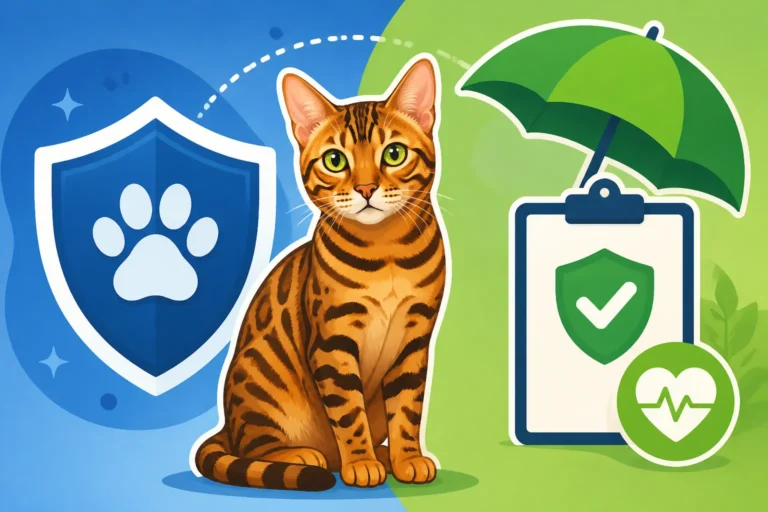
When looking at pet insurance, you'll generally encounter two main types of plans: Accident & Illness plans, and Wellness plans (sometimes offered as an add-on). Understanding the difference is key to knowing what might cover an inherited condition.
Accident & Illness Plans are the core of pet insurance. They cover unforeseen injuries (like a broken bone from a bad jump, common for an active Bengal!) and illnesses (like infections, cancer, or unfortunately, the manifestation of an inherited disease like HCM or PRA-b). For inherited conditions, this is the type of plan you need. A robust Accident & Illness plan is designed to step in when something genuinely unexpected happens, and if an inherited condition wasn't showing symptoms before your policy started, it should fall under this umbrella. These plans typically cover diagnostics, treatments, medications, and sometimes even specialist visits, all of which are common for managing complex inherited conditions.
Wellness Plans, on the other hand, are designed to cover routine, predictable care. Think annual exams, vaccinations, flea and tick prevention, and sometimes even dental cleanings. These are generally not considered "insurance" in the traditional sense, but rather a way to budget for preventive care. While incredibly valuable for maintaining your Bengal's overall health and catching potential issues early (like Signs a Bengal Cat Has Heart Disease during a routine check-up), a wellness plan will not cover the treatment costs of an inherited condition once diagnosed. It might cover the initial diagnostic bloodwork if it's part of a routine check, but not the specialized tests, medications, or ongoing care for the actual disease itself. Some insurers, or even online retailers like Chewy, might bundle these, so be clear on what each component actually covers.
When to Enroll Your Bengal Kitten
Timing is everything with pet insurance, especially for a breed with known inherited predispositions. The best advice I can give any prospective or new Bengal owner is this: enroll your kitten as early as possible.
Why? Because of those dreaded waiting periods and the definition of pre-existing conditions. A young kitten is, statistically, less likely to have developed any symptoms of an inherited condition. If you enroll them at 8-10 weeks old, before they've had any health issues beyond perhaps a minor tummy upset (which might become Chronic Diarrhea Is the Bengal Cat Complaint Nobody Warns About later, but hopefully not), you maximize the chances that any future inherited condition will be covered. If you wait until your Bengal is a year or two old, and then they start showing signs of something like HCM, it's possible that the initial symptoms could fall within an uninsured period, making the condition pre-existing in the eyes of the insurer.
Reputable breeders will often provide a health guarantee for a certain period, and some will even encourage or require you to get pet insurance soon after taking your kitten home. This is a good sign! It shows they are confident in their lines but also realistic about the potential for unexpected issues. Taking advantage of this early enrollment window is perhaps the most strategic financial decision you can make for your Bengal cat's long-term health and your own peace of mind. While preparing for potential inherited conditions, remember that a good diet can also contribute to overall wellness and potentially mitigate symptoms of some chronic issues, though it's not a substitute for vet care or insurance for genetic diseases.
| Feature / Condition Type | Accident & Illness Plan (Good for Bengals) | Wellness Plan (Helpful, but not for inherited disease treatment) |
|---|---|---|
| Covers Inherited Conditions? | YES (if not pre-existing & policy specific) | NO (only diagnostic portion if part of routine exam) |
| Covers Accidents? | YES | NO |
| Covers Unexpected Illnesses? | YES | NO |
| Covers Routine Exams? | NO (unless add-on wellness) | YES |
| Covers Vaccinations? | NO (unless add-on wellness) | YES |
| Covers Medications? | YES (for covered conditions) | NO |
| Covers Specialist Visits? | YES (for covered conditions) | NO |
| Deductible Applies? | YES | NO (usually a flat fee or no deductible) |
| Reimbursement Percentage? | YES (e.g., 70-90% after deductible) | N/A (often covers specific items or a set allowance) |
Disclaimer
This article is for general informational purposes only and does not constitute professional advice. Laws, prices and regulations vary by location and change over time. Consult a qualified professional for guidance on your specific situation.